

The gentle sound of paws on hardwood floors. A warm body settling beside you on the couch. The expectant look in those knowing eyes when it’s time for a walk. For countless seniors, these moments represent more than just pet ownership. They represent purpose itself.
Research reveals that pet ownership provides seniors with an “overall sense of purpose and encourages a daily routine.” Scientists have found that “caring for a living being gives our lives purpose and helps establish a routine that adds structure to our days.” This isn’t just heartwarming sentiment. It’s a health revolution hiding behind wagging tails.
Think about it this way: while many retirees struggle with empty days stretching endlessly ahead, dog owners have a built-in reason to get up every morning. Their four-legged companion needs them. And honestly, that need creates something magical.
Creating Structure When Life Feels Formless
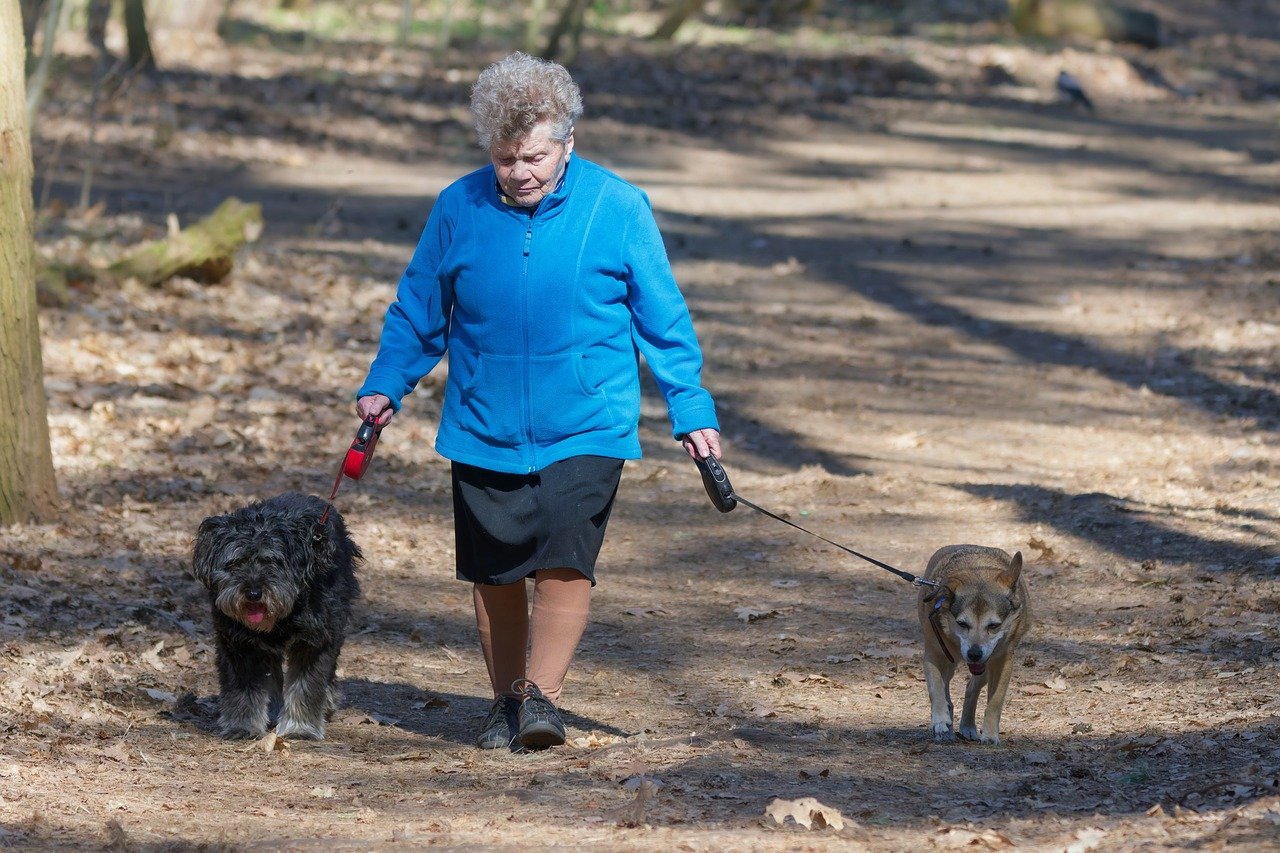
Dogs “thrive on routine and require regular feeding, exercise, and care,” which “encourages seniors to establish and adhere to a daily schedule.” This isn’t about rigid schedules or military precision. It’s about having touchstones throughout the day that make time meaningful.
Picture Martha, who retired last year after thirty years as a nurse. Without patients to check on or shifts to cover, her days felt shapeless. Then came Benny, a gentle golden retriever mix from the local shelter. Suddenly, Martha had morning walks, feeding times, and afternoon play sessions. Her day had rhythm again.
Studies show that “having a routine offers improvements in mood and cognitive functioning while also decreasing the chances of developing major depression.” The simple act of caring for another living being creates natural bookends for each day.
Dogs don’t understand retirement or empty nest syndrome. They just know it’s breakfast time at seven, walk time at ten, and cuddle time whenever you sit down. That consistency becomes a lifeline for seniors navigating major life transitions.
The Morning Wake-Up Call That Changes Everything

Healthcare providers have observed that having a dog “forces seniors to get up every morning – it gives them structure.” There’s something profound about being needed before you’ve even had your coffee. No snooze button works when a furry friend is counting on you.
This isn’t just about getting out of bed. It’s about having a reason that exists outside yourself. When depression whispers that nothing matters, that wet nose nudging your hand says otherwise. Your dog’s needs become larger than your own struggles.
Research confirms that “dogs give their owners a purpose (feeding, care) and a daily structure (going outside three to four times a day).” Those three to four daily outings might seem small, but they’re actually revolutionary for someone who might otherwise spend entire days indoors.
The beauty lies in the simplicity. You don’t need grand gestures or elaborate plans. You just need to be present for another living being who depends entirely on your care and attention.
Physical Activity That Doesn’t Feel Like Exercise
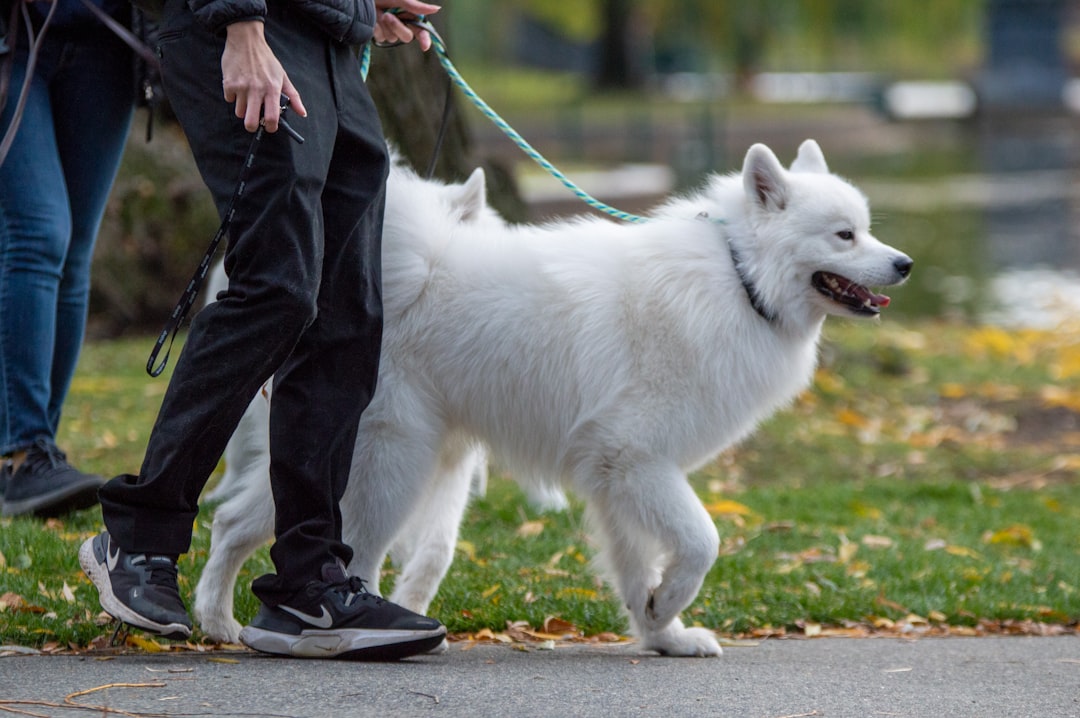
Studies reveal that “people who own a dog walk 22 minutes longer on average than those who do not have a dog.” But here’s the thing: it doesn’t feel like exercise when you’re following your curious companion as they explore the world.
Research shows “dog owners walked significantly longer than non-owners, and pet owners had significantly lower serum triglycerides than non-owners.” These aren’t just numbers on a medical chart. They represent real improvements in cardiovascular health, joint mobility, and overall energy levels.
Dogs provide “a clear reason to walk every day, and that rain-or-shine accountability” helps form lasting habits. Even “a low-intensity daily 20-minute walk can improve heart health, lower blood pressure, and relieve stress.”
Think of it as stealth fitness. While you’re focused on your dog’s happiness, you’re inadvertently improving your own physical health. The miles add up without feeling like a chore because you’re sharing the journey with an enthusiastic companion.
Mental Stimulation Through Caregiving Tasks
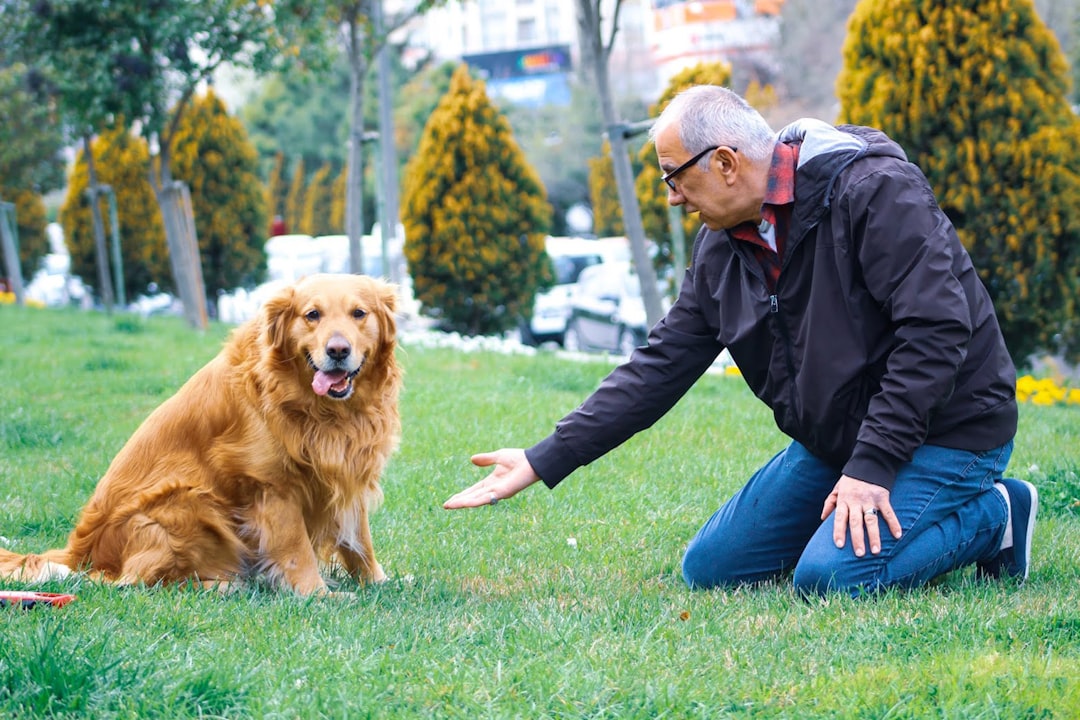
The structured routine of pet care “provides a sense of purpose and helps seniors maintain cognitive abilities and mental alertness.” Caring for a dog engages multiple cognitive functions simultaneously: planning, problem-solving, memory, and attention to detail.
Consider the mental gymnastics involved in dog ownership. Remembering medication schedules, monitoring health changes, planning exercise routines, and adapting care based on weather or your dog’s mood. These aren’t burdensome tasks. They’re cognitive workouts disguised as love.
Being responsible for another being “motivates seniors to take care of themselves, to remain healthy, and to be able to take care of their dog as long as possible.” This creates a positive feedback loop where caring for your dog motivates self-care.
Researchers studying memory function have found that “all signs point to pet presence being beneficial” for cognitive health. The daily mental engagement required for responsible pet ownership keeps minds sharp and engaged.
Social Connections That Bloom Naturally
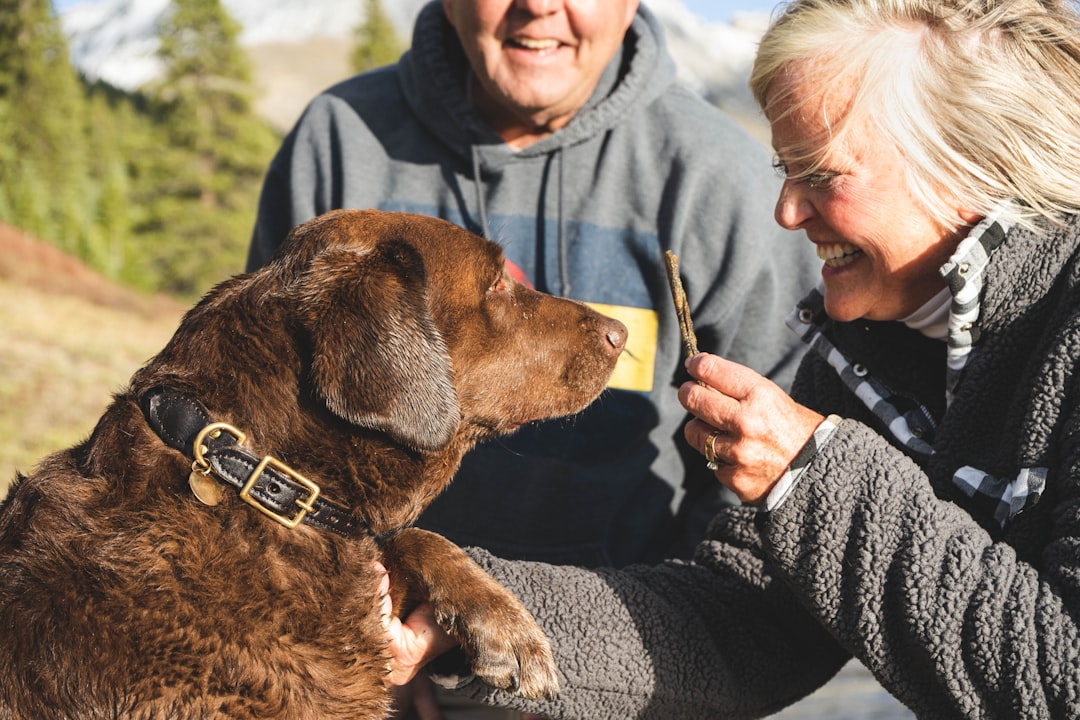
Simple activities like “walking a dog in the neighborhood often leads to casual conversations with other pet owners, providing a sense of belonging and community.” Dogs are natural conversation starters. They break down social barriers that might otherwise feel insurmountable.
“Pet ownership is among the common ways that people meet other people in their neighborhoods,” and “pet owners were 60% more likely than non-pet owners to get to know people in their neighborhoods.” Your dog becomes a bridge to human connection.
Dog parks, veterinary waiting rooms, pet supply stores, and neighborhood walks become social venues. Suddenly, you’re part of a community of people who understand the joy of cleaning up after someone who can’t even say thank you. It’s a special bond that transcends age, background, or circumstance.
“Walking a dog gives you an opportunity to talk to people on the street or at the dog park. Plus, everyone knows a pet gives you someone to talk to anytime you feel like it.” This dual benefit of human and canine companionship addresses loneliness from multiple angles.
Emotional Wellness Through Unconditional Love
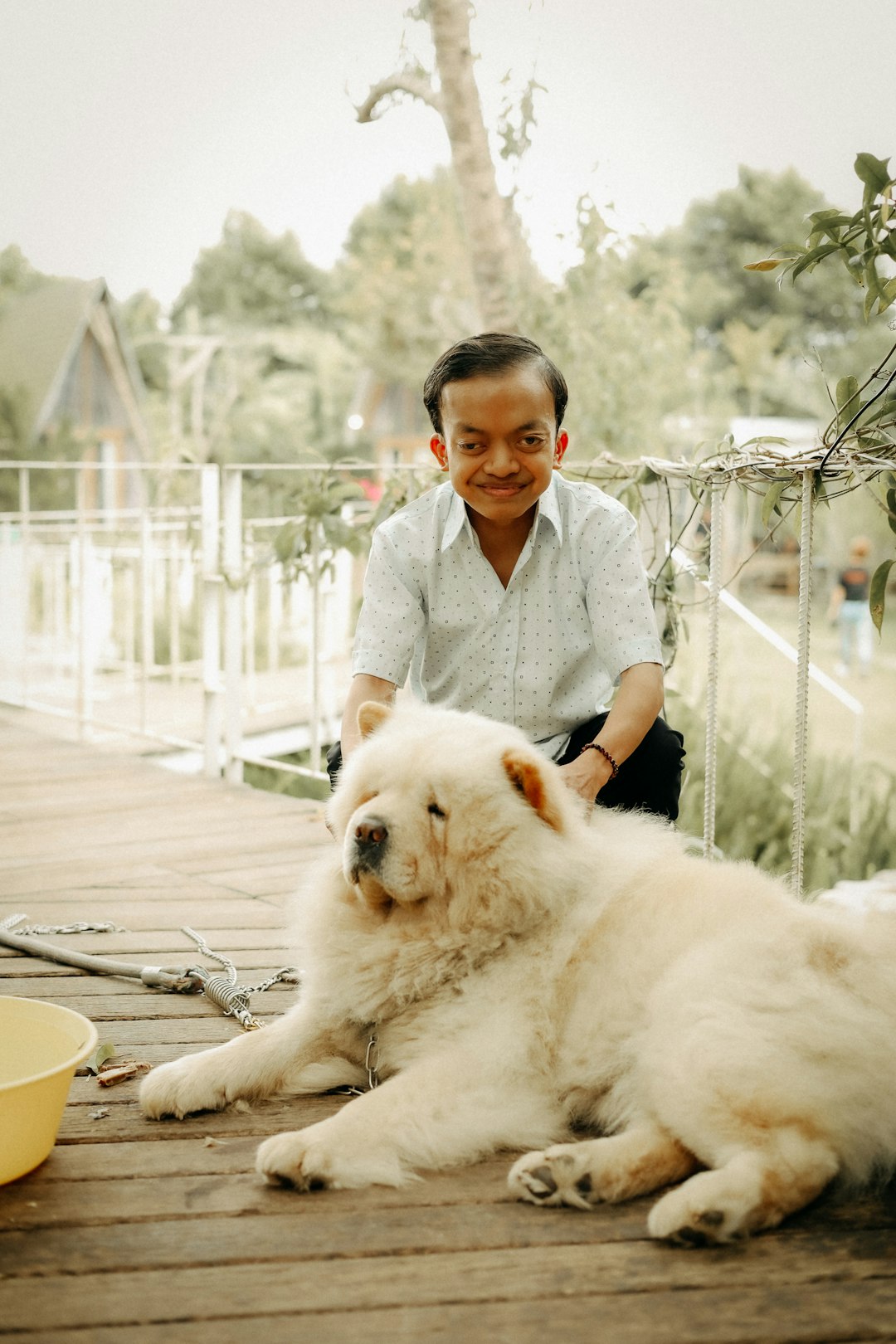
More than “three-quarters of pet owners say their animals reduce their stress, and nearly as many say pets give them a sense of purpose.” This isn’t just feelgood fluff. Simply “petting a dog can decrease the level of the stress hormone cortisol and increase the level of the mood-regulating hormone serotonin.”
University research sponsored by AARP found that “70% of older adults said their pet helps them cope with physical or emotional symptoms, and 46% said their pets help take their mind off of pain.” Dogs provide a living, breathing form of therapy that’s available twenty-four hours a day.
“The company of a dog or cat can help people feel less lonely.” Pets “live in the here and now, without worry about the future or thoughts about the past,” helping owners do the same. This mindfulness comes naturally when you’re focused on meeting another being’s immediate needs.
There’s something profoundly healing about being completely accepted by another living creature. Dogs don’t judge your wrinkles, your slower gait, or your occasional forgetfulness. They just love you as you are, right now, in this moment.
The Responsibility That Renews
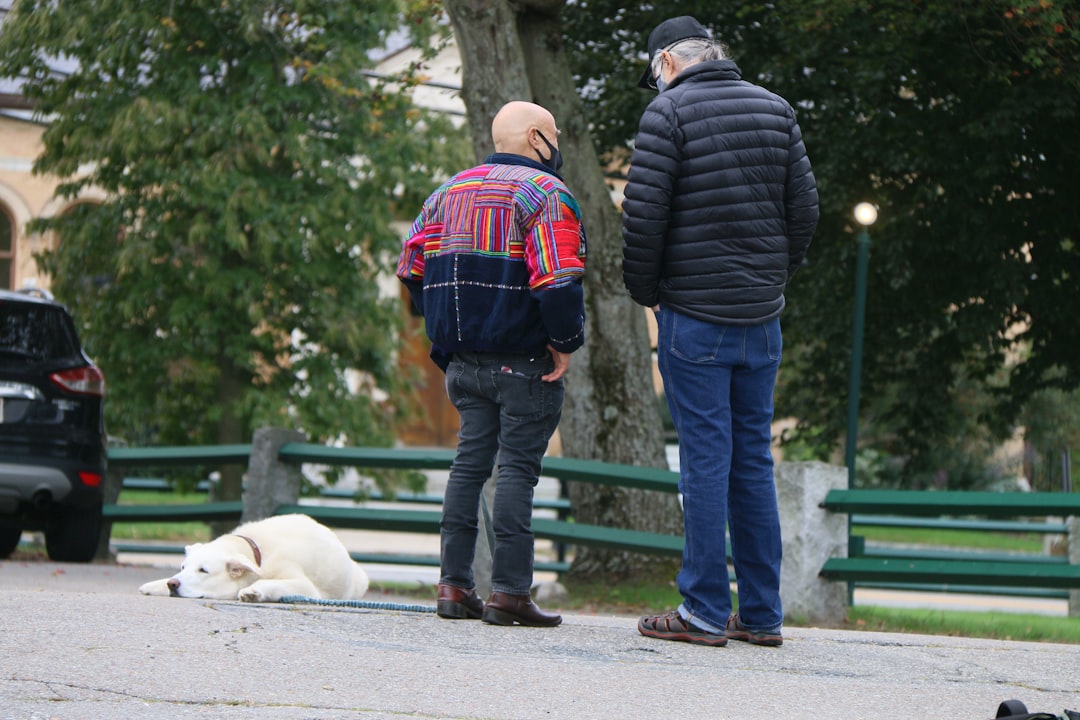
“Caring for a pet’s needs helps seniors maintain a sense of responsibility and control, enhancing their overall quality of life.” In a world where retirement can feel like being put out to pasture, dog ownership says you’re still needed, still capable, still vital.
Many adults find that “once they are retired, and have grown kids, they feel a bit empty without a career or someone to care for.” However, “pets need their owners. They depend on their owners for companionship, love, food and exercise.”
Dog ownership “encourages seniors to carry out other daily activities independently, such as going out for shopping or taking Jack for walks.” The responsibilities cascade into other areas of life, promoting overall independence and engagement.
“Knowing that your pet relies on you can provide a sense of purpose. Also, animals can sense our moods and some might say they know you better than you know yourself.” This mutual dependence creates meaning that extends far beyond simple companionship.
Every morning brings new opportunities to nurture, protect, and cherish another living being. For seniors discovering that caring for a dog offers daily purpose, each day becomes an adventure in meaningful living. The question isn’t whether you have time for a dog. The question is whether you have time not to experience the transformative power of being needed, valued, and loved unconditionally. What do you think – could a four-legged friend add purpose to your golden years?


