
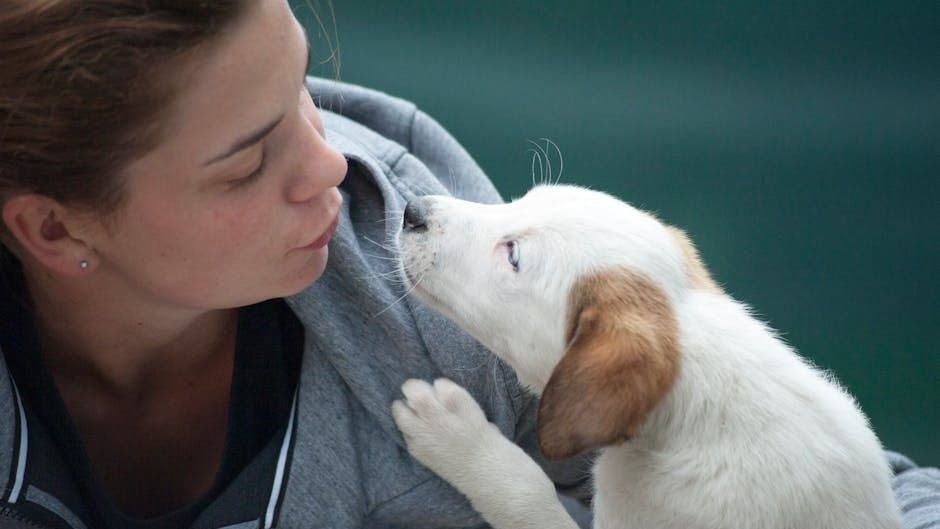
You walk through the front door after a long day, and your dog explodes with joy. Tail spinning like a tiny tornado, body wiggling, eyes locked on you like you hung the moon. It feels magical. But then you notice something a little unsettling. Your partner barely makes it through the door and gets the same reaction. Or maybe even a bigger one. Suddenly, you are second place in a competition you didn’t even know you’d entered.
Here’s the truth: dogs are not randomly loyal. Their “favorite human” picks are deeply considered, rooted in science, emotion, and a set of invisible signals we humans barely notice. And no, it’s not purely about the treat dispenser. So if you’ve ever wondered why your dog chooses your spouse over you, or why the new rescue has bonded intensely with just one person in the house, you are about to find out everything. Let’s dive in.
The Science of Canine Attachment: Your Dog Bonds Like a Baby
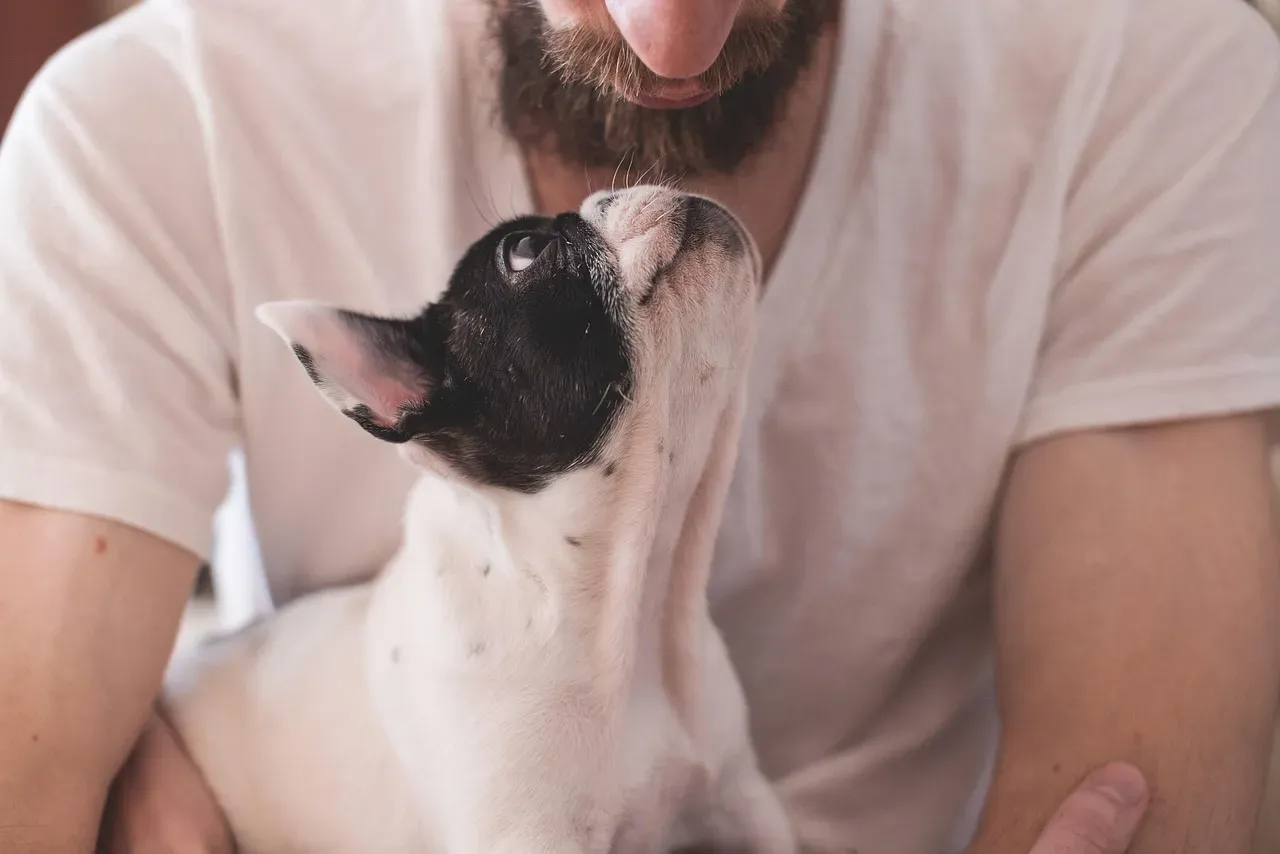
This might sound wild, but your dog’s attachment to you mirrors the emotional bond between a human infant and their caregiver. Psychologists believe that the relationship between human and canine is a bidirectional attachment bond, which resembles that of the typical human caretaker and infant relationship, and shows all of the usual hallmarks of a typical bond. Think about that. Your dog isn’t just fond of you. They are emotionally wired to seek you out the way a toddler seeks a parent.
One such behavior is proximity seeking, where the animal will seek out the attachment figure as a means of coping with stress. Conversely, the absence of an attachment figure can trigger behaviors indicative of separation-related distress in dogs. So that whining at the door when you leave? That is not manipulation. That is genuine emotional need. For dogs, humans seem to represent a social partner that, in addition to providing information pertinent to food acquisition, can be a source of emotional fulfillment and attachment.
Research has shown that dogs and humans both release oxytocin, the “love hormone,” when they interact. This hormonal connection fosters trust and emotional bonding. In other words, when you gaze into your dog’s eyes with genuine warmth, something biological is actually happening between you both.
The Socialization Window: Why the First Six Months Are Everything
If you want to understand why your dog is obsessed with one specific person, start at the beginning. The first six months of a dog’s life represent the most crucial period for determining future bonding patterns. During this key socialization window, puppies’ brains are incredibly receptive to new experiences, and their early social interactions influence their attachment preferences for the rest of their lives. It’s a bit like concrete. Soft and moldable at first, then it sets.
The person who was most present during their critical developmental period, usually between 3 and 12 weeks, often gets the golden ticket to favorite status. For adopted pets, this can translate to whoever brought them home or who they learn to trust first. So if you adopted a dog at two years old and wonder why they bonded faster to your sister who visited on day one, that initial trust impression carries serious weight.
The types of people dogs are around when they’re young may leave them with a biased preference, for example, women over men or adults over children. It’s hard to say for sure exactly how deep these early imprints run, but the evidence suggests they are some of the strongest forces shaping canine loyalty for life.
Personality Match: Your Dog Is Actually Looking for a Kindred Spirit
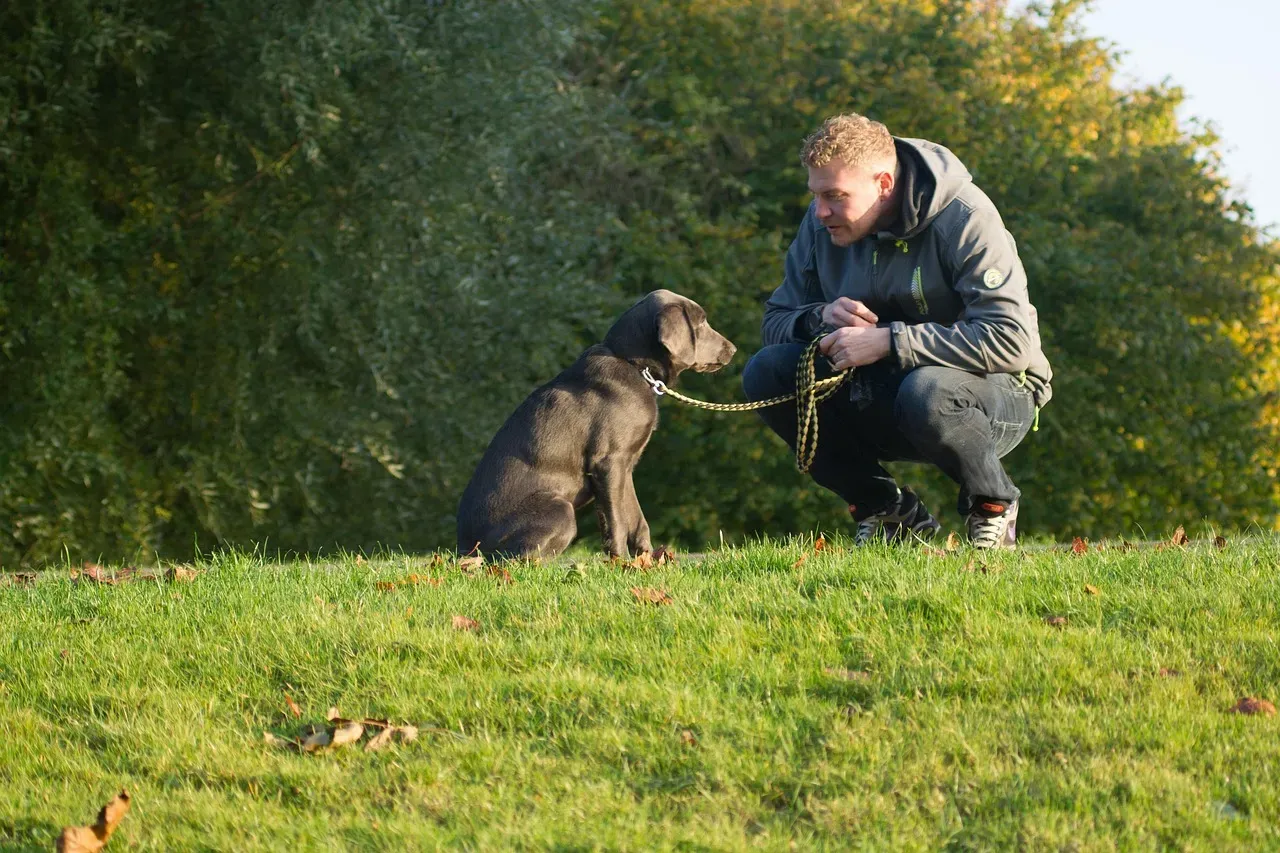
Here’s something that genuinely surprised me when I first learned it. Dogs don’t just bond with whoever feeds them. They actively gravitate toward people whose personality and energy match their own. Cautious dogs naturally gravitate toward quiet, calm individuals, while high-energy dogs prefer active people who match their enthusiasm. This compatibility extends beyond energy levels to include how humans handle stress, communicate, and interact with the dog during both positive and challenging situations.
Think of it like a friendship among humans. You can spend every day with a colleague, but if your vibes just don’t click, that closeness never quite sparks. Dogs often like family members whose energy and personality are similar to theirs. So if you’re quiet and calm, that quiet and calm type dog wants to be with you, and just the opposite. In fact, research suggests that dogs and their owners can develop similar personality traits.
Canine body language plays a crucial role in how dogs perceive humans. Dogs are adept at reading human gestures, facial expressions, and posture. A person who displays open and inviting body language, such as bending down to greet a dog or maintaining a relaxed posture, is more likely to be accepted as a favorite. Conversely, a tense or fearful demeanor can be off-putting to a dog. So the next time you crouch down and let your dog come to you, know that you are scoring invisible points on their internal loyalty chart.
Quality Time and Positive Association: It’s Not Just How Long, It’s How Good
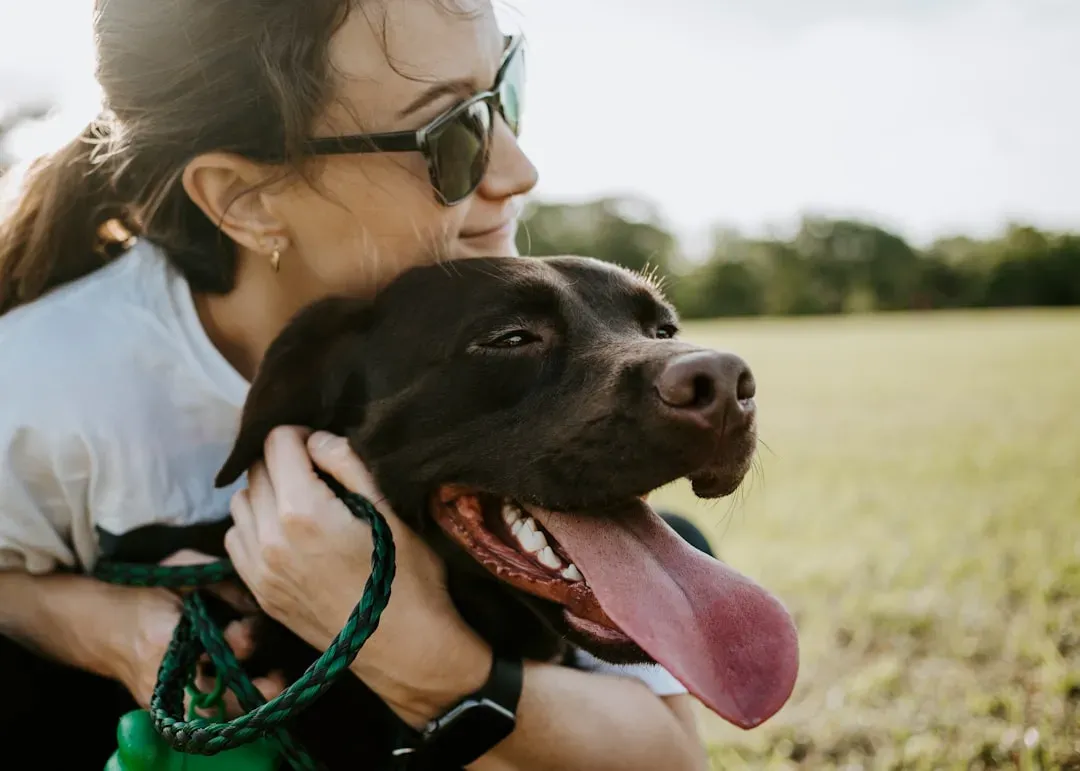
Let’s be real. Spending eight hours a day in the same house as your dog while ignoring them does not count as bonding. It’s easy to understand that dogs choose the people who give the most attention, affection, and one-on-one time. High quality is key here. If your dog spends hours in someone’s presence, but that person ignores them most of the time, that time won’t matter. The favorite is the person who makes them feel safe and secure and gives them a warm, fuzzy feeling.
Dogs learn by association, so in the same way that they might associate the jingling of car keys with a trip to the park or a rustling plastic bag with a tasty snack, they associate certain people with certain experiences. So the person who initiates play, leads walks, or simply sits on the floor and invites closeness becomes the human equivalent of a great memory. Engaging in shared activities can significantly influence a dog’s choice of favorite human. Whether it’s going for walks, playing fetch, or participating in dog sports, the quality time spent together fosters a deeper connection.
Routine, Trust, and the Power of Showing Up Every Single Day
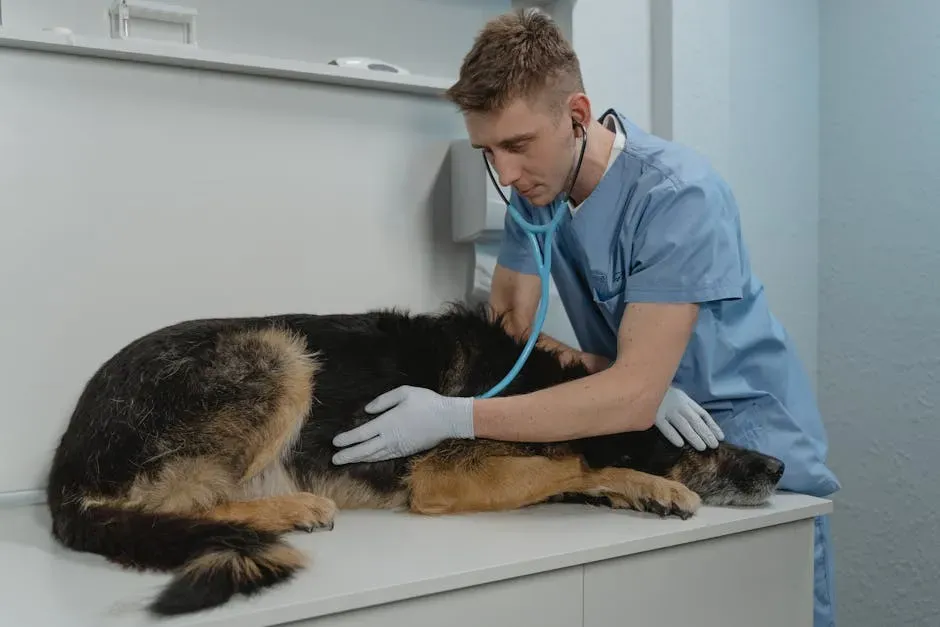
If there is one thing dogs are truly obsessed with, it is consistency. Not grand gestures. Not weekend adventures. Just the reliable, unglamorous showing up, every single day. Dogs thrive on routine, and their favorite humans often play a consistent role in their daily lives. Whether it’s regular feeding times, walks, or play sessions, dogs appreciate stability and predictability. A human who reliably participates in these routines becomes an essential part of a dog’s life, reinforcing their bond.
Gaining a dog’s trust is essential. When dogs feel safe and protected around an individual, they tend to show more affection and loyalty towards them. Trust, honestly, is the whole game. It’s not dramatic. It’s not about being the loudest or the most exciting presence in the room. It’s about being the person your dog can count on to show up, be steady, and never give them a reason to feel uncertain.
The healthiest, most well-adjusted pets typically form strong but flexible bonds with multiple family members. It’s actually a sign of good socialization when your dog can feel secure enough to bond with different family members and maintain multiple “favorite” humans for different activities. So if you’re not your dog’s absolute number one, don’t spiral. A dog that loves everyone deeply is a dog that has been raised with warmth and confidence.
Conclusion: You Can Earn Your Dog’s Heart, One Honest Moment at a Time
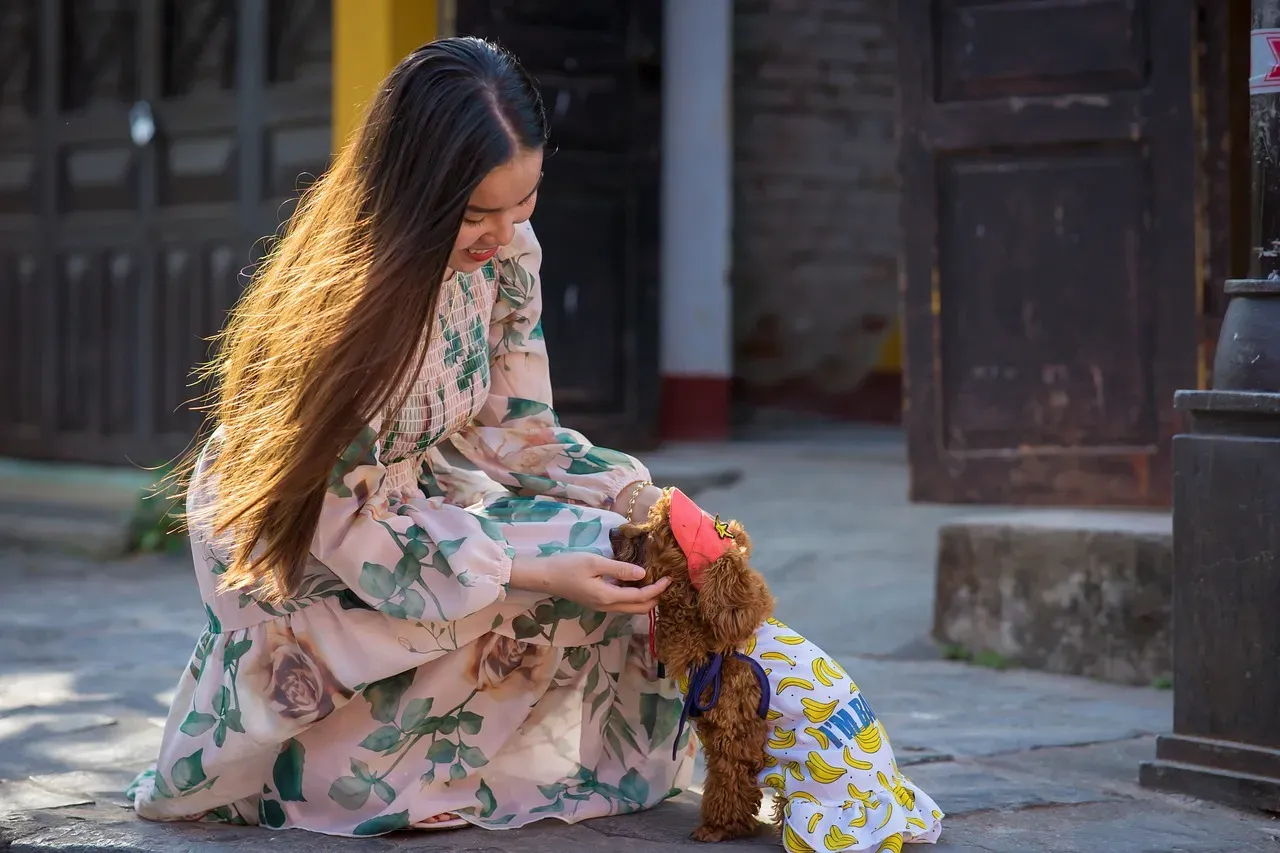
The science behind canine favoritism is both humbling and inspiring. Your dog is not a passive recipient of whoever happens to fill the bowl. The process of how dogs choose their favorite person involves multiple factors including early socialization experiences, quality of attention received, positive associations formed, and personality compatibility between dog and human. They are quietly, constantly observing you. Reading your body. Sensing your mood. Filing away every warm interaction and every moment of patience you offered.
The beautiful thing is this: it’s never too late to strengthen the bond. Dogs, regardless of age, can develop new bonds and preferences based on experiences and interactions. Slow down. Get on the floor with them. Put your phone away during a walk. Let them lean against you during a thunderstorm without pushing them off.
Your dog isn’t asking for perfection. They are asking for presence. And in their eyes, the human who truly shows up, again and again, with warmth and steadiness and joy, that person becomes everything. What kind of human do you want to be for your dog? Tell us in the comments.


