
You come home after a long day. The trash is overturned, a pillow is destroyed, and right there in the middle of the mess sits your dog, looking up at you with the most tragically innocent face you’ve ever seen. Sound familiar? Most dog owners have been in that exact moment, wondering, “Is my dog actually sorry right now?”
Here’s the thing. Dogs absolutely cannot say “I’m sorry” the way we do. No words, no notes, no awkward hugs. Yet somehow, they manage to communicate remorse in ways that feel completely real, deeply touching, and occasionally irresistible. The science behind how they do it is fascinating. Let’s dive in.
The “Guilty Look” Is More Than Just a Cute Face
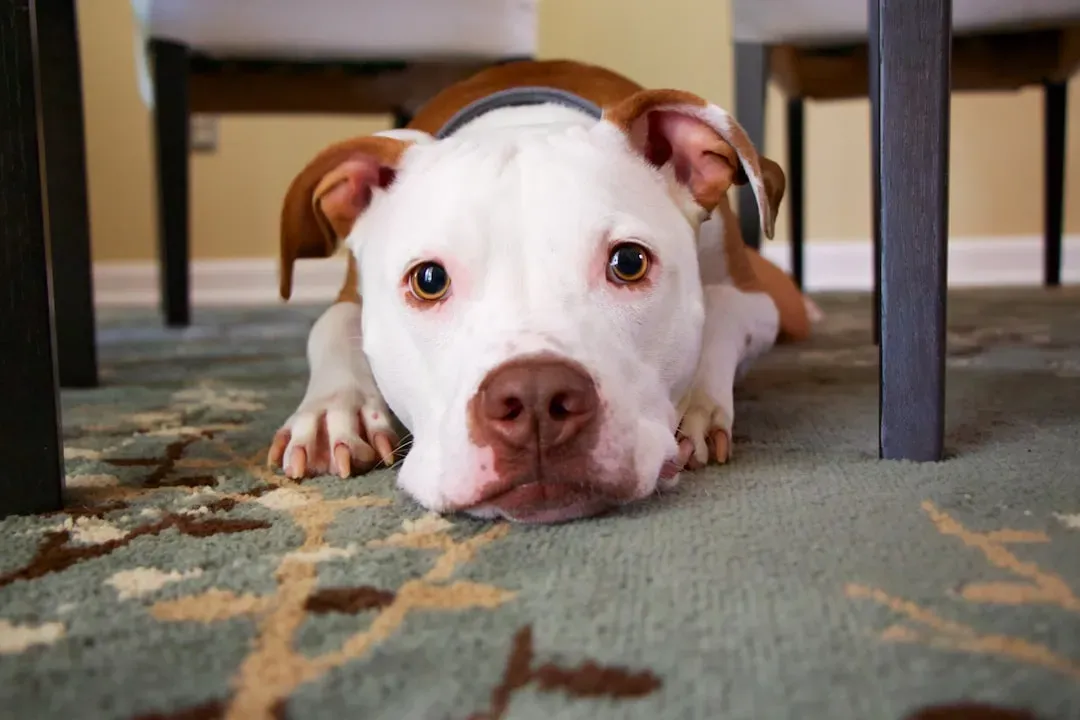
That wide-eyed, head-tilted, ears-back expression your dog gives after misbehaving? It’s not random. When a dog feels guilty or sorry, you may observe submissive posture where the dog lowers its body, tucks in its tail, and avoids direct eye contact, a submissive gesture indicating that they recognize they have done something wrong. It’s essentially their version of looking sheepish.
According to applied animal behaviorist Dr. Mary R. Burch, when a dog displays guilt for a misdeed such as nibbling on shoes or soiling the couch, the dog has probably committed the offense before and received a negative response, like a cold shoulder or reprimand. The dog may then use submissive body cues to try to placate you. Think of it like a toddler who already knows they’re in trouble before you even say a word.
Studies show that dogs express apologetic gestures because of the reaction they get from their owners. When you react, your dog knows it has done something wrong. So that “guilty face” is actually a survival-smart, socially aware response, which, honestly, makes it even more impressive.
The Tucked Tail and Lowered Head Are Dog Sign Language
In the wild, dogs and their relatives like wolves rely on a complex system of body language and submission signals to maintain harmony within the pack. These behaviors have evolved into the ways modern domestic dogs try to soothe situations or express regret with their humans. The tucked tail and lowered head are direct descendants of that ancient communication system.
Lowering the head or body is a classic submissive gesture that makes the dog appear smaller and non-threatening, while a tail tucked between the legs shows nervousness and remorse. Dogs may also look away to show they aren’t challenging you. It’s their full-body way of saying, “Please don’t be mad. I really didn’t mean it.”
Dogs that feel intimidated or uncertain will try to make themselves look smaller and less threatening, which might involve tucking their tail, tucking their ears back, crouching low and moving like they’re slinking around. If you’ve ever seen your dog do this slow, sneaky approach after mischief, now you know exactly what’s going on.
Licking, Pawing, and Nuzzling: Their Most Heartfelt Apologies
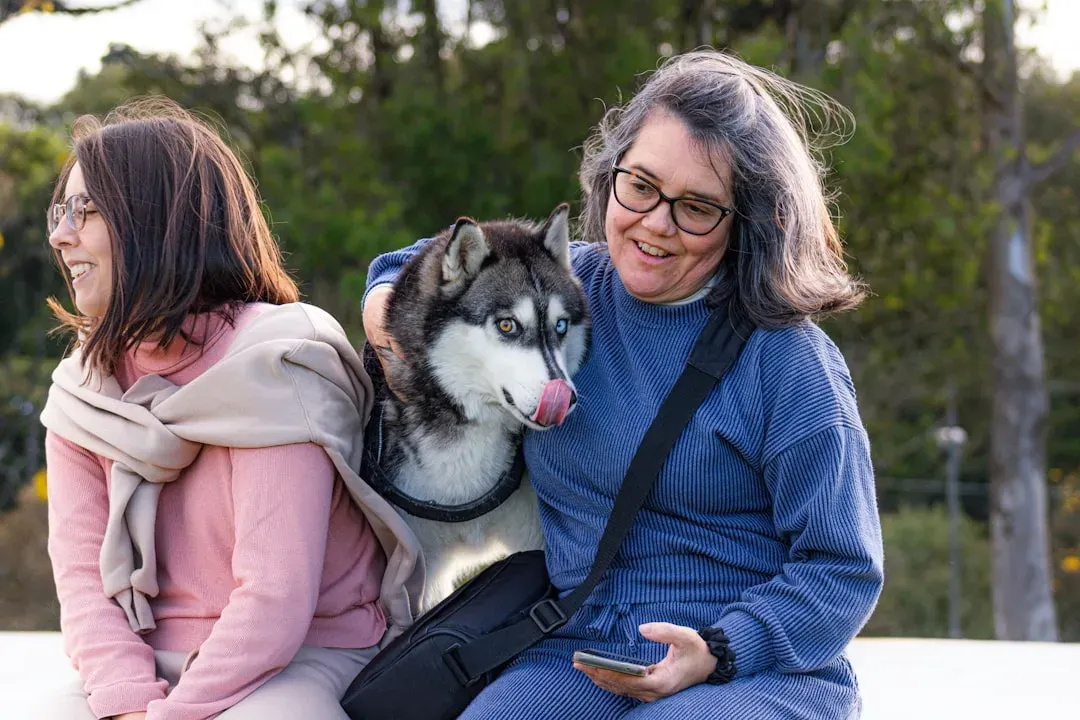
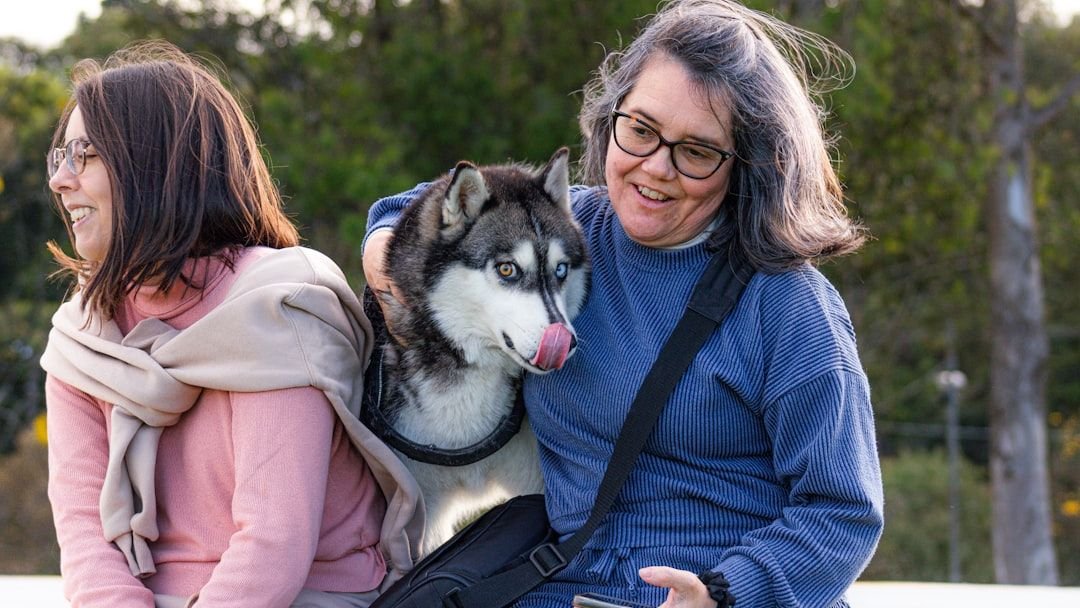
Dogs who are trying to apologize tend to lick their fur, their nose, or even your face, hands, or feet. After a mistake, dogs will do this gesture on themselves to express their nervousness and awareness of their misdeed. When they do it to you, it is a sweet gesture to soothe you and reduce the tension. Honestly? I find this one the hardest to stay annoyed at.
A study has shown that licking releases endorphins in a dog’s brain, making dogs and their owners feel calmer and more relaxed. It’s also their way of trying to mend the bond between the two of you, show affection, and reinforce their loyalty despite their mistake. That little lick on your hand isn’t just cute. It’s biochemically bonding.
By putting their paw on your arm, lap, or leg, they’re acknowledging their mistake and asking for reassurance that you still love them even after a misdeed. It’s the canine equivalent of a gentle tap on the shoulder. Small gesture, enormous meaning.
The Belly Roll: Their Most Vulnerable Move
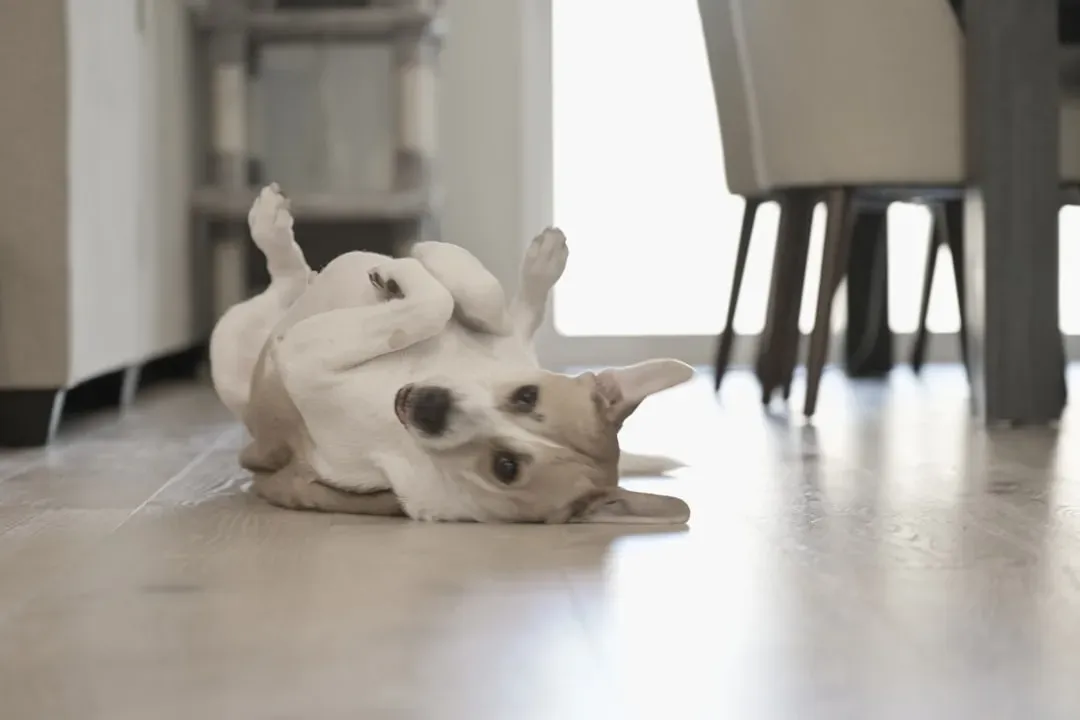
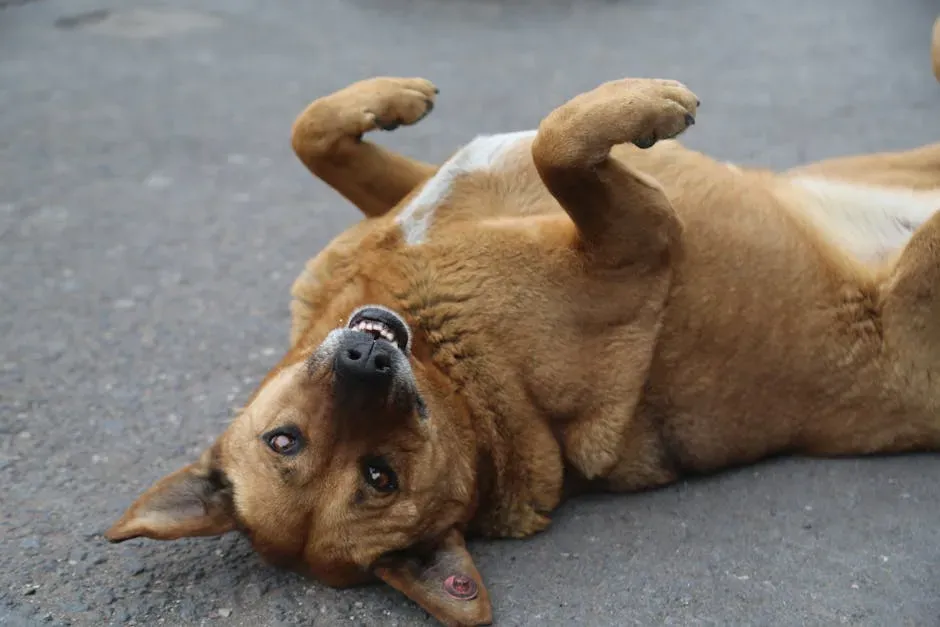
For many dogs, exposing their belly is a very vulnerable posture. Because their abdomen is an easy target for attacks, they only do this in front of people they completely trust. So when your dog flips over after a scolding, they’re doing something remarkably brave in the dog world.
Dogs have quite a few submissive behaviors they may use to apologize, and one of the most common is rolling onto their back to expose their belly. This puts the dog into a very vulnerable position, indicating that they’re allowing their person to have control over the situation, showing your pup recognizes they may have done something wrong and wants to smooth things over.
It’s worth noting, though, that context matters a lot here. While rolling onto their back can be an invitation for belly rubs, it can also be an appeasement gesture, with the dog signaling they want to avoid conflict. Pay attention to the dog’s overall body language to determine if the gesture is relaxed or nervous. A wagging tail alongside the belly roll usually means they’re feeling okay about it all.
Do Dogs Actually Feel Guilt, or Are They Just Reading You?
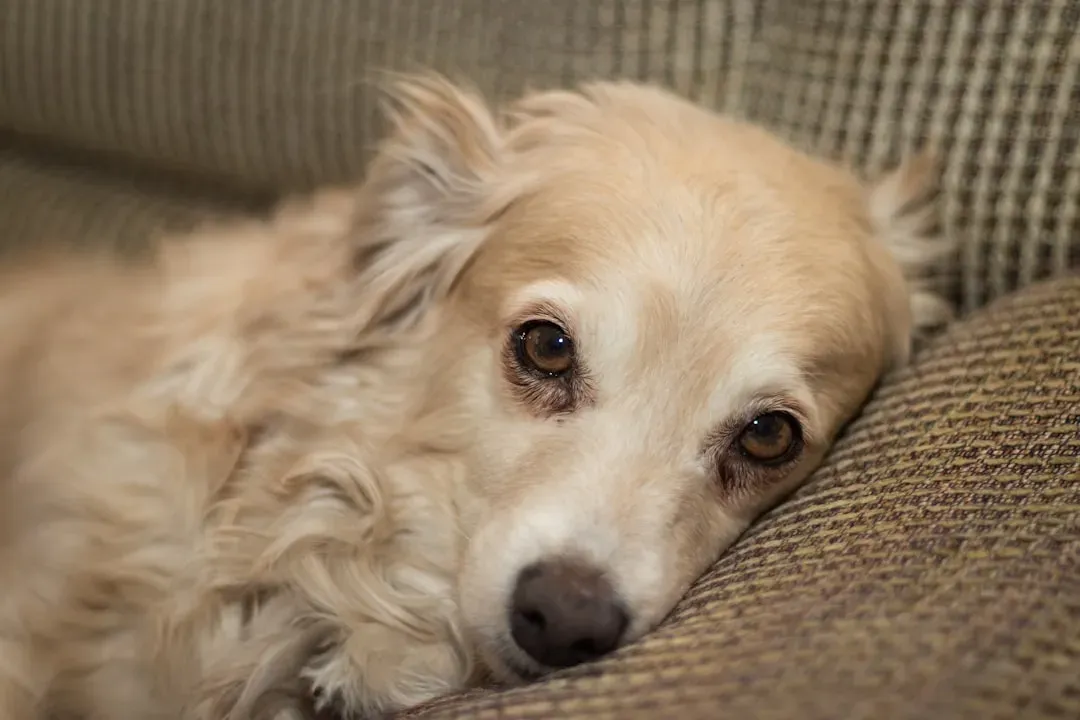
This is, I think, the most fascinating part of this whole topic, and it splits even experienced dog people right down the middle. Dogs don’t apologize in the way humans do with verbal apologies, but they do have ways of communicating regret and trying to mend fences after doing something wrong. While it’s debatable whether they truly understand “guilt” in the same way we do, their actions can often be interpreted as attempts to appease their humans and seek forgiveness.
You find out your dog has gotten into the trash can and gives you what you think is a guilty look. In reality, they are often responding to your raised voice and angry tone with an appeasement gesture because they are extremely uncomfortable. It’s a subtle but important distinction. They may not know what they did wrong, but they definitely know you’re upset.
Appeasement signals are behavioral patterns displaying an animal’s non-aggressive attitude and are hypothesized to reduce aggressive behaviors in the receiver. In domestic dogs, specific displacement behaviors have been suggested to function as appeasement signals. The science actually backs up what dog owners have felt intuitively for years. These gestures are real, purposeful, and deeply social.
How to Respond When Your Dog Apologizes
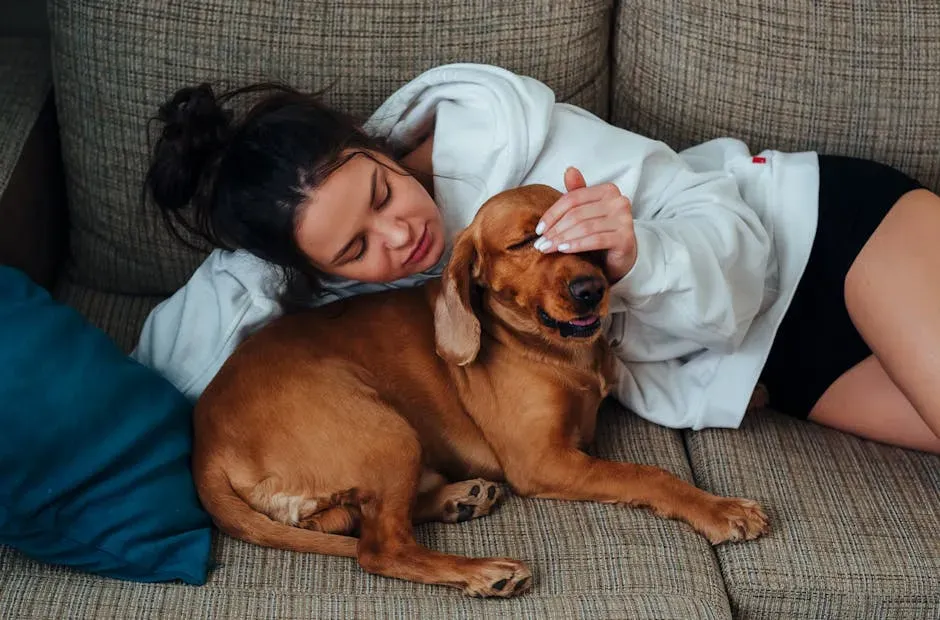
Here’s something that often gets overlooked: your response matters just as much as your dog’s apology. If your dog exhibits apologetic behaviors, it’s a signal to de-escalate. Reassure them with calm energy and positive interaction. Avoid yelling or prolonged scolding, which can create fear and anxiety without effectively changing behavior.
Responding to a dog’s apology is key to maintaining a great relationship with them. Since they communicate differently and process guilt and remorse differently from us, understanding this is crucial to responding with compassion rather than punishment. A gentle tone, a soft touch, and a calm demeanor go a long way.
To reduce the likelihood of behavioral issues, reinforce a loving and structured environment. Consistent training using positive reinforcement builds your dog’s confidence and understanding of acceptable behavior. Dogs that feel secure are less likely to act out and more adept at communicating their needs appropriately. Prevention, as always, is the kindest form of care.
A Final Thought Worth Keeping
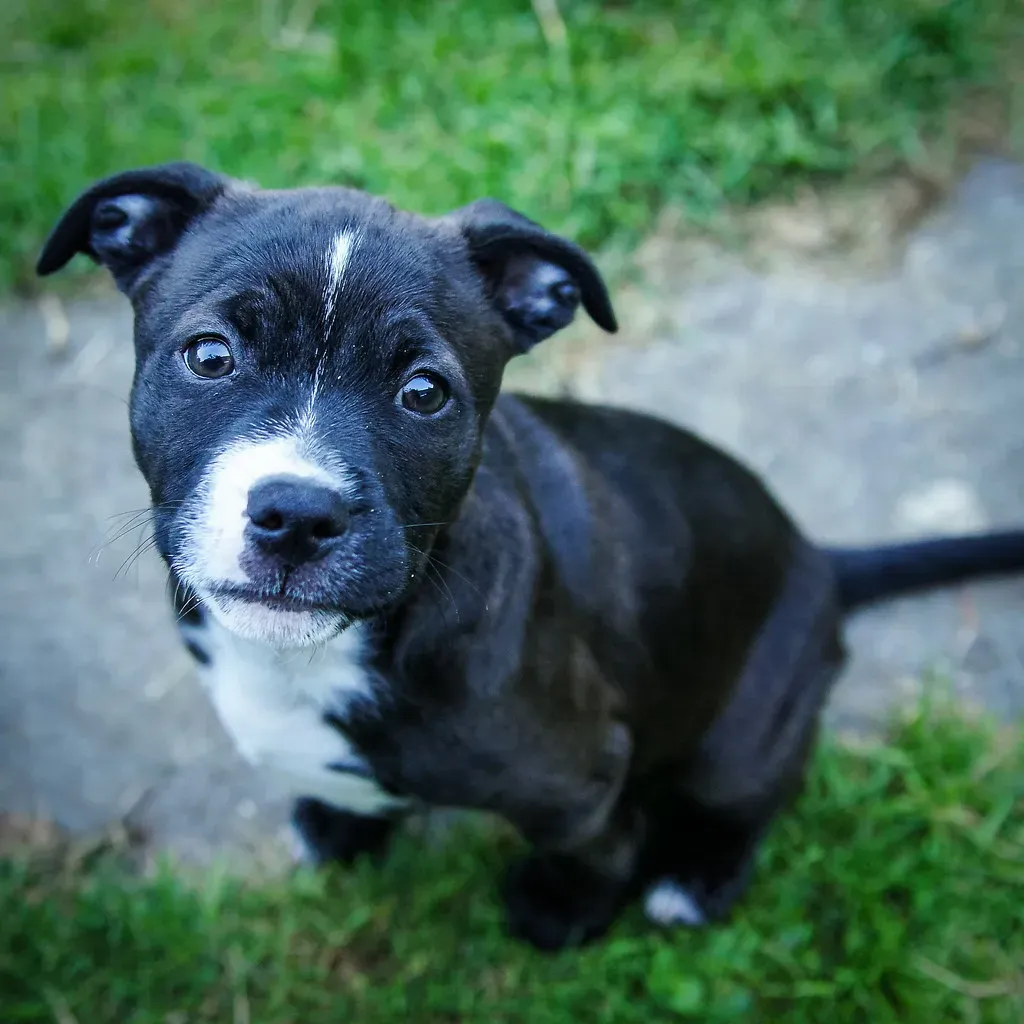
There is something quietly beautiful about the way dogs attempt to make things right with us. No grand explanations, no blame-shifting, no excuses. Just a lowered head, a gentle paw, and those impossibly soft eyes asking for peace. Dogs may not use words, but their actions speak volumes. Through subtle body language and strong social instincts, dogs show when they’re seeking forgiveness or aiming to mend a moment of tension.
Learning to read these signals doesn’t just help you understand your dog better. It deepens the trust between you, builds a safer and calmer home, and honestly, makes the whole relationship feel a little more like a true partnership. Your dog is always talking to you. The question is whether you’re listening.
So the next time your pup slinks over with those puppy eyes after a couch cushion catastrophe, maybe lean in, give them a gentle pat, and call it even. They’re trying. That counts for something. What’s the most unforgettable “apology moment” your dog has ever given you? Share it in the comments, because honestly, we could all use more of those stories.


