
Dog ownership is a beloved aspect of life across America, but the experience of having a dog can differ vastly depending on whether you live in a sprawling countryside or a bustling city. Both environments offer unique challenges and benefits for dog owners. This article explores these differences, from the space available for dogs to run and play, to the types of breeds that are most popular in each setting. Whether you’re a city dweller or reside in a rural area, understanding these nuances can enhance your dog-owning experience.
Space and Environment: Room to Roam or Cozy Quarters?

In rural America, dogs often have the luxury of wide-open spaces to explore. Farms and large backyards provide ample room for dogs to run freely and engage in activities that fulfill their natural instincts. This environment is particularly suited to larger breeds that require plenty of exercise, such as Labradors and German Shepherds. The countryside often allows for off-leash adventures, which is a dream come true for many active dogs and their owners.
In contrast, urban environments typically offer less space, which can be a limitation for larger breeds. City dwellers often rely on dog parks or organized playdates to ensure their furry friends get enough exercise. Apartments and smaller homes with limited outdoor space mean that urban dogs might spend more time indoors. However, urban dogs often become well-socialized due to regular interactions with other dogs and people in shared spaces like parks and streets.
Popular Breeds: Size Matters

The type of dog a person chooses to own can be heavily influenced by their living environment. In rural areas, larger breeds are often favored. These dogs not only have the space to thrive but can also serve as working animals on farms or as guardians of the property. Breeds like Border Collies, Great Pyrenees, and Australian Shepherds are popular choices in the countryside.
Meanwhile, urban dog owners tend to gravitate towards smaller breeds. Dogs like French Bulldogs, Dachshunds, and Pugs are often seen trotting alongside their city-dwelling owners. These breeds are better suited to apartment living and require less space to be comfortable. Smaller dogs are also easier to transport on public transportation, which is a key consideration for urban residents.
Access to Veterinary Care: The Urban Advantage

One of the significant advantages of living in an urban area is the easy access to veterinary care. Cities are typically home to numerous veterinary clinics and animal hospitals, making it convenient for pet owners to seek medical attention for their dogs. This accessibility ensures that urban dogs can receive regular check-ups and prompt treatment when needed.
In rural areas, however, veterinary services may be more sparse. Dog owners might have to travel significant distances to reach the nearest clinic. This can delay routine care and make emergency services less accessible. Despite this, rural veterinarians often offer more personalized services and may have a stronger understanding of farm and working dog needs.
Socialization: City Dogs versus Country Dogs

Urban dogs often have the advantage of frequent socialization opportunities. Regular trips to dog parks and the hustle and bustle of city life expose them to a variety of people and other dogs. This constant interaction can lead to well-socialized pets that are comfortable in diverse settings. City dogs are often accustomed to loud noises, crowds, and various environments, making them adaptable companions.
Conversely, rural dogs might have fewer daily interactions with strangers or other pets. Their social lives may consist mostly of family members and occasional visitors. While this can result in a more relaxed and less anxious dog, it can also lead to limited social skills. Rural dog owners may need to make a concerted effort to socialize their pets through visits to towns or participation in community events.
Leisure Activities: From Hiking Trails to Dog Cafés
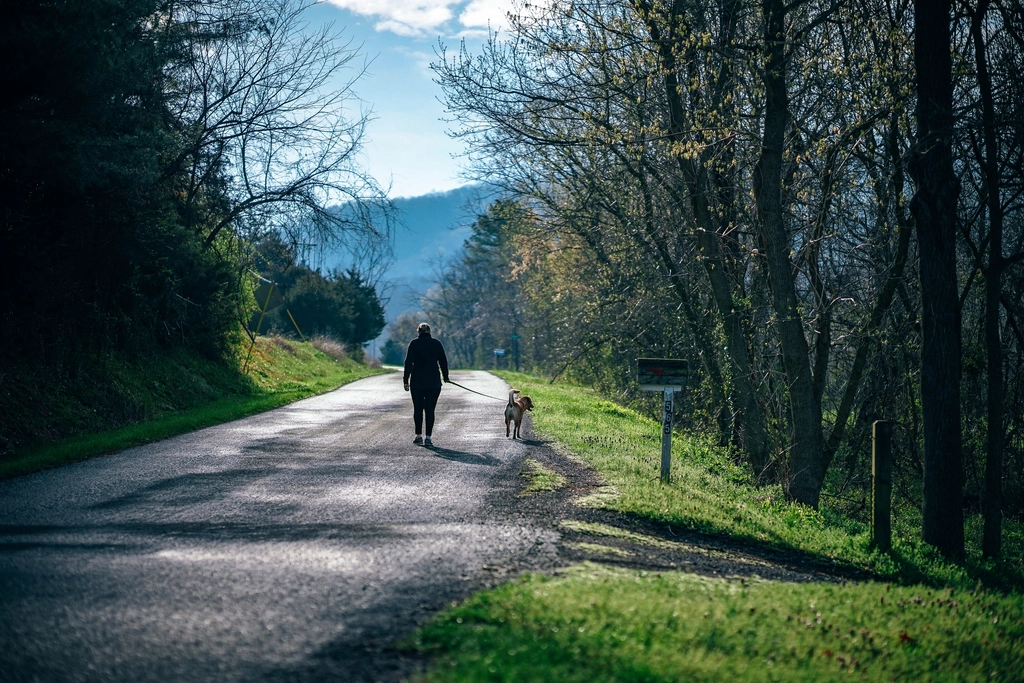
For rural dog owners, leisure activities often involve nature and outdoor adventures. Hiking, swimming in natural bodies of water, and exploring fields are common pastimes for dogs living in the countryside. These activities provide both exercise and mental stimulation, allowing dogs to engage with their environment in a fulfilling way.
Meanwhile, urban dog owners might indulge in more structured activities. Dog cafés, agility classes, and urban hiking trails offer city dogs a chance to explore and enjoy their surroundings. Additionally, the presence of pet-friendly shops and restaurants in urban areas allows for dogs to accompany their owners on various errands and outings, integrating them into daily life.
Community and Support: The Role of Dog Owner Networks
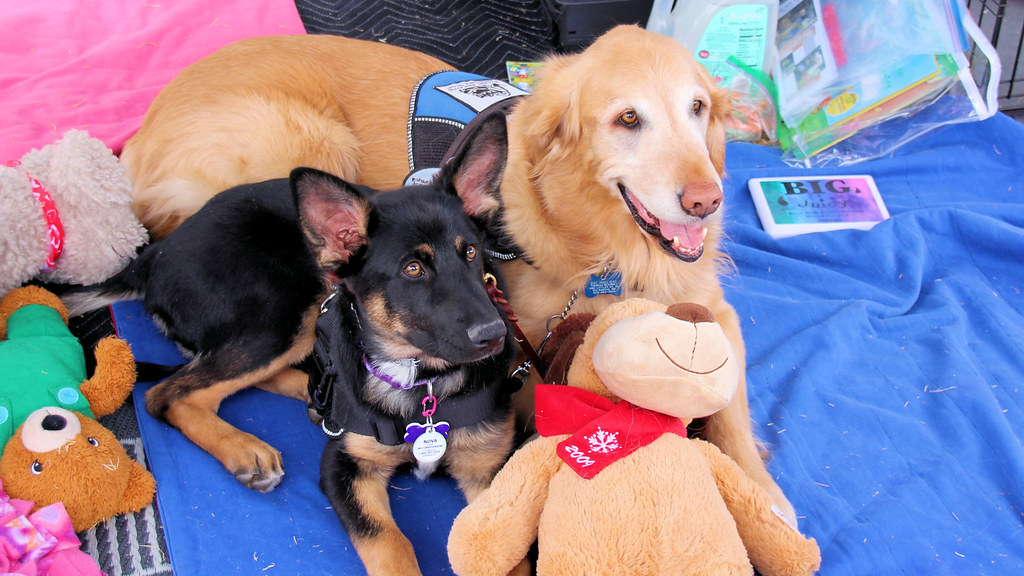
In cities, dog owners often benefit from a robust community network. Dog clubs, meet-up groups, and social media platforms connect urban pet owners, allowing them to share tips, organize playdates, and support each other. This sense of community can be invaluable for new dog owners or those facing challenges with their pets.
Rural dog owners may not have the same level of organized community support, but they often rely on close-knit neighborhood connections. In many rural areas, a sense of camaraderie exists among residents, leading to informal support systems where advice and help are readily available. This can foster strong relationships and a deep sense of trust among dog owners.
Cost of Ownership: City Bills versus Country Expenses

The cost of owning a dog can differ significantly between urban and rural areas. Urban living often comes with higher expenses related to pet care, including grooming, veterinary services, and supplies. Additionally, city dwellers may need to budget for dog walkers or pet sitters due to demanding work schedules.
In contrast, rural dog owners may face lower costs in some areas, such as housing and land. However, they might incur additional expenses for transportation to veterinary clinics or specialty pet services. The type of lifestyle and the specific needs of the dog can greatly influence the overall cost of ownership in either setting.
Conclusion

In summary, dog ownership in rural and urban America offers distinct experiences shaped by environment, lifestyle, and resources. Understanding these differences helps dog owners make informed decisions about the care and well-being of their pets, ensuring that both dogs and humans can thrive in their chosen settings. Whether surrounded by city lights or open fields, the bond between humans and dogs remains a cherished aspect of life across the nation.


