

Picture Margaret, an 82-year-old widow living alone in her quiet suburban home. After her husband passed away last year, she rarely left the house except for necessary errands. The silence was overwhelming until her daughter brought home Scout, a gentle golden retriever. Everything changed in ways Margaret never imagined. This story echoes across millions of homes where older adults discover something profound: dogs don’t just provide companionship, they offer a lifeline against the isolation that haunts so many in their golden years.
Research shows that pet owners are significantly less likely than non-pet owners to report loneliness, with studies indicating that a substantial portion of adults aged 75 and older experience major feelings of loneliness. The bond between dogs and their older human companions runs deeper than simple companionship. It’s a therapeutic relationship that transforms daily routines, restores purpose, and rebuilds connections to the world outside. Let’s explore how these four-legged companions are quietly revolutionizing senior well-being.
The Science Behind the Bond
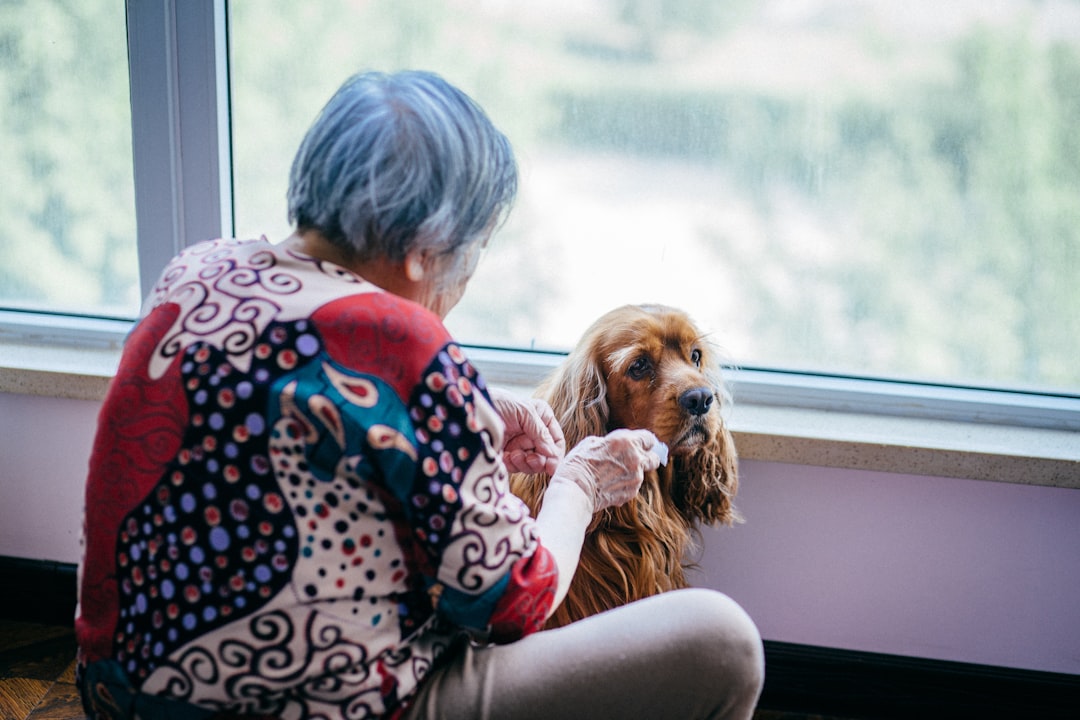
Something magical happens when older adults interact with dogs. Research has shown that interacting with pets and therapy dogs can benefit both mental and physical well-being, with studies finding pets can help people better manage stress and anxiety.
The connection goes beyond emotional comfort. Petting a dog physiologically releases the body’s natural endorphins, which can positively impact stress levels, while studies show that spending time with animals can lower blood pressure, decrease stress levels, and even boost immunity.
Loneliness affects a significant percentage of noninstitutionalized older adults and is linked to significant health threats, potentially more dangerous than obesity, with those suffering from it susceptible to higher rates of heart disease, weakened immune system, anxiety, depression, and increased risk of death. Dogs provide a scientifically-backed antidote to these devastating effects.
Creating Structure and Purpose in Daily Life
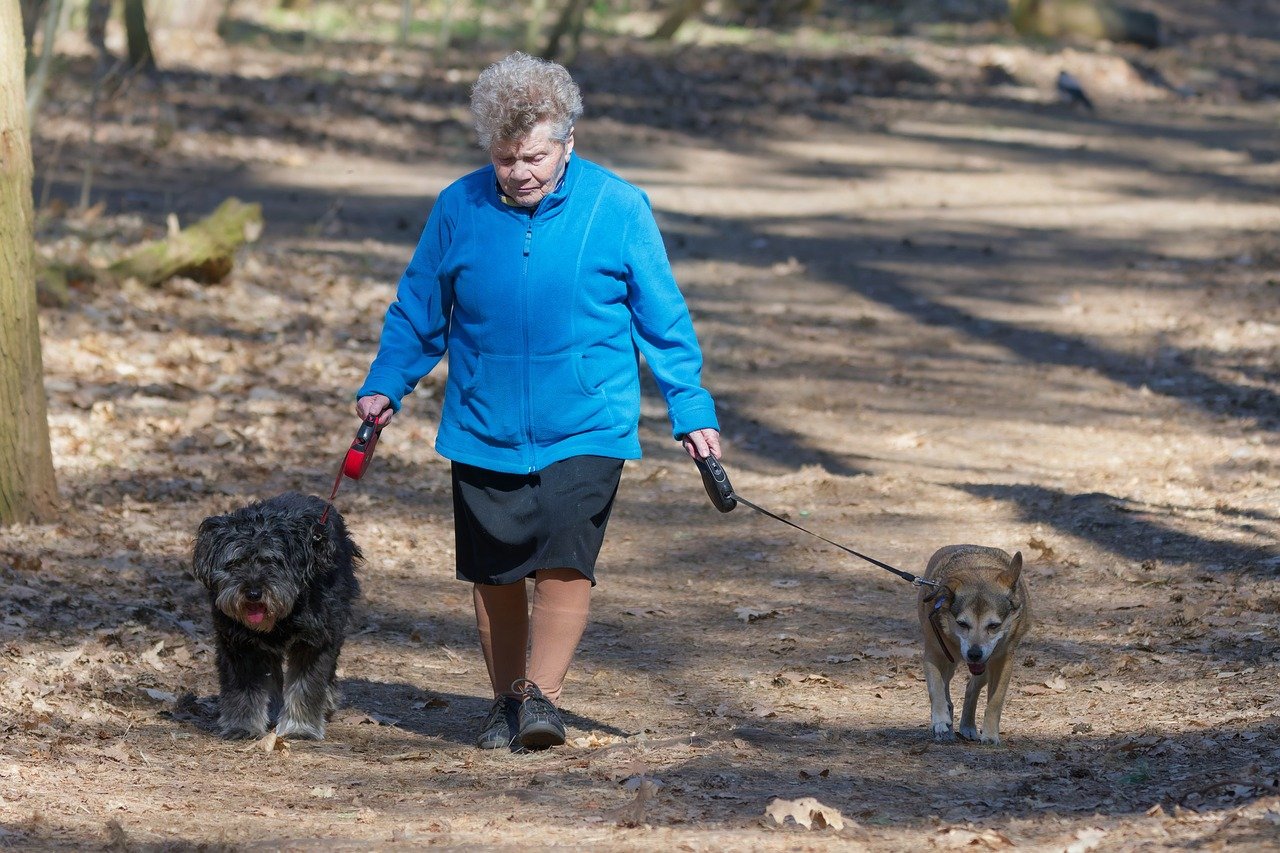
Dogs give their days a certain structure with fixed times for meals and walks, providing elderly people with the feeling that they have a purpose and responsibility towards someone, giving certain meaning to their lives since caring for a dog means great responsibility.
This daily structure proves invaluable for seniors who may have lost the routine that work or family responsibilities once provided. Morning feedings, regular walks, grooming sessions, and playtime create predictable anchors throughout the day. The daily care needs of pets establish a routine for older individuals and provide a sense of purpose, while the requirement for routine care associated with pets can promote physical activity, which is beneficial for both mental and physical well-being.
The responsibility isn’t burdensome; it’s liberating. Instead of endless empty hours, seniors find themselves needed again. Every tail wag becomes confirmation that they matter, that their care makes a tangible difference in another living being’s happiness.
Walking Away from Isolation
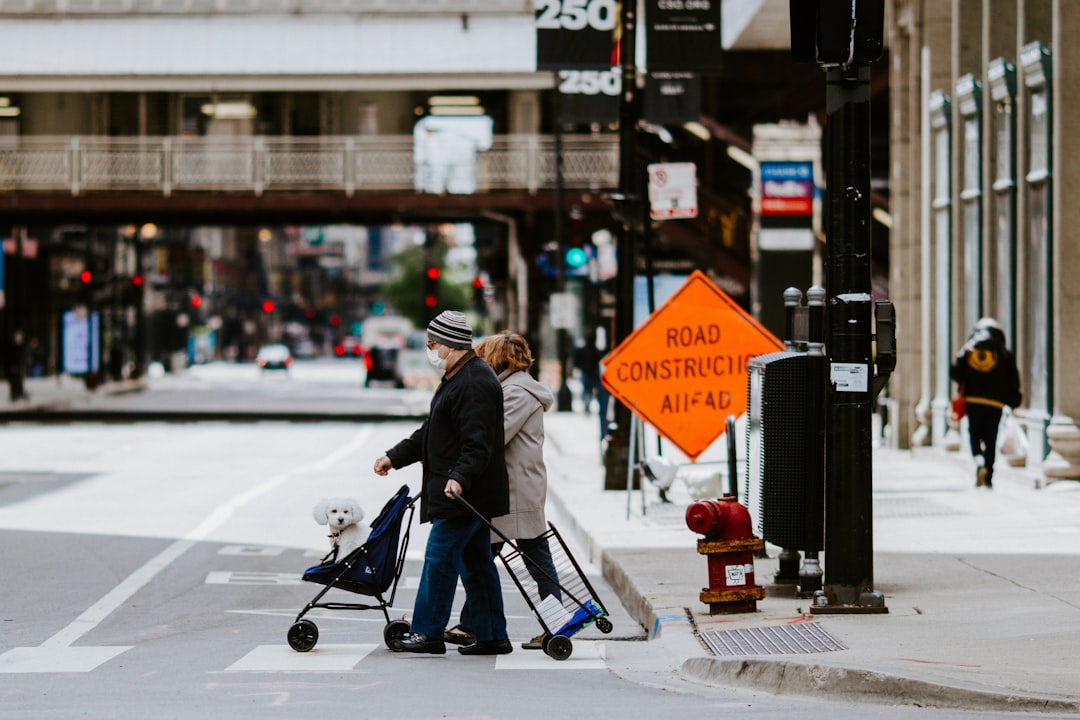
Perhaps no single activity transforms senior loneliness more dramatically than dog walking. Dog walking encompasses a social component since it may be an opportunity to socialize and increase the sense of community, with social interaction benefits being a key component for walking the dog, particularly for more isolated or lonely older adults.
Dog walking provides ample opportunities for social interaction, with walking a dog in the neighborhood often leading to casual conversations with other pet owners, providing a sense of belonging and community. These seemingly simple exchanges matter enormously. A brief chat about breeds or training tips can be the highlight of someone’s day.
Dog owners who are socially isolated may be motivated to walk their dogs, offering several downstream positive effects likely to reduce loneliness such as increased physical activity, improved mental health, and increased opportunities for social interactions, with the moderating influence suggesting that social aspects of dog walking may be more important than physical activity aspects when it comes to psychological wellbeing. The dog becomes an ice-breaker, making conversations natural and stress-free.
Physical Health Benefits That Matter
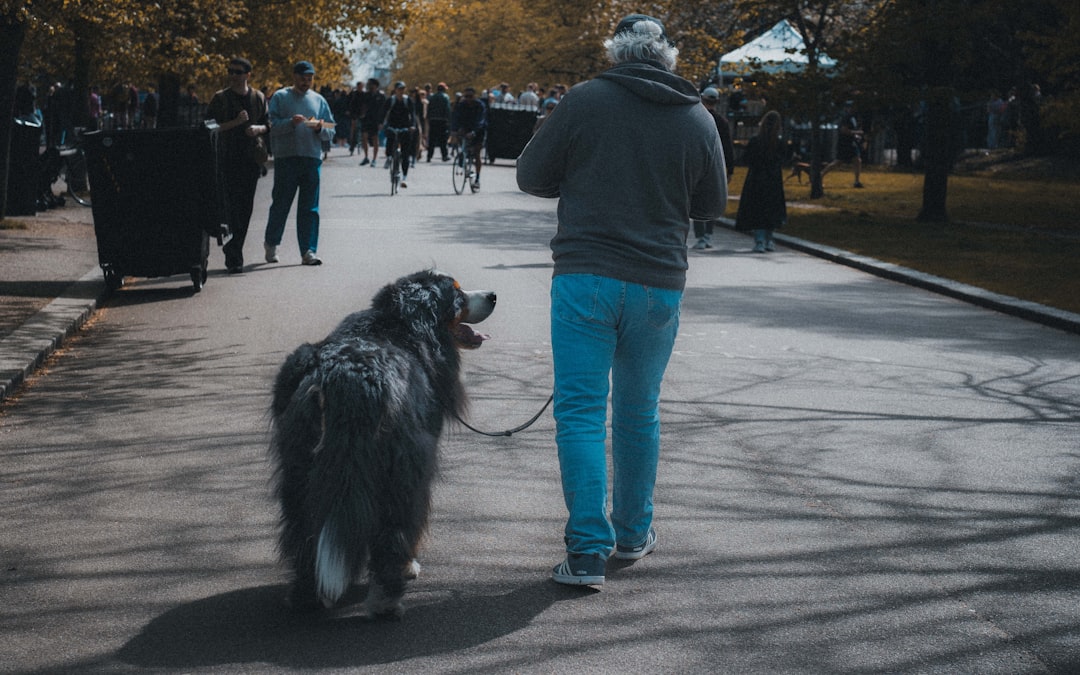
Dog walking is associated with lower body mass index, fewer doctor visits, more frequent exercise and an increase in social benefits for seniors, with results showing that dog ownership and walking were related to increases in physical health among older adults.
Regular walks address multiple health concerns simultaneously. Regular walking helps maintain cardiovascular health, strengthens muscles, and improves joint flexibility, while for seniors who may be more prone to falls and fractures, maintaining a routine of light exercise like walking can improve balance and coordination.
Regular walks with a dog provide necessary cardiovascular exercise for seniors, helping to maintain a healthy heart and increase mobility, while therapy dogs may help lower heart rate or blood pressure when they’re in your presence. The physical benefits compound over time, creating a positive cycle where improved mobility enables more social interaction, which further enhances mental well-being.
The Emotional Support That Never Judges
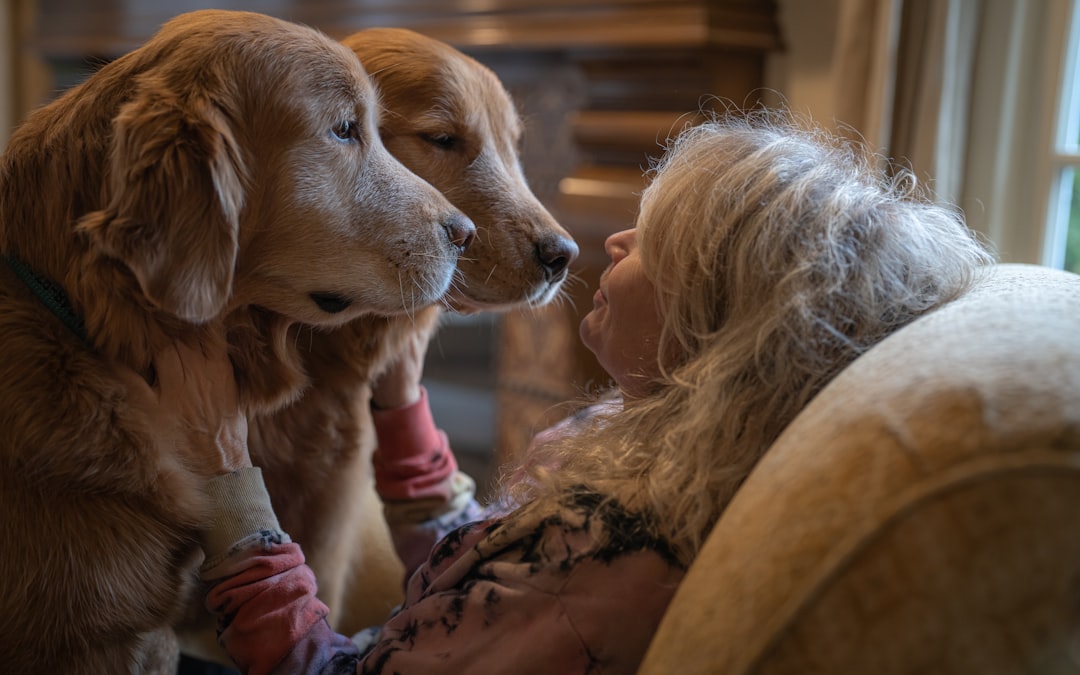
Dogs offer something increasingly rare in our complex world: unconditional acceptance. Pets provide companionship and emotional support, delivering a sense of unconditional love and acceptance which is key for those battling depression.
Dogs love almost everyone without prejudice and eliminate the language barrier, while they offer physical contact with another living creature, something that is often missing in an elder’s life. This non-judgmental presence becomes particularly precious for seniors who may feel invisible or burdensome to others.
The companionship and unconditional love that pets offer can significantly reduce feelings of loneliness and isolation in seniors, with the unconditional love and loyalty of a pet greatly improving emotional well-being and offering a sense of purpose and meaning in their lives. Dogs don’t care about age, appearance, or past mistakes. They live fully in the present moment, teaching their human companions to do the same.
Breaking Through Communication Barriers
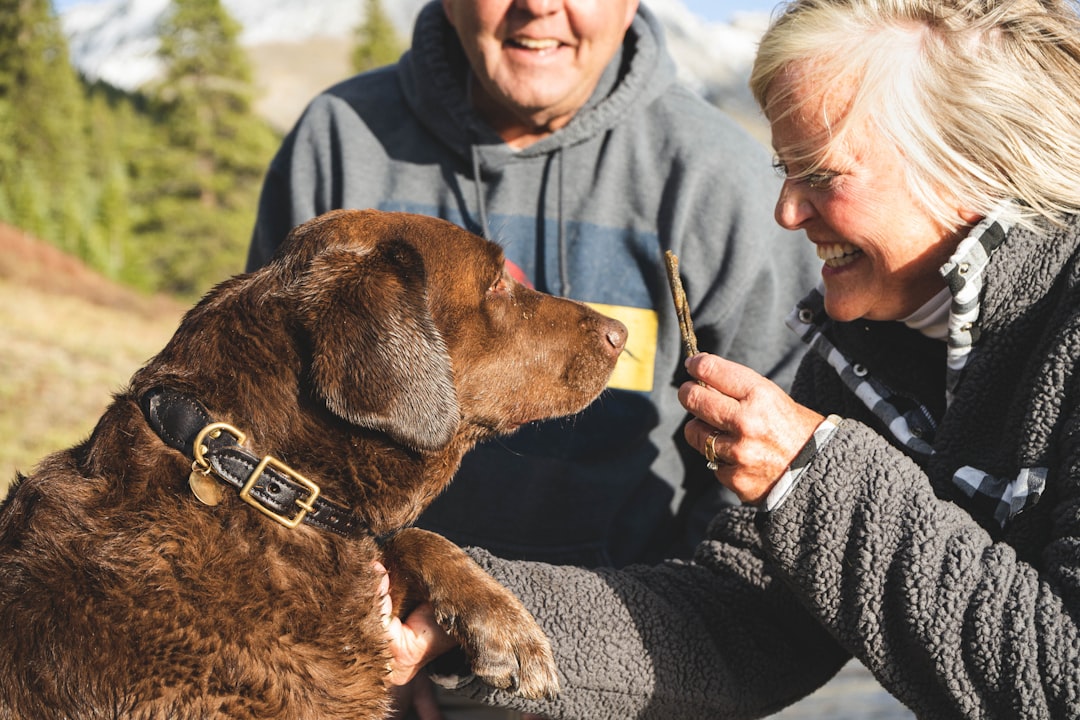
Talking to animals has psychological benefits, as communicating with animals can be amusing, cathartic, and healing, especially important for older adults who are quiet and solitary.
Many seniors struggle with decreased social interaction, but dogs provide a safe starting point for communication. Interacting with animals inevitably calls for some type of verbal speech, and such human-to-animal verbalization may, in turn, facilitate more human-to-human speech.
Multiple pet owners identify how pets provide social lubrication, such that pets provide a topic of conversation or an impetus to stop and talk, with one dog owner noting “Walked dog, stopped for pats and chats. Spoke with neighbour while they patted the dog.” The dog becomes a conversation bridge, helping seniors reconnect with neighbors and strangers alike.
When Professional Help Meets Furry Friends

Therapy dogs uniquely contribute to the amelioration of loneliness in hospitalized older adults and support the potential of animal-assisted interventions as adjunctive therapy, with research showing therapy dogs used in hospitals can improve patient well-being and decrease anxiety, loneliness and depression.
Professional therapy dog programs are expanding rapidly in healthcare settings. While nursing homes historically restricted animals, many now have pet therapy programs. These programs provide structured interaction for seniors who cannot own pets themselves.
The implementation and success of pet therapy could have great emotional and social impact, bringing relief to patients and their family members, while pet therapy can bring a range of benefits to seniors, including physical, emotional, and cognitive improvements. Even brief interactions with therapy dogs create lasting positive effects, demonstrating the remarkable power of human-animal connections.
Dogs offer older adults something our technology-driven world often overlooks: genuine, uncomplicated connection. They don’t require updates or troubleshooting, just consistent care and affection. In return, they provide structure, purpose, social opportunities, physical activity, and unwavering companionship. For seniors facing the reality of loneliness, dogs don’t just ease the burden – they transform the entire experience of aging. The evidence is clear: these remarkable animals aren’t just pets; they’re partners in creating fuller, more connected lives. What do you think about the role dogs could play in your own or a loved one’s journey through the golden years? Tell us in the comments.


