

There’s a moment many dog owners know well. You haven’t said a word. You haven’t moved dramatically. You’re just sitting there, heart heavy after a rough day, and your dog quietly walks over, presses their warm body against yours, and stays. No command. No cue. Just presence. It feels like magic. Honestly, it kind of is.
The truth is, your dog is reading you constantly. Not your words. Your energy. The way you breathe, how you hold your shoulders, what your skin smells like, even the tiny flicker across your face. Dogs are remarkably wired to tune into all of it, and science is only now beginning to catch up to what dog lovers have felt in their bones for centuries. What they’ve discovered is both fascinating and a little humbling.
So let’s dive in, because understanding how your dog reads your energy without a single word being spoken might just change the way you show up for them every single day.
Your Body Is a Billboard Your Dog Can Always Read
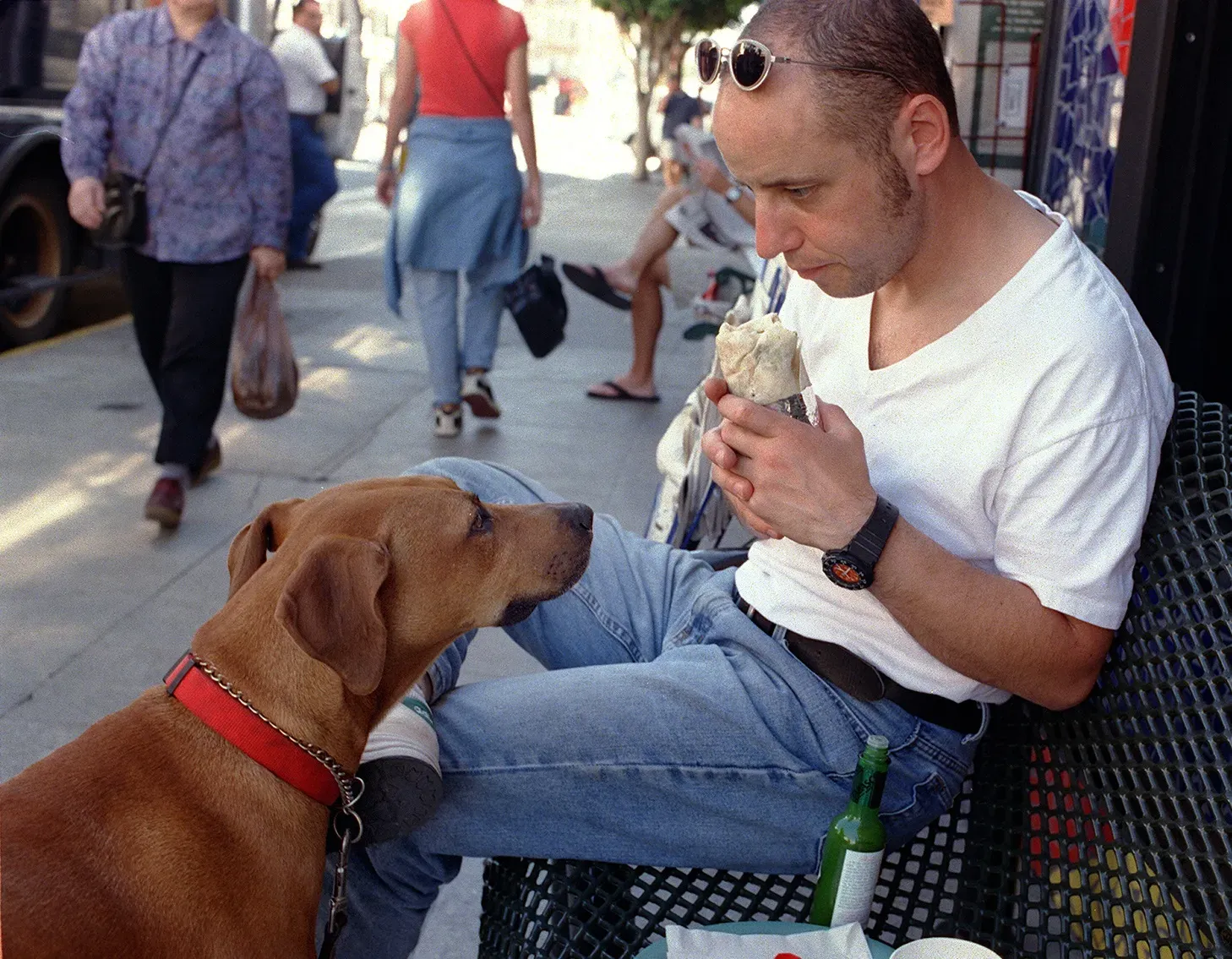
Think about it this way: your posture is like a neon sign broadcasting your internal state. Dogs are masters of nonverbal communication. In fact, they may rely on body language more than words. Crossed arms and rigid posture may signal stress or defensiveness, while a relaxed stance communicates safety. Your dog clocks all of this before you’ve even opened your mouth.
When it comes to sensing our emotions, a quick glance at our posture, gait, and mannerisms tells dogs everything they need to know about our current mood. Dogs are so good at reading our body language that they beat out wolves, chimps, and three-year-old children in social cognition experiments. Let that sink in for a second. Your pup isn’t just guessing, they are genuinely skilled at this.
Dogs frequently mirror the emotional energy behind movement. When owners move calmly, dogs tend to respond with calmer behavior. So if you’ve ever wondered why your dog gets jumpy right before you rush out the door in the morning, they’re not being dramatic. They’re just reading you perfectly.
The Nose Knows: How Dogs Smell Your Feelings

Here’s something genuinely mind-bending. Your dog doesn’t just see your anxiety. They can literally smell it. When humans experience stress or fear, the body releases hormones such as cortisol and adrenaline that cause subtle changes in scent. A dog’s sense of smell is powerful enough to detect these chemical shifts. It’s not a metaphor. It’s biochemistry.
Dogs have up to 300 million olfactory receptors in their noses, compared to about 6 million in humans. Their sense of smell is approximately 40 times more sensitive than ours. That means your emotional state has a literal fragrance to them. In a 2018 study, dogs exposed to sweat from scared people exhibited more stress than dogs that smelled “happy” sweat. In essence, your anxiety smells unpleasant to your dog, whereas your relaxed happiness can put them at ease.
Dogs can detect hormonal shifts through sweat and breath. That’s one reason your dog may react before you consciously recognize your own stress. Think of your dog as a living, breathing biometric device, one that genuinely cares about the data it collects.
Face to Face: Dogs Are Surprisingly Skilled Emotion Readers
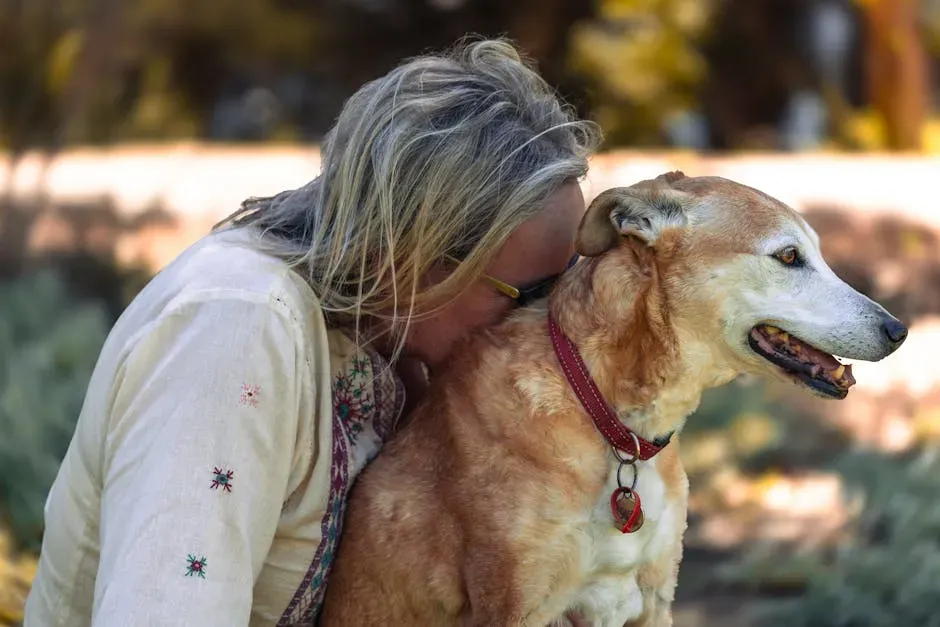
Domestic dogs have tremendously complex abilities to perceive the emotional expressions not only of their conspecifics but also of human beings. This isn’t an accident of evolution. It’s a finely tuned survival skill developed over thousands of years of living alongside us. The connection goes deep into their brains.
Brain scans reveal that emotionally charged sounds, like a laugh, a cry, or an angry shout, activate dogs’ auditory cortex and the amygdala, a part of the brain involved in processing emotions. Dogs are also skilled face readers. When shown images of human faces, dogs exhibit increased brain activity. One study found that seeing a familiar human face activates a dog’s reward centres and emotional centres, meaning your dog’s brain is processing your expressions, perhaps not in words but in feelings.
Dogs show a subtle right-hemisphere bias when processing emotional cues, tending to gaze toward the left side of a human’s face when assessing expressions, a pattern also seen in humans and primates. I find that detail particularly incredible. They’re not just looking at you. They’re studying you the same way you’d study someone you deeply care about.
Stress Is Contagious, and Your Dog Is Catching It
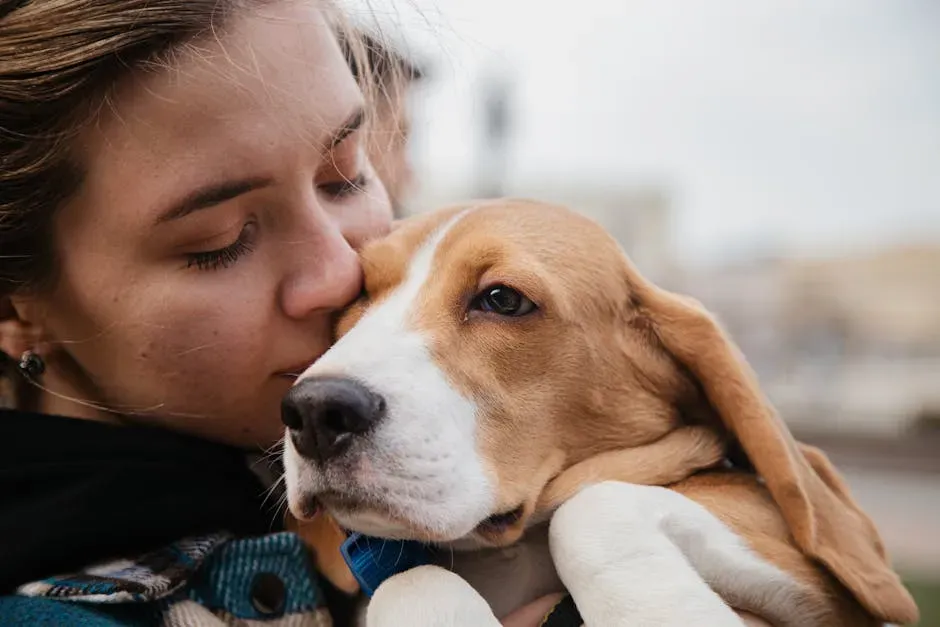
Let’s be real about something uncomfortable. If you’ve been chronically stressed out, your dog may already be suffering the effects. A study by Sundman et al. (2019) found that long-term stress levels, measured via hair cortisol concentrations, are synchronized between dogs and their owners. This synchronization was particularly pronounced among female dog owners. That’s not a coincidence. That’s emotional mirroring at a hormonal level.
Multiple studies have shown that the transmission of emotions depends on the release of certain hormones such as oxytocin, body odor changes in humans, the firing of key neurons in the pooches and their people, and other physiological factors. In other words, the connection between you and your dog isn’t just emotional. It’s biological. Dogs living in tense environments may show behavioral issues like excessive barking, chewing, or separation anxiety.
Prevention tip worth remembering: the key is self-regulation. Practicing mindfulness, creating calm environments, and maintaining healthy routines can help soothe both of your nervous systems. Your dog’s mental health really is connected to yours, which is both a responsibility and a beautiful invitation to take better care of yourself.
The Voice Behind the Words: Tone Is Everything

Dogs’ brains have dedicated areas that are sensitive to voice, similar to those in humans. In a brain imaging study, researchers found that dogs possess voice-processing regions in their temporal cortex that light up in response to vocal sounds. Dogs respond not just to any sound, but to the emotional tone of your voice. This is why the words barely matter. It’s the music of your voice that carries the message.
Dogs rely on multiple senses to discern how you’re feeling. A cheerful, high-pitched “Good boy!” with a relaxed posture sends a very different message than a stern shout with rigid body language. You can literally say the word “banana” in a warm, happy tone and your dog’s tail will wag. Say their name in a sharp, clipped voice and they’ll cower. The word is irrelevant. The feeling underneath it is everything.
Dogs respond best to calm, confident energy. Yelling or frustration can create confusion rather than clarity. Dogs thrive on predictable emotional responses. Inconsistent reactions can increase anxiety or behavioral issues. If training sessions feel like they’re going sideways, check your tone before you check your technique.
The Bond Deepens: Eyes, Oxytocin, and the Human-Dog Loop
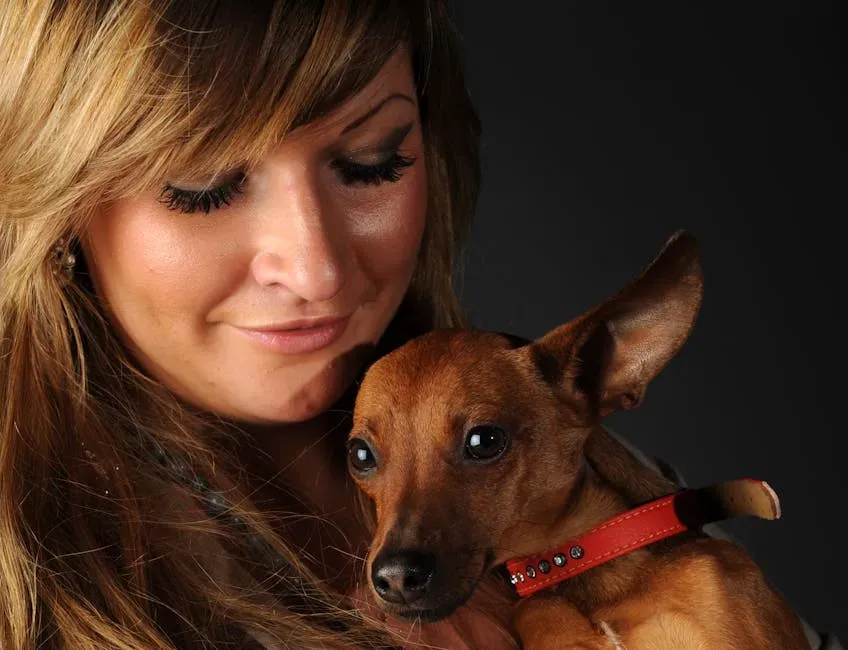
When you look into your dog’s eyes and feel something warm wash over you, that’s not just sentiment. That’s chemistry. When dogs and humans make eye contact, both experience a surge of oxytocin. The same bonding hormone released between a parent and a newborn. This oxytocin feedback loop reinforces bonding, much like the gaze between a parent and infant. Astonishingly, this effect is unique to domesticated dogs. Hand-raised wolves did not respond the same way to human eye contact. As dogs became domesticated, they evolved this interspecies oxytocin loop as a way to glue them emotionally to their humans.
Dogs actively look to humans for guidance when confused. This social referencing behavior is similar to what toddlers display with caregivers. Your dog sees you as their anchor. When you’re calm, they feel safe. When you’re grounded, they trust the world. That’s not just adorable. That’s a profound and meaningful responsibility.
Recent research also shows that the extent to which people and their pups catch their owner’s emotions depends on the duration of their relationship. The longer you’ve been together, the deeper the attunement. Your dog has essentially been studying you like a graduate thesis, learning every micro-expression, every shift in breathing, every nervous habit. And unlike many humans in our lives, they respond with pure care, every single time.
Conclusion: You Are Your Dog’s Whole Emotional World
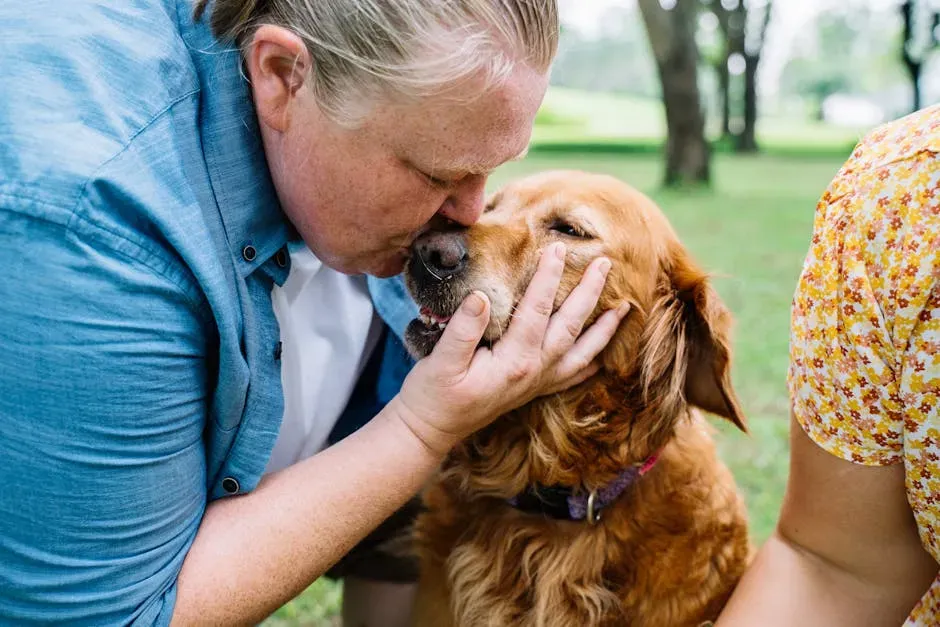
Understanding how your dog reads your energy isn’t just fascinating science. It’s a call to be more present, more intentional, and more compassionate, both with your dog and with yourself. Dogs excel at picking up on what you’re projecting and respond accordingly. They may not be able to read our minds, but by reading our behavior and feelings, they meet us emotionally in a way few other animals can.
Your energy is the language your dog speaks most fluently. Every deep breath you take during a stressful moment, every time you soften your posture before a training session, every calm walk you lead with steady intention, all of it is communication. Your dog doesn’t need perfection. They need consistency, presence, and calm leadership. When you take charge of your own energy, your dog can relax and follow your lead.
There’s something quietly beautiful about being loved by a creature who reads your soul without needing a single word. Take care of your inner world, and you’ll be taking care of theirs, too. So the next time your dog looks up at you with those searching, soulful eyes, remember: they already know how you’re feeling. The real question is, are you willing to feel it with them? What do you think? Share your stories with us in the comments below.


