

Have you ever wondered if your dog misses you when you’re gone, or if they have any idea how long you’ve been away? The way dogs experience time is full of surprises, a little mystery, and a lot of wagging tails. Imagine a world where your clock doesn’t matter, and every moment is filled with excitement—this is the life of our furry companions. Let’s dive into the fascinating ways dogs perceive the past, present, and future, and uncover what’s really going on behind those soulful eyes.
The Mysterious Dog Clock: Do Dogs Tell Time?
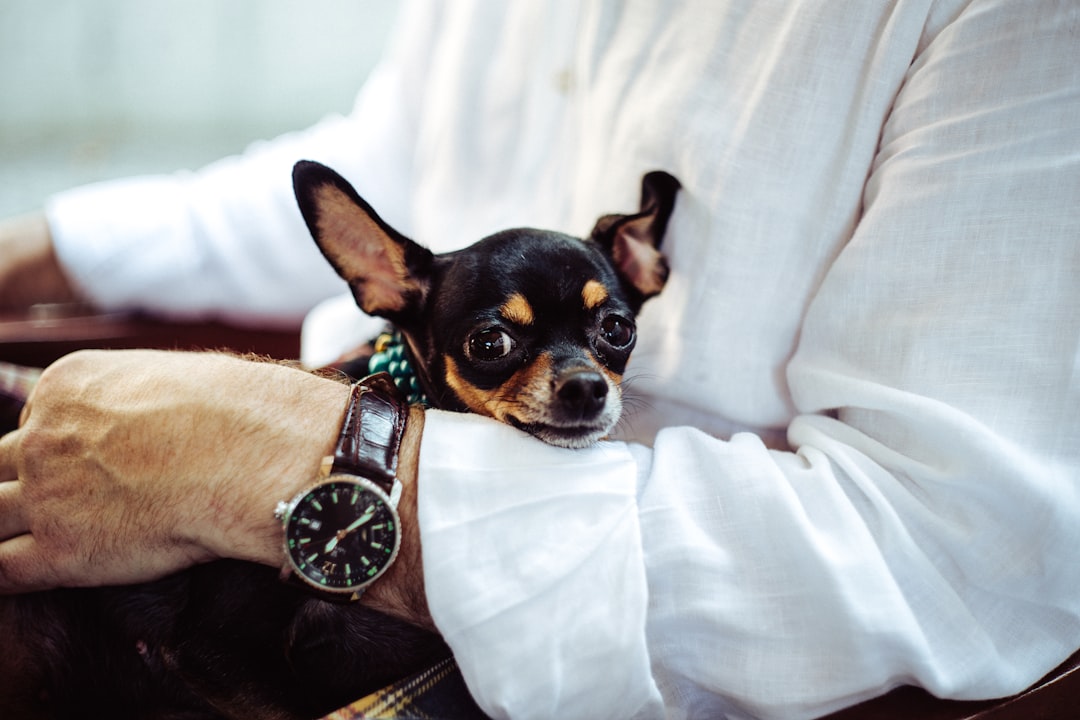
Dogs don’t have watches or calendars, but they sure seem to know when it’s dinnertime or when you should be home. This uncanny ability has puzzled pet owners for ages. Scientists believe that dogs have an internal “biological clock” based on their circadian rhythms, which helps them anticipate daily events. Smells, sounds, and routines play a big part in how a dog figures out what should happen next. For example, the scent of your perfume might fade at a certain rate, and your dog could learn to associate this with how long you’ve been gone. So, while Fido isn’t checking his smartphone for the time, he’s definitely tuned into the rhythms of the day in his own unique way.
Living in the Now: Dogs and the Present Moment

Dogs are true masters at living in the moment. Unlike humans, who often get lost in worries about tomorrow or regrets about yesterday, dogs focus on what’s happening right now. Whether it’s the sound of a treat bag opening or the joy of a belly rub, dogs throw themselves into every experience with full enthusiasm. This present-centered mindset makes them wonderful companions and teaches us a thing or two about appreciating the simple joys of life. Watching a dog chase a ball or nap in a sunbeam is a reminder of how wonderful it can be to just “be.”
Sniffing Out the Past: Do Dogs Remember Yesterday?

You might be surprised to learn that dogs do have memories, but they don’t remember things quite like we do. Instead of recalling specific dates or long stories, dogs rely heavily on associative memory. This means they remember things that are connected to emotions or repetitive actions, like the sound of your car keys signaling your return. A positive experience, like getting a treat after a trick, becomes a lesson stored in their mind. On the flip side, negative memories—like a scary thunderstorm—can linger too. Think of a dog’s memory as a scrapbook of smells, feelings, and familiar faces, rather than a timeline of events.
Predicting the Future: Can Dogs Anticipate What’s Next?
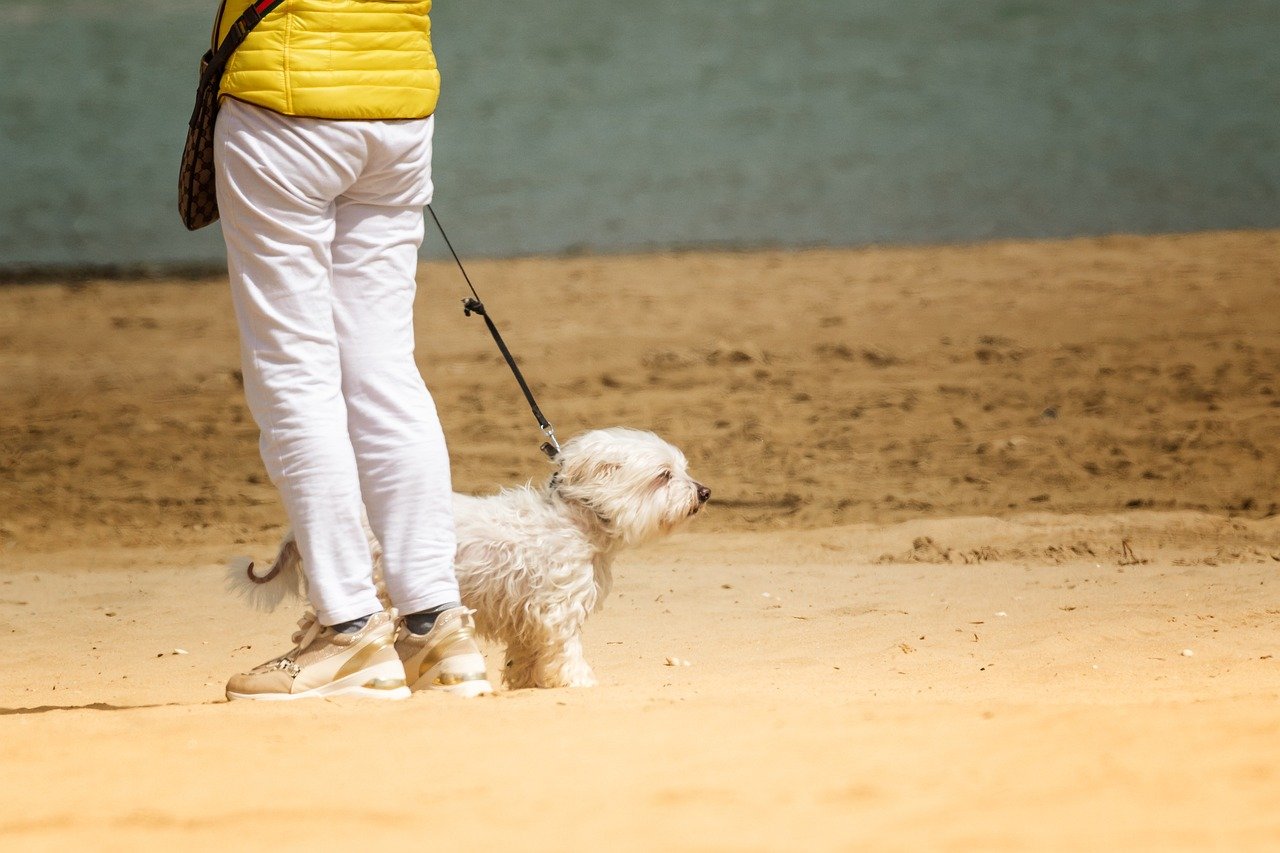
Dogs may not plan for next week’s walk, but they are fantastic at picking up on clues about what’s coming. Subtle signals, such as grabbing a leash or putting on your shoes, tell your dog that something exciting or important is about to happen. Over time, dogs get really good at reading these patterns and adjusting their behavior accordingly. Some dogs even seem to sense when their owners are about to arrive home, which often comes down to routine and keen senses rather than psychic abilities. Their knack for prediction is less about thinking ahead and more about recognizing and reacting to familiar cues.
The Role of Routine: How Daily Schedules Shape a Dog’s Time

Routine is everything in a dog’s world. Regular feeding times, walks, and play sessions give dogs a comforting sense of order amid the chaos. When life follows a predictable pattern, dogs feel secure and less anxious. Disruptions to this routine—like a late dinner or a missed walk—can leave them confused or restless. Because dogs are so attuned to patterns, even a slight change can throw them off. This sensitivity to routine is why a consistent schedule is one of the best gifts you can give your canine friend.
Scent as a Timekeeper: How Smells Help Dogs Track Time

A dog’s nose is nothing short of incredible. While we might just notice if something smells good or bad, dogs use their sense of smell to gather information about the world—including the passage of time. Scents change and fade as hours go by, and dogs can pick up on these subtle shifts. Some researchers believe that dogs may even be able to “smell” how long ago you left the house. For them, the world is a swirling tapestry of odors that act as tiny time-stamps, helping them understand the flow of daily life.
Emotional Time Travel: How Dogs Feel About Absence and Reunion

If you’ve ever been greeted by a dog as if you’d been gone for years—even if it was just 10 minutes—you’ve witnessed canine time perception in action. Dogs don’t keep track of minutes or hours; instead, they experience absence on a more emotional level. The longer you’re gone, the more intense their excitement when you return. This emotional response is a testament to the strong bond they feel with their humans. Their joy during reunions is less about marking time and more about celebrating your presence in the here and now.
Lessons from Dogs: What Humans Can Learn About Time
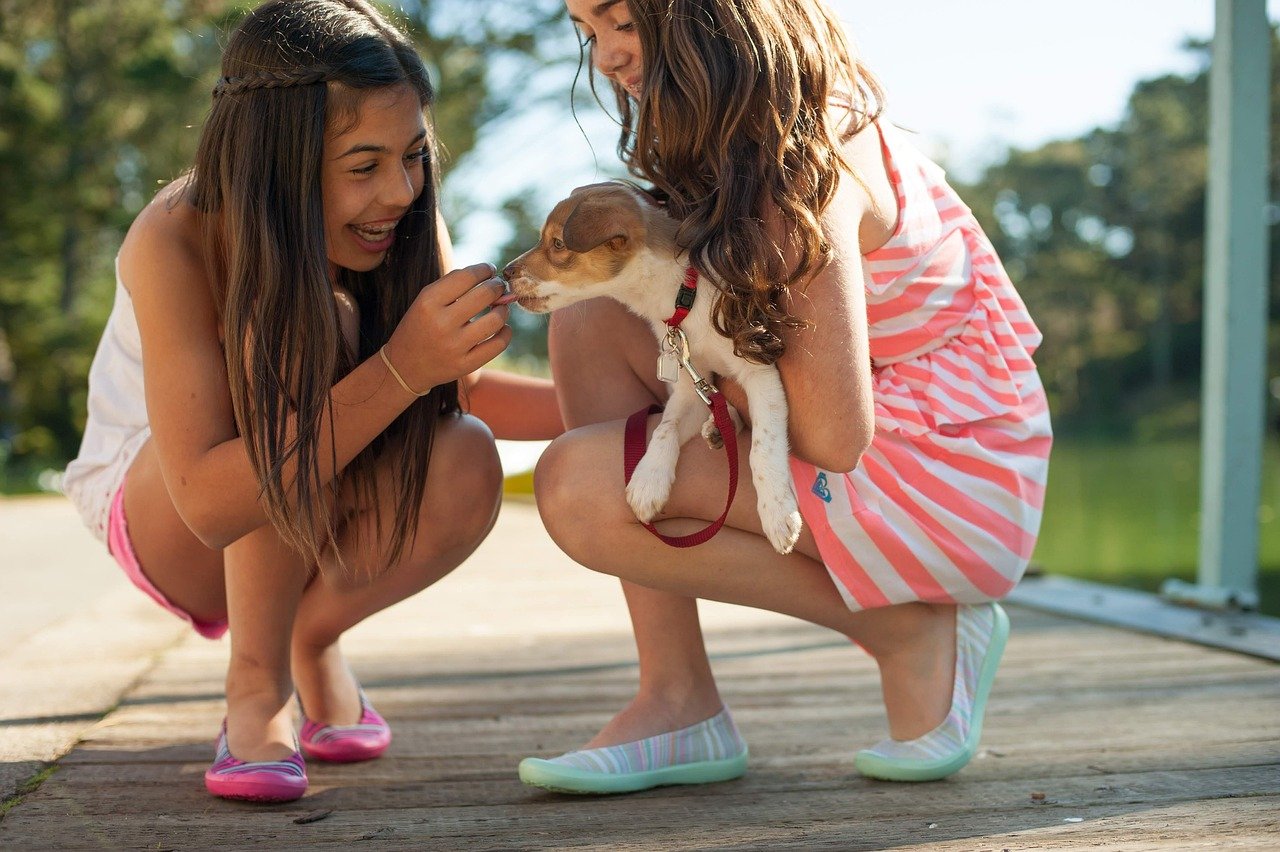
Dogs may never write history books or plan for retirement, but their unique relationship with time can teach us valuable lessons. Their focus on the present, ability to forgive the past, and simple joy in routine remind us of the importance of living in the moment. By observing our dogs, we might learn to stress less about what’s behind or ahead and instead savor the playful, loving “now” that they cherish so much. Isn’t it amazing how our four-legged friends can show us the true meaning of time, one wag at a time?


