Have you ever watched your dog bounce with excitement at the sight of a leash, only to worry as the summer sun turns the sidewalk into a sizzling skillet? It’s a dilemma every loving pet owner faces: How hot is too hot to take your furry friend outside for a walk? While our dogs trust us with their noses pressed to the window, the temperature outside could be more dangerous than you think. Let’s uncover the truth about heat, paws, and the best ways to keep your four-legged buddy safe and happy during those sun-soaked days!
Understanding a Dog’s Heat Sensitivity
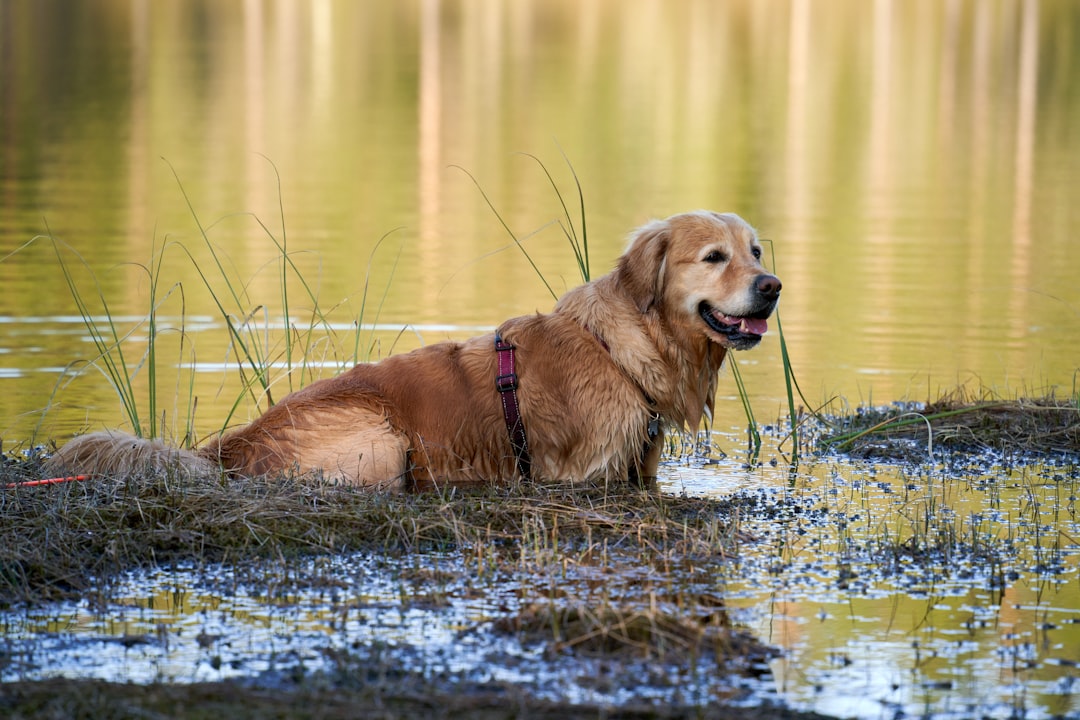
Dogs don’t sweat the way humans do. Instead, they cool down mainly through panting and, to a lesser degree, by sweating through their paw pads. This means that high temperatures can quickly overwhelm them. A dog’s internal temperature is already higher than ours, usually between 101 and 102.5 degrees Fahrenheit. While a sunny day might feel warm but bearable to us, it can be distressing and even dangerous for your dog. Their fur coats, especially on thick-coated breeds, trap heat, making it harder to cool down. Puppies, elderly dogs, and breeds with short muzzles—like Bulldogs and Pugs—are even more vulnerable to overheating. Never underestimate how quickly a cheerful stroll can turn into a dangerous situation for your dog when the mercury rises.
The Dangerous Truth About Hot Pavement
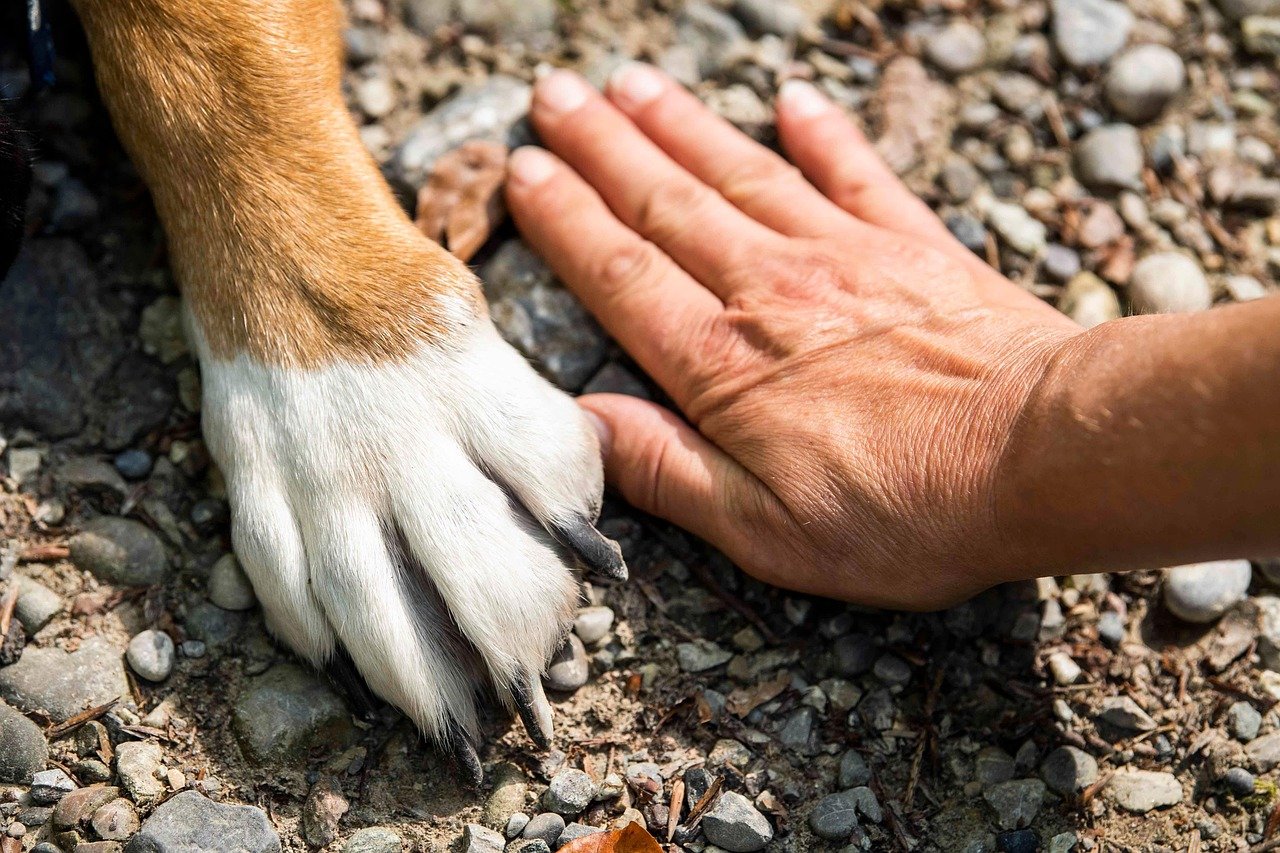
Have you ever walked barefoot on a sidewalk in the summer? It can be surprisingly painful! Now, imagine your dog’s sensitive paws on that same surface. When air temperatures hit just 85 degrees Fahrenheit, the pavement can reach a blistering 135 degrees. That’s hot enough to fry an egg—and to burn your dog’s paws in seconds. Dogs can’t tell you their feet are hurting until it’s too late. Always do the “five-second rule”: Place the back of your hand on the pavement. If you can’t hold it there comfortably for five seconds, it’s too hot for your pup’s paws. Burns, blisters, and discomfort are risks you simply don’t want to take.
How to Spot Signs of Overheating

Dogs aren’t always good at letting us know when they’re struggling with the heat. They might keep walking just to please you! Some early signs of overheating include excessive panting, drooling, bright red gums, and a rapid heart rate. As things get worse, your dog might seem weak, confused, or even collapse. In severe cases, heatstroke can set in, which is a true emergency. If your dog seems unsteady or refuses to move, it’s time to get them into the shade and offer water immediately. Acting quickly can make all the difference.
The Role of Humidity: Not Just About Temperature
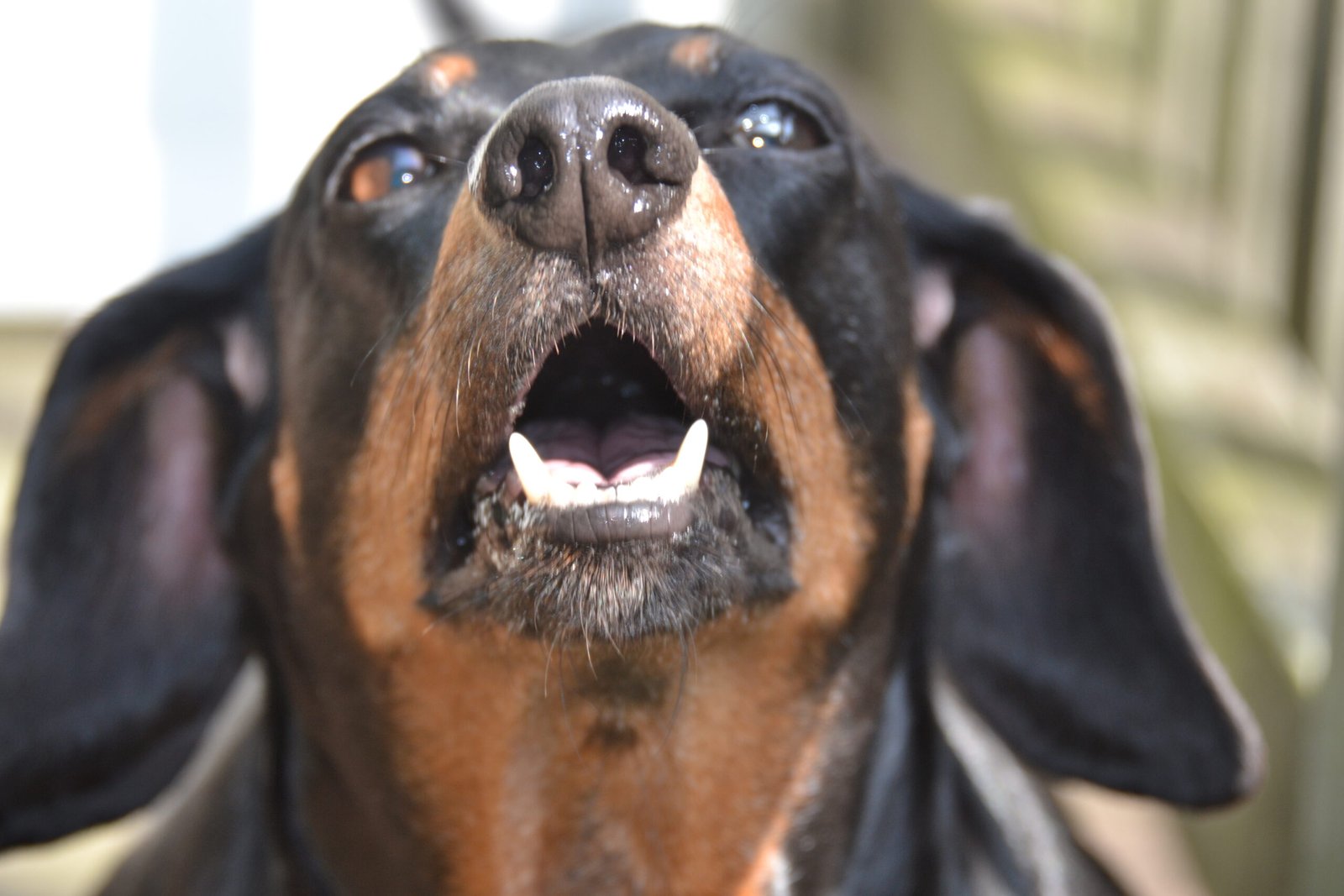
Heat is only part of the danger—humidity makes things even trickier. When the air is thick with moisture, panting becomes a lot less effective for dogs. The sweat can’t evaporate as easily from their paw pads, and the cooling effect of panting is reduced. Even a seemingly moderate temperature can become risky if humidity is high. If you’re sweating after just a few minutes outside, chances are your dog is struggling even more. Always check both the temperature and the humidity before heading out for a walk, especially during the summer months.
Time of Day: When Is It Safest?
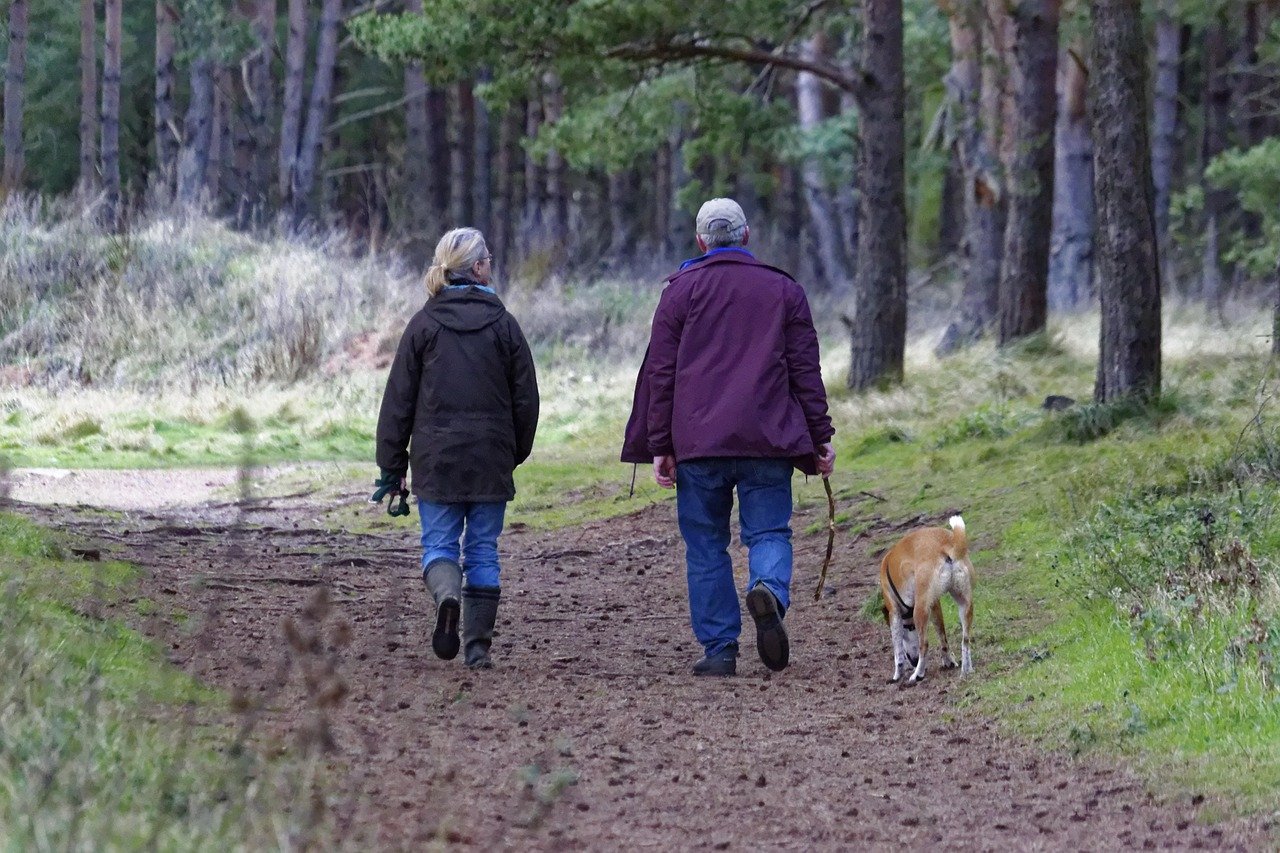
The hour you choose for your walk can make a world of difference. Early mornings and late evenings are usually the coolest parts of the day. The sun isn’t as strong, and the pavement has had time to cool off overnight. Try to avoid walking your dog between 10 a.m. and 4 p.m., when the sun is at its most intense. If you must head out during the day, stick to grassy areas or shaded parks where the ground stays cooler. Your dog will thank you with every happy paw step!
Paw Protection and Cooling Tricks
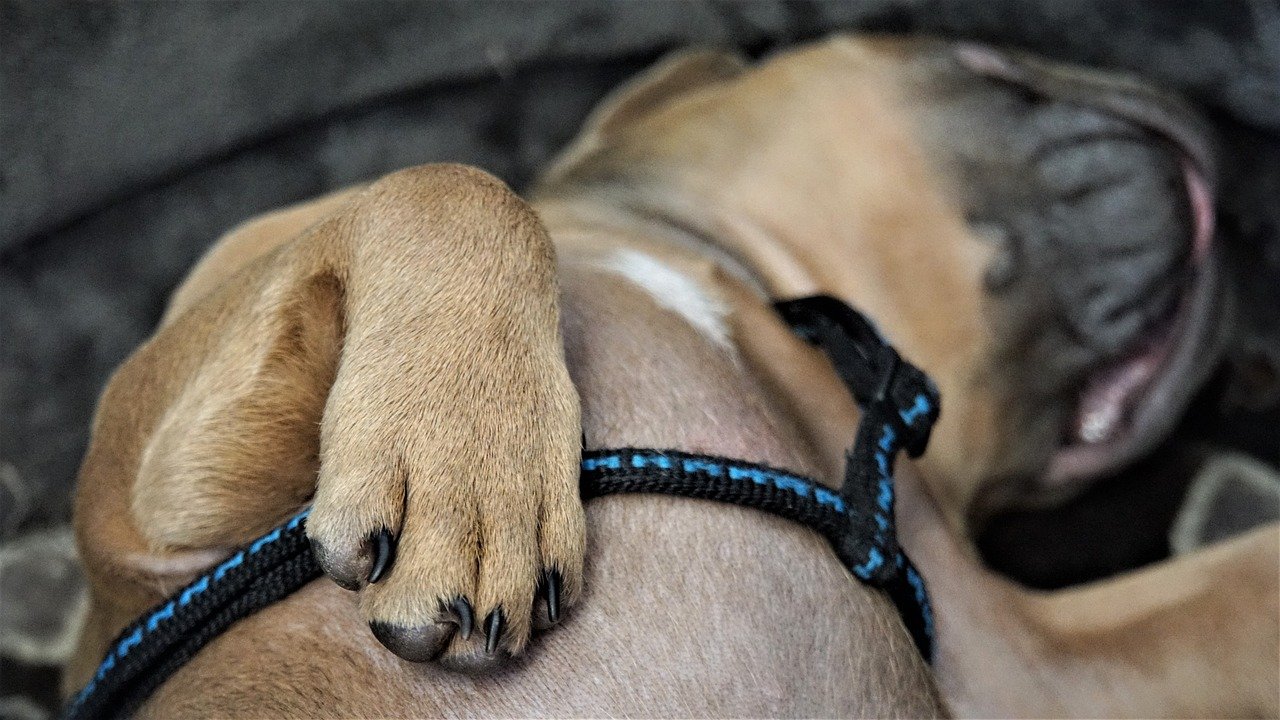
There are some fun and creative ways to protect your dog’s paws from the heat! Dog booties may look a little silly, but they create a barrier between delicate paws and scorching pavement. If your pup won’t tolerate booties, paw wax can offer a bit of extra protection. Always bring water for both you and your dog—hydration keeps everyone happier and healthier. A collapsible water bowl or a squirt bottle makes it easy to offer sips on the go. You can even try cooling vests or bandanas for an extra layer of comfort on especially hot days.
Choosing the Right Walking Surfaces
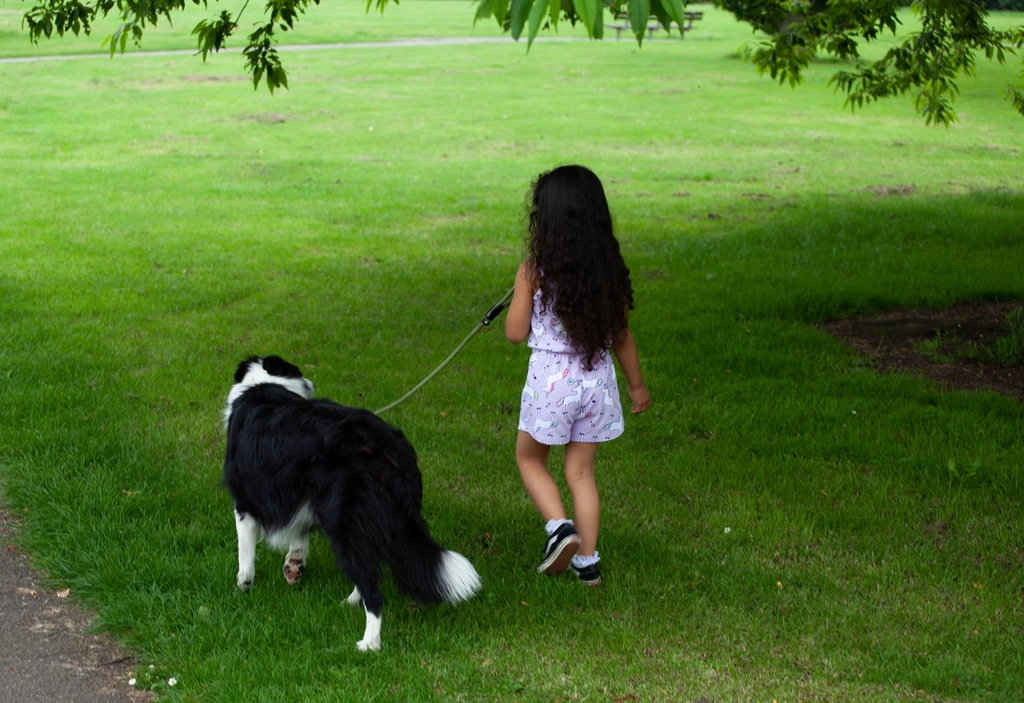
Not all surfaces are created equal when it comes to heat. Asphalt and concrete get dangerously hot in direct sunlight, while grass, dirt trails, and shaded paths stay much cooler. Whenever possible, steer your walks toward green spaces. If you’re in the city and grassy areas are scarce, look for tree-lined sidewalks or parks. Sometimes, even a detour through a shady alley can give your dog’s paws a break. Keeping walks interesting and safe is a win-win for both of you!
What Temperature Is Too Hot? A Simple Guide

So, what’s the magic number? Most veterinarians agree that if the air temperature is above 85 degrees Fahrenheit, it’s best to skip the walk or at least take serious precautions. If it’s between 75 and 85 degrees, use your judgment—consider your dog’s age, breed, size, and the humidity level. Always check the pavement temperature and watch your dog closely for any signs of discomfort. When in doubt, remember that skipping one walk is better than risking your best friend’s health. After all, a happy, healthy dog is worth a little patience and flexibility.
What’s your dog’s favorite way to stay cool on hot days?