There’s something magical about the bond between a person and their dog. It transcends age, background, and life circumstance. Yet for older adults, this connection becomes something even more profound – a lifeline, a companion, and remarkably, a potential path to a longer, healthier life. When we think about longevity, we often focus on diet, exercise, and medical care. But what if the secret ingredient to aging well was already waiting at the door, tail wagging?
Research in recent years has revealed something incredible. The simple act of sharing your home with a dog can influence everything from your heart health to your mental clarity. It’s not just about having a furry friend to pet. It’s about the daily rituals they create, the movement they inspire, and the connection they provide when the world feels a little too quiet.
Dogs Keep Hearts Beating Stronger
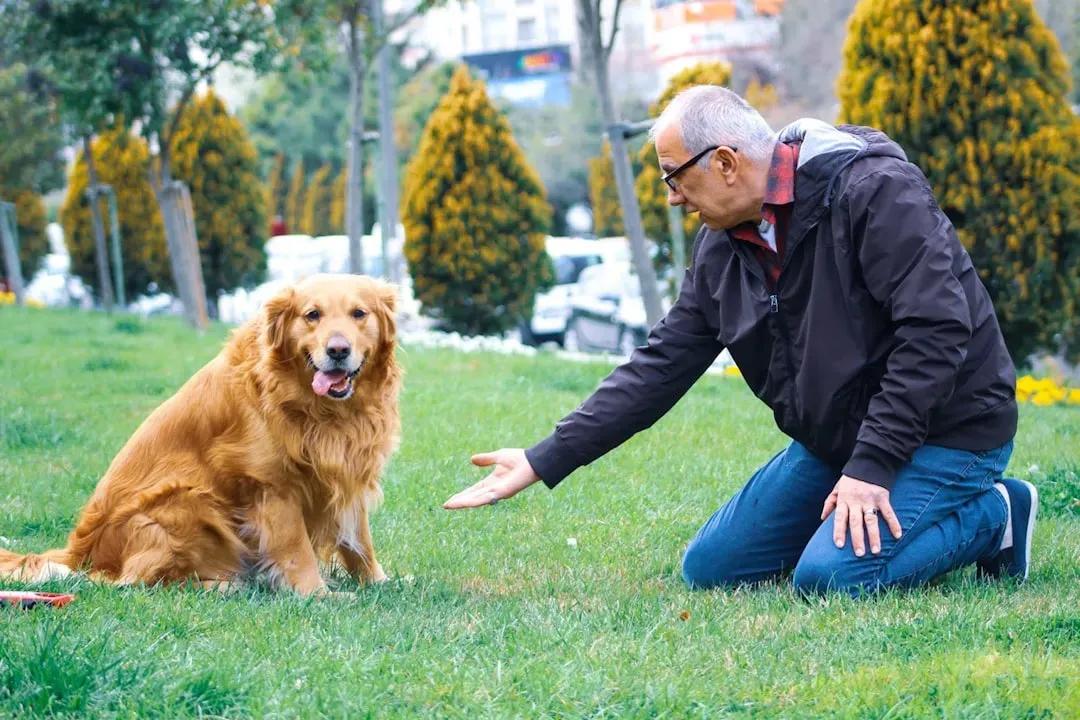
Let’s talk about what happens inside your body when you have a dog. Studies have consistently shown that dog owners tend to have a lower risk of cardiovascular disease, with research suggesting that having a canine companion helps prevent high blood pressure and may improve blood pressure control. Dog owners have lower blood pressure and healthier cholesterol levels, and a lower risk of heart disease than non-owners. This isn’t a small effect either.
Research from 2019 reported that dog owners were roughly one-third less likely to die from a heart attack or stroke than non-owners. Even more striking, among people who had already experienced a heart attack or stroke, those who owned a dog had a significantly lower death rate in the years that followed. Think about that for a moment. A dog isn’t just company. They might actually be protecting your heart in ways modern medicine is only beginning to understand.
Movement Becomes Part of the Daily Rhythm
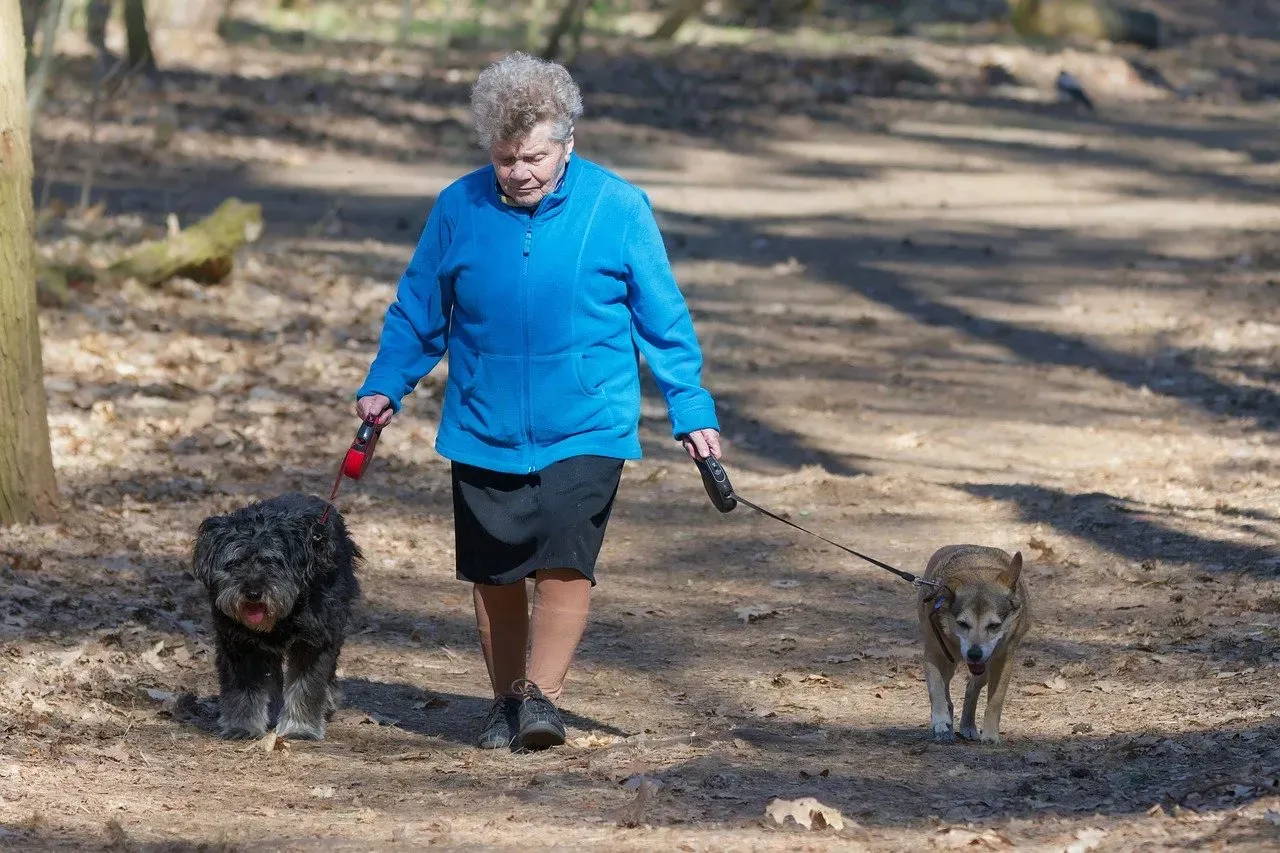
Here’s where the magic really starts to happen. On average, people with dogs walk about twenty minutes more per day than those without them. That might not sound like much, but those extra minutes add up dramatically over weeks and months. Research comparing older adult dog owners to their non-dog owning counterparts found that dog owners took thousands more steps per day and spent significantly more time walking.
The beauty of it is that it doesn’t feel like exercise in the traditional sense. You’re not forcing yourself to the gym or onto a treadmill. You’re simply taking care of someone who depends on you. Dog owners walked significantly longer than non-owners, and this translated into tangible health benefits. When your dog needs a walk, you get up and go. Rain or shine, tired or energized, the routine becomes automatic.
Minds Stay Sharper Through Companionship
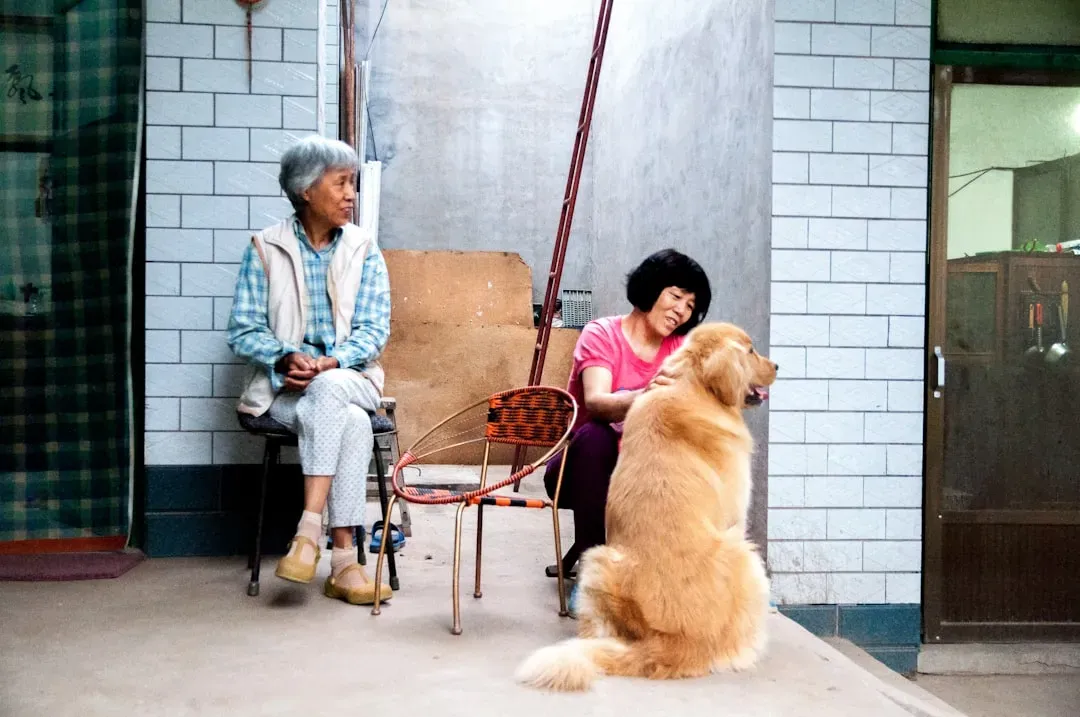
Recent studies have found that pet ownership can help slow cognitive decline and prevent dementia in older adults, particularly among those living alone. This is huge. Specific research on dog ownership showed that dog owners had a lower risk of dementia compared to non-dog owners over a multi-year period. The researchers believe the combination of physical activity and social engagement makes the difference.
Pet owners experienced slower decline in overall physical performance, gait speed, cardiorespiratory fitness, and physical well-being as they aged. Even among adults already living with mild Alzheimer’s disease, pet owners had significantly better daily activity function and slower disease progression. Your dog keeps you engaged with the world, and that engagement keeps your brain working.
Loneliness Loses Its Grip
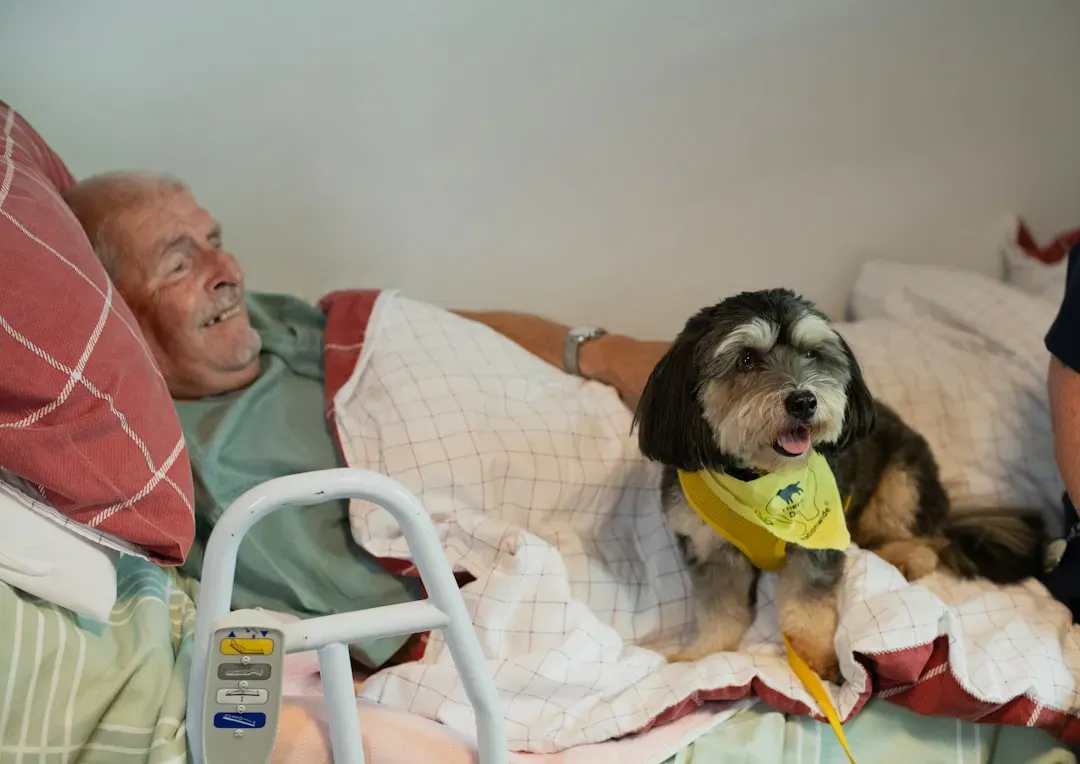
Isolation is a silent killer among seniors. Loneliness has been linked to serious health conditions including coronary heart disease, Alzheimer’s disease, depression, and even hastened mortality. In fact, loneliness has been shown to be as deadly as smoking fifteen cigarettes per day. These aren’t minor risks. They’re life-threatening.
Pet owners were found to be roughly one-third less likely than non-pet owners to report feelings of loneliness. The effect was particularly strong among those living alone, where not owning a pet was associated with the greatest odds of reporting loneliness. Dogs don’t judge. They don’t cancel plans. They’re simply there, offering unconditional presence and affection that fills the quiet spaces in a home.
Purpose Returns to Everyday Life
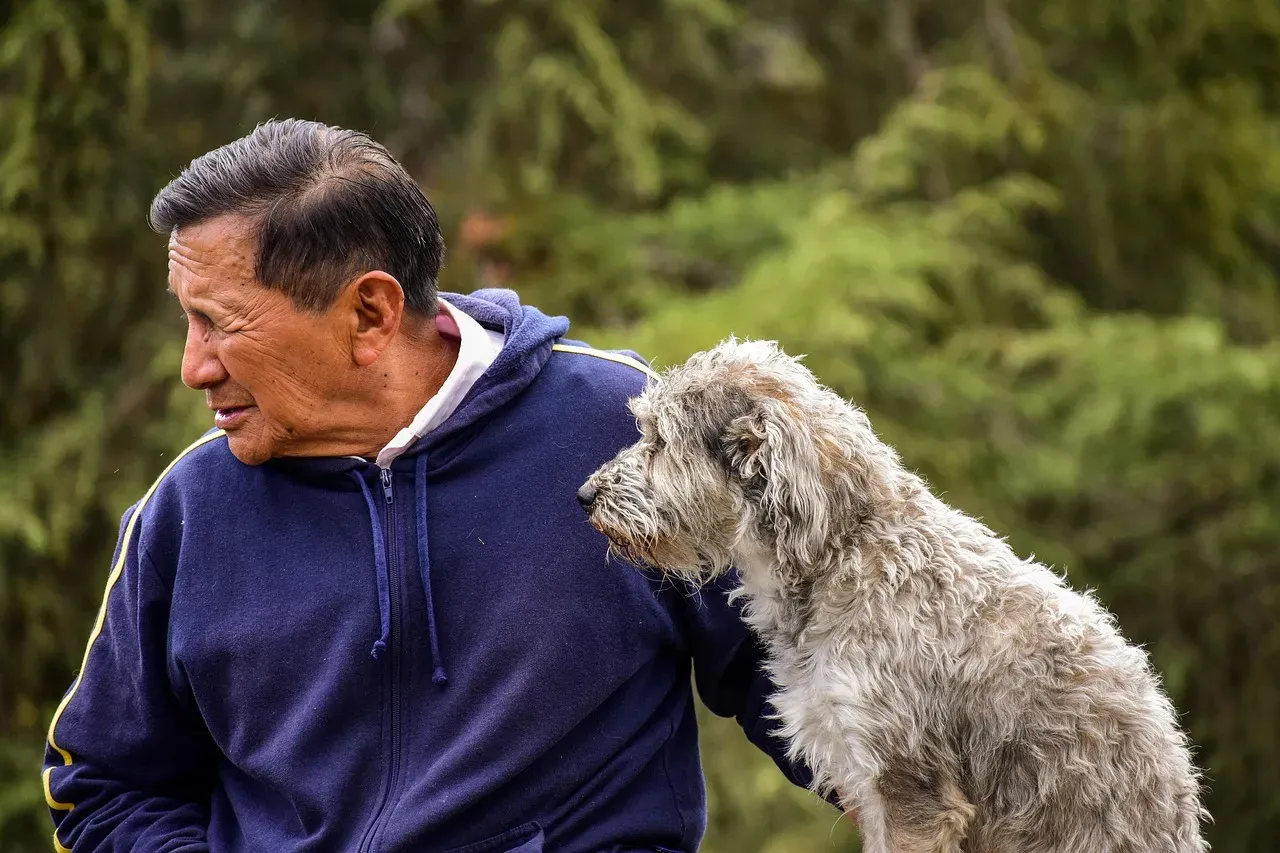
One of the hardest parts of growing older can be the loss of purpose. Careers end. Children move away. Daily routines that once gave structure can fade. Caring for a pet provides routine and purpose to daily life, creating structure that matters. You need to get up because your dog needs breakfast. You need to go out because they need exercise. You need to stay organized because someone depends on you.
The need to care for and be present with a pet has been found to be a motivator for recovery from acute conditions like stroke, as well as the management of chronic physical and mental health conditions. Having a reason to keep going makes all the difference. The responsibility isn’t a burden. It’s a gift that gives your days meaning and direction.
The Connection That Heals
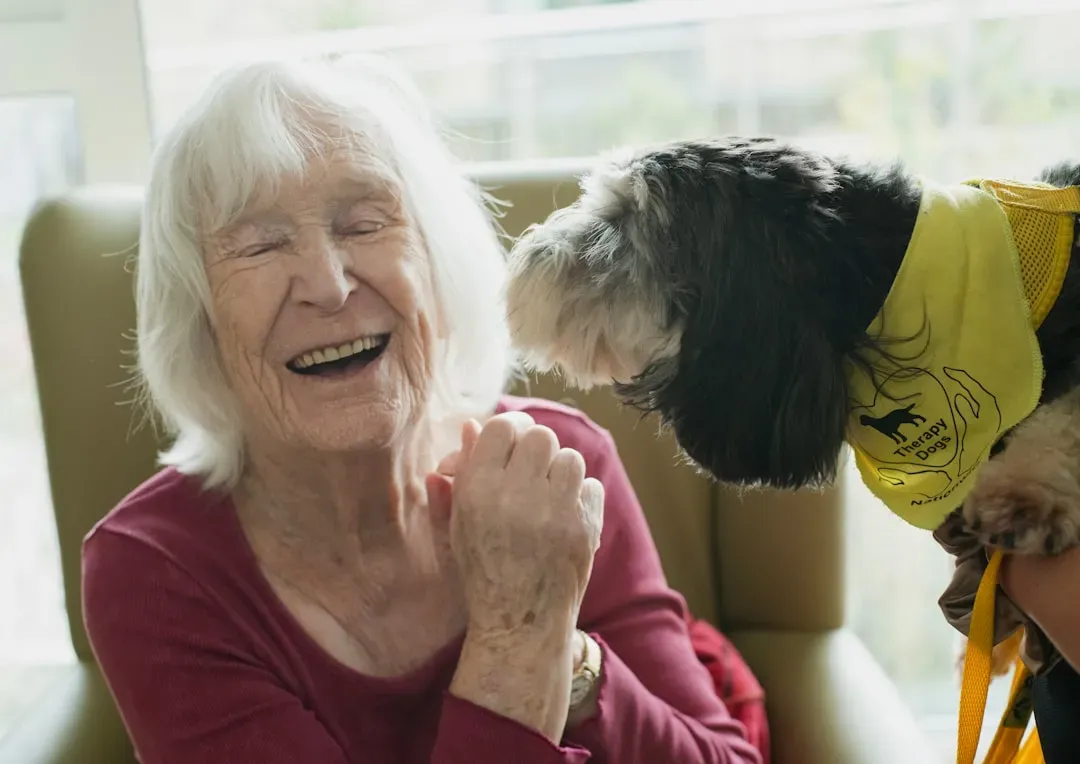
The companionship and unconditional love that dogs offer can significantly reduce feelings of loneliness and isolation, while interacting with them can lower blood pressure and even boost immunity in older individuals. There’s science behind the comfort you feel when you stroke your dog’s fur or look into their eyes. Interacting with a pet lowers cortisol levels, reducing feelings of anxiety and promoting a sense of calm.
Dogs don’t care if you’ve had a bad day or if you’re moving slower than you used to. They love you exactly as you are, right now. That kind of acceptance is healing in ways that go beyond what any medication can provide. The bond you share with your dog becomes a source of emotional resilience, a buffer against the challenges that come with aging.
A Life Well Lived

The evidence is overwhelming. Dogs aren’t just pets for seniors – they’re partners in healthy aging. They encourage movement, protect heart health, keep minds engaged, combat loneliness, and provide daily purpose. Every walk strengthens your body. Every moment of connection lifts your spirits. Every day with your dog is an investment in your own wellbeing.
Of course, owning a dog isn’t right for everyone. Physical limitations, living situations, and personal preferences all matter. Yet for those who can welcome a canine companion into their lives, the rewards extend far beyond simple companionship. They might just add years to your life and life to your years. What could be more precious than that?