
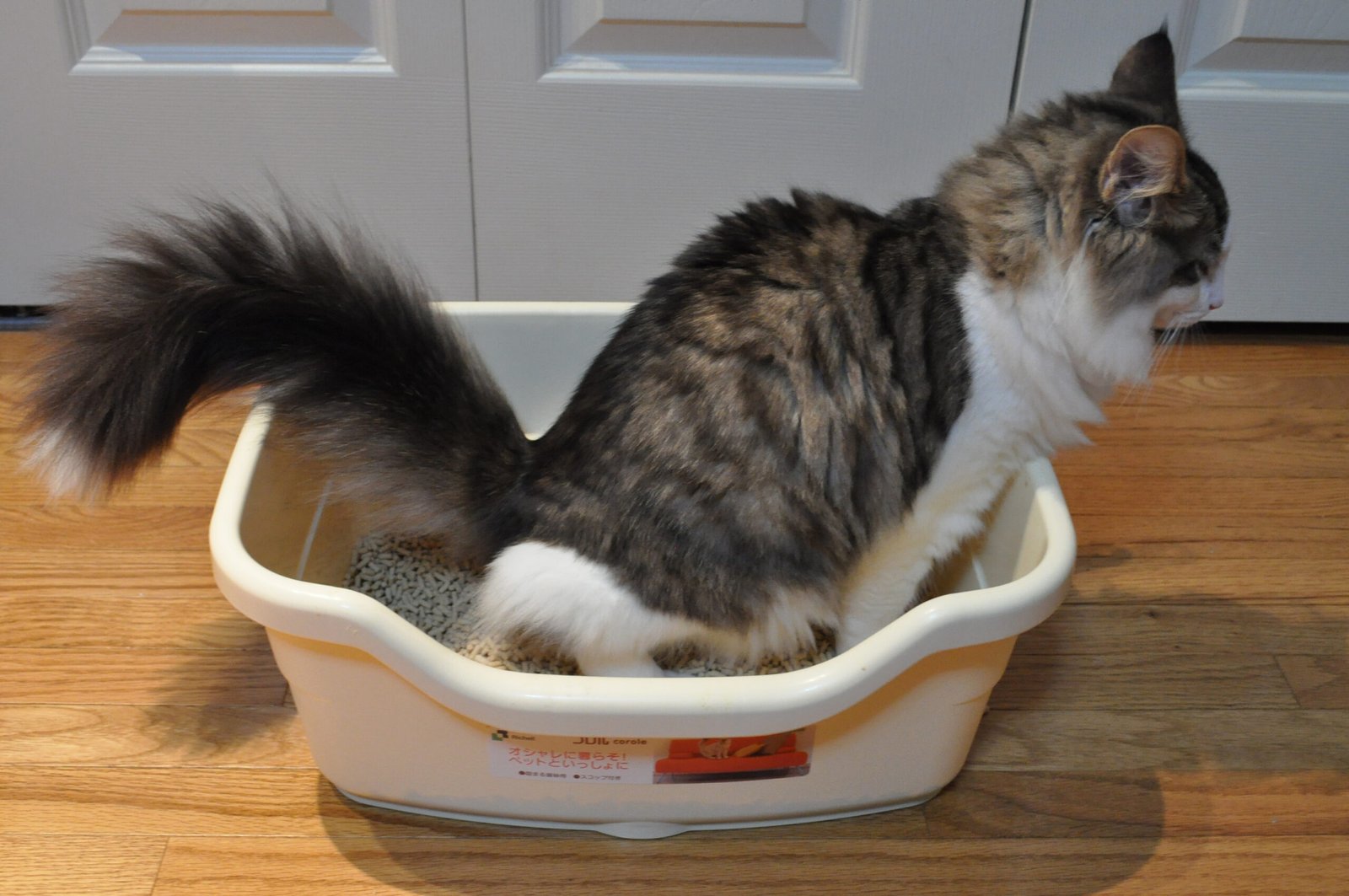
Ever wondered how long your cat can actually go without peeing? On average, healthy cats should urinate at least once every 24 hours—but holding it in too long can be a red flag. If your feline friend hasn’t used the litter box in over a day, it could signal stress, a urinary blockage, or a medical issue that needs attention ASAP. Male cats, in particular, are prone to dangerous blockages that require immediate vet care. Keeping an eye on your cat’s bathroom habits might not be glamorous, but it’s one of the simplest ways to protect their health.
Why Urination Matters So Much for Cats
Many people overlook how vital urination is to a cat’s wellbeing. Unlike humans, cats are masters at hiding discomfort, so when something is off with their bathroom routine, it’s often a sign something serious is brewing. Regular urination helps remove toxins and maintain a healthy balance of minerals in their bodies. When a cat can’t pee, those toxins start to build up, leading to pain, illness, and sometimes even death. Think of it like a clogged drain in your house—the mess doesn’t go away on its own, and eventually, it causes bigger problems.
The Normal Feline Urination Schedule
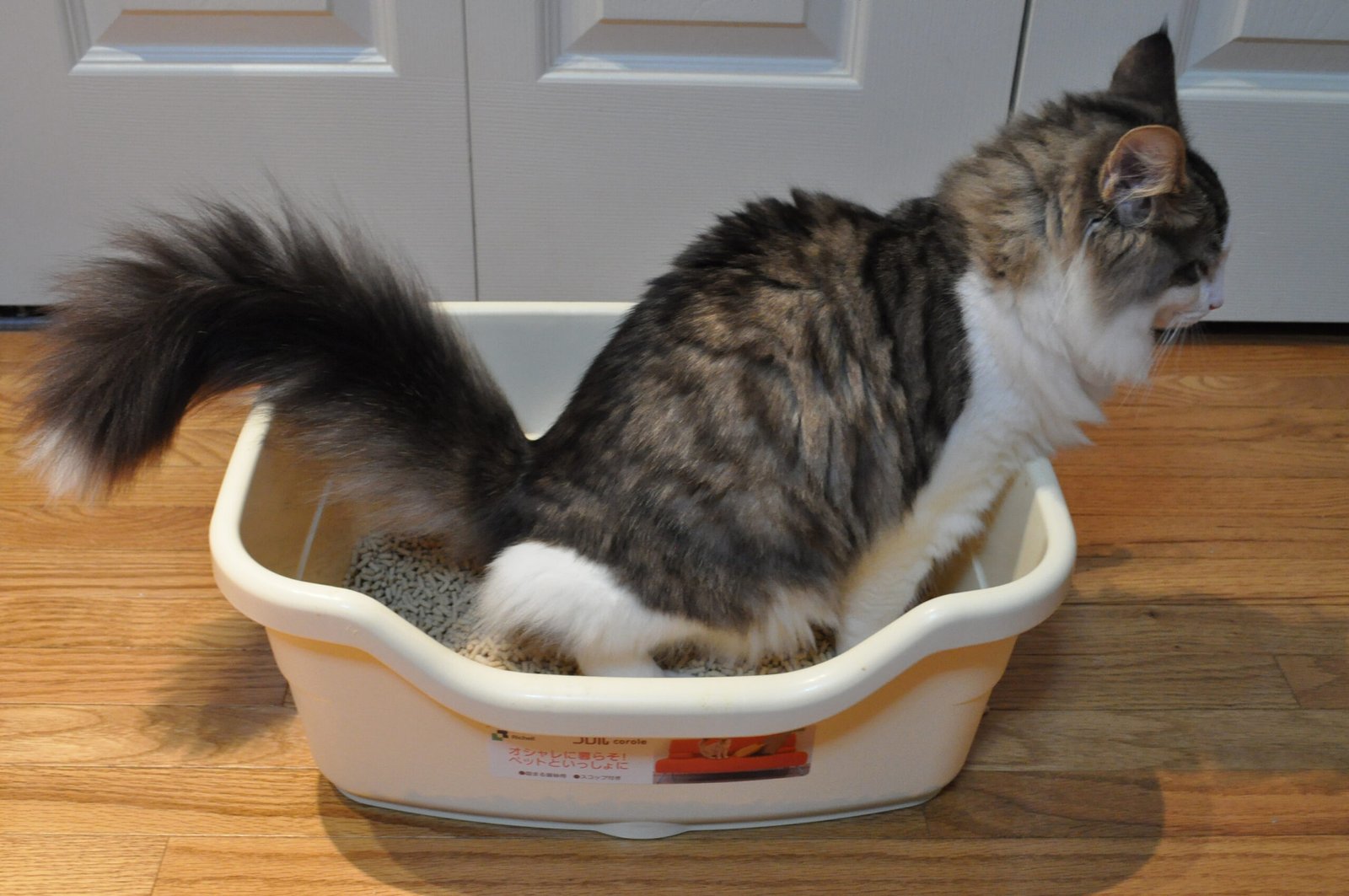
On average, a healthy cat will urinate between two and four times a day. This can vary depending on factors like age, diet, and water intake. Kittens tend to pee more frequently than older cats, while cats on wet food diets might go more often than those who eat dry kibble. If you notice your cat deviating from their normal schedule, it’s time to pay closer attention. A sudden drop in bathroom visits is never something to ignore.
How Long Is Too Long Without Peeing?
This is the question every cat parent asks at some point: just how long can my cat safely go without peeing? Generally, a cat should not go longer than 24 hours without urinating. After that point, the risk of serious complications rises rapidly. By the 48-hour mark, the situation is critical, and it becomes a true emergency—especially for male cats, who are more prone to life-threatening urinary blockages. Even 12 hours without urination can be a red flag if your cat is acting distressed or uncomfortable.
Common Reasons Cats Stop Peeing

There’s a long list of reasons why a cat might stop urinating. The most dangerous is a urinary blockage, which is often caused by crystals, stones, or a buildup of mucus in the urinary tract. Stress, dehydration, and medical conditions such as bladder inflammation (cystitis) can also lead to reduced urination or even complete stoppage. Sometimes, a dirty litter box is to blame—cats are famously picky about where they do their business, and an unclean box can drive them away.
Warning Signs of Urinary Trouble

Knowing what to watch for can save your cat’s life. Signs that your cat might be having trouble urinating include frequent trips to the litter box with little or no output, crying or straining, licking their genitals, or even urinating outside the box. You might notice blood in the urine or your cat may seem lethargic. Some cats will hide when they’re in pain, making it even harder to spot the problem until it’s advanced. Never ignore these signals—your cat is trying to tell you something’s wrong.
What Happens if a Cat Holds Pee Too Long?
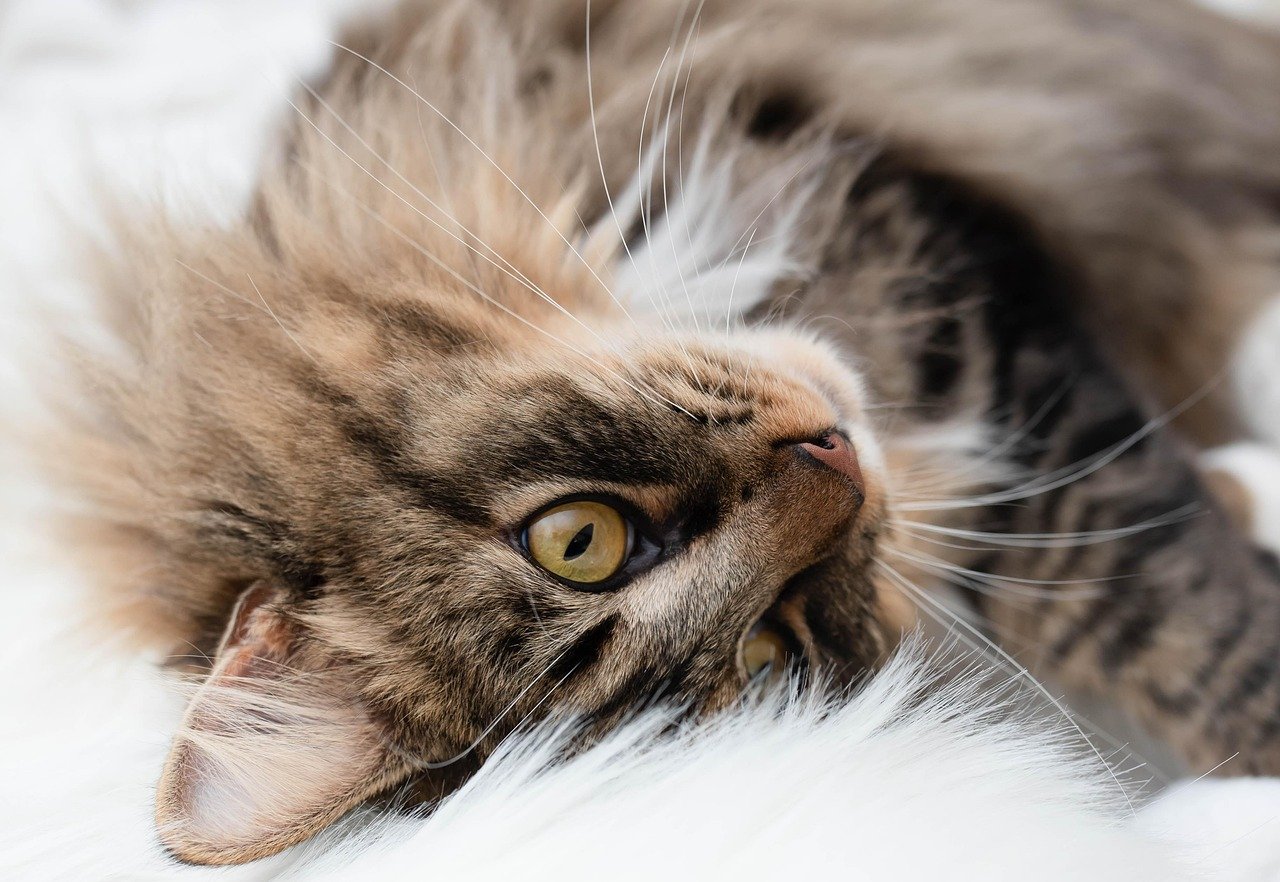
If a cat holds their pee for too long, the consequences can be severe. The bladder can become overly stretched and lose its ability to contract properly. Worse, toxins that should be flushed out begin to damage the kidneys and other organs. In male cats, a complete blockage can quickly become fatal without treatment. Imagine trying to hold in urine for a whole day—it’s not just uncomfortable, it’s dangerous. For cats, the stakes are even higher.
How to Encourage Healthy Urination
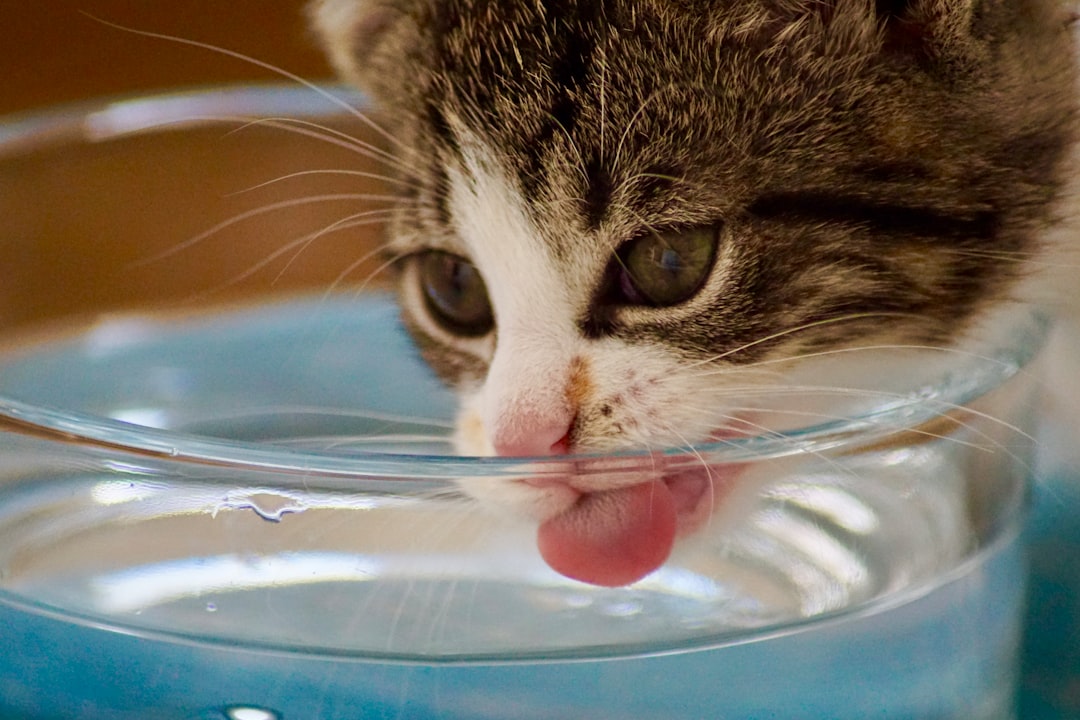
You can help your cat maintain healthy urination habits with a few simple steps. Make sure they always have access to clean, fresh water and keep their litter box spotless. Some cats prefer multiple boxes in different locations. If your cat is stressed—maybe you moved or brought home a new pet—try to provide a calm, safe environment. Feeding wet food can also increase water intake. Paying attention to these small details can make a world of difference.
When to Seek Emergency Help
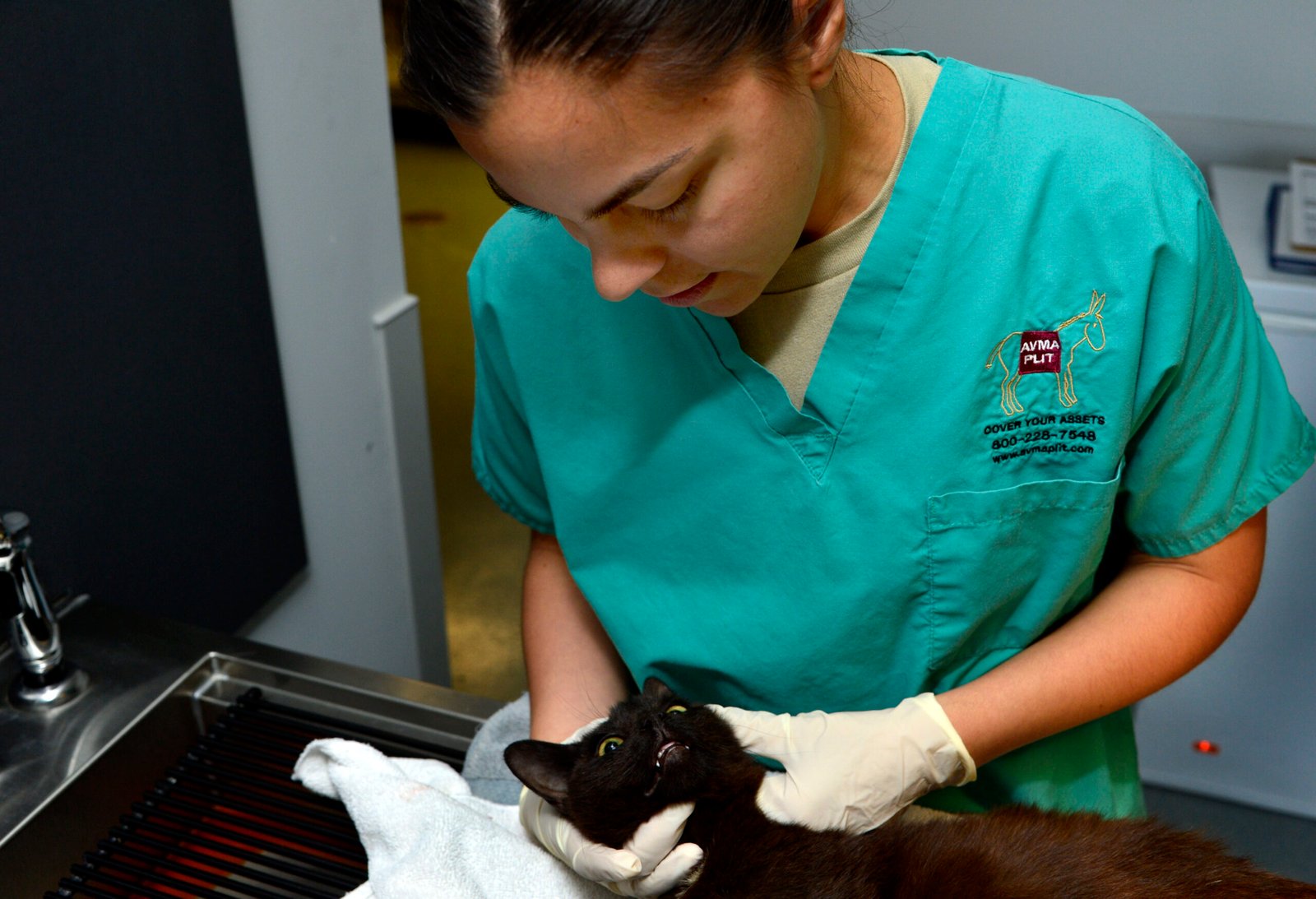
If your cat hasn’t urinated in 24 hours, or is showing any signs of pain or distress, don’t wait—seek veterinary help immediately. Even a few hours can make the difference between a simple fix and a life-threatening crisis. Male cats, in particular, are at high risk for urinary blockages and need urgent care. Trust your instincts; if something feels off, it probably is. Never try to wait it out or hope the problem will resolve on its own.
Preventing Urinary Problems in the Future

Prevention is always better than cure. Regular vet checkups can catch urinary issues before they become severe. Feed your cat a balanced diet designed for urinary health, and encourage them to drink by providing cat fountains or flavoring water with a bit of tuna juice. Keep an eye on their weight, as overweight cats are more prone to urinary problems. Finally, remember that stress is a major trigger—keep your cat’s environment as peaceful and predictable as possible.
The Importance of Knowing Your Cat’s Routine
Every cat is different, and what’s normal for one may not be for another. Spend time getting to know your cat’s usual litter box habits so you can spot changes early. If you have multiple cats, consider using different colored litter or separate boxes to track each cat’s output. Your cat’s bathroom routine is like a window into their health—don’t underestimate the clues it can provide.
So, while it might not be the most pleasant thing to monitor, your cat’s bathroom habits say a lot about their health. If your kitty hasn’t peed in 24 hours or seems uncomfortable, it’s definitely time to check in with your vet. Catching issues like urinary blockages early can make all the difference. Staying alert to these signs helps keep your feline friend happy, healthy, and out of discomfort. After all, a healthy cat is a comfy (and usually purring) cat! What would you do if your cat stopped peeing for a whole day?


