

Have you ever noticed your usually calm pup becoming restless during a full moon, or wondered why your energetic dog suddenly becomes mellow on certain nights? You’re not imagining things. Just like humans, our furry companions might be more connected to lunar cycles than we ever realized. While we often focus on breed traits and training techniques to understand our dogs, there’s an entirely different dimension worth exploring – how the moon’s phases could be subtly shaping your pet’s personality and behavior patterns.
Your dog’s connection to celestial movements runs deeper than you might think. From ancient times, people have observed changes in animal behavior that seem to coincide with lunar phases, and modern pet owners are starting to pay attention to these patterns too.
Understanding the Cosmic Connection Between Dogs and Moon Phases

The moon affects the Earth every day because there is a very strong magnetic pull between the Earth, the moon, and the Sun. This force affects the planet’s large bodies of water, causing the direction of ocean currents and its resulting tides. Since our dogs’ bodies are approximately 70-80 percent water, it makes sense that they might feel these same gravitational forces.
Like humans, the power of the electromagnetic fields during a Full Moon phase interacts with our own magnetic field increasing the ability to sense or feel the stress around us. The animals tend to notice the interaction quicker as it is part of their survival instincts to stay away from danger or snuggle with a caregiver. This heightened sensitivity explains why your dog might seem more alert or anxious during certain lunar periods.
The Science Behind Lunar Effects on Pet Behavior

Some anecdotal reports suggest animal hospitals may see increases in visits during full moons, though scientific evidence for this pattern remains limited. These statistics aren’t just coincidence – they suggest something real is happening during these cosmic events.
While some pet owners and veterinary staff report observing patterns in emergency visits during full moons, comprehensive scientific studies have not consistently confirmed these correlations. The emergency events studied included cardiac arrest, epileptic seizures, and trauma.
How Your Dog’s Natural Instincts Respond to Full Moons

Dogs, like their wolf ancestors, are known to howl at the moon when it’s full. Cats, on the other hand, tend to hide. This ancestral connection runs deep in your dog’s DNA, even if they’re a pampered house pet who’s never seen a wild animal.
Many dog owners strongly feel their dogs react to a full moon and act differently than they normally do with an impending full moon. Many people claim that their dog will bark much more, howl more, and even come across as restless and like they cannot settle down. Your gentle Golden Retriever might suddenly become vocal, or your quiet Beagle might start pacing around the house for no apparent reason.
Recognizing Full Moon Behavior Changes in Your Pet

The full moon is often a time where emotions are heightened and there is a flurry of activity going on. You may notice in the days surrounding the full moon that your dog or cat is a little jumpy or on edge. They could have trouble sitting still, and they will have a lot of energy that they need to release.
Dogs can often become unpredictable, extreme versions of their personalities or the exact opposite. A calm dog can become incredibly hyper, while more active dogs can seem lethargic. Friendly dogs can seem cranky and irritable. Don’t be surprised if your couch potato suddenly wants to run marathons, or your energetic pup becomes unusually sleepy.
The Calming Influence of New Moon Phases

The new moon marks the beginning of a fresh, four-week cycle. It’s a time for realizing goals you want to work towards with your pet and considering how you plan on training them over the next month. This could be the period during which you set an intention of what trick you want your dog to learn or what activities you want to do together. However, the new moon is also a period of low energy, so you might want to carve out time for naps or vegging out in front of the TV with your cat.
This quieter energy makes new moon periods perfect for bonding activities and gentle training sessions. Your dog might be more receptive to learning new commands or simply enjoying peaceful moments together.
Waxing Moon Energy and Enhanced Learning

In the two weeks that follow the new moon, the moon is in its waxing phase. During this period, you will want to build upon any goals or intentions you may have set at the new moon. If you had the idea to start training your pet to do something specific, now is the time to take the steps to get there. Your dog may have a lot more energy to keep up with lessons, and it’s more likely that any new information will stick.
This is when you’ll notice your dog seems more focused and eager to please. Their attention span might improve, making it an ideal time for teaching complex tricks or working on behavioral issues that require consistency.
Waning Moon Periods and Your Dog’s Sixth Sense
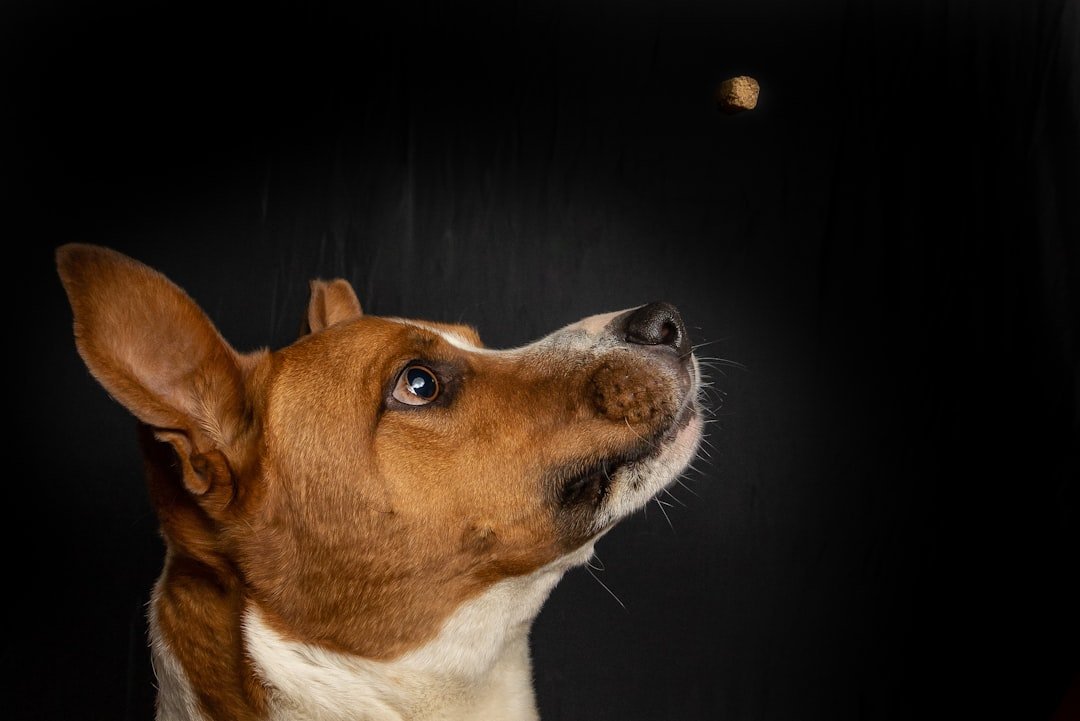
The Waning Moon is a time when sensitive animals will tune into their sixth sense and know it is time to hunt, gather food, and build their homes in order to protect their family and prepared for the future. During these phases, your dog might become more protective or territorial.
Coming off of the excitement of the full moon, the moon’s waning phase is the two-week period that follows. Your schedule might slow down, and you may want to reflect on any important realizations that have come up. If you have been training your dog, try not to introduce any new information at this time. Continue to practice the lessons you introduced earlier on in the month.
Super Moons and Heightened Sensitivity
A super moon occurs when a full or new moon coincides with the Moon’s closest approach to Earth in its orbit (called perigee). Animals tend to be ultra sensitive during this time of a very big full moon.
During super moons, you might notice your dog’s typical lunar behaviors become more intense. If they usually get a bit restless during full moons, expect that restlessness to be amplified. This is when having calming strategies becomes especially important.
Practical Tips for Managing Moon-Related Behavior Changes

The full moon is the perfect period to get in more active exercises, such as going on a long run or hike, take your pup to the dog park to socialize, or even try walking your cat! Plan extra physical activities during high-energy lunar phases to help your dog burn off excess energy constructively.
Give your animal companions a spa experience by gently massaging them when the full moon is out. Not only will this calm them down, but it’s also a great distraction from their erratic behaviour. Create a soothing environment with dim lighting, soft music, and gentle physical contact to help your pet feel secure during intense lunar periods.
How Different Dog Personalities React to Lunar Cycles
For instance, if your dog is generally calm and relaxed, they may appear to be more hyper and agitated around the time of a full moon. If your dog tends to be hyper and full of energy, they may become much more tired and relaxed as a full moon approaches. Understanding your individual dog’s personality helps predict how they might respond to lunar changes.
Sensitive dogs might become more clingy or anxious, while confident dogs might become more assertive or territorial. Watch for patterns in your dog’s behavior and keep a moon phase calendar handy to track correlations.
Creating Moon-Aware Care Routines

If your furry friend is in poor health when the full moon is out, they’ll become even more distressed. So make sure to keep them healthy and happy. Give your pet a healthy diet, full of the nutrients that they need to thrive. You should also keep them active in this period.
Maintain consistent routines while being flexible enough to accommodate lunar-influenced energy changes. Stock up on puzzle toys for high-energy phases and create cozy retreat spaces for calmer periods. Consider adjusting feeding times or exercise schedules based on your dog’s lunar patterns.
Building Stronger Bonds Through Celestial Awareness
Understanding your dog’s potential lunar sensitivities opens up new opportunities for deeper connection. When you recognize that your pet might be feeling the effects of cosmic forces just like you do, it creates empathy and patience for behaviors that might otherwise seem random or frustrating.
This awareness transforms challenging lunar periods into opportunities for extra comfort and care. Instead of feeling confused by your dog’s sudden personality changes, you can respond with understanding and appropriate support, strengthening the trust between you both.
Conclusion

While science continues to explore the exact mechanisms behind lunar influences on animal behavior, countless pet owners report meaningful correlations between moon phases and their dogs’ moods. Whether it’s the gravitational pull, electromagnetic fields, or simply increased human activity during bright full moon nights, something seems to be affecting our furry friends.
The beauty of understanding these potential lunar connections lies not in rigid rules, but in paying closer attention to your individual dog’s patterns and needs. By staying tuned to both celestial cycles and your pet’s unique personality, you’re positioned to provide more intuitive, responsive care that honors their natural rhythms and deepens your bond.
What patterns have you noticed in your dog’s behavior – could the moon be whispering secrets about their mood that you’re just beginning to understand?


