You might not think that a fluffy, rust-colored fox could be the villain in an ecological crisis. Yet here we are. High in the Sierra Nevada mountains, where ancient peaks scrape the sky and snow blankets the ground for months at a time, an invasion is quietly unfolding. The culprits aren’t the typical suspects you’d expect. They’re foxes, but not the ones that belong here.
These introduced red foxes are doing far more than simply surviving in a new home. They’re altering the delicate balance that native species depend on, spreading disease, and threatening one of North America’s rarest mammals. Let’s be real, most folks don’t realize how deeply these non-native animals have embedded themselves into California’s high country, or the chaos they’re leaving in their wake.
The Origin Story of a Problematic Predator
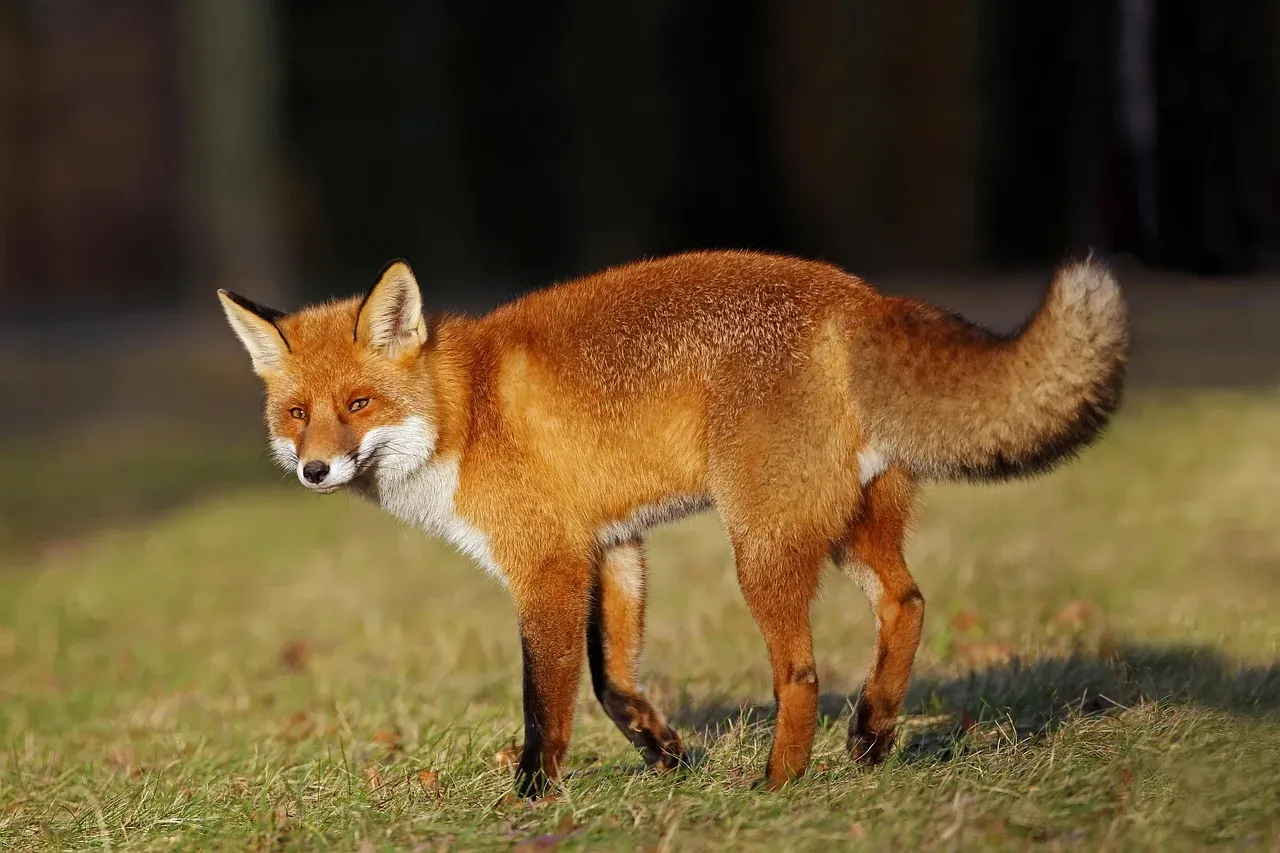
Non-native lowland red foxes were introduced to California from the Midwest in the late 1800s, primarily for fur-farming purposes. Think about that for a second. People brought them here on purpose. From the 1920s to the 1940s, at least six fox farms operated within the historical range of the Sierra Nevada red fox, and honestly, it’s hard to say for sure, many of these animals likely escaped or were deliberately released.
These red foxes are genetically very distinct from native populations, derived from introduced foxes from the eastern United States and Alaska. They weren’t meant to be in the western mountains. Their genetics tell a completely different story from the rare native Sierra Nevada red fox that evolved to survive in high-elevation alpine conditions. Over time, these non-native foxes expanded throughout lowland and coastal California, establishing themselves as permanent residents where they never should have been.
Genetic Mixing That Dilutes Survival
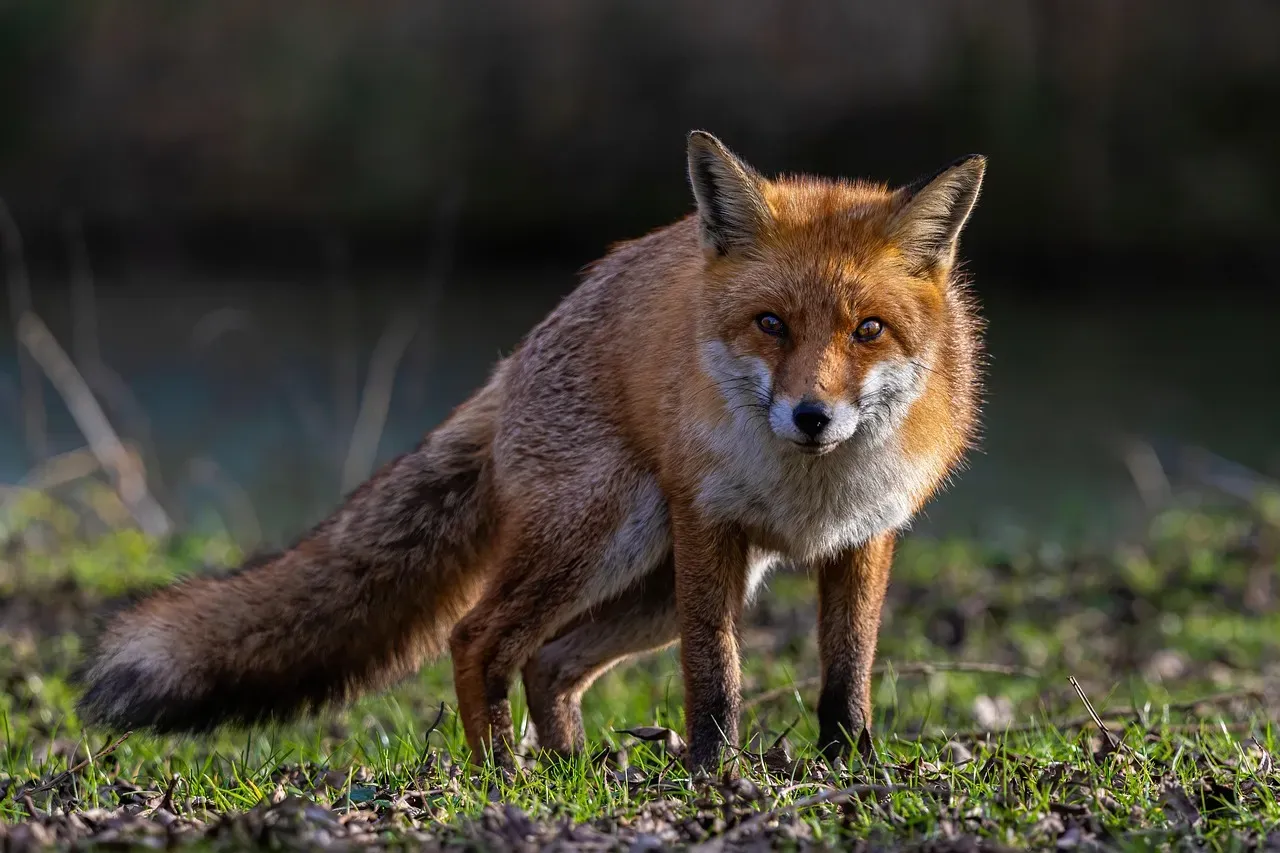
Sierra Nevada red foxes risk hybridization with non-native red foxes, and interbreeding with non-native red foxes may reduce genetic adaptation to local conditions. This isn’t just about two similar-looking animals having babies together. The consequences run much deeper than that.
Adaptations are less pronounced in hybrid kits. Picture this: native Sierra Nevada red foxes have specialized features like furry toe pads that act like snowshoes, smaller body sizes, and adaptations honed over thousands of years to survive brutal alpine winters. When they breed with lowland foxes that lack these traits, their offspring lose those critical advantages. The Sierra Nevada population faces threats including hybridization with nonnative red fox. It’s like watering down a recipe that took millennia to perfect.
Competition for Food and Territory
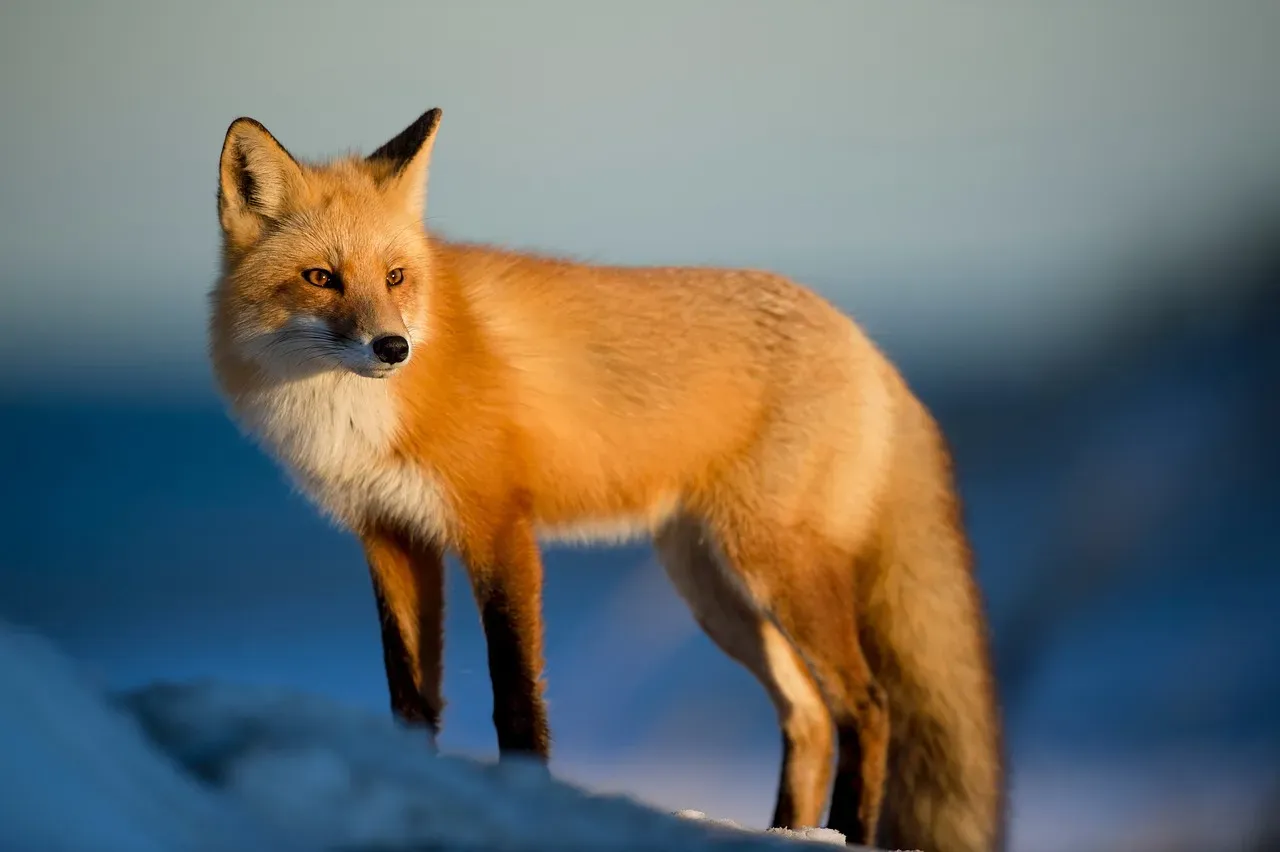
Given the low numbers of the Sierra Nevada red fox and the increase of non-native red fox population, competition from this non-native species is increasingly a concern for the Sierra Nevada subspecies. We’re talking about direct resource battles here. Food, den sites, hunting grounds… everything is up for grabs.
The native foxes are already struggling. Only about 18 to 39 individuals remain in the wild today. Meanwhile, non-native red fox populations have expanded significantly across California. Expansion of non-native lowland red foxes into high elevation areas results in increased competition. When you’re one of fewer than 40 individuals trying to survive, every meal matters. Every lost territory could be the difference between breeding successfully or not. The math is brutal, and the native foxes are losing.
Disease Transmission From Intruders to Natives
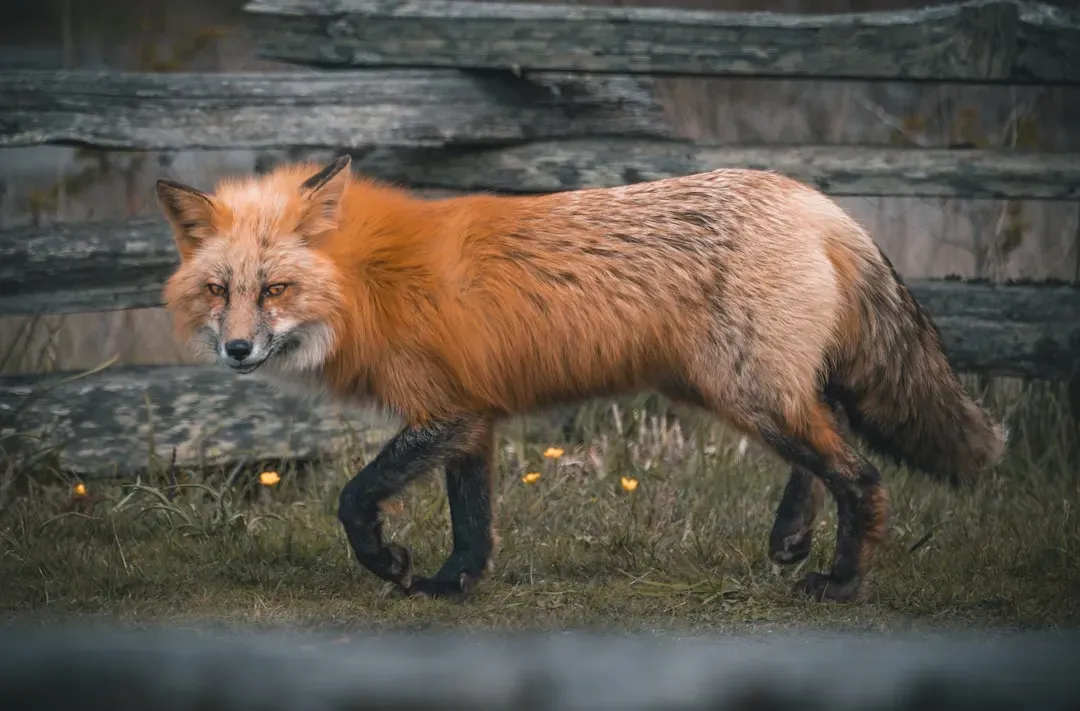
Here’s where things get genuinely alarming. Foxes introduced for hunting or escaped from fur farms pose significant threats due to disease transmission. The diseases carried by these non-native foxes can devastate small, isolated populations like the Sierra Nevada red fox.
The expansion results in potential transmission of harmful diseases and parasites. Think about sarcoptic mange, canine distemper, rabies. These aren’t minor inconveniences. Diseases most likely to have population-level effects on the Sierra Nevada red fox include sarcoptic mange, canine distemper, and rabies. For a population already teetering on the edge of extinction, a single disease outbreak could wipe them out entirely. Habituation of foxes to humans and human food sources may subject them to dog attacks, dog diseases and vehicle collisions.
What Dog Owners Need to Know
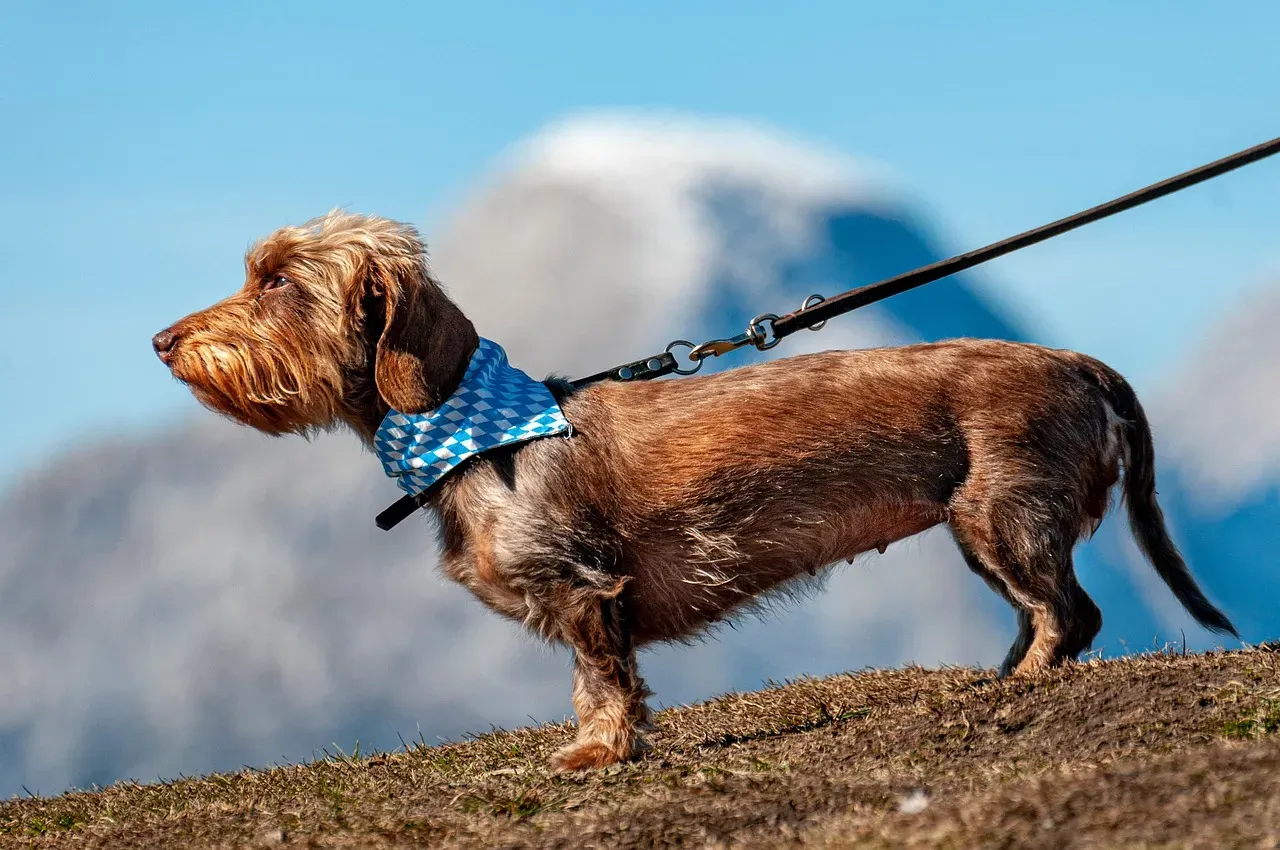
If you love hiking with your dog in the Sierra Nevada high country, pay attention. Your furry companion could inadvertently become part of this problem. Domestic dog-mediated disease vectors are among the documented threats. Dogs can carry and transmit diseases to wild canids, including both native and non-native foxes.
Never feed wildlife and pick up all trash when hiking in the High Sierra, especially along the Pacific Crest Trail, as feeding and trash deposition make foxes accustomed to humans, which ultimately can place them in danger. Keep your dog leashed in sensitive wildlife areas. If your dog encounters a fox, the interaction could spread parasites or diseases that neither animal is equipped to handle. One documented case involved a Sierra Nevada red fox killed by a dog after the fox had been exhibiting begging behavior near humans. Prevention is everything here.
Conclusion: A Crisis Unfolding in Silence
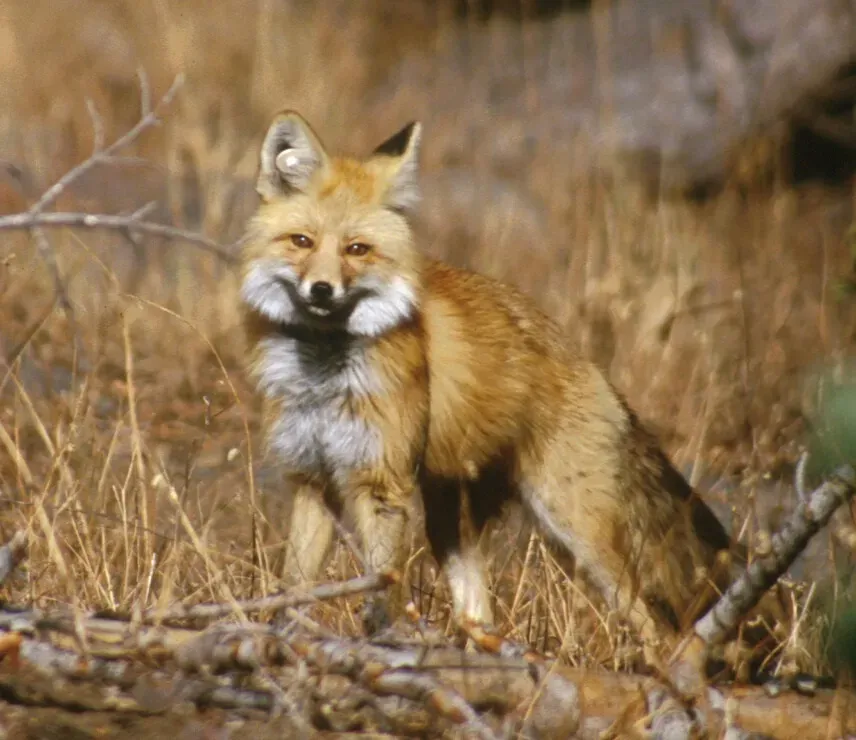
The Sierra Nevada red fox was officially designated as an endangered species in 2021. That designation came after decades of decline, driven partly by these non-native competitors and the genetic chaos they’ve introduced. The ecosystem disruption caused by non-native red foxes goes beyond simple competition. It’s genetic pollution, disease vectors, and resource theft all rolled into one devastating package.
As dog lovers and outdoor enthusiasts, we have a role to play. Protect native wildlife by keeping dogs leashed and vaccinated. Never feed wild animals. Report fox sightings to wildlife authorities. These small actions matter more than you might think when a species is hanging by a thread.
The Sierra Nevada red fox has survived ice ages and climate shifts, but it might not survive us and the problems we’ve introduced. What will you do to help protect what’s left of this remarkable mountain dweller?