
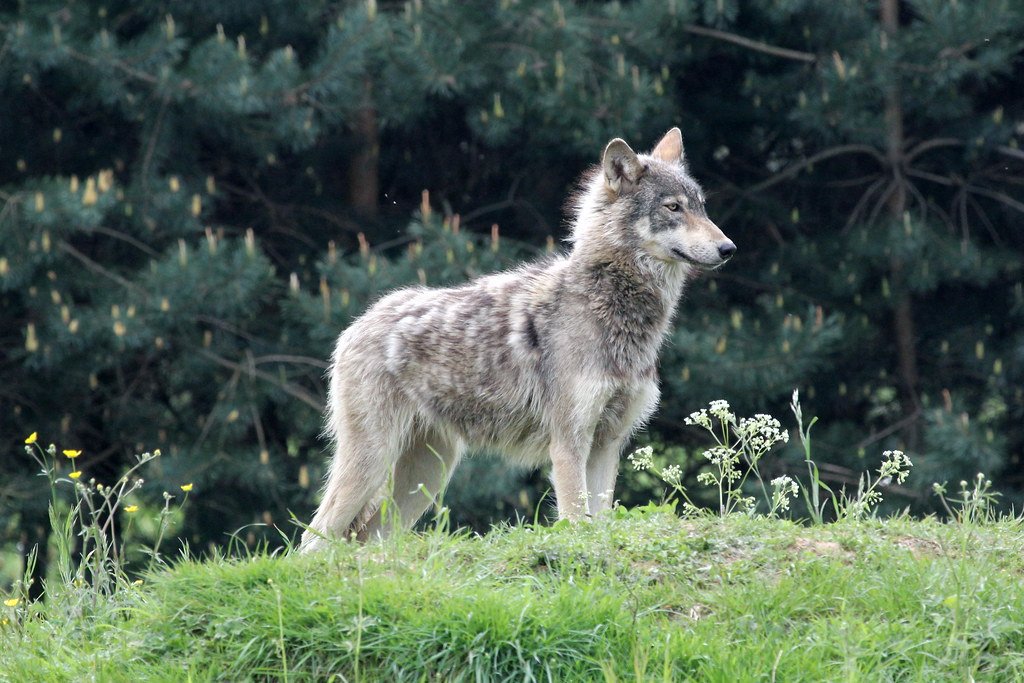
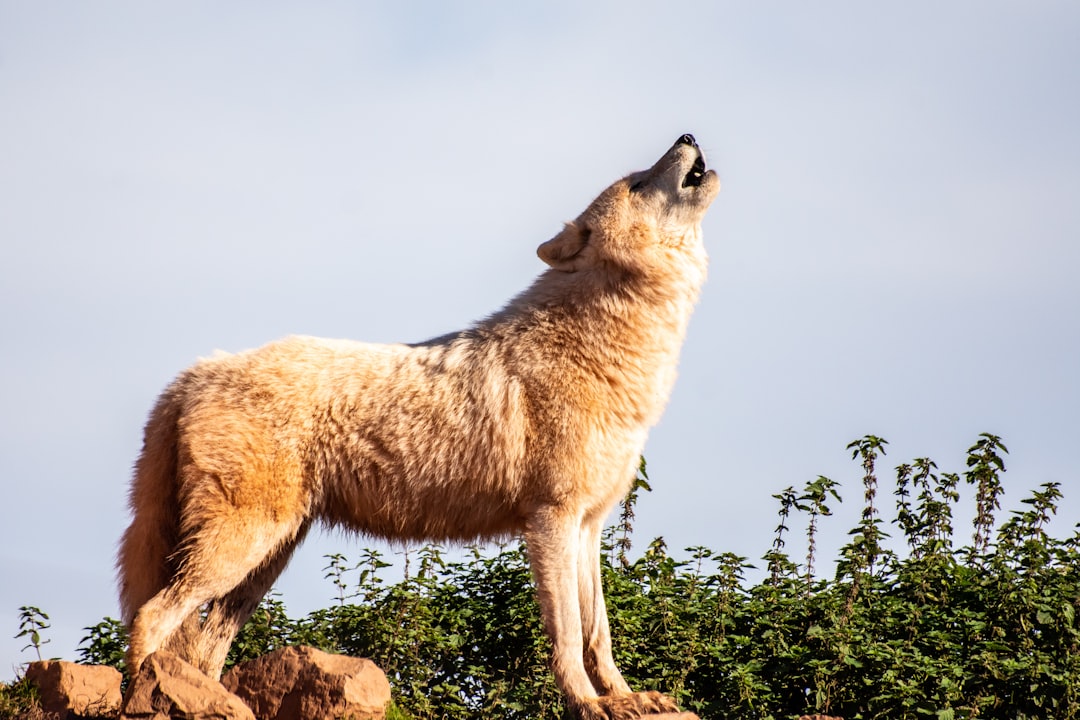
There’s a wild and beautiful tension running through the heart of Colorado’s mountains: the haunting howl of the wolf echoing across the land, and the steady, determined work of ranchers tending their herds. Can such fierce predators and hardworking people really share the same ground? For some, the idea is thrilling — a testament to nature’s resilience. For others, it’s a source of sleepless nights and anxiety. But here’s the surprising thing: coexistence isn’t just possible, it’s already happening in pockets across the American West. The question is, can Colorado become a model for this brave new balance?
The Return of Wolves to Colorado
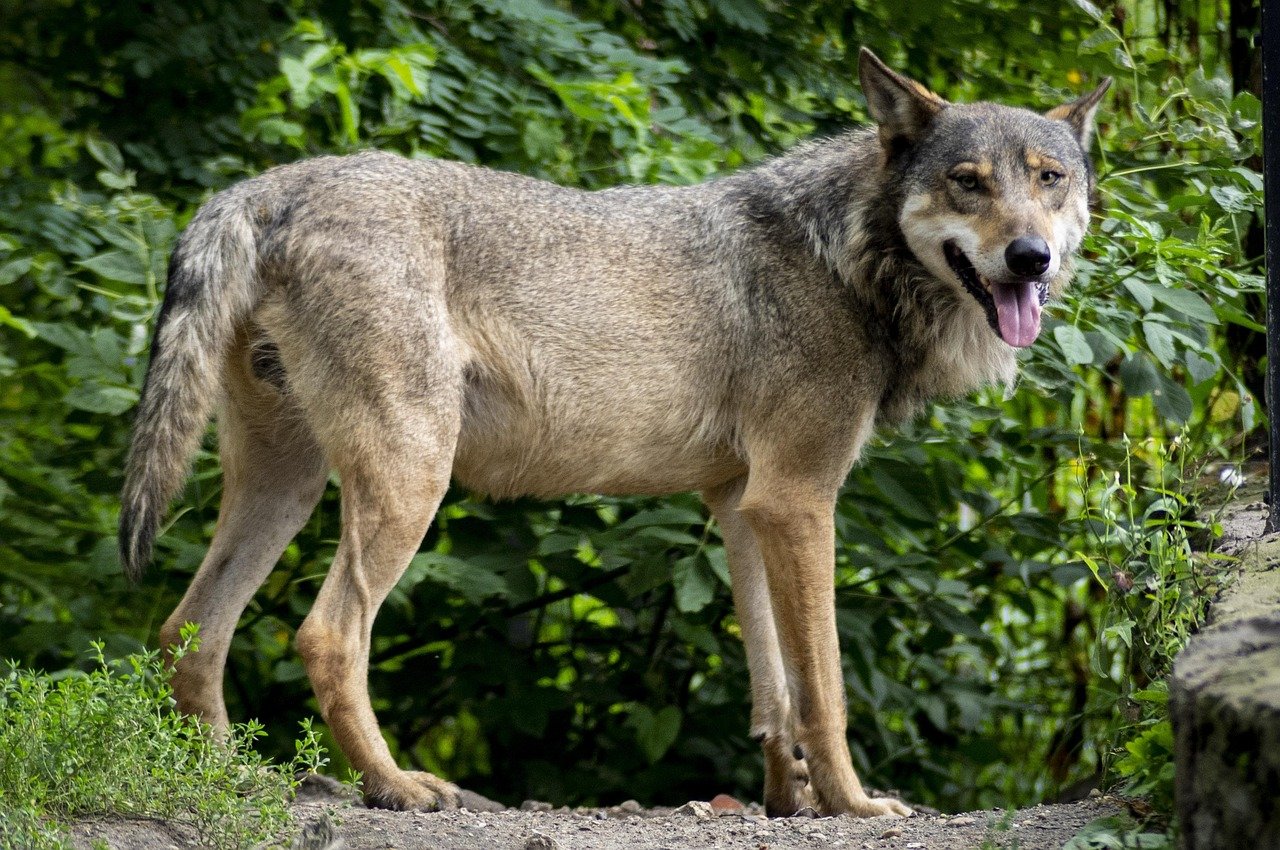
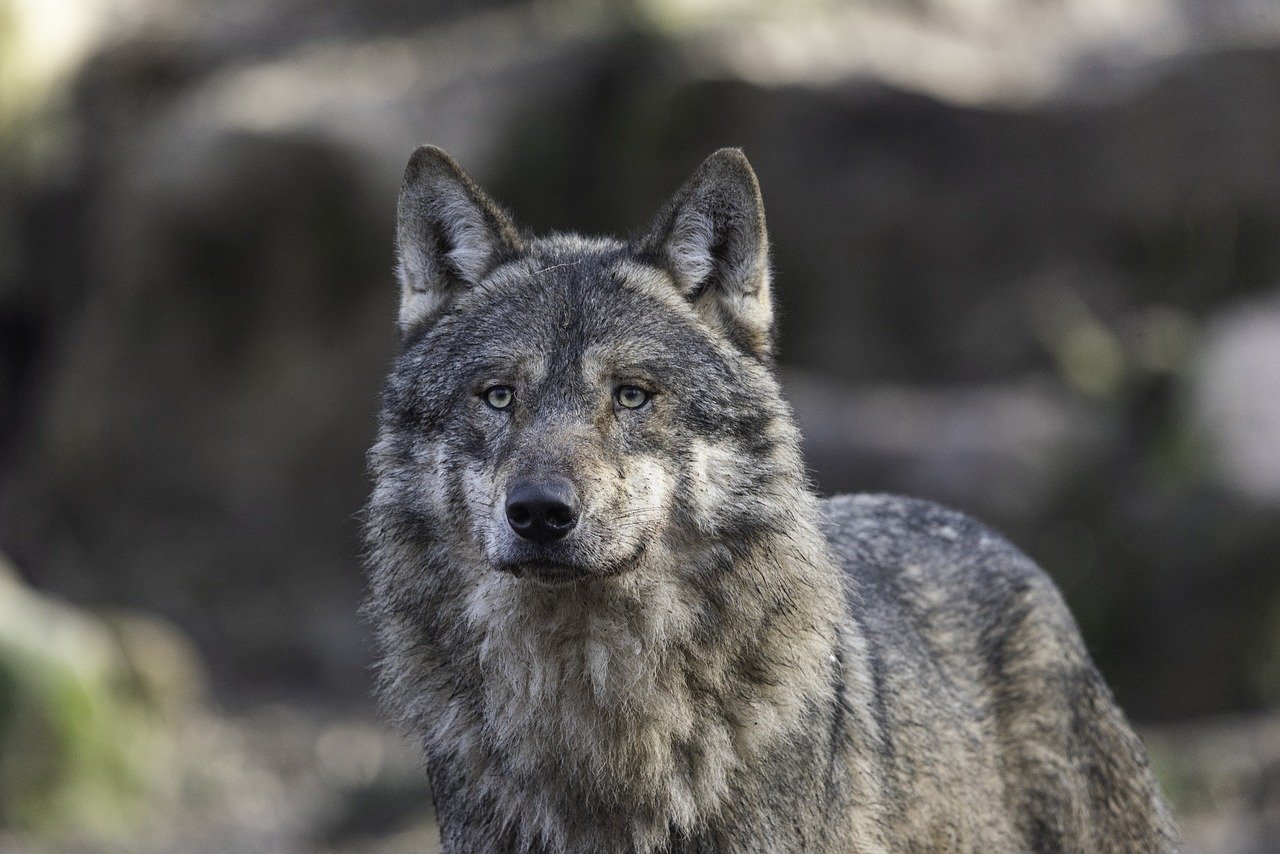
After nearly a century away, gray wolves have made their way back to Colorado, both through reintroduction and natural migration. Their return has sparked joy among conservationists and wildlife lovers, who see these animals as a symbol of wildness and a vital part of the ecosystem. Wolves help keep deer and elk populations in check, which benefits forests and rivers. Their presence means Colorado’s natural world is becoming a bit more complete, a little wilder, and a lot more interesting.
But not everyone welcomed them back with open arms. For ranchers, the arrival of wolves brought worry and uncertainty. Generations of experience taught them that wolves could be a real threat to livestock, which are their livelihoods. The tension between these two groups has created a storm of emotion and opinion across the state, sparking passionate debates in town halls and on social media. It’s a story with roots deep in Colorado’s soil, and its outcome could shape the future of the West.
Why Wolves Matter in the Ecosystem
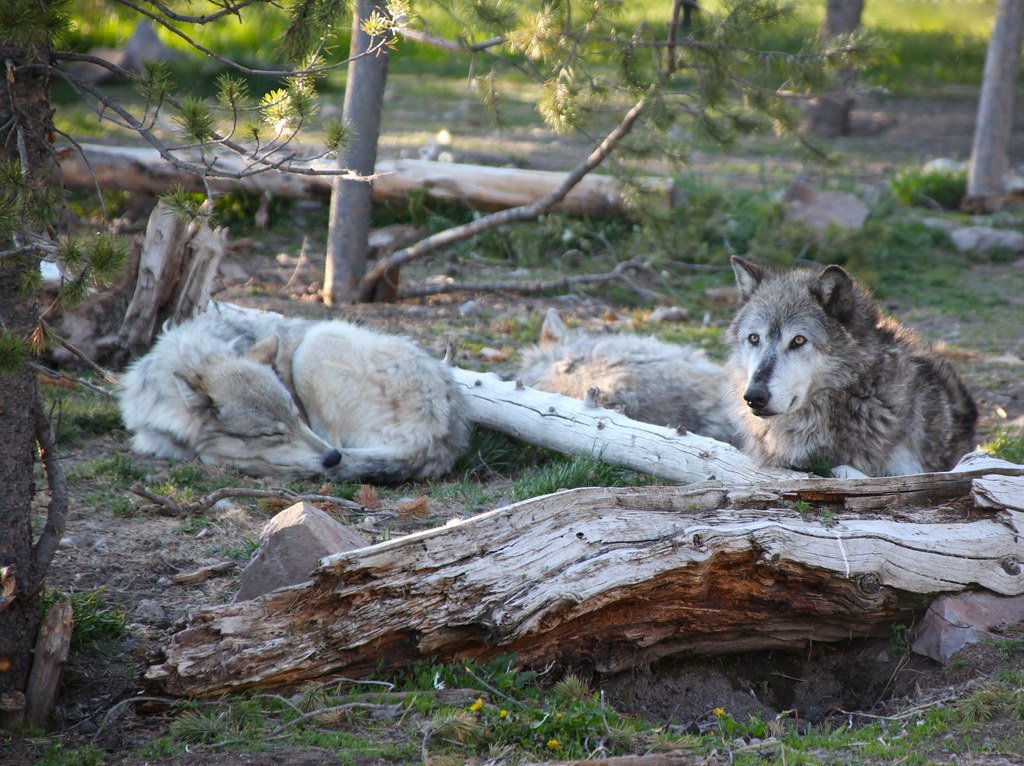
Wolves are often called “keystone species.” This means their presence has an outsized impact on the land and its other creatures. When wolves disappear, prey animals like elk and deer can overgraze, damaging forests and riverbanks. This has ripple effects, even changing the course of streams and affecting fish, birds, and insects. In places where wolves have returned, scientists have seen landscapes start to heal.
For wolf lovers, these changes are inspiring. Wolves are not just hunters; they’re ecosystem engineers. Seeing them back in Colorado gives hope that nature can rebound from past mistakes. Even those who don’t love wolves for their own sake can appreciate the benefits they bring to the environment, from healthier forests to more robust streams. The challenge is making sure these benefits don’t come at too high a cost for the people who live and work on the land.
Ranchers’ Concerns: Livelihoods at Stake
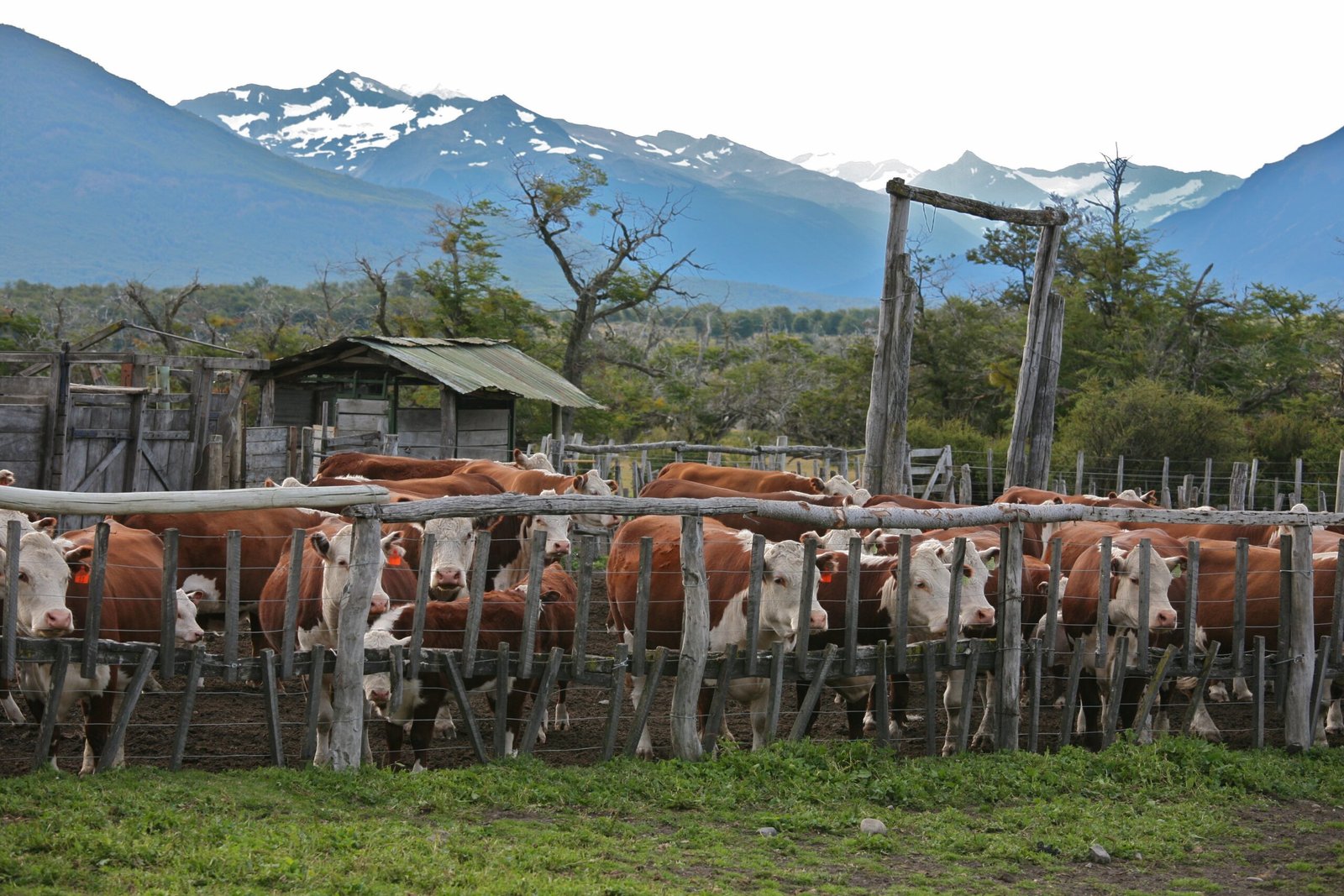
Imagine spending years building up your ranch, only to wake up one morning and find your cattle or sheep have been killed by wolves. It’s heartbreaking and financially devastating. For many ranchers, wolves aren’t just another wild animal; they’re a direct threat to their way of life. The fear is real, and it’s not just about money. It’s about tradition, family, and the pride that comes from caring for animals and land.
Ranchers often feel misunderstood or even villainized in the debate over wolf reintroduction. While some people see them as obstacles to conservation, most ranchers care deeply about the land and the creatures on it. They want to be part of the solution, but they also need support and understanding from their communities. Building trust is the first step toward finding common ground.
Compensation Programs: A Safety Net for Ranchers
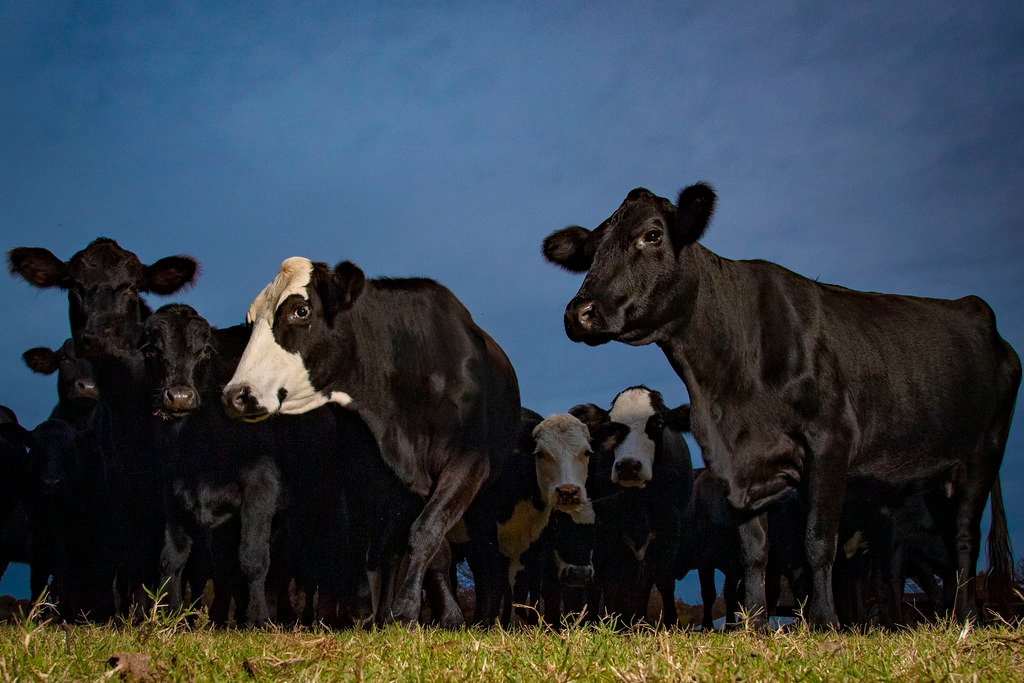
One approach Colorado has adopted is compensation programs for ranchers who lose livestock to wolves. These programs pay ranchers for confirmed losses, which helps ease the financial blow. It’s not a perfect solution — some losses are hard to prove, and payments don’t always cover the emotional toll — but it’s a vital safety net. Knowing that help is available makes some ranchers more willing to tolerate wolves on the landscape.
Compensation programs also send a message: the state values both wolves and ranchers. By putting money behind this commitment, Colorado is acknowledging the sacrifices some people are making for the greater good. If these programs are fair, fast, and transparent, they can build goodwill and encourage ranchers to participate in coexistence efforts.
Nonlethal Deterrents: Living with Wolves, Not Against Them
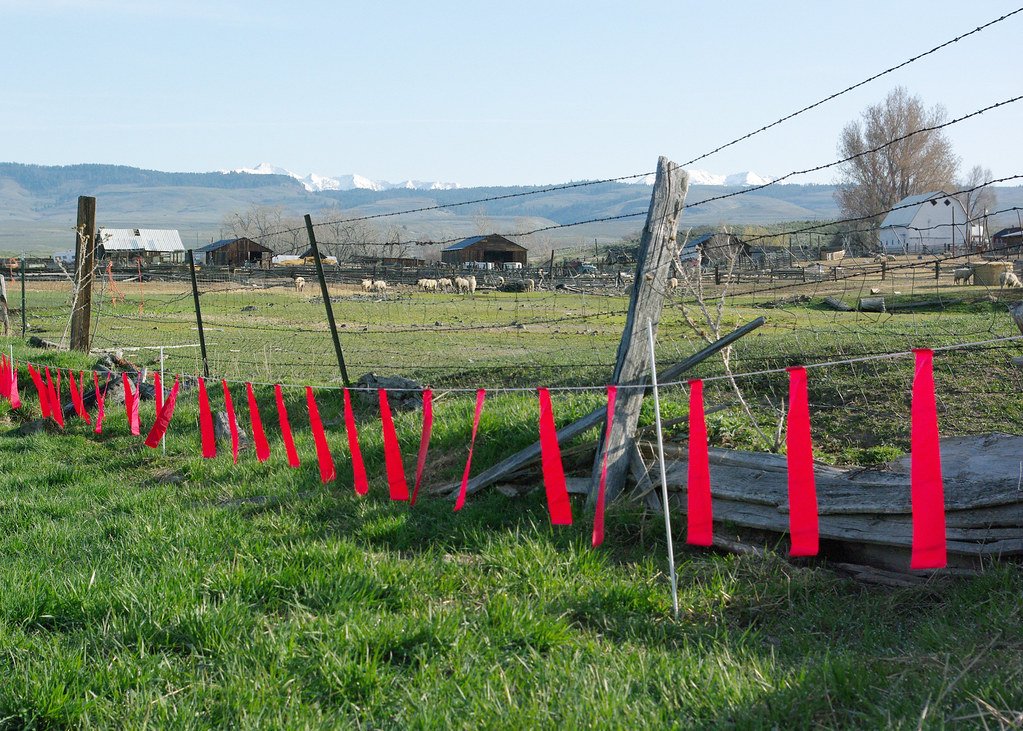
Beyond compensation, nonlethal deterrents are helping ranchers protect their herds without harming wolves. Tools like fladry (strips of colored fabric that wave in the wind), guard dogs, and motion-activated lights can scare wolves away from pastures. Some ranchers move their livestock to safer areas during risky times or use human presence to deter predators.
These methods require extra work and creativity, but they’re showing real promise. Ranchers who try nonlethal deterrents often report fewer losses and greater peace of mind. It’s not about fighting wolves — it’s about learning to outsmart them. Over time, these strategies can help build a new kind of respect between people and predators.
Community Collaboration: Building Bridges

The most successful coexistence efforts don’t happen in isolation. They rely on collaboration between ranchers, conservationists, scientists, and government agencies. When everyone sits down at the table, real progress becomes possible. In some Colorado communities, ranchers and wolf advocates have started regular meetings to share information, concerns, and solutions.
These conversations aren’t always easy, but they’re essential. By listening to each other, people can move beyond stereotypes and find common ground. Sometimes, it’s as simple as sharing tips that work. Other times, it takes hard negotiations and creative thinking. Either way, collaboration builds trust and makes long-term coexistence more likely.
Education and Outreach: Changing Hearts and Minds

For many people, wolves are mysterious creatures. Myths and fears can take root where information is lacking. That’s why education is so important. Outreach programs in schools and communities are helping people understand how wolves behave, why they matter, and what it takes to live alongside them. By replacing fear with knowledge, these programs are opening minds and changing attitudes.
Wolf lovers can play a big role here, sharing their passion and helping others see wolves in a new light. When people realize that wolves are more interested in deer than livestock, or learn about the ways wolves strengthen ecosystems, it’s easier to see them as neighbors rather than enemies. Education plants the seeds for a future where coexistence feels natural, not forced.
Technological Innovations: Tools for the Modern Rancher
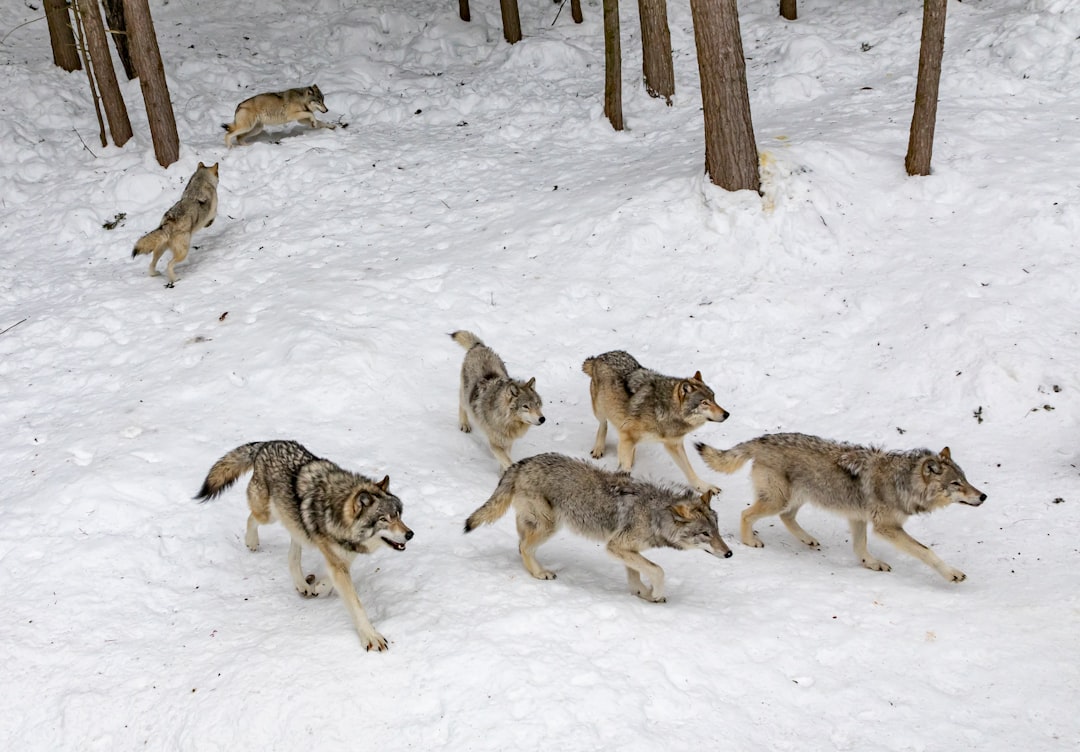
Technology is giving ranchers new ways to protect their herds and monitor wolf activity. GPS collars can track wolf packs, letting ranchers know when they’re nearby. Drones are being used to check on livestock or scout for predators, saving time and reducing risk. Even simple innovations, like better fencing or remote cameras, can make a big difference on the ground.
These tools aren’t just for big operations. Small ranches can benefit too, especially when they work together and share resources. By embracing technology, ranchers are taking control of their own futures and showing that coexistence doesn’t mean giving up. It means adapting, learning, and using every tool available.
Wolf Tourism: Turning a Challenge into Opportunity
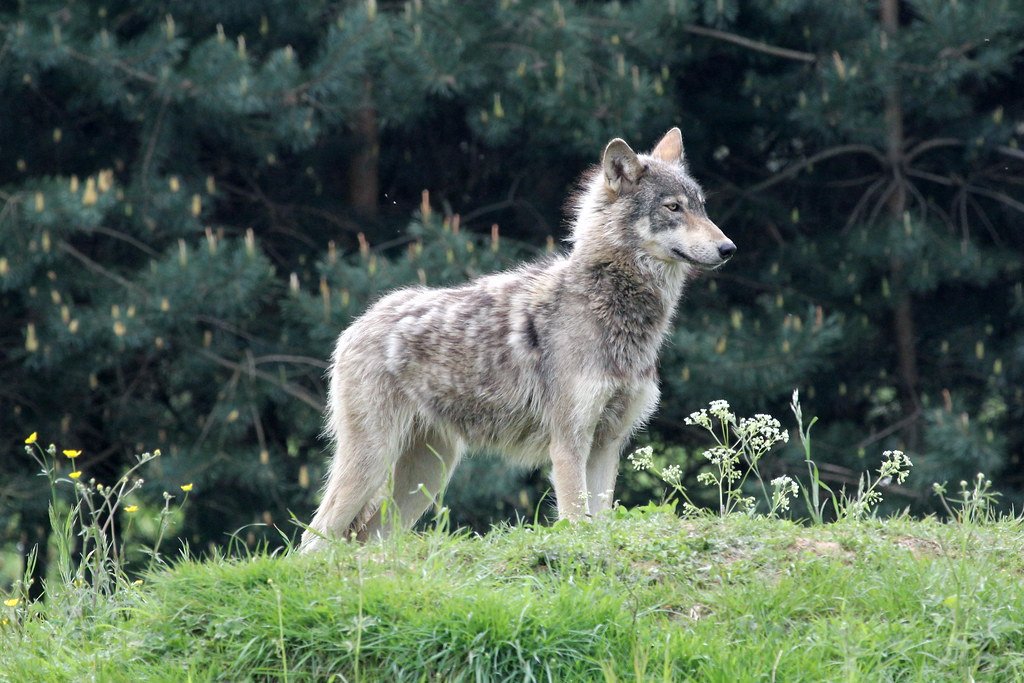
Some communities have started to see wolves not just as a challenge, but as an opportunity. Wolf tourism is growing in places where the animals have returned, drawing visitors who want to hear their howls or catch a glimpse in the wild. This can bring new money into rural areas, supporting restaurants, hotels, and guides.
Of course, tourism isn’t a solution for every ranch, and it won’t replace traditional ways of making a living. But for some, it’s a way to turn the presence of wolves into a positive. It also helps build a broader base of support for coexistence, as more people come to value wolves as part of Colorado’s natural heritage.
Stories of Coexistence: Learning from Successes
Across the West, there are inspiring stories of ranchers and wolves finding ways to live together. In Montana and Idaho, some ranchers have gone years without losing livestock, thanks to nonlethal deterrents and community support. Others have started “Predator Friendly” beef programs, marketing their meat as coming from ranches that don’t kill wolves.
These stories show what’s possible when people are willing to experiment, adapt, and work together. They also remind us that coexistence isn’t about perfection — it’s about trying, learning from mistakes, and celebrating small victories. Every ranch that finds a way to share the land with wolves is a beacon of hope for Colorado’s future.
Looking Ahead: The Path Forward in Colorado
The journey toward coexistence in Colorado is still unfolding, with fresh challenges and opportunities on the horizon. As more wolves settle in and ranchers continue to adapt, the lessons learned here could shape policies and attitudes across the country. The key will be staying flexible, listening to each other, and remembering what’s at stake — not just for wolves and ranchers, but for all who call Colorado home.
The path forward won’t be easy, and setbacks are inevitable. But with determination, creativity, and a willingness to work together, Colorado has a real shot at becoming a model for coexistence. Isn’t it wild to imagine a future where wolf howls and cattle bells both belong on the same mountain breeze?
Finding harmony between ranchers and wolves in Colorado isn’t just possible—it’s already happening. With creative strategies, mutual respect, and a bit of patience, both can thrive on the same land. Coexistence doesn’t mean sacrificing livelihoods or wildlife; it means choosing smarter solutions that protect both. In the end, when we work with nature instead of against it, everyone wins.


