
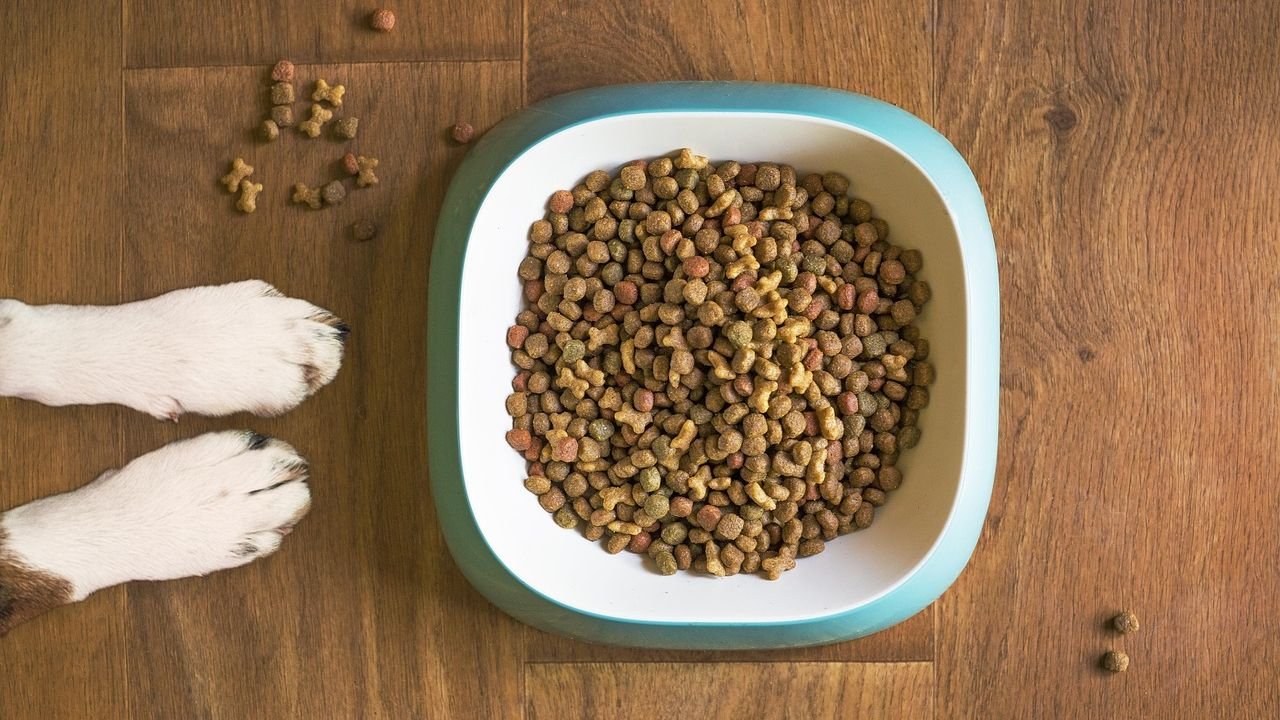
Picture this. You’ve just brought home a wriggly bundle of puppy joy, and suddenly you’re hit with a thousand questions. One of the most pressing ones? When can this little furball start munching on actual kibble? It’s a question that keeps many new puppy parents up at night, right alongside the soft whimpering from the crate. Let’s be real, the whole weaning process can feel like navigating uncharted territory. You want to do everything right for those tiny teeth and that rapidly growing body.
The truth is, timing matters more than you might think. Start too early and you risk digestive upset. Wait too long and you might miss key developmental windows. Here’s the thing, though: your puppy is already giving you clues about their readiness, and I’m here to help you decode them.
The Natural Timeline: When Puppies Begin Their Solid Food Journey
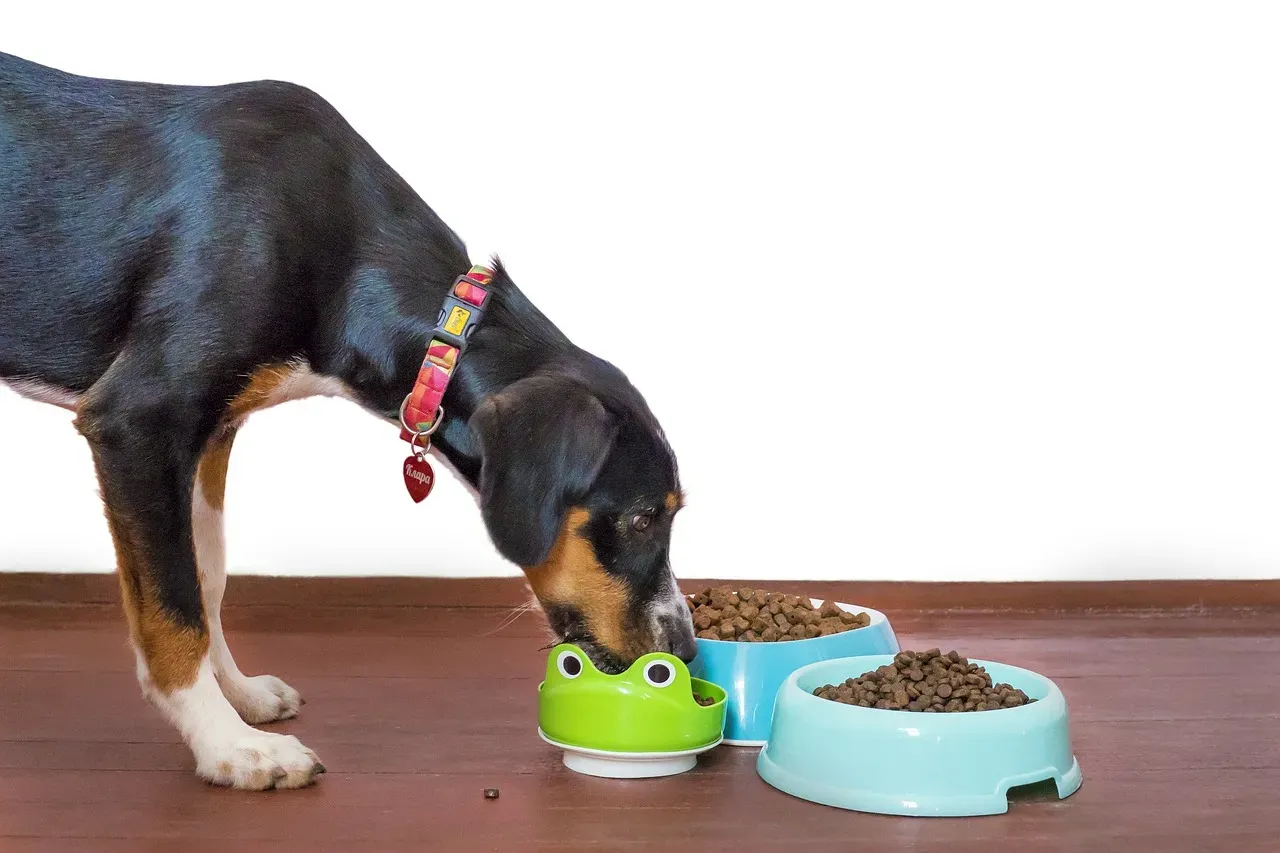
Puppies need only their mother’s milk or puppy milk replacer from birth until around three to four weeks old, which is when weaning begins. This isn’t some arbitrary number pulled from thin air. Mother dogs naturally start restricting access to milk around four or five weeks old, which pushes puppies toward solid food.
Think of it like this: nature has a plan. Weaning naturally begins as puppies start developing teeth, typically at three to four weeks of age. Those sharp little baby teeth aren’t just adorable, they’re actually uncomfortable for mama dog during nursing.
The weaning process usually isn’t complete until a puppy is six to eight weeks old. That’s roughly a month-long journey from first taste to full kibble-crunching independence. Patience is your best friend here.
Starting Soft: The Gruel Phase Every Puppy Needs
So here’s where things get messy, literally. You should start by letting kibble sit in warm water to soften it, then mash it up with a fork. Mix the food with hot water, let it sit for about fifteen minutes until it starts to soften, then mush it up, and when it has cooled to a temperature closer to your body’s own, it’s ready.
I know it sounds like making baby food, which honestly isn’t far off. At about four weeks of age, as your puppy is being weaned from mother’s milk, start adding small meals of quality puppy food, either in wet form or a moistened version of dry puppy food. The consistency should be soupy at first, almost like a thick smoothie.
Provide puppies with food four times a day. Yes, four times. Puppies have tiny stomachs but massive energy needs, so frequent small meals are the way to go during this phase.
The Gradual Transition: From Mush to Crunch
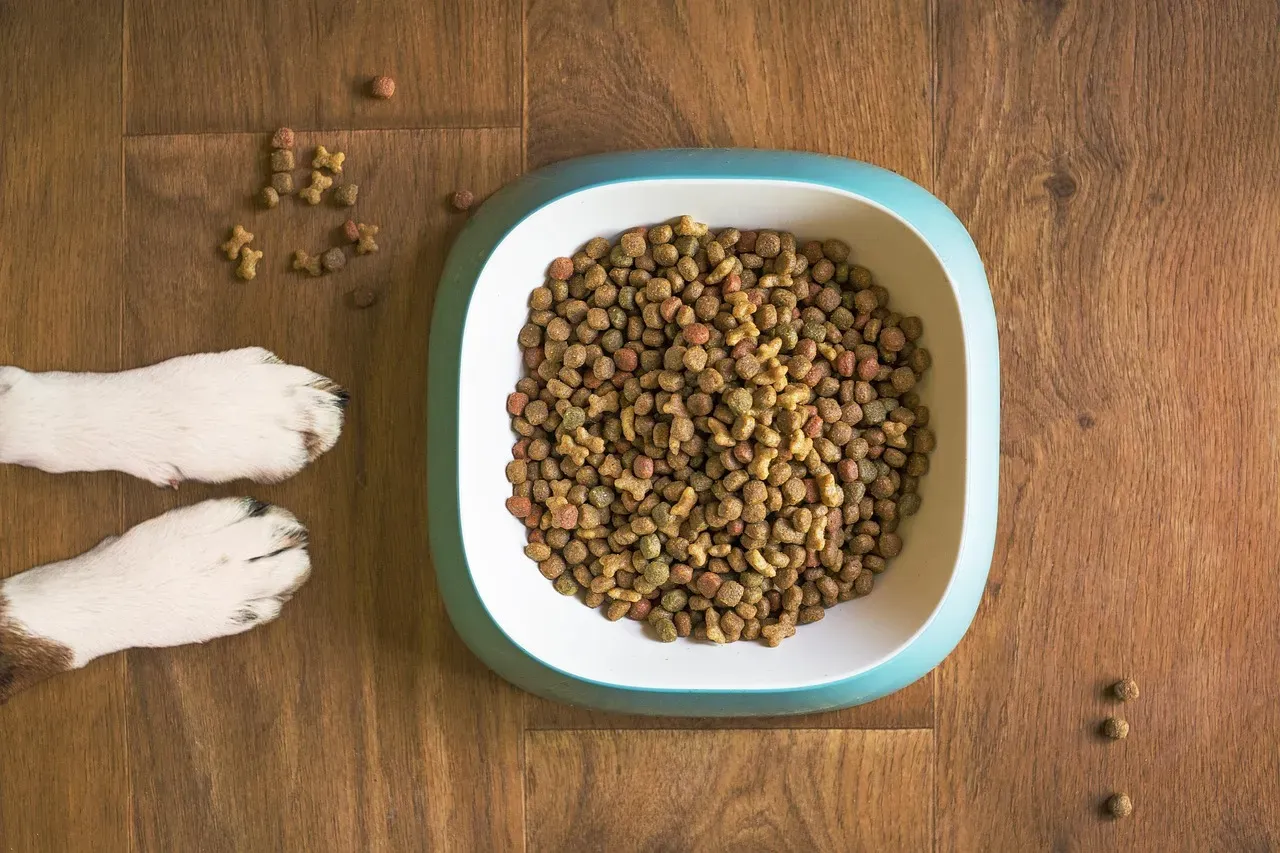
This is where your observational skills really come into play. You should reduce the amount of water mixed with kibble very gradually over the next few weeks, and by around the seventh week you should be feeding only dry food. Notice that word “gradually”? It’s doing some heavy lifting here.
The weaning guide suggests week one should be one part dry dog food to three parts liquid, week two should be two parts dry food to two parts liquid, week three should be three parts dry food to one part liquid, and by week four your pup should be ready to eat dry dog food. It’s like a recipe for success, measured and methodical.
Don’t rush this process because you’re eager to stop making puppy porridge. If your puppy seems to be struggling with the transition from liquid to dry food, slow down the weaning process, because no puppy is the same.
Reading the Signs: How to Know Your Puppy Is Ready
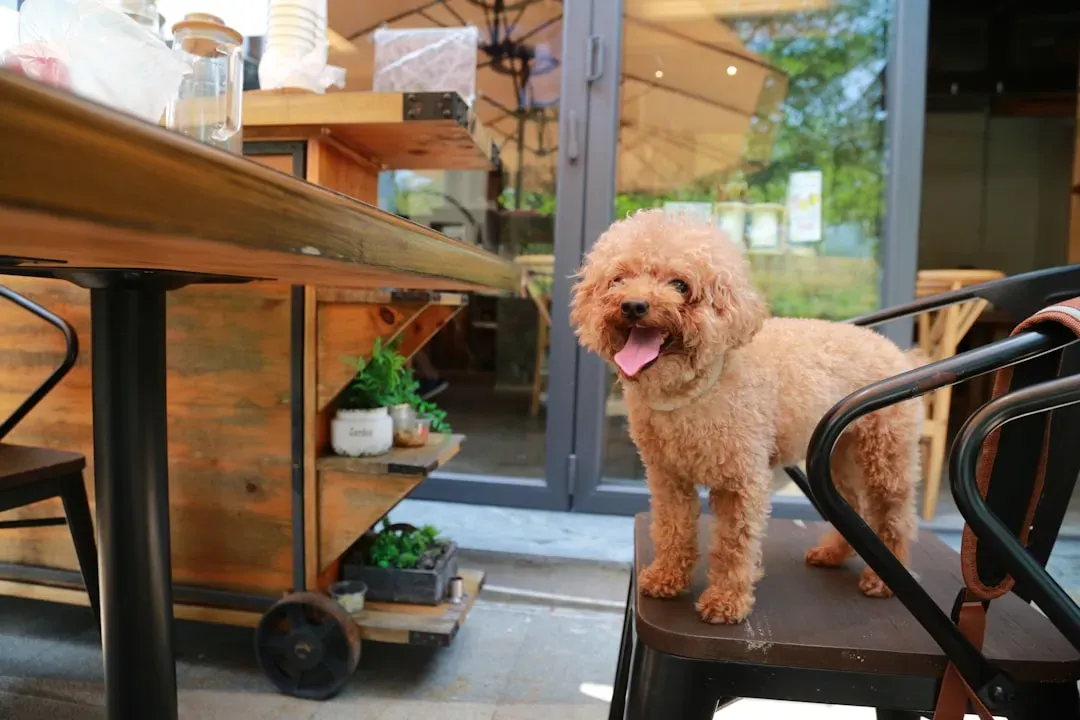
Your puppy will tell you when they’re ready, you just need to know what to look for. By six weeks, puppies typically have a set of baby teeth ready for chewing, and if your puppy has successfully transitioned from milk to soft food, they are likely ready for kibble. Those emerging teeth are nature’s green light.
Watch how your puppy tackles their softened food. Are they lapping it up eagerly? Do they seem frustrated with the mushy texture, like they want something more substantial to chew? These are good signs they’re ready for slightly firmer food.
By now, puppies should be eating soft food with gusto, and many puppies will be ready for food that has chunks in it. Energy levels matter too. A thriving, active puppy with steady weight gain is telling you their digestive system is handling the transition well.
Special Considerations: Size Really Does Matter
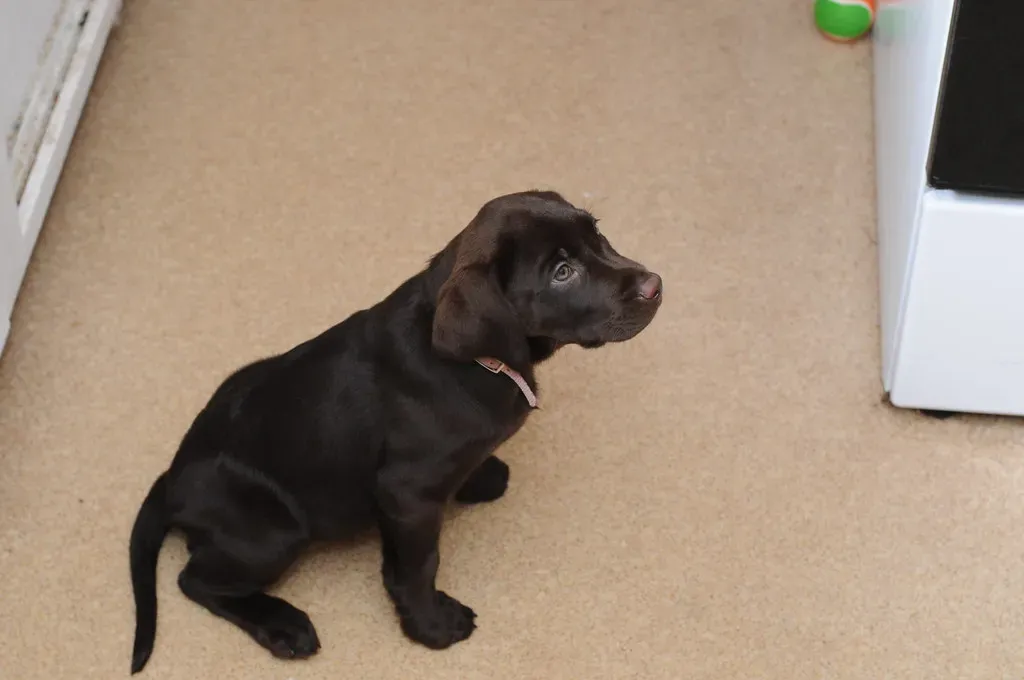
Here’s something that surprised me when I first learned it. Large breed puppies should be fed unmoistened dry puppy food by nine or ten weeks, while small dogs should be by twelve or thirteen weeks. That’s a noticeable difference based purely on size.
Why the gap? Large breed puppies have different developmental needs, particularly for bone and joint health. Large breeds may need an extended moist food period to support slower digestive maturity, with dry kibble appropriate by nine to ten weeks. Their bodies are working overtime to build those big frames, so their digestive systems need a bit more time to mature.
Small breeds may prefer smaller kibble so they can more easily chew their food, which helps ensure they get all the nutrients they need, and small breed-specific dog food is important due to their increased metabolism. Those tiny jaws need appropriately sized pieces to crunch.
Conclusion: Trust the Process and Your Puppy
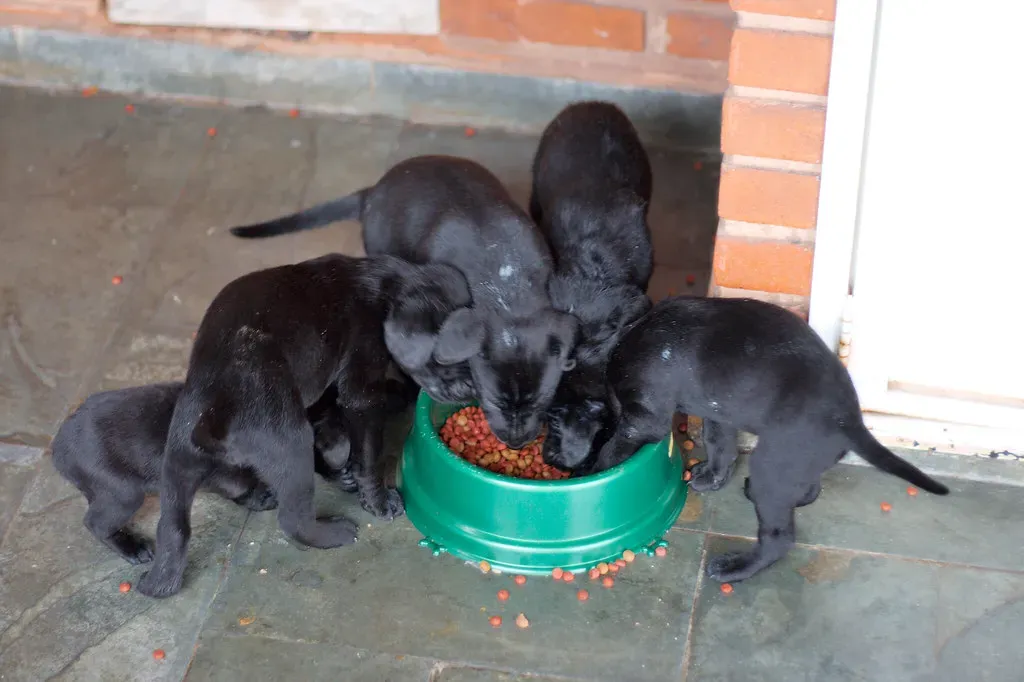
Most puppies are fully weaned and eating only wet puppy food or softened dry food by the time they are six to eight weeks old. That’s your target window, but remember, every puppy writes their own story at their own pace. Some will be chomping away at kibble by seven weeks, others might need that extra week or two.
The key is staying attentive. Watch your puppy’s energy, monitor their stools (I know, glamorous stuff), and track their weight gain. Your veterinarian is in the best position to tell you what is right for your puppy. When in doubt, reach out to your vet. They’ve seen hundreds of puppies through this process.
What was your puppy’s weaning journey like? Did they dive into kibble eagerly, or were they reluctant little grazers? Every puppy brings their own personality to the food bowl, and honestly, that’s part of what makes them so endlessly fascinating.


