
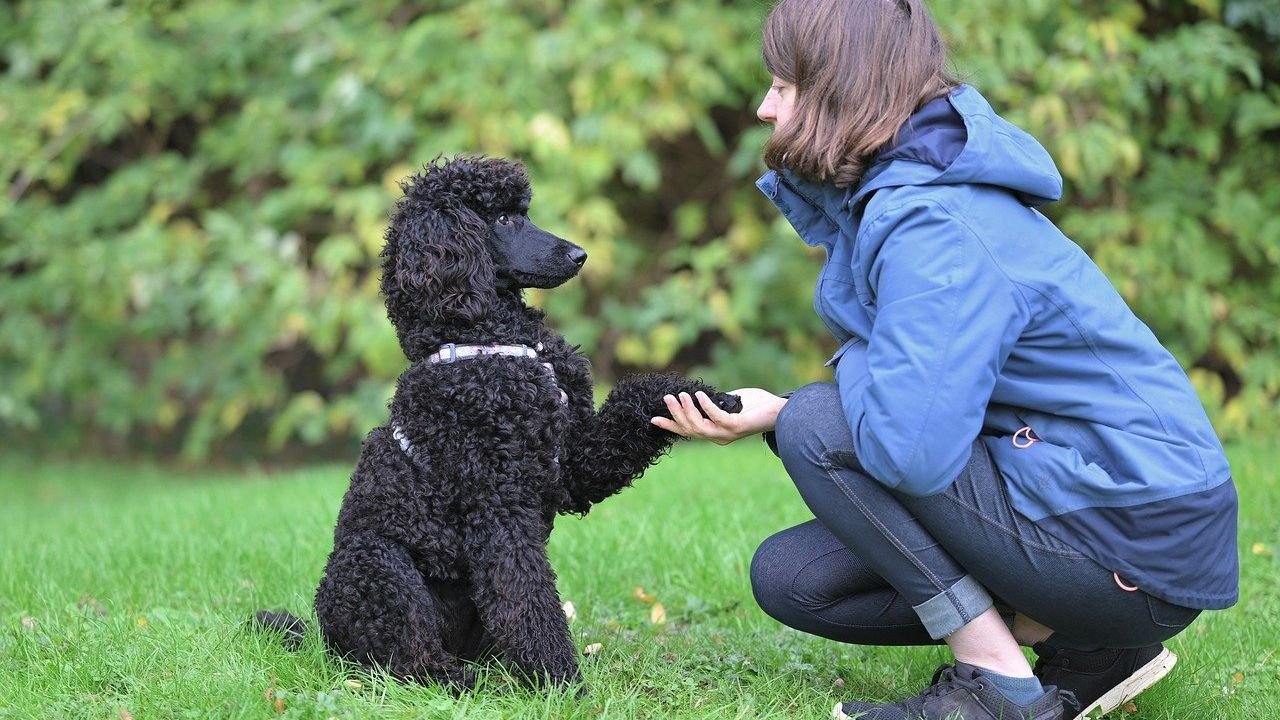
There is something genuinely magical about the moment looks up at you with those wide, trusting eyes. Your heart melts. You think, “Okay, this is it. We’re bonded.” Except, here’s the thing – real bonding takes more than one melting moment. It is built, piece by piece, through daily choices, small gestures, and a whole lot of patience.
If you have ever wondered why your new puppy still seems unsure around you, or why they bolt toward every stranger at the park before running back to you, you are not alone. How long it takes to form a bond with your puppy will vary depending on their age, breed, and temperament, and while some puppies may develop an attachment within a few days, others may require several weeks or even months to feel truly comfortable. That is completely normal. The good news? Every single day is a new opportunity to deepen that connection. Let’s dive in.
Create a Safe Space Before Anything Else
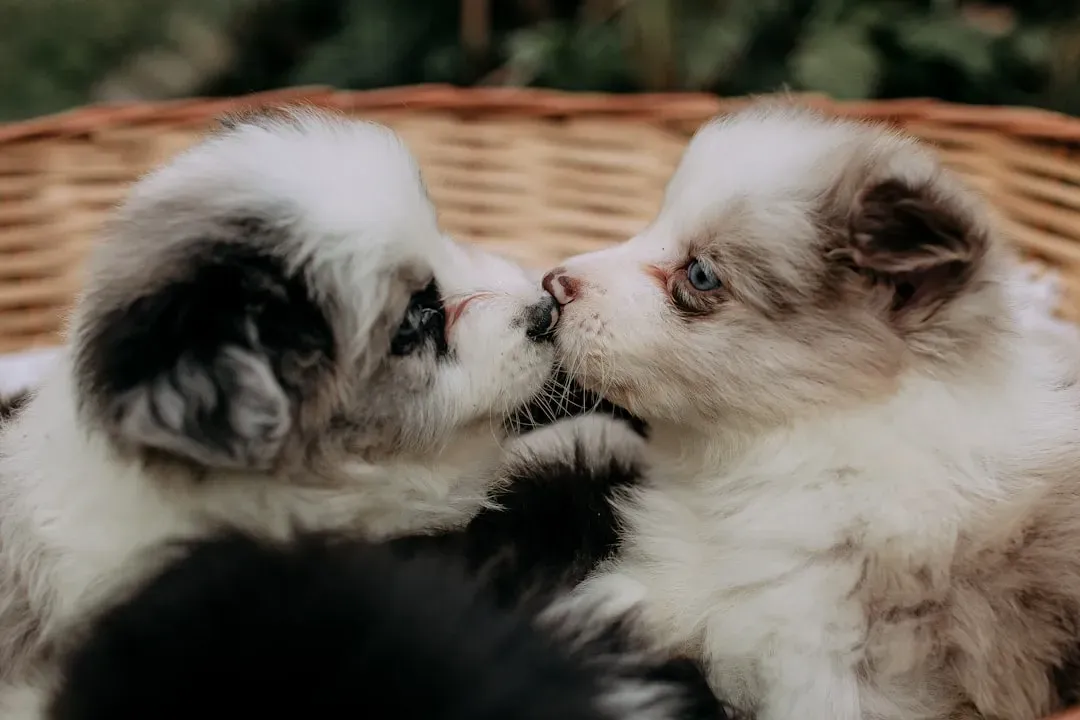
Before you even think about training commands or tricks, your puppy needs one thing above all else: to feel safe. Think about it like moving to a completely new country where you do not speak the language. Everything is unfamiliar, and the only thing you desperately need is a person or a place that feels like home.
Bringing home a new puppy is exciting, but it is also the beginning of an important journey where the first weeks are crucial for building trust, creating routines, and laying the foundation for behavior. Setting up a cozy, dedicated spot for your pup to retreat to matters more than most people realize. Make a special area like a crate or a bed, create a cozy space for your furry one to unwind, and add some cushions and their favorite toys so they feel comfortable and safe.
Your scent is comforting to your pup, and curling up on your laundry provides a sense of security and familiarity, since the scent of their favorite person is a calming presence, especially for young puppies adjusting to a new environment. Honestly, tossing a worn t-shirt into their bed is one of the simplest, most underrated bonding tricks out there.
Build Trust Through Routine and Consistency

Puppies are a lot like toddlers. They feel calmer and more confident when they know what comes next. A predictable day is not boring to a puppy. It is deeply reassuring. Feeding at the same time, walking the same route in the morning, evening wind-downs at a set hour – these rhythms quietly tell your pup, “You are safe here. I’ve got you.”
Stability is very comforting to puppies, and establishing a consistent daily schedule for feeding, walks, and sleep helps them feel more secure, while this predictability helps reduce anxiety and behavioral issues, giving your puppy more time to be happy and relaxed. It is a gift that costs nothing but intentionality.
Whichever training method you choose, always make sure it is a positive one, because dogs will not bond with someone they are afraid of. This is a point that cannot be overstated. Fear and love cannot coexist in a dog’s heart. Choose kindness, every single time.
Use Play and Touch as Your Love Language

Here’s the thing about puppies – play is not just fun for them. It is how they learn to trust, how they understand the world, and how they figure out their relationship with you. Games like fetch, tug, and hide-and-seek do double duty as both exercise and bonding gold. Playing games like fetch, hide-and-seek, or puzzle toys stimulates your puppy’s mind and strengthens your relationship through positive interactions, while teaching them problem-solving skills and creating shared moments of joy.
Touch is equally powerful. Nothing beats a cozy cuddle session, and incorporating some basic puppy handling can help solidify your bond even more, including getting your puppy used to having all different parts of their body touched like the ears, mouth, paws, belly, and tail – with the best time to do this being when they are sleepy.
Not only does petting an eager pup feel good for you and your dog, it can lower the stress hormone cortisol, and according to a University of Missouri study, petting a dog for just 15 minutes can release serotonin, prolactin, and oxytocin in humans – all feel-good hormones. So really, cuddling your puppy is practically a wellness practice. You are welcome.
Train Together to Communicate Deeply
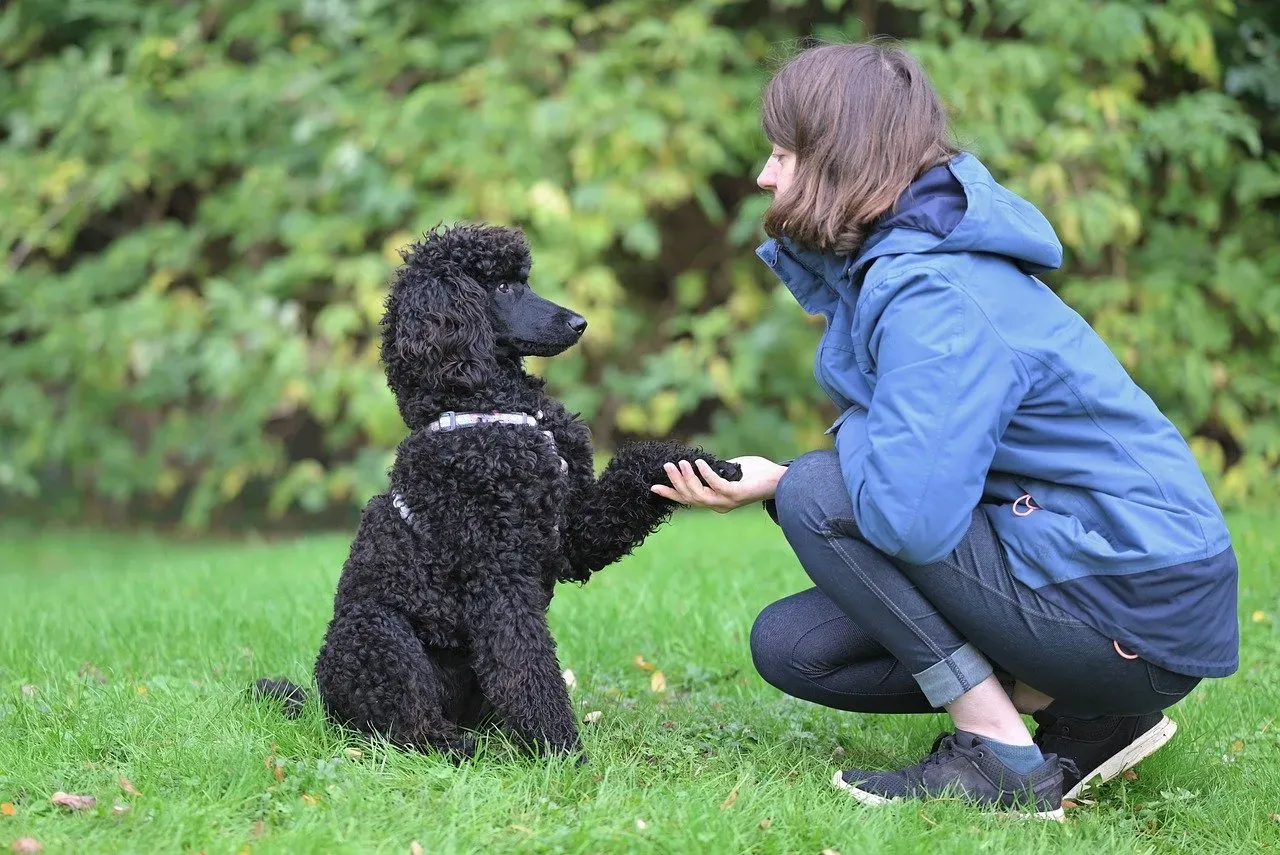
Training is one of the most underappreciated bonding tools out there. Most people think of it as discipline, when in reality it is a conversation. You are learning each other’s language. Every time your puppy sits on cue and gets a treat and a smile from you, a tiny thread of trust gets woven between you. Over weeks, those threads become something unbreakable.
Positive, reward-based methods are the gold standard because they do not just teach commands – they build trust, confidence, and a lasting bond, and you can start with simple cues like Sit, Down, and Go to Bed. Keep sessions short, maybe five to ten minutes at a stretch, because a bored puppy is a wandering puppy.
When it comes to bonding with your dog, it is important to truly commit, and you should try not letting your phone steal your attention during walks or games of fetch, because your dog needs to know they have your full attention and that they can rely on you to meet their needs. Your presence, not just your physical body in the room, is what they crave.
Learn to Read the Signs That Bonding Is Working

One of the most rewarding parts of the puppy journey is the moment you realize the bond is actually forming. It does not always announce itself loudly. Sometimes it is quiet and subtle, like a sleepy puppy pressing their warm back against your leg. Sometimes it is unmistakable, like a frantic tail-wag the moment you walk through the door.
You will know your puppy has started to bond with you when they seek comfort from you when scared or anxious, follow you around the house as a sign they see you as their leader, frequently check in with you to seek approval, and show excitement when you return home. These are not just cute behaviors. They are communication.
One dog behavior that shows a strong bond is when your pup lies belly-up, as it is a vulnerable position for a dog to be in, and showing this level of trust is a classic behavior that indicates they feel safe and attached. Watch for these cues carefully. However, if your puppy never willingly leaves your side or expresses extreme distress when you are gone, that might be an early sign of separation anxiety – something to flag with your vet sooner rather than later.
A Final Thought Worth Carrying With You
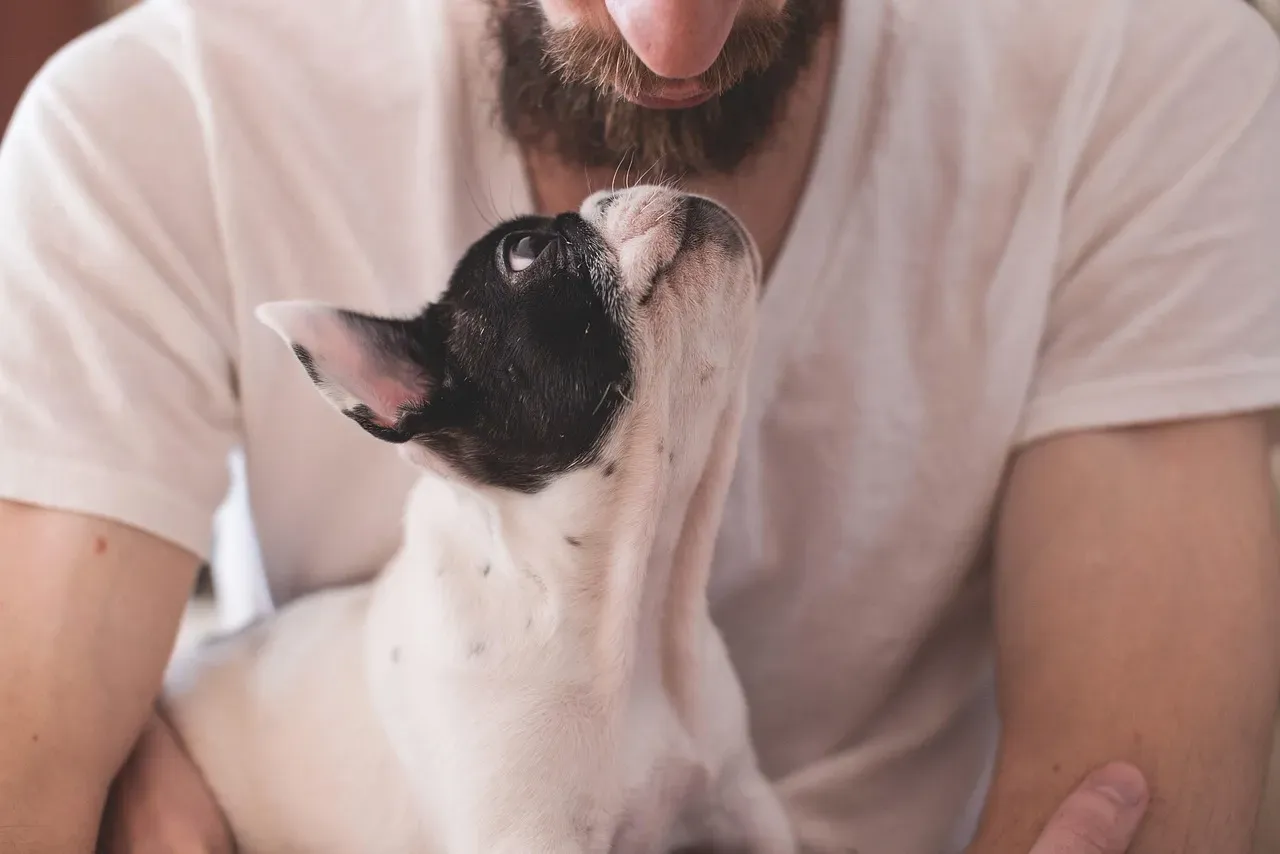
Bonding is not a milestone you hit once and tick off a list. It is something you choose every morning when you clip on the leash, every evening when you sit on the floor for a few minutes of quiet closeness, and every time you respond to their needs with patience instead of frustration. The relationship you build in these early weeks becomes the foundation for everything that follows.
The first month with your puppy is a special time to create routines, teach essential skills, and build a loving relationship, and with a little effort and a lot of love, your puppy will begin to understand that you are their trusted guide and companion – because the bond you create in these early days will last a lifetime.
So take your time. Put the phone down. Get on the floor. Let them sniff your hand for the hundredth time. That little creature is learning, in their own quiet and wonderful way, that you are their whole world. The question is: are you showing up to be exactly that? Tell us in the comments – what is the sweetest bonding moment you have shared with your puppy?


