Isn’t it fascinating how a creature so silent and mysterious can capture your heart? Bringing a snake into your home is like inviting a little piece of the wild to share your world. But for many new snake owners, the thought of bonding with their slithery companion can spark equal parts excitement and anxiety. After all, how do you build trust with an animal that doesn’t purr, wag its tail, or nuzzle you for treats? And more importantly—how do you handle your snake safely, without ever worrying about a surprise squeeze? Let’s unravel the secrets to a rewarding, safe, and truly special relationship with your pet snake.
Understanding Your Snake’s Unique Personality
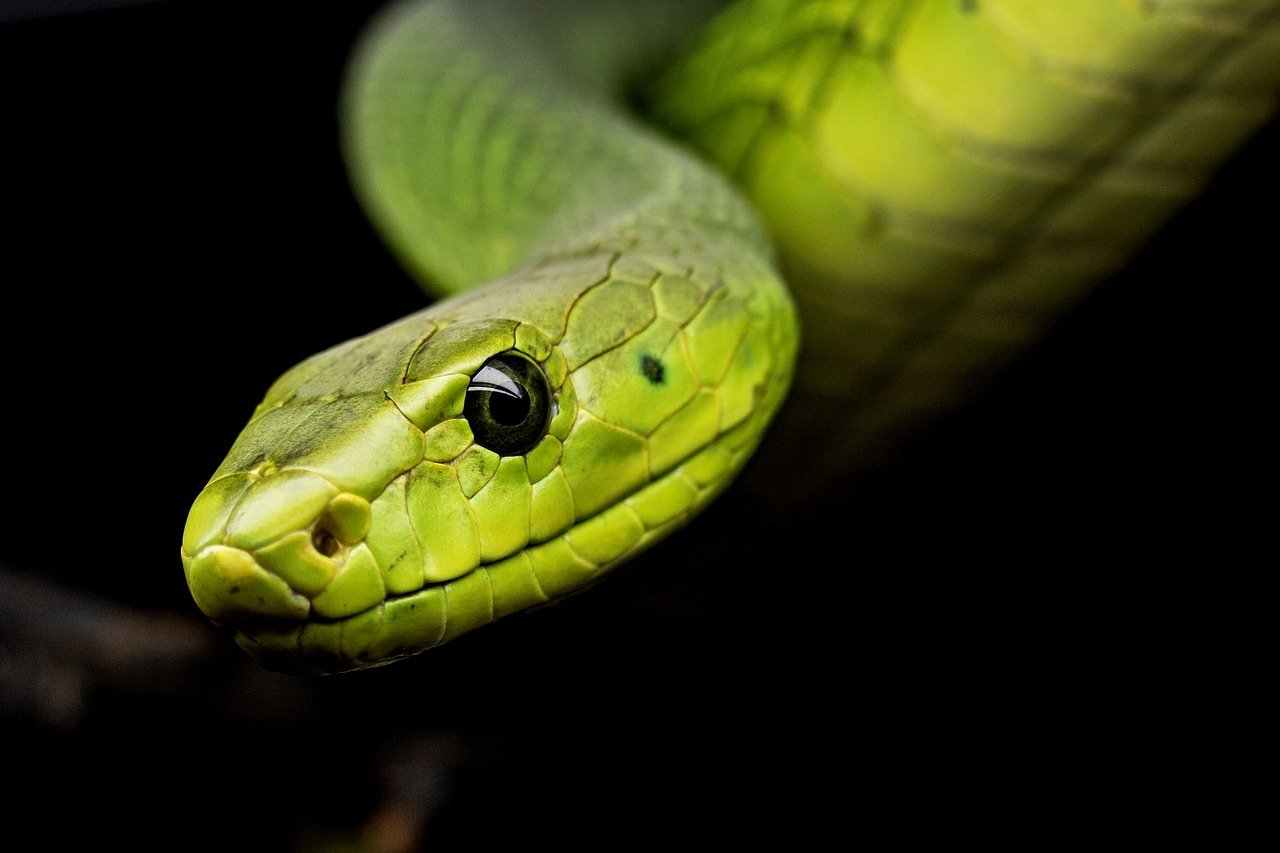
Every snake has its own quirks and temperament. Some are naturally more docile, while others may be shy or even defensive at first. It’s important to remember that snakes, unlike dogs or cats, interpret the world through very different senses. They don’t recognize faces or voices, but they notice patterns, smells, and vibrations. Start by observing your snake’s behavior in its enclosure. Does it hide most of the time? Is it curious and active? Learning its normal patterns will help you recognize when your snake feels stressed or at ease. The better you understand your pet’s unique personality, the easier it will be to build a trusting bond.
Creating a Safe and Comfortable Habitat
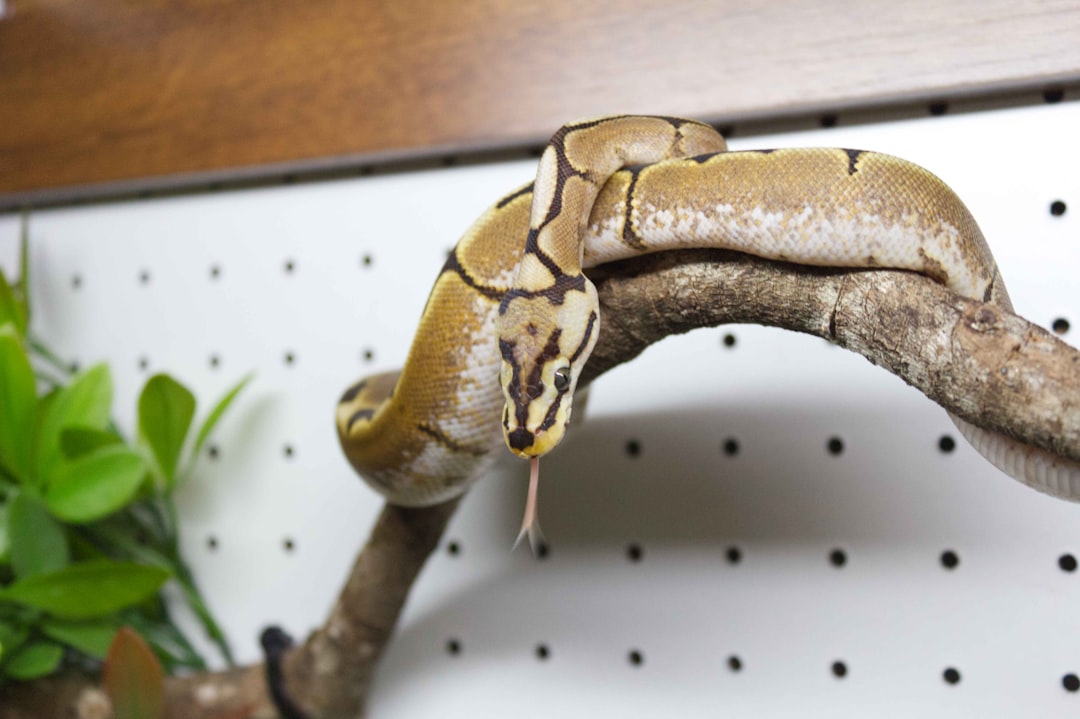
A snake’s home is its sanctuary, and a well-set-up habitat lays the foundation for trust. Make sure your pet’s enclosure is the right size, with secure lids and escape-proof locks. Provide hiding spots, climbing branches, and the correct temperature gradients. Snakes are sensitive to changes, so keep the environment consistent and clean. A comfortable snake will feel safer and less likely to act defensively when you approach. Think of their habitat as their comfort zone—when they feel safe there, they’ll be more open to bonding with you.
Respecting Boundaries and Reading Body Language

Respect is at the heart of any good relationship, even with a snake. Watch for signs that your snake is stressed, such as rapid tongue flicking, hissing, or retreating. If your snake coils tightly, flattens its body, or rattles its tail, it’s best to give it space. Never force interaction; instead, allow your snake to approach you at its own pace. By honoring your snake’s boundaries, you show that you’re not a threat, and this can slowly build a sense of trust. Remember, patience is your best friend here—sometimes it takes weeks or even months for a snake to feel truly comfortable.
The First Touch: Handling with Care

The first time you handle your pet snake is a milestone moment. Begin by gently placing your hand inside the enclosure, allowing your snake to investigate at its own pace. Avoid any sudden movements, and never grab your snake from above—this can trigger a fear response. Instead, support its body from underneath using both hands, letting it slither over your fingers. Always handle your snake calmly and confidently, but be mindful not to restrain it too tightly. The goal is to make your snake feel secure, not threatened, turning each handling session into a positive experience.
Consistency Builds Confidence

Bonding with your snake isn’t a one-time event; it’s a gradual process that unfolds over days and weeks. Interact with your pet regularly but for short periods at first—just a few minutes at a time. Gradually increase the duration as your snake becomes more comfortable. Consistency is key, as snakes thrive on routine. By handling your snake gently and predictably, you’ll help it associate you with safety rather than stress. Over time, your snake will begin to recognize your scent and presence as part of its everyday life.
Feeding Time: Building Trust Through Food

Feeding is one of the most effective ways to build trust. Offer food using tongs or forceps instead of your hands to avoid confusion and accidental bites. Create a calm environment during feeding, and never disturb your snake while it’s eating. Some snakes may be more receptive to handling after they’ve eaten and are feeling content, while others prefer to be left alone. By respecting these preferences, you reinforce positive associations with your presence and reduce the risk of defensive behaviors.
Recognizing Signs of Affection—Snake Style
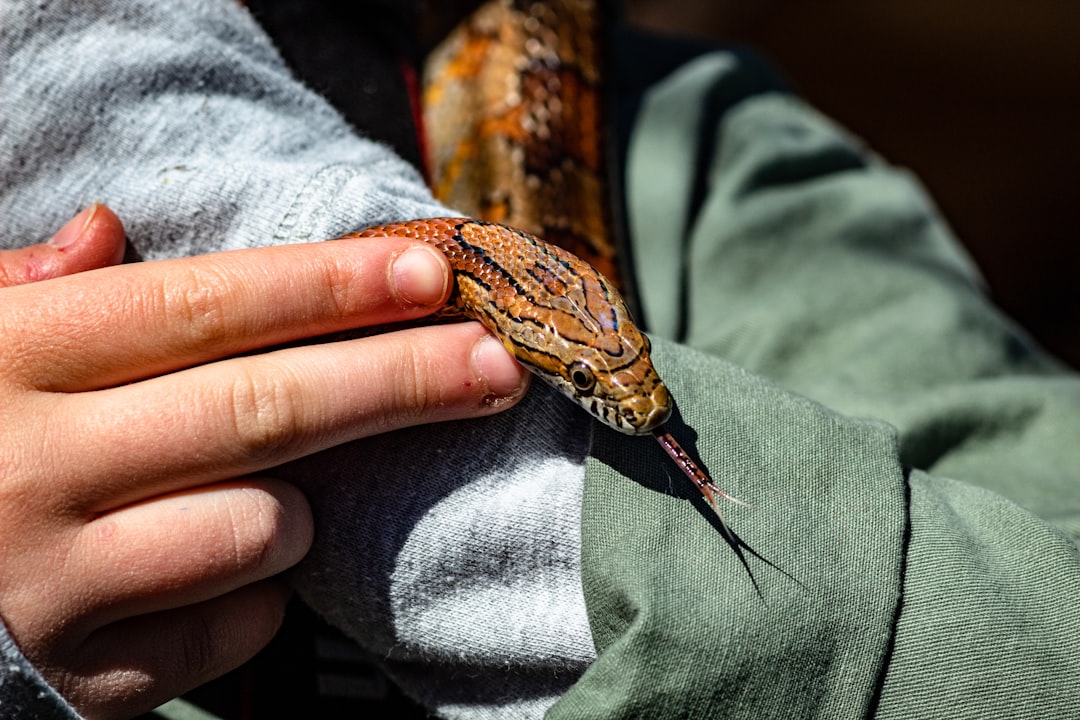
Unlike furry pets, snakes don’t snuggle or seek affection in obvious ways, but they do show comfort. A bonded snake may calmly explore your hands, rest on your arm, or even gently nuzzle your fingers with its tongue. These subtle gestures are their way of showing trust. Celebrate these moments—they’re proof that your patience and gentle approach are paying off. When your snake willingly comes to you, it’s a sign that you’ve become a trusted part of its world.
Staying Safe: Avoiding the Squeeze
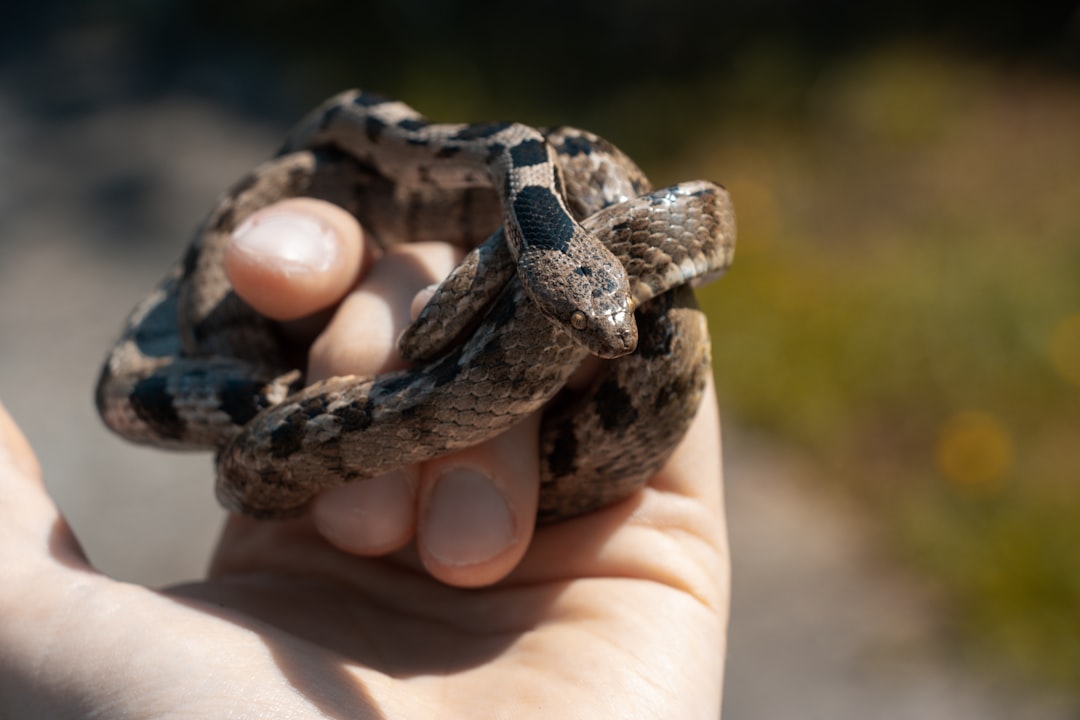
Even the gentlest snakes can become startled or defensive, especially if they feel insecure. Always support your snake’s body fully when handling it, especially larger species like boas or pythons. Never wrap your snake around your neck, no matter how calm it seems. If your snake does begin to constrict, stay calm and gently unwind it, starting from the tail. Remember, snakes rarely squeeze out of aggression—it’s usually a response to feeling unsafe. By handling your snake with care and confidence, you greatly reduce the risk of unwanted squeezes.
Overcoming Common Fears and Misconceptions

Many people are nervous around snakes, often because of scary myths or misunderstandings. Snakes aren’t out to hurt you; most pet snakes are gentle and prefer to avoid confrontation. Building a bond with your snake can help dispel these fears, both for you and for your friends or family. Share your positive experiences and knowledge with others—your confidence will inspire respect and appreciation for these remarkable animals. Remember, every small step you take helps create a more understanding and compassionate world for both snakes and their humans.
Celebrating the Joy of Unlikely Friendships

There’s something truly magical about forming a bond with a creature as mysterious as a snake. The journey is filled with small victories: the first time your snake eats from your hand, explores your arm, or simply looks at ease in your presence. These moments are worth celebrating, as they represent a bridge between two very different worlds. By embracing patience, respect, and understanding, you’ll discover a friendship that is as unique as it is rewarding. What unexpected connections might you find when you open your heart to the wild and wonderful world of snakes?
Bonding with your pet snake might not look like traditional cuddles, but with patience and respect, you can build real trust. Handle them gently, learn their body language, and let them set the pace. The key is consistency—regular, calm interactions help them feel safe and secure. Over time, your snake will get used to your presence and may even enjoy hanging out (without the squeeze!). It’s all about building comfort, not control.