

There’s something magical about Christmas. The twinkling lights, the scent of pine filling the room, and yes, that gorgeous tree standing tall in your living room like a centerpiece of joy. If you’re a dog parent, though, you know that bringing a tree into your home can feel less like decking the halls and more like entering a minefield.
Maybe your pup sees it as the world’s most intriguing chew toy. Perhaps it’s a brand new indoor obstacle course begging to be explored. Whatever the case, your four-legged friend is absolutely fascinated by this strange, sparkly addition to their territory. The good news is that you don’t have to choose between a beautiful tree and your dog’s safety. With some thoughtful planning and a few smart adjustments, you can create a festive setup that keeps everyone happy and healthy. Let’s dive into how to build a tree that works for the whole family, paws included.
Choosing the Right Tree: Real vs. Artificial
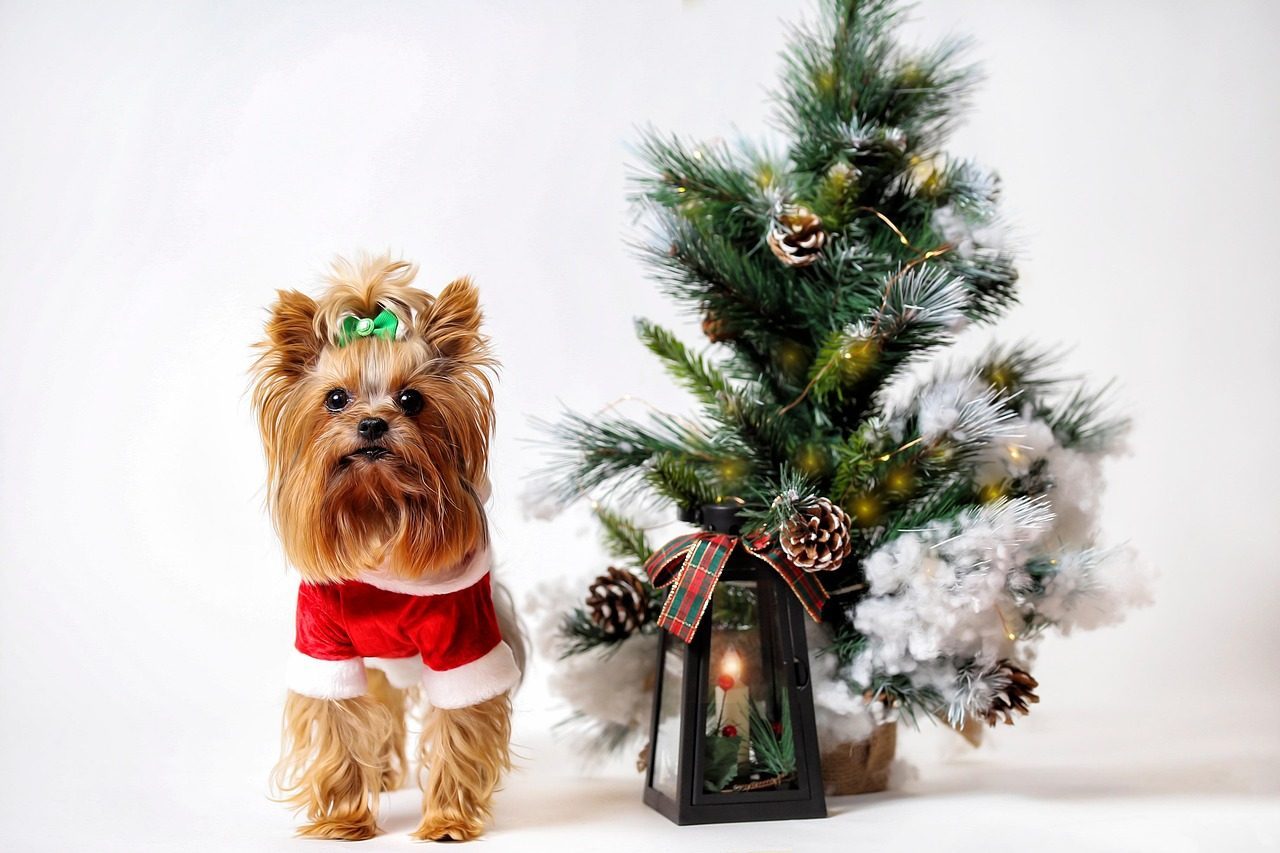
Let’s be real, this decision matters more than you might think. Artificial trees are often considered pet-safe Christmas trees as they don’t have real needles that can be ingested or tree water that may contain harmful chemicals. Real trees, on the other hand, bring that authentic forest smell that’s utterly intoxicating but also pose some genuine risks.
Pine needles can be harmful if ingested, causing gastrointestinal irritation, vomiting, and obstruction, and sharp needles can also puncture the digestive tract, leading to more severe health issues. I know it sounds dramatic, yet these are real concerns if your dog has a habit of taste-testing everything. The water used to keep a real tree fresh often contains fertilizers, pesticides, and sometimes even aspirin or other chemicals, and drinking this water can be toxic to dogs and cause symptoms such as vomiting, diarrhea, and lethargy.
If you’re set on a real tree, go for it, but be vigilant. If you prefer a real tree, choose a variety with blunt needles, such as a Nordmann Fir. Vacuum daily around the base to catch fallen needles before your pup does.
Securing Your Tree Like a Pro
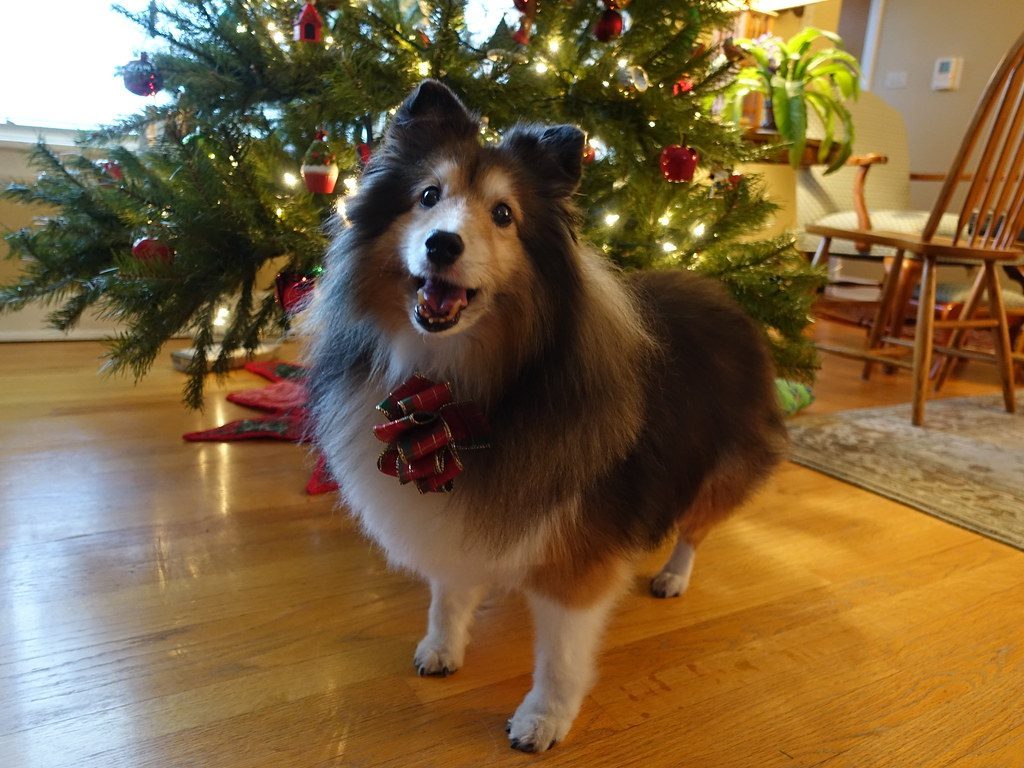
Picture this: you’ve spent hours decorating, you step back to admire your work, and suddenly your dog bolts past, tail wagging, and the whole thing comes crashing down. A wobbly tree poses the biggest immediate danger to your dog, so anchor your Christmas tree to the wall or ceiling using fishing line or wire attached to eye hooks to prevent the entire tree from toppling if your pup bumps into it during an excited moment. Honestly, it’s worth the extra effort.
Place your tree in a corner for extra stability and invest in a wide, heavy base that won’t tip easily. If you’ve got a smaller dog or a rambunctious puppy still learning their boundaries, some people even elevate their trees on sturdy tables or platforms. It might sound unconventional, but it works wonders for keeping curious noses and paws away from the lower branches.
Here’s the thing: even the calmest dog can get spooked or overly excited. Accidents happen, especially during the holidays when there’s extra commotion. A secured tree protects not just your decorations but your dog from potentially serious injuries.
Smart Decoration Strategies
Not all ornaments are created equal, especially when you’ve got a furry family member who thinks everything dangling is a toy. Keep your furry friends safe by steering clear of glass ornaments, which can break and cause injuries, and instead, go for shatterproof ornaments and fabric or thread-based decorations. Those delicate heirlooms your grandmother gave you? Place them high up, well out of tail-wagging reach.
Tinsel can block your dog’s intestines if eaten, so if tinsel is a must, carefully trim only the top half of the tree, though you might feel even better about your best friend’s safety if you don’t use the shiny temptation at all. Same goes for any edible decorations. Popcorn strings, candy canes, and chocolate ornaments are basically doggie magnets, and you’re setting yourself up for trouble.
Keep the bottom third of your tree relatively bare or decorated only with sturdy, non-breakable items. Think of it as creating zones: the lower part is the danger zone where paws can reach, so keep it simple and safe down there.
Managing Lights and Electrical Cords
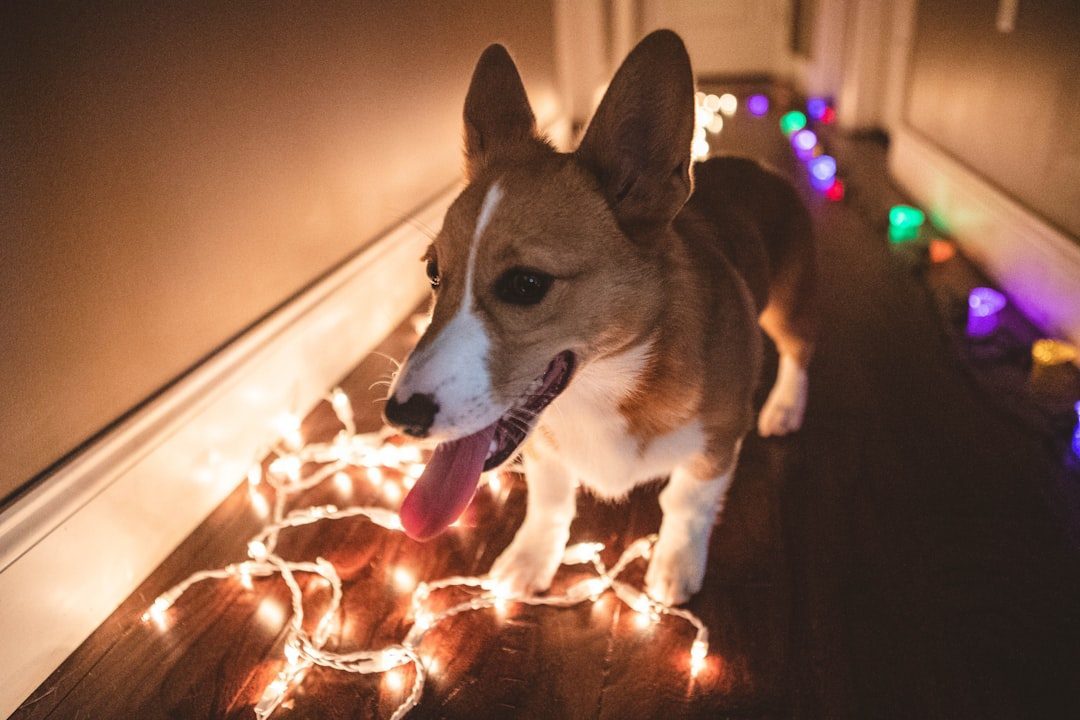
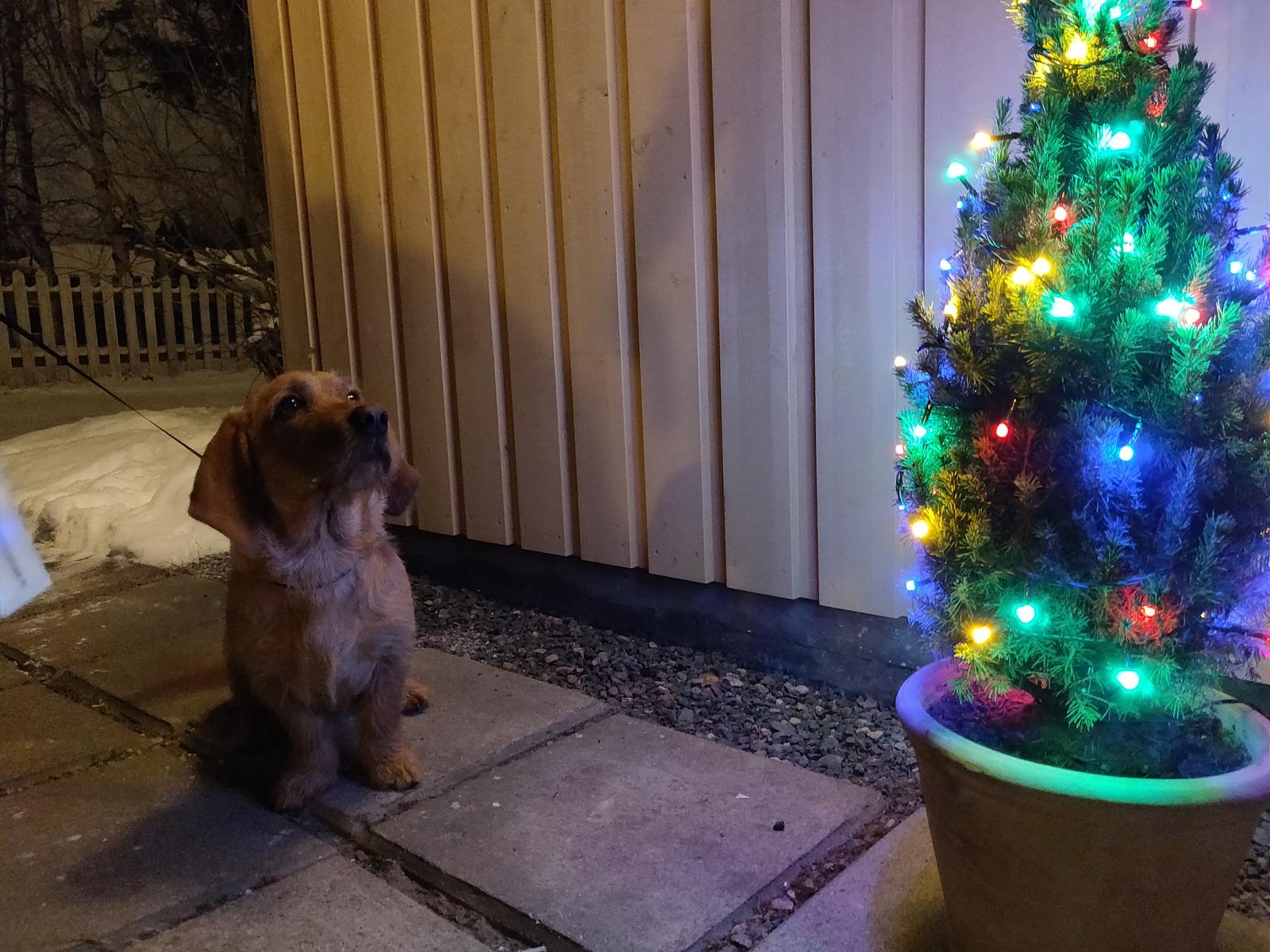
Christmas lights make everything feel festive, yet they also present some serious hazards. Christmas lights can make your tree twinkle, but they can also get hot and your pup might think they look fun to chew, so to help keep your dog safe, keep lights confined to the top half of your tree and be sure to firmly tape cords to the wall or floor, and regularly check the cords to see if you notice any signs of chewing.
Dogs who like to chew are particularly at risk here. Electrical cord injuries are no joke; they can cause severe burns, difficulty breathing, and even death in worst cases. Consider running cords through protective covers or PVC pipes if your dog is especially mouthy. Some folks spray cords with bitter apple spray as an extra deterrent.
Battery-operated LED lights are brilliant alternatives because they eliminate the cord problem altogether and stay cooler to the touch. Always unplug your tree lights when you leave the house or go to bed. Supervision is your first line of defense, but when you can’t be watching, it’s best to remove the temptation entirely.
Training and Behavior Management
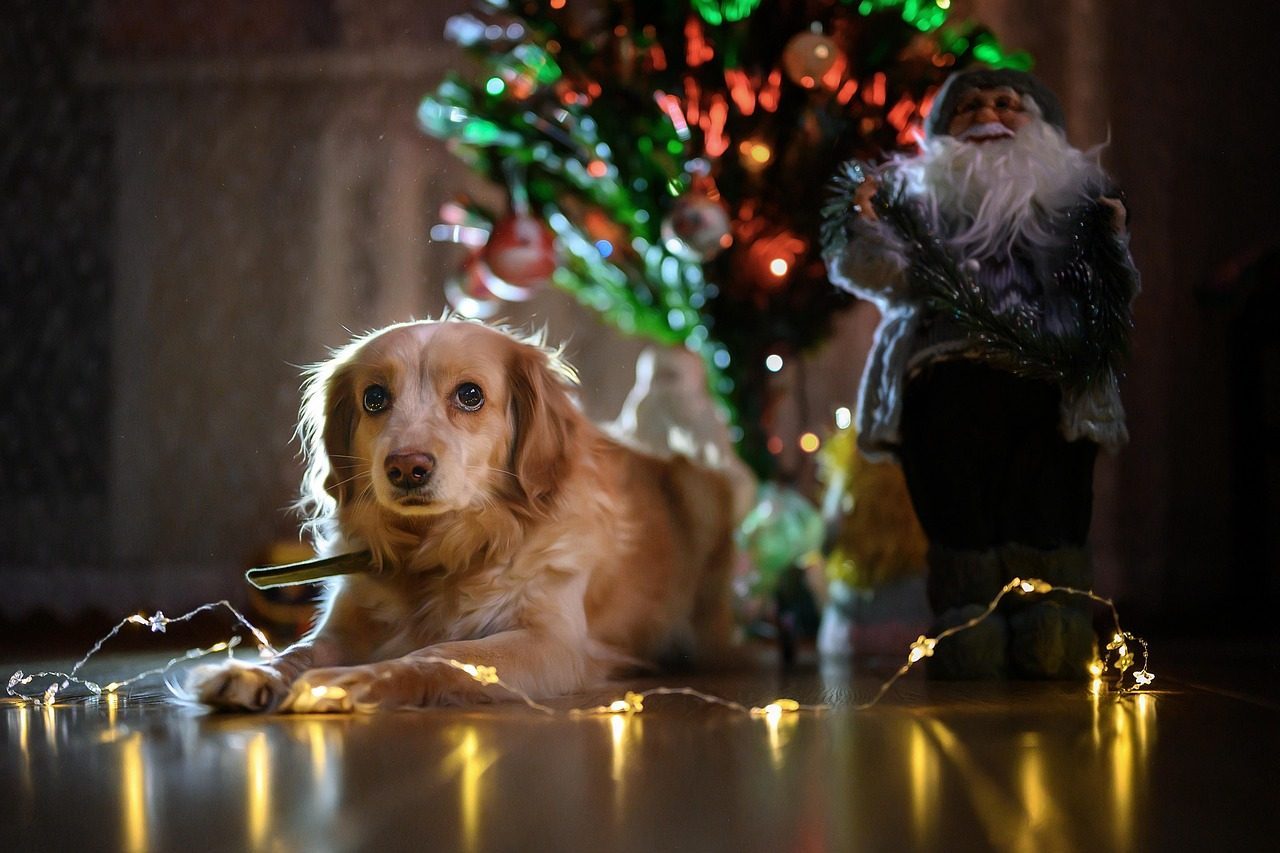
Here’s where the magic really happens. Supervise your dog around the Christmas tree, and when your dog approaches the tree, say “leave it” making sure to give your dog a treat when they obey, and when your dog hesitates in his approach, call him away from the tree and reward him. Consistency is everything with this training. Teach your dog safety cues, such as “down”, “sit”, “stay”, “leave it”, and “go to your place”.
Start your dog’s Christmas tree introduction slowly by setting up the tree without decorations for a few days, allowing your pup to investigate and lose interest in this new addition to your living room. It’s hard to say for sure, but giving them time to get used to the tree’s presence before it becomes this shiny, exciting thing really does help reduce curiosity.
Use positive reinforcement to teach and strengthen the “leave it” command around the tree, and reward your dog for calm behavior near the tree and redirect their attention to appropriate toys when they show too much interest. Remember, they’re not being naughty on purpose. They’re just being dogs in a suddenly very interesting environment.
Physical barriers work wonders too. Baby gates, exercise pens, or decorative fencing around the tree create a clear boundary. Use a free-standing dog fence or gate to prevent access to the tree, and Moore recommends using a Christmas tree fence for dogs with vertical slats, rather than horizontal, so your dog can’t climb over it like a ladder.
Recognizing and Responding to Emergencies
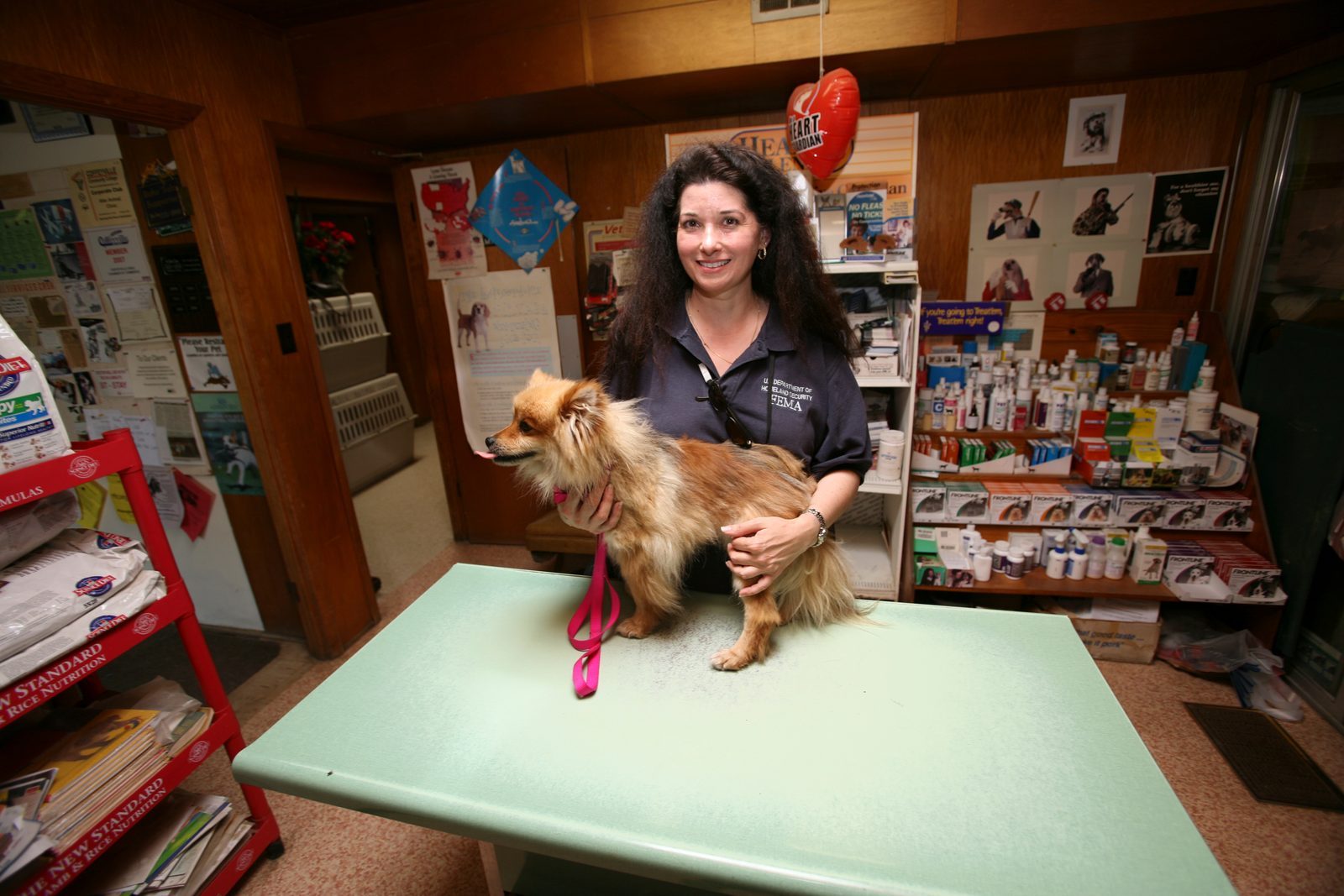
Despite your best efforts, sometimes things go sideways. Watch for warning signs like vomiting, diarrhea, excessive drooling, lethargy or loss of appetite, as these could indicate your dog has ingested something harmful from the tree. If you notice any of these symptoms, don’t wait. Contact your vet immediately or call the Pet Poison Helpline.
Before the holiday chaos hits, take a moment to identify which emergency vet clinic or animal hospital is open during the holidays. Keep their number saved in your phone and written down somewhere visible. Quick action makes all the difference when you’re dealing with a potential poisoning or injury situation.
It’s also wise to keep a list of what’s toxic to dogs easily accessible. Tree water often contains bacteria, fertilizers or preservatives that are toxic to dogs, salt dough ornaments pose an especially serious threat as they can cause dangerous salt poisoning in dogs, and angel hair, that sparkly spun glass decoration, can irritate skin and damage intestines if swallowed. Knowing what’s dangerous ahead of time helps you make smarter decorating choices.
Conclusion: Creating Holiday Magic for Everyone
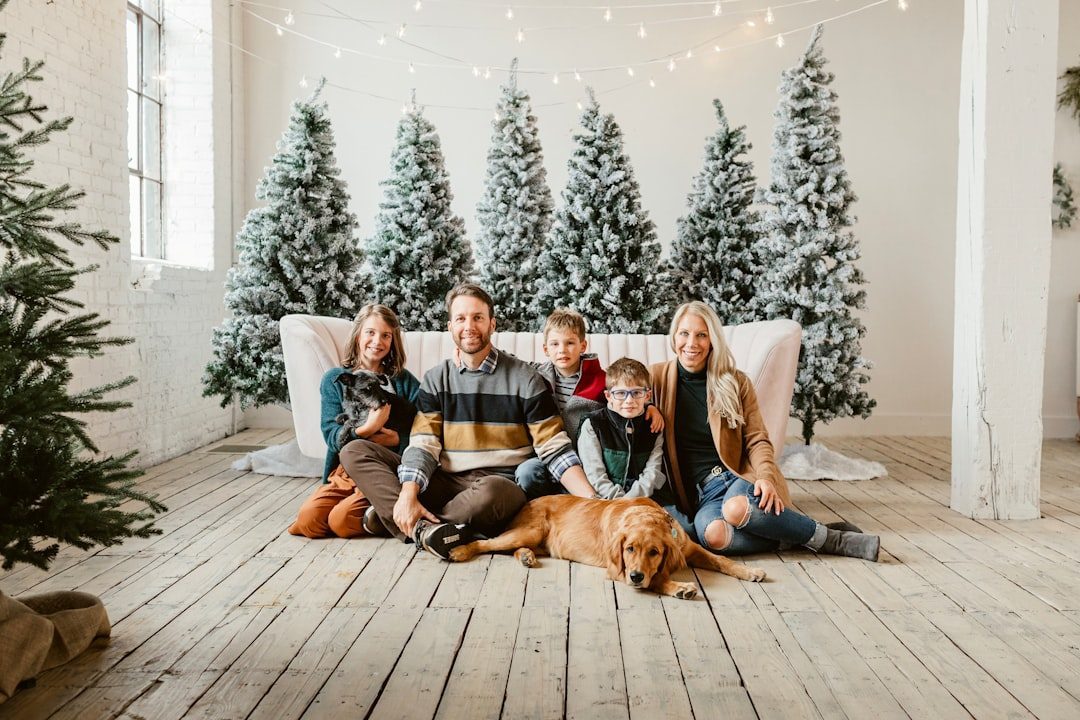
Building a doesn’t mean sacrificing beauty or holiday spirit. It just means being thoughtful about how you approach it. Secure your tree properly, choose decorations wisely, keep cords out of reach, and train your pup to respect boundaries. These steps create a safer environment where everyone can enjoy the season.
The holidays are supposed to be joyful, not stressful. When you know your tree is safe and your dog is protected, you can actually relax and soak in the magic of the season. Your dog is part of your family, and they deserve to experience the festivities safely alongside you.
What’s your biggest challenge when it comes to keeping your dog safe around the Christmas tree? Share your experiences in the comments below!


