
Choosing the perfect dog breed for your retirement years is a journey of joy and companionship. Imagine strolling through the park with a furry friend by your side, sharing moments of laughter and warmth. But with hundreds of breeds to consider, how do you make the right choice? This guide will help you navigate through the considerations, ensuring that your golden years are spent with a four-legged companion who complements your lifestyle.
Understanding Your Lifestyle
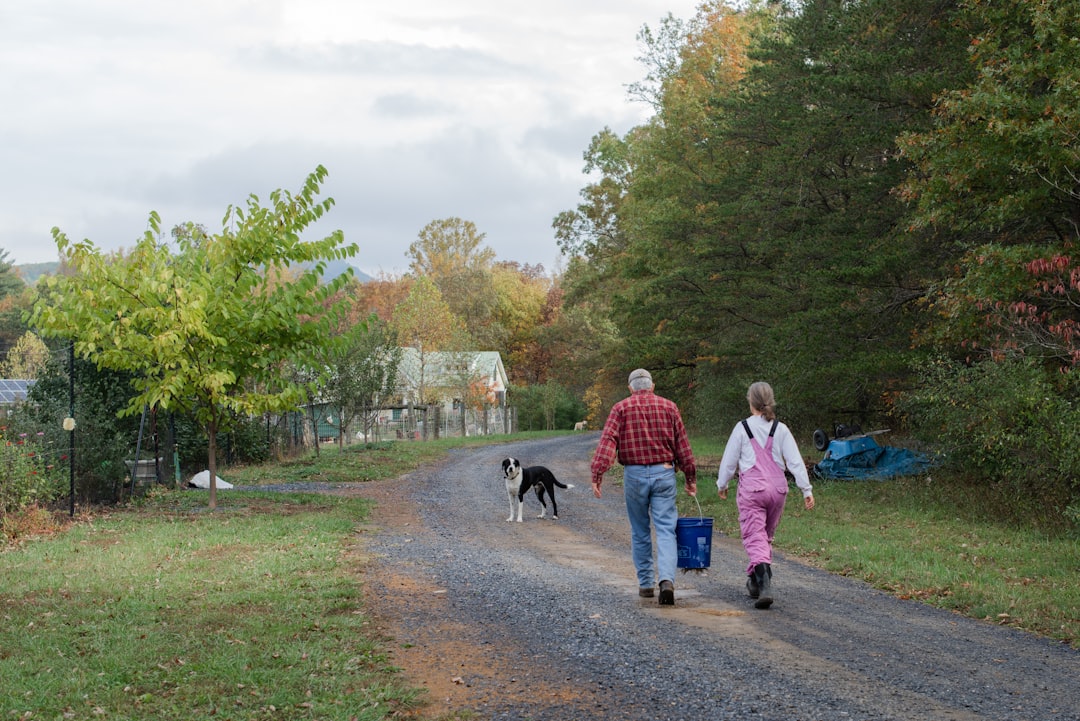
The first step in choosing a dog breed is understanding your own lifestyle. Are you someone who enjoys daily walks, or do you prefer a more relaxed pace? This self-assessment is crucial because different breeds have different energy levels and exercise needs. For instance, a Border Collie may be perfect for someone who loves hiking, while a Basset Hound might suit a more laid-back lifestyle.
Consider your living situation as well. Do you live in a spacious house with a yard, or are you in a cozy apartment? Larger breeds may require more space to roam, while smaller breeds can adapt well to apartment living. Reflecting on these aspects of your lifestyle will help you narrow down the breeds that align with your everyday activities and living conditions.
Considering Health and Maintenance

Health and maintenance are critical factors in choosing a dog breed for your retirement years. Some breeds are prone to specific health issues that could lead to frequent vet visits, which might not be ideal if you’re looking for a low-maintenance companion. For example, Bulldogs are known for respiratory problems, while Dachshunds may suffer from back issues.
Grooming needs also vary significantly between breeds. A Poodle, with its curly coat, requires regular grooming, whereas a Beagle has a short coat that is easier to maintain. Understanding the grooming and health care requirements of different breeds will ensure that you choose a dog that fits your ability to provide care and attention.
Assessing Temperament and Personality
The temperament and personality of a dog breed play a vital role in your companionship. Some breeds are naturally more affectionate and friendly, while others may be independent or reserved. Golden Retrievers, for example, are known for their friendly and gentle nature, making them excellent companions for retirees.
Consider how social you are and what kind of interaction you expect from your dog. If you enjoy hosting gatherings and having friends over, a sociable breed like a Labrador might be a great fit. On the other hand, if you prefer quiet evenings, a more reserved breed like a Shiba Inu might be more suitable. Understanding the personality traits of different breeds will help you find a dog that matches your social preferences.
Evaluating Energy Levels
Energy levels vary widely among dog breeds, and it’s vital to match this with your activity level. High-energy breeds like the Australian Shepherd require plenty of exercise and mental stimulation, which can be a delightful challenge for active retirees. However, they may not be suitable if you prefer a more sedentary lifestyle.
Conversely, breeds like the Cavalier King Charles Spaniel are known for their moderate energy levels and enjoy a balance of playtime and relaxation. Evaluating the energy levels of different breeds will help you find a companion that complements your daily routine and keeps you engaged without overwhelming you.
Thinking About Size and Space
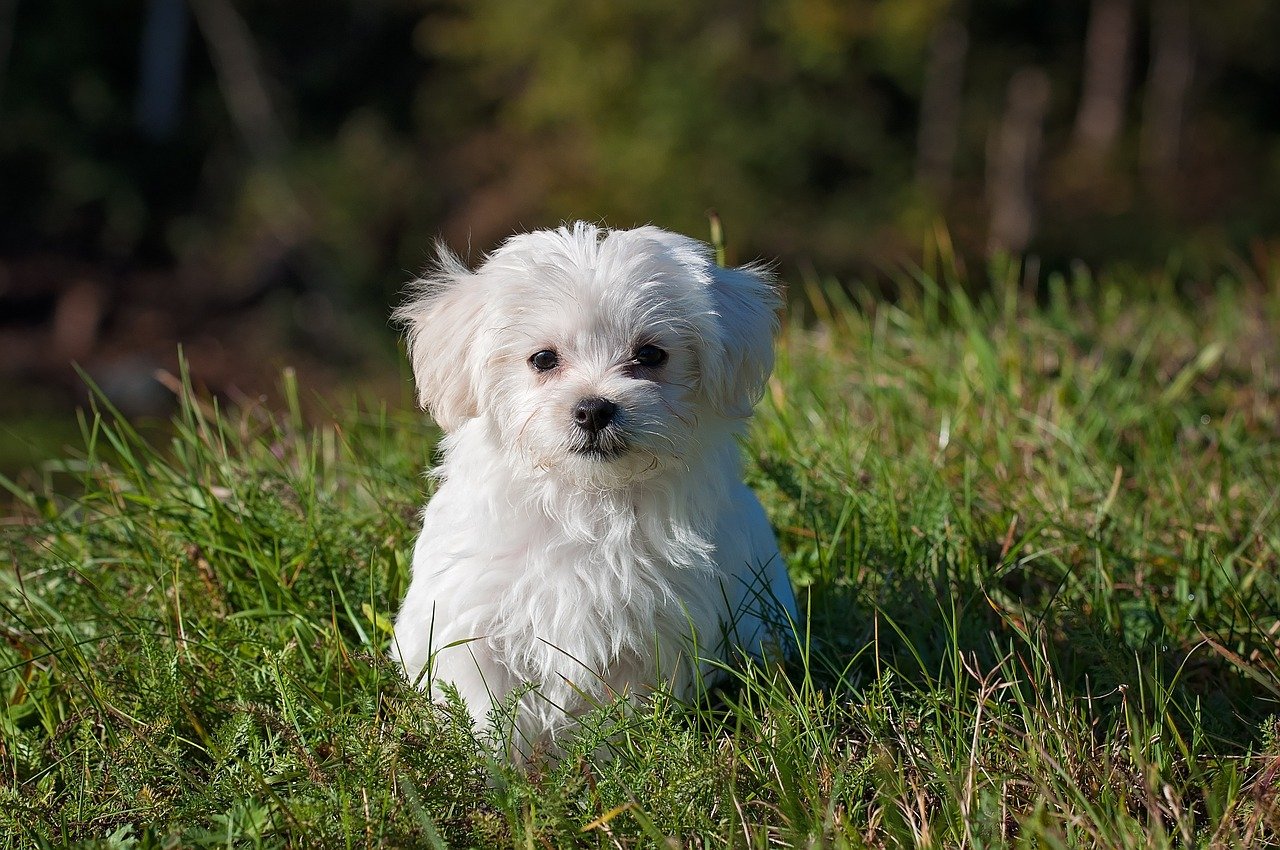
The size of the dog you choose can significantly impact your living environment and lifestyle. Larger breeds such as the Great Dane require more space and may not be suitable for apartment living. They also tend to have shorter lifespans, which could be a consideration for some retirees.
Smaller breeds like the Chihuahua are more adaptable to smaller living spaces and often have longer lifespans. They can be easily carried and may require less physical strength to manage. Thinking about the size and space requirements of different breeds will help you find a dog that fits comfortably into your home and life.
Exploring Breed-Specific Needs
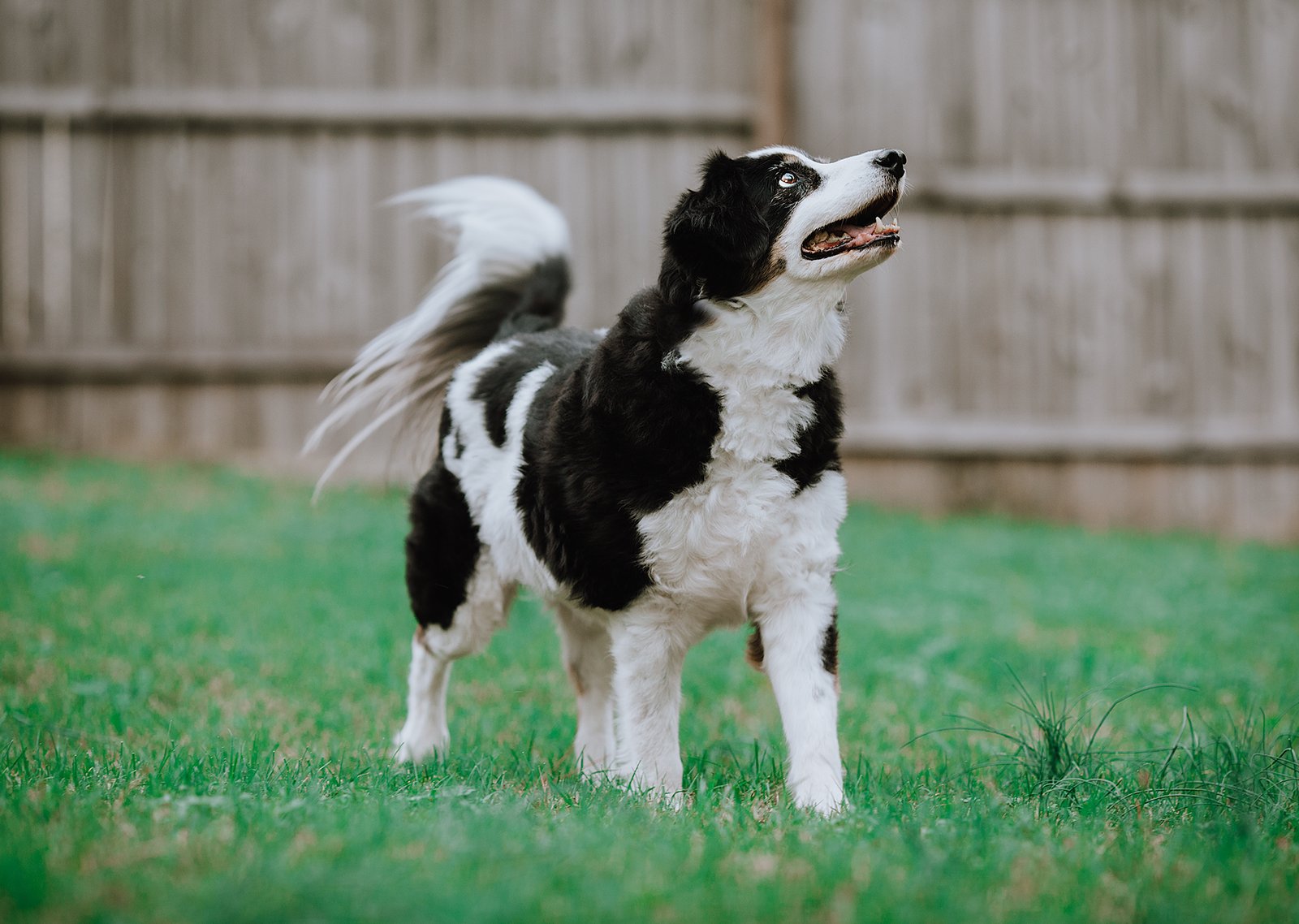
Each dog breed comes with its own set of specific needs and characteristics. Some breeds, like the Siberian Husky, have a strong prey drive and may not be suitable for homes with small pets. Others, like the Bichon Frise, are known for being hypoallergenic and may be a good choice for those with allergies.
Understanding breed-specific needs will allow you to make an informed decision that aligns with your personal circumstances. Whether it’s dietary requirements, exercise preferences, or social behaviors, exploring these aspects will ensure that you choose a dog breed that fits seamlessly into your retirement lifestyle.
Considering Companionship and Bonding
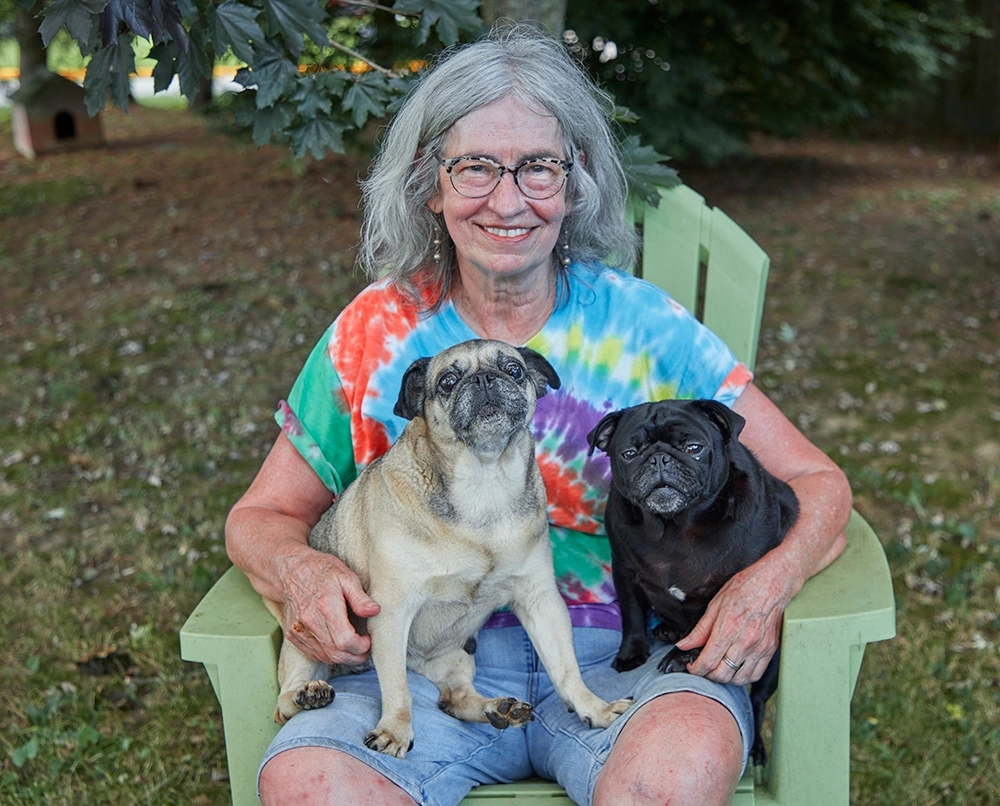
Companionship is often the most cherished aspect of having a dog, especially in retirement. Some breeds are known for forming strong bonds with their owners, offering unwavering loyalty and affection. The Shih Tzu, for example, is renowned for its loving nature and desire to be close to its owner.
Think about how much time you want to spend with your dog and the type of relationship you hope to cultivate. Breeds that crave attention and companionship can provide comfort and joy, enriching your retirement years with meaningful connections. Considering the companionship and bonding potential of different breeds will help you find a friend who fulfills your emotional needs.
Reflecting on Longevity and Commitment
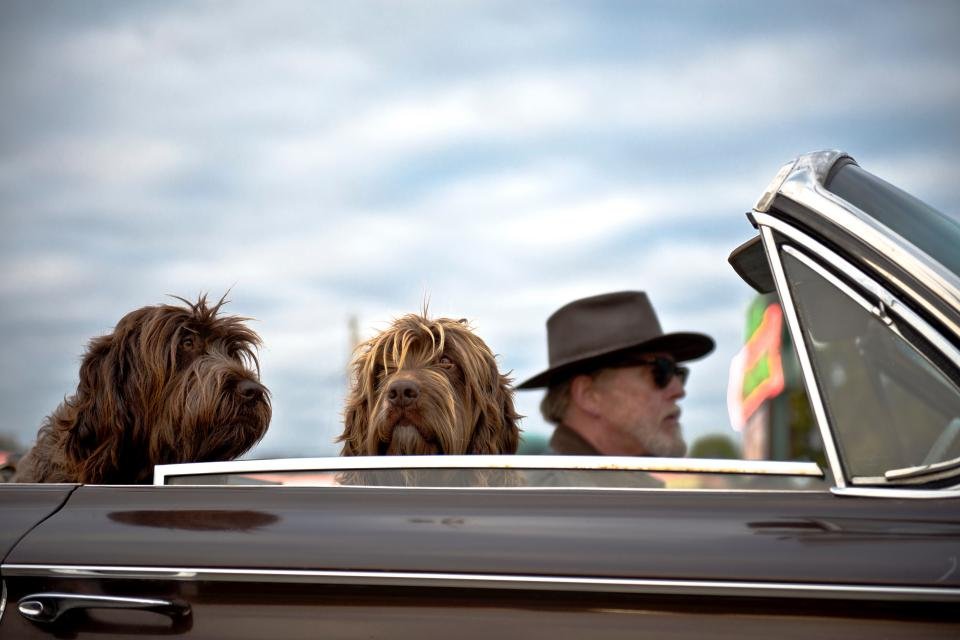
Choosing a dog breed is a long-term commitment, and reflecting on the lifespan and care requirements of different breeds is essential. Smaller breeds often live longer than larger ones, which might be a consideration if you’re looking for a long-term companion. Breeds like the Yorkshire Terrier can live up to 15 years or more, offering extended companionship.
Reflect on your ability to commit to the care and well-being of a dog throughout its life. Consider factors like travel plans, health, and future living arrangements. Reflecting on these aspects will ensure that you make a responsible choice, providing a loving home for your dog throughout its life.
In conclusion, choosing the right dog breed for your retirement years is a deeply personal and rewarding decision. By considering factors such as lifestyle, health, temperament, energy levels, size, breed-specific needs, companionship, and longevity, you can find a furry friend who enhances your golden years with love and joy. What kind of companion are you dreaming of for your retirement?


