
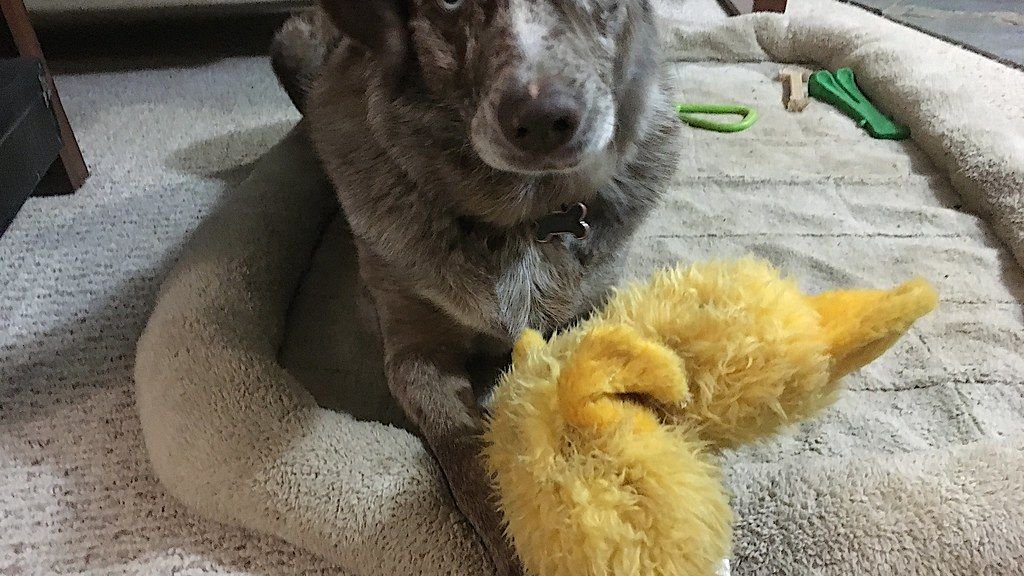
You know that feeling when you come home and your favorite shirt has been thoroughly shredded? Or when a neighbor mentions the haunting howls they heard echoing through your walls for hours yesterday? Yeah, not fun. Sometimes these behaviors aren’t just boredom or bad manners. Your dog might be struggling, really struggling, when you’re not there.
Picking an emotional support toy is a lot more than tossing any squeaky thing into their space. It’s about understanding what your dog actually needs to feel safe, comforted, and less like the world is ending every time the front door clicks shut. Let’s dive into how you can pick that perfect companion for your pup when you can’t be by their side.
Understanding What Your Dog Really Needs From a Comfort Toy
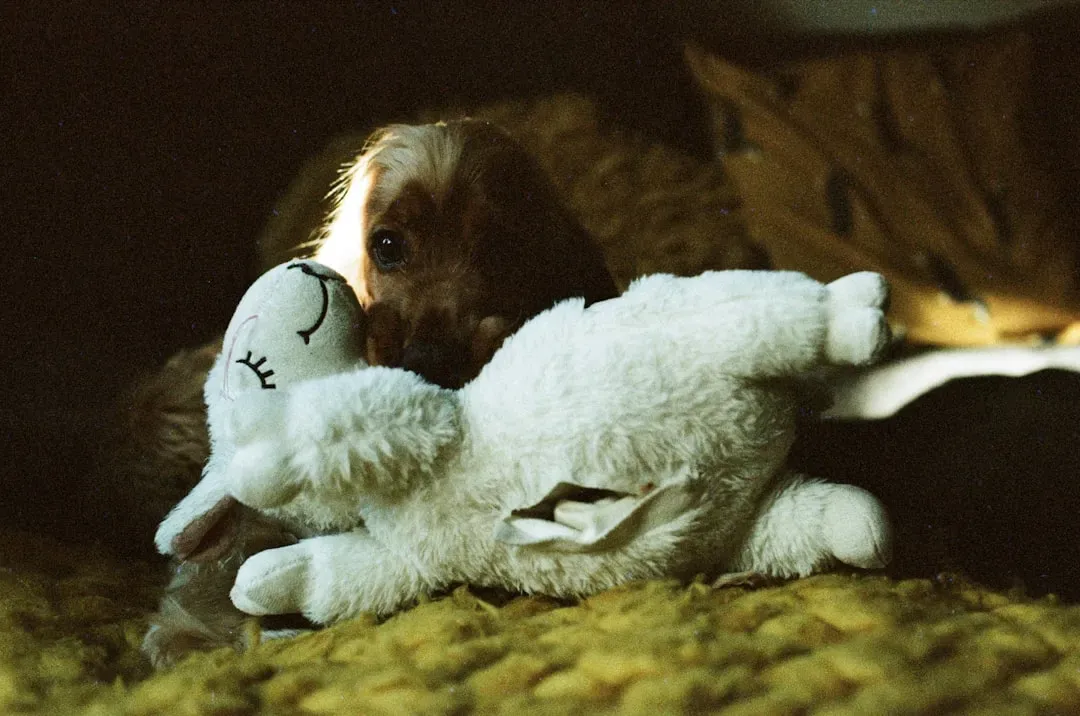
When dogs experience anxiety, toys can offer more than just distraction, they can provide comfort and behavioral support. It’s really about tapping into what soothes your individual dog. Some dogs need constant mental stimulation to keep their anxious thoughts at bay. Others crave something soft to snuggle against, mimicking the warmth of another body.
Think about your dog’s personality for a moment. Is yours the type who tears through the house when nervous, channeling all that energy into their jaws? Or do they curl up in a corner, trembling and waiting for you to return? Different toys serve different purposes, with chew toys helping release stress, interactive toys providing mental stimulation, and comfort toys offering emotional reassurance.
Your dog’s breed, age, and personal quirks all come into play here. High-energy herding breeds might need puzzle toys that challenge their working minds. Senior dogs might prefer something plush and easy to carry around. There’s no universal answer, which is exactly why choosing thoughtfully matters so much.
Safety First: Materials and Construction Matter More Than You Think
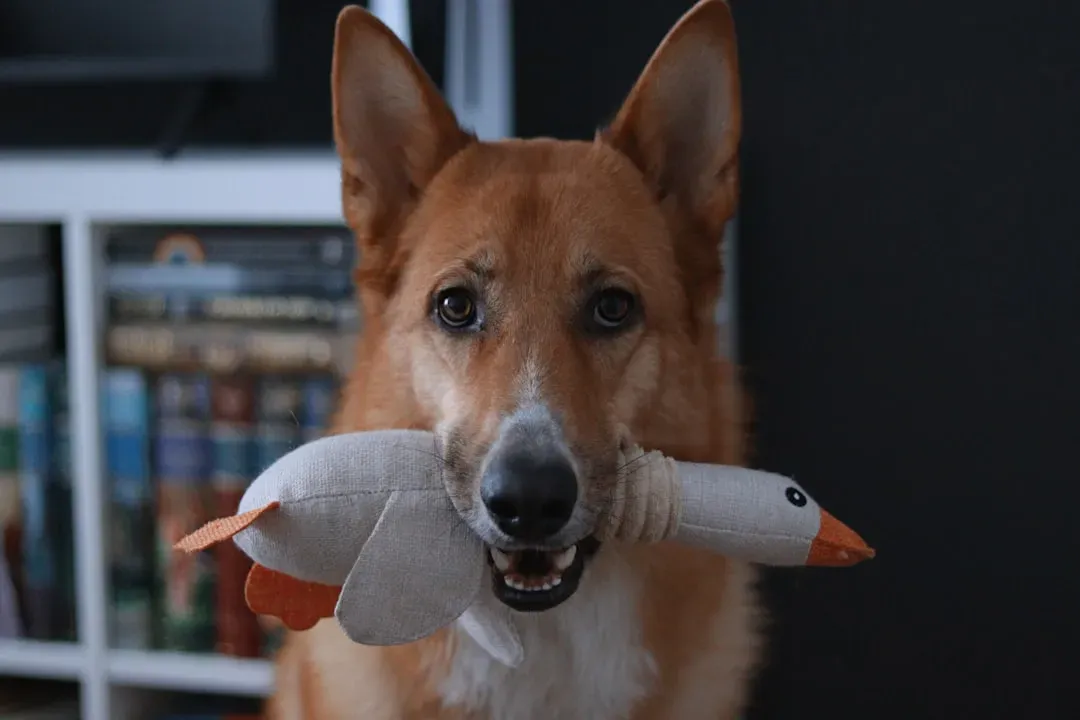
Dogs experiencing separation anxiety often chew to relieve tension, so the toy must be strong enough to handle repeated use, with materials such as natural rubber or reinforced nylon that don’t splinter or break easily. I can’t stress this enough. A toy that falls apart when your dog is alone and anxious creates more problems than it solves.
Check what’s inside that adorable plush toy before you buy it. Stuffed toys should be labeled as safe for children under three years of age and shouldn’t contain dangerous fillings like nutshells and polystyrene beads. Even if a toy seems harmless, an anxious dog in panic mode can destroy it faster than you’d believe possible.
Discard toys when they start to break into pieces or are torn. It’s not about being wasteful, it’s about preventing a trip to the emergency vet. Always match the toy’s durability to your dog’s chewing strength and anxiety level.
Interactive and Puzzle Toys: Keeping Busy Minds Occupied
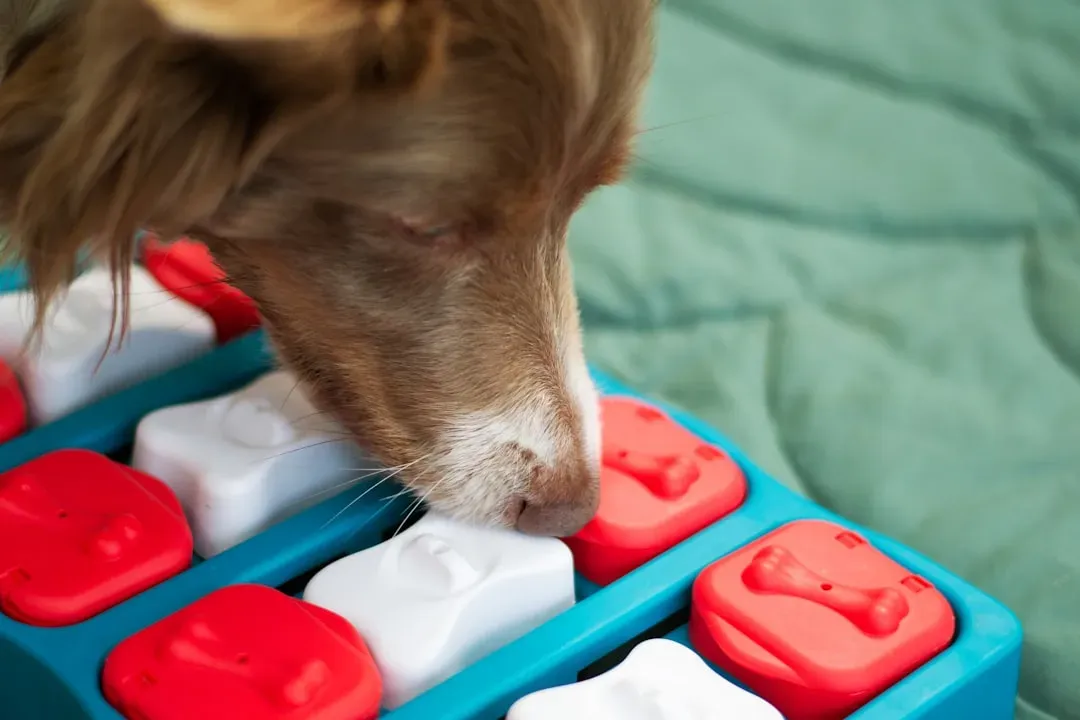
Interactive toys like treat-dispensing puzzles or slow feeders engage your dog’s brain and keep them focused on a task, which is grounding during stressful moments, especially helpful for dogs with separation anxiety. Honestly, a dog focused on getting that hidden treat out isn’t thinking about how long you’ve been gone.
Engaging in sniffing activities through nose work has been shown to increase dogs’ willingness to approach novel objects. Snuffle mats, for example, turn mealtime into a treasure hunt. Your dog has to work through layers of fabric to find kibble or treats, activating those natural foraging instincts.
These treats can last up to 40 minutes, perfect for dogs struggling with separation anxiety. The key is duration. You want something that keeps them engaged long enough to get past that initial panic when you leave. Puzzle toys with varying difficulty levels let you adjust as your dog learns and grows more confident.
Plush Comfort Toys: Recreating the Feeling of Companionship
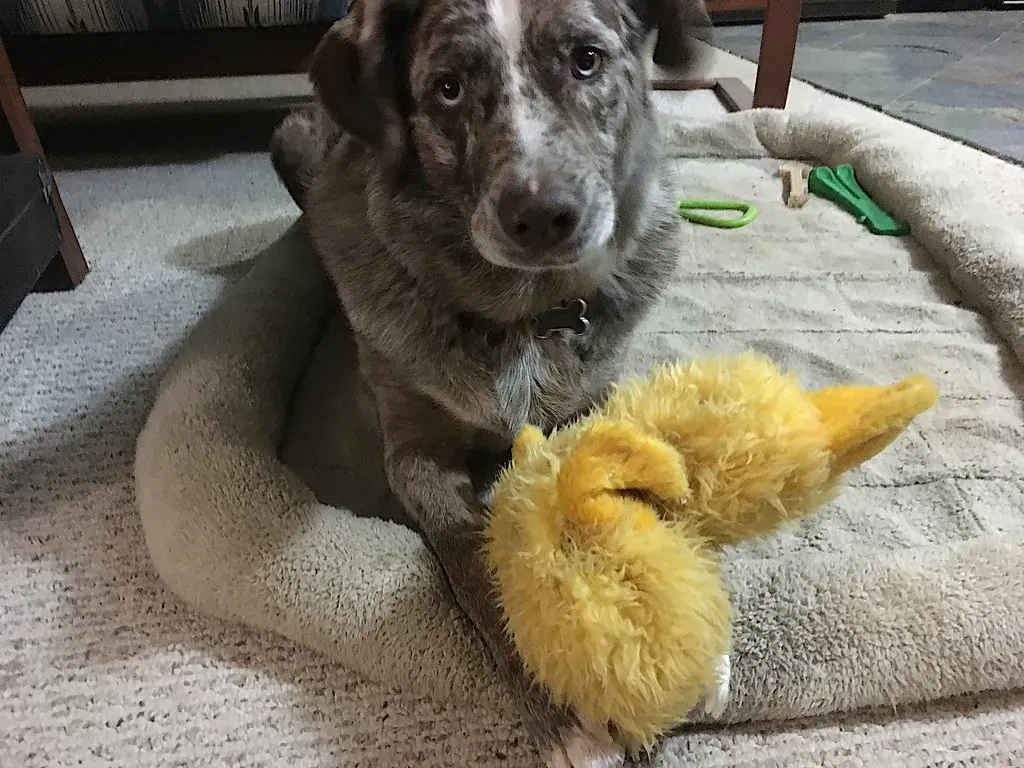
Plush toys, especially those with a heartbeat simulator or heat pack, mimic the feeling of another presence, great for crate training or bedtime. Let’s be real, it sounds a bit unusual until you see it work. Inspired by how puppies are soothed by the presence of their mother, these toys simulate a heartbeat and emit physical warmth so dogs don’t feel alone.
Some dogs form deep attachments to specific soft toys. If your dog sees their toy as a companion, pick one that’s small enough to carry, and dirty laundry like an old shirt or towel can be very comforting to a dog, especially if the item smells like you. Your scent is incredibly powerful for an anxious pup.
However, if your dog likes to chew a lot, there might be better choices than these plush toys, as chewing too much can be risky if they swallow the insides or the electronic parts. Always supervise your dog with these toys initially to gauge how they interact with them. Safety never takes a day off.
Chew Toys: A Natural Stress Release Mechanism
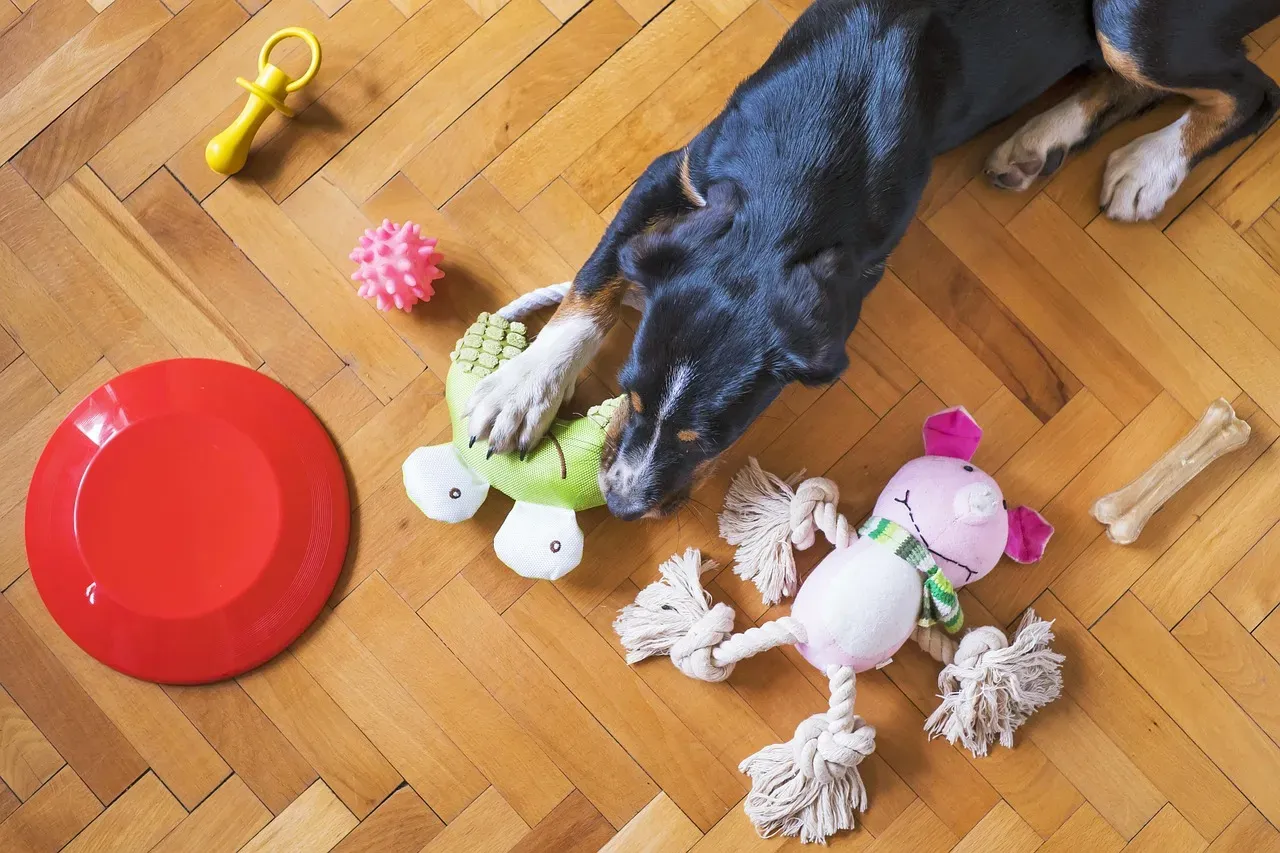
Chewing is a natural way for dogs to stay occupied, especially in stressful situations. It’s almost meditative for them. The repetitive action helps release pent-up tension and gives their nervous energy somewhere productive to go. Think of it like humans who fidget when stressed.
A lot of dogs are tough chewers on their best days, and an anxious day is only going to increase that urge to chomp, so toys specifically designed for aggressive chewers are recommended. Durable rubber toys that can hold treats inside serve double duty, satisfying the chewing urge while keeping their mind busy working out how to get the goodies.
Press your nail into the chew toy’s material – if your nail doesn’t leave a mark, it’s probably too hard for your dog to seriously chew. This simple test can save your dog’s teeth. Too hard risks fractures, too soft means they’ll destroy it in minutes. Finding that middle ground is crucial for anxious chewers.
Teaching Your Dog to Love Their Support Toy
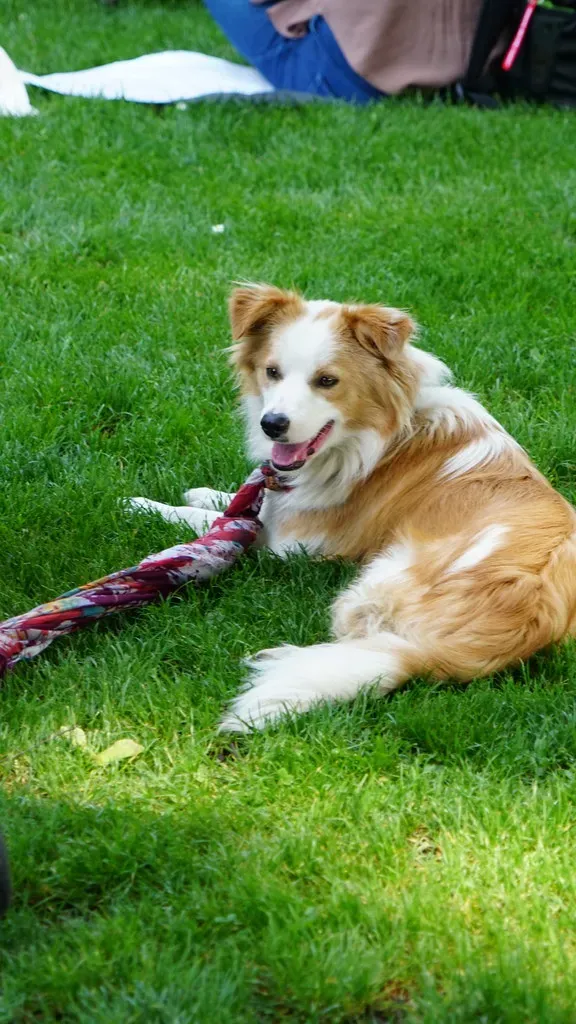
For dogs with separation anxiety, counterconditioning focuses on developing an association between being alone and good things, and every time you leave the house, you can offer your dog a puzzle toy stuffed with food that will take at least 20 to 30 minutes to finish. Creating positive associations takes patience, but it’s worth every minute.
Start by giving your dog the special toy only when you’re about to leave. Never let it become just another toy they can access anytime. This makes it a signal that something good is coming, not something scary. New exploratory and chew toys should be given so your dog has novel and motivating toys to focus on when it’s time to settle, and feeding toys can also replace standard food bowls to make feeding time more mental and physical effort.
The best toys work without your involvement, and choosing designs your dog can enjoy on their own builds confidence and teaches them to self-soothe without constant reassurance. Practice this during short departures first. Pop out for five minutes, come back, and if the toy’s been a hit, gradually extend your absences. Consistency builds that trust your dog needs.
Conclusion
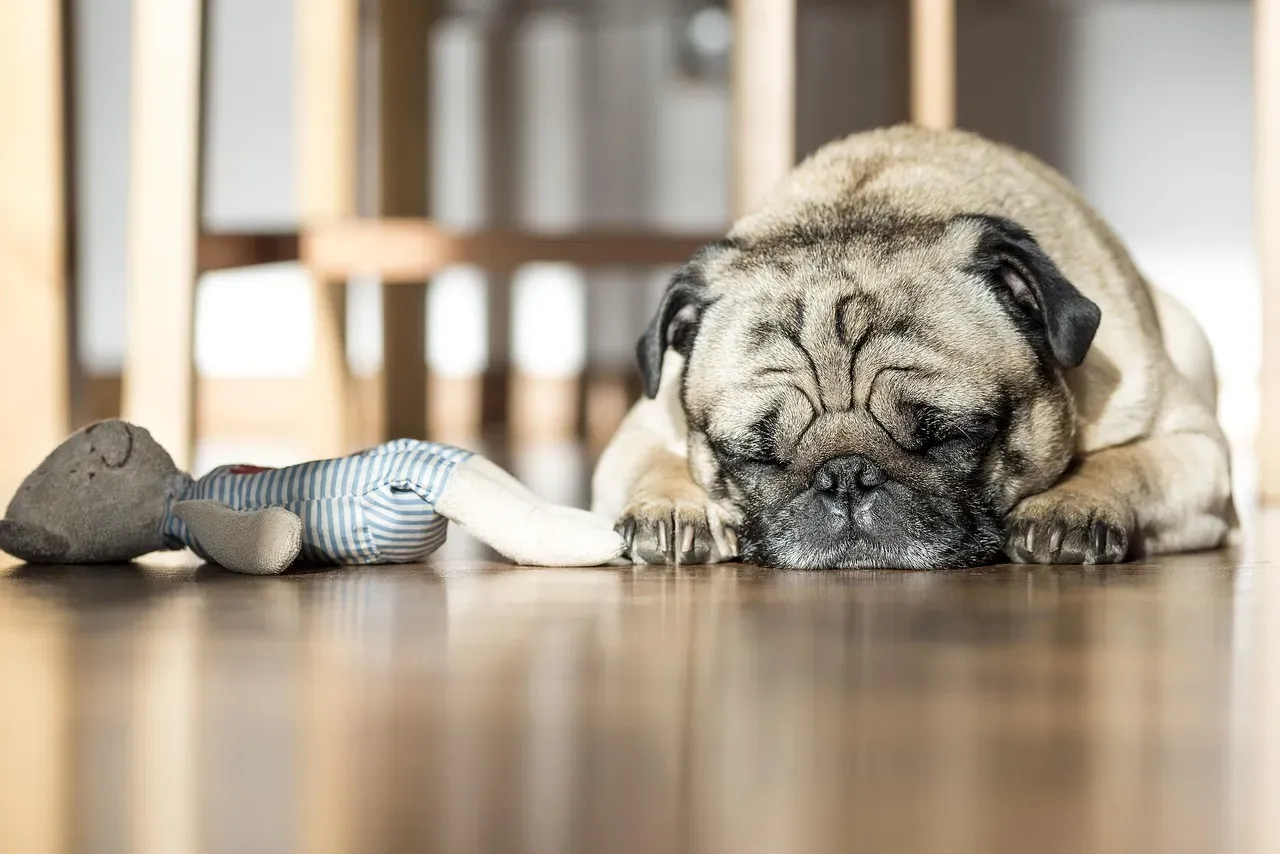
Choosing the right isn’t about trends or what looks cute on Instagram. It’s about genuinely understanding your dog’s unique needs and matching them with tools that actually help. The right choice can reduce stress, encourage calm behavior, and even prevent destructive habits like chewing furniture or excessive barking.
Remember that no single toy will be a magic solution overnight. Patience, compassion and consistency are key, as treating separation anxiety can take months, and although many dogs with separation anxiety can go on to live stress-free lives, the behaviors may resurface during other times of transition. Combining the right toy with positive training, routine, and maybe some professional guidance creates the best outcome.
What kind of emotional support toy has worked best for your dog? Has anything surprised you about what they gravitated toward when anxious?


