
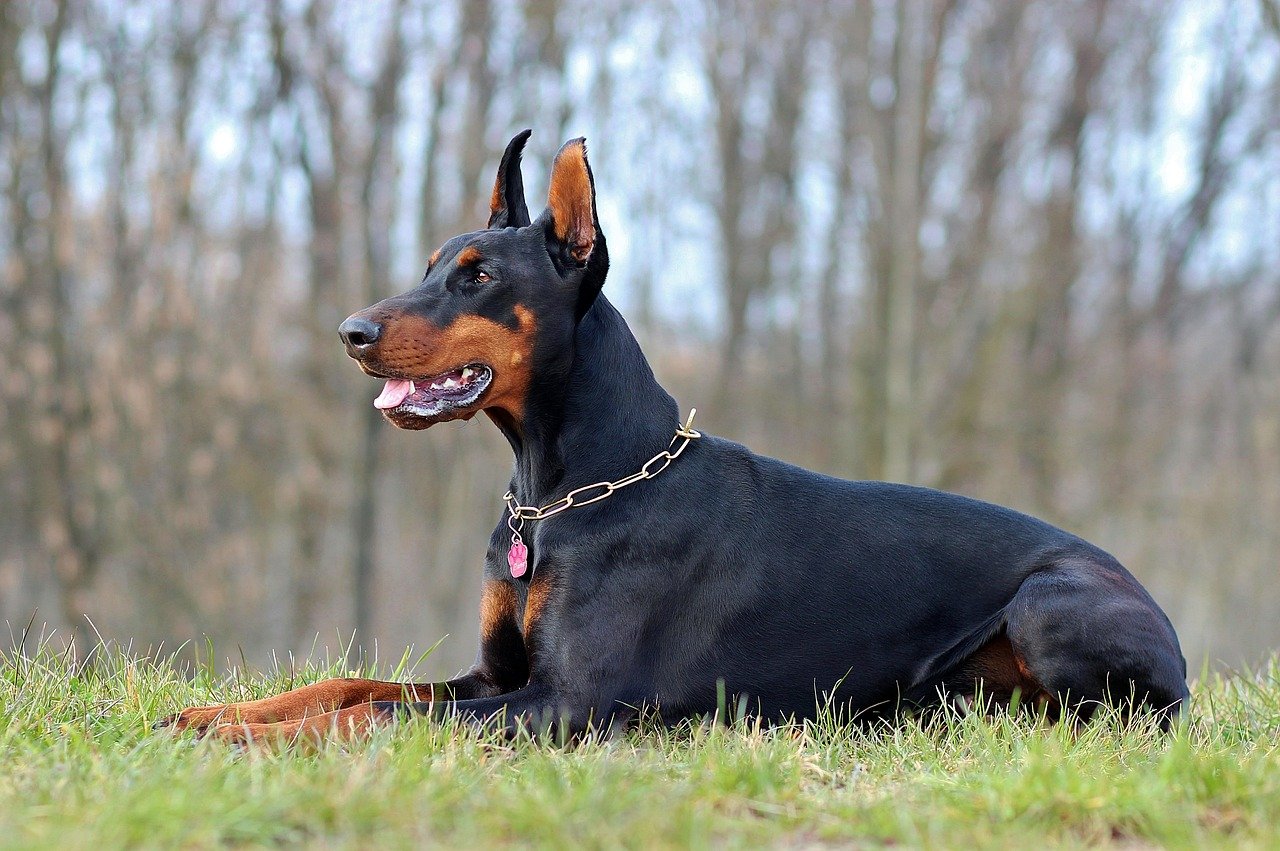
Choosing the right dog breed for your home can be challenging. When it comes to Dobermans and Rottweilers, two of the most popular and recognizable breeds, the decision can be even more daunting. Both breeds have their unique traits, and understanding these can guide you to a decision that best suits your family dynamics and personal preferences. In this article, we’ll explore the characteristics, needs, and differences between Dobermans and Rottweilers to help you make an informed choice.
Understanding the Temperament

Dobermans and Rottweilers are both powerful, intelligent, and loyal breeds, making them excellent choices for the right owner. However, despite their similarities, these two dogs have distinct differences in temperament, training needs, and lifestyle requirements. Whether you’re looking for a devoted guardian, a family companion, or an active working dog, understanding what sets these breeds apart is essential in making the right choice.
Both Dobermans and Rottweilers are known for their loyalty and protective nature. However, their temperament can vary significantly. Dobermans are often described as energetic and alert. They are quick learners and tend to form strong bonds with their human family. This breed thrives in environments where they are mentally and physically stimulated. On the other hand, Rottweilers are known for their calm demeanor. They might appear aloof but are deeply loyal to their families. A Rottweiler’s temperament is more laid-back, which makes them excellent family pets. When deciding between the two, consider whether you prefer an active, high-energy companion or a more relaxed, steady friend.
Exercise and Activity Levels
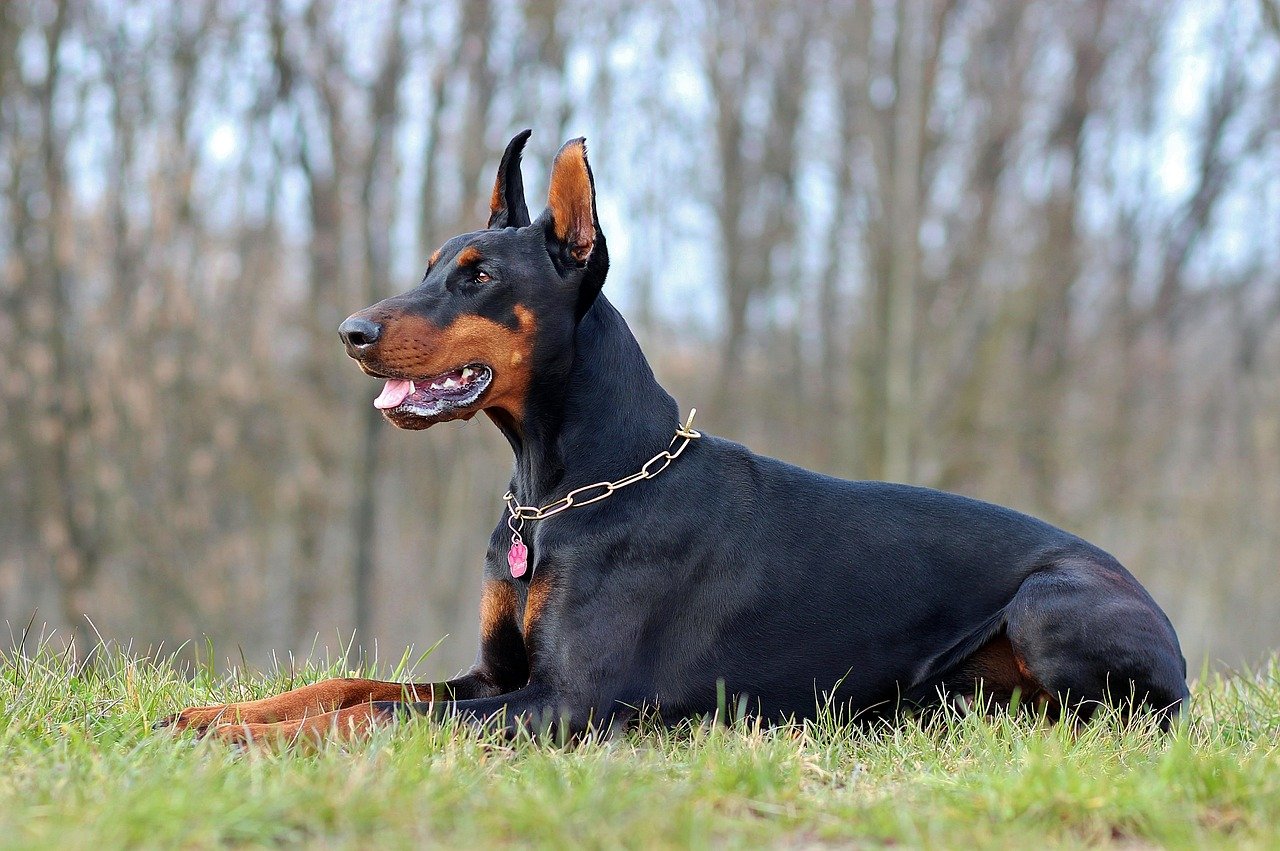
If you’re someone who loves outdoor activities, a Doberman might be your ideal match. This breed requires a lot of exercises to keep them happy and healthy. They excel in agility and obedience training, making them an excellent choice for those who enjoy engaging in dog sports. Rottweilers, while also requiring regular exercise, are not as demanding as Dobermans. A daily walk and some playtime in the yard are usually sufficient for a Rottweiler. Consider your lifestyle and how much time you can dedicate to exercise when choosing between these two breeds.
Size and Space Considerations
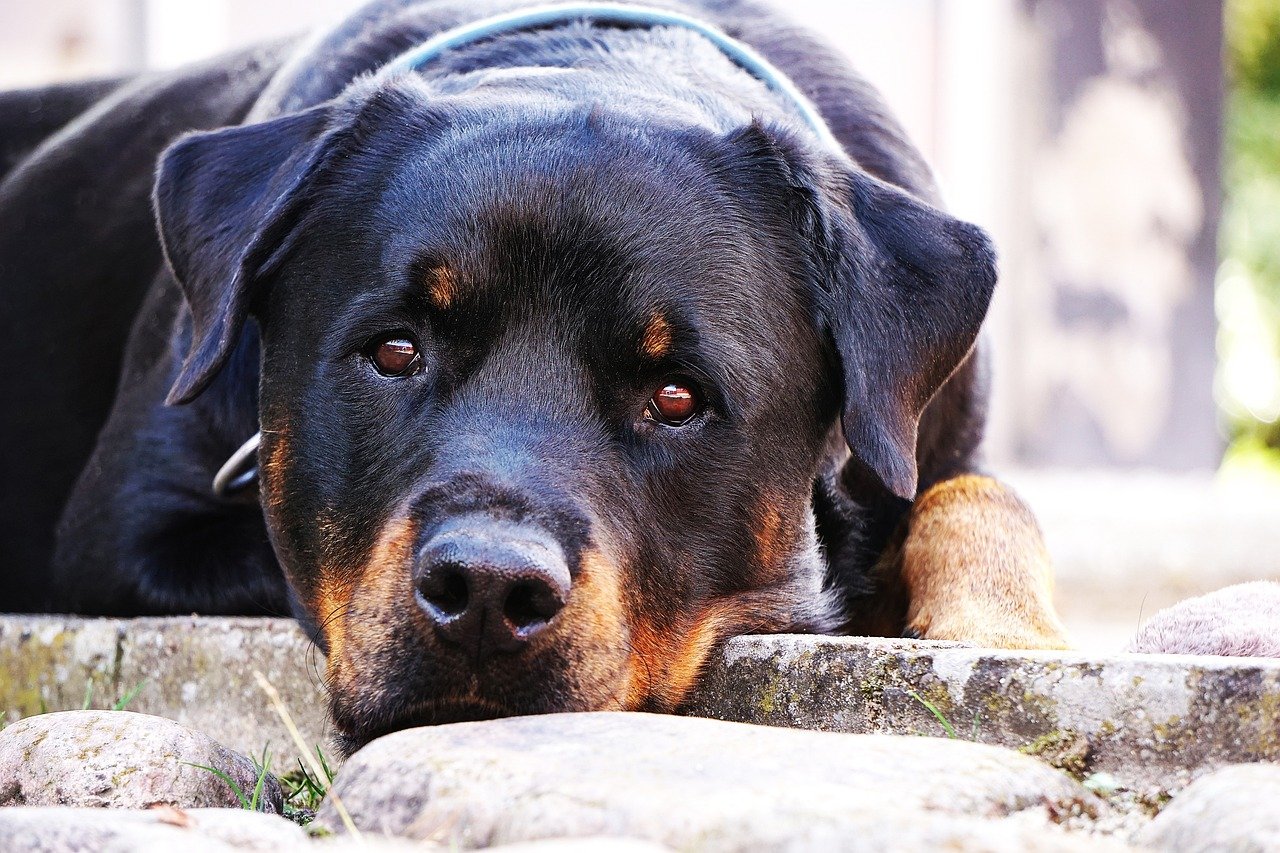
Size can play a crucial role in your decision, especially if you live in an apartment or a smaller home. Dobermans are typically more slender and agile, making them slightly easier to manage in tighter spaces. Their sleek build means they can adapt to apartment living, provided they get enough exercise outdoors. Rottweilers, on the other hand, are more robust and sturdy. They require more space and feel at ease in homes with large yards. If space is a constraint, a Doberman might be more suitable, but if you have ample room, a Rottweiler could be a perfect fit.
Grooming and Maintenance

When it comes to grooming, both breeds are relatively low-maintenance, but there are slight differences. Dobermans have a short, sleek coat that requires minimal grooming. Regular brushing will keep their coat shiny and healthy, and they shed moderately throughout the year. Rottweilers also have a short coat, but it’s denser and requires more frequent brushing to manage shedding, especially during seasonal changes. If you prefer a breed with lower grooming demands, Dobermans might have a slight edge over Rottweilers.
Training and Socialization

Training and socialization are crucial for both breeds, given their strong personalities. Dobermans are highly intelligent and respond well to consistent, positive reinforcement training methods. They enjoy learning new commands and tricks, making them an excellent choice for experienced dog owners. Rottweilers, though also intelligent, can sometimes be stubborn. They require a firm, patient hand and benefit from early socialization to prevent any behavioral issues. Understanding your capability and experience with training can help you decide which breed to bring home.
Health Considerations
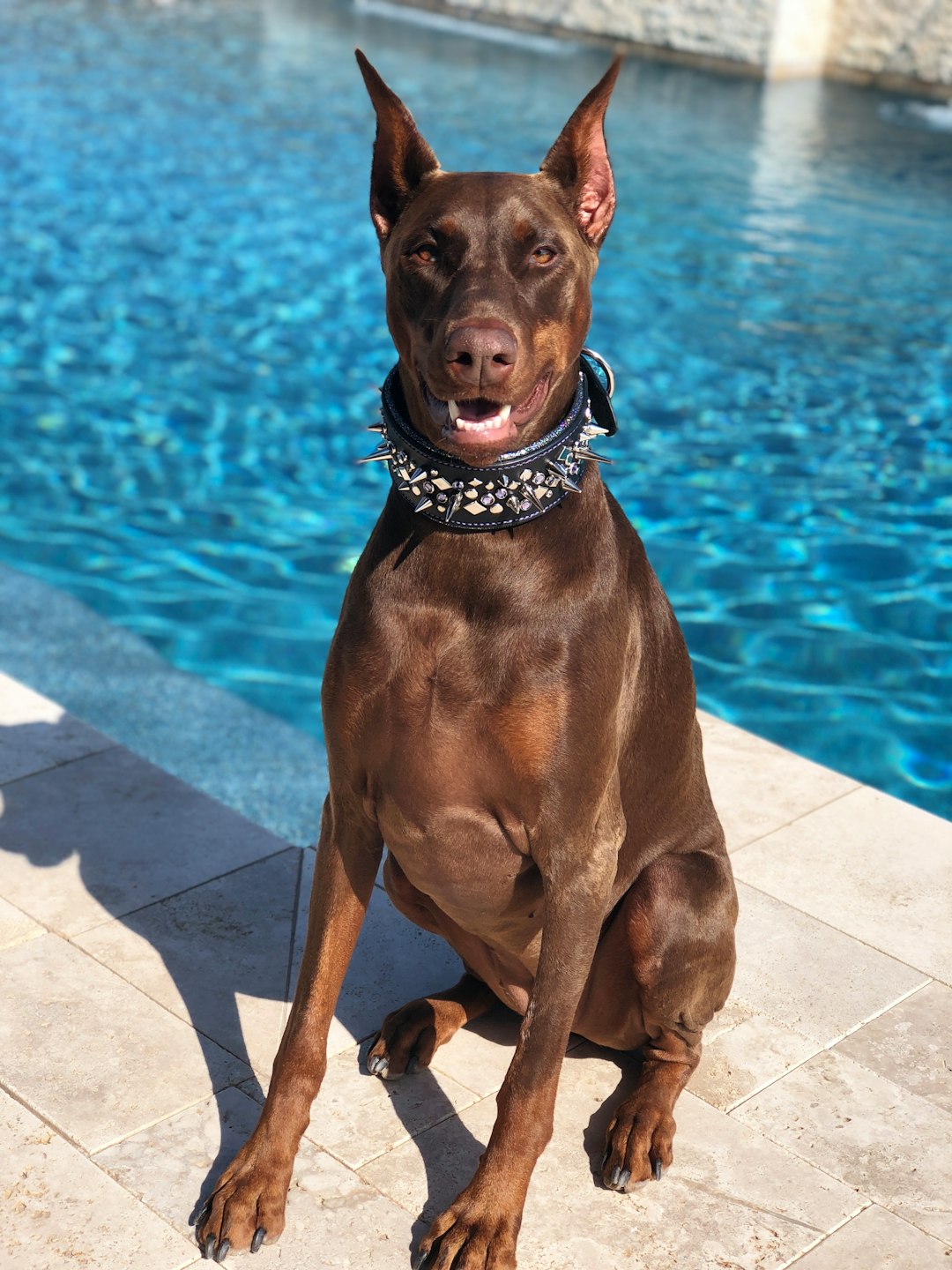
Both Dobermans and Rottweilers have their share of health concerns that potential owners should be aware of. Dobermans are prone to conditions like hip dysplasia and heart problems. Regular vet check-ups and a healthy diet can mitigate some of these risks. Rottweilers can also suffer from hip dysplasia, along with elbow dysplasia and certain genetic disorders. They require a well-balanced diet and exercise regimen to maintain their health. Researching these health issues can prepare you for any future medical needs your pet may have.
Living with Children and Other Pets

If you have children or other pets, considering how each breed interacts with them is essential. Dobermans are known to be protective and can be wonderful with children if properly socialized from a young age. They form strong bonds with kids and can be gentle and affectionate companions. Rottweilers, with their calm demeanor, often get along well with children and other pets, provided they are introduced and socialized correctly. Assessing your family dynamics will help you decide which breed is more suitable for your home environment.
Lifetime Commitment and Costs
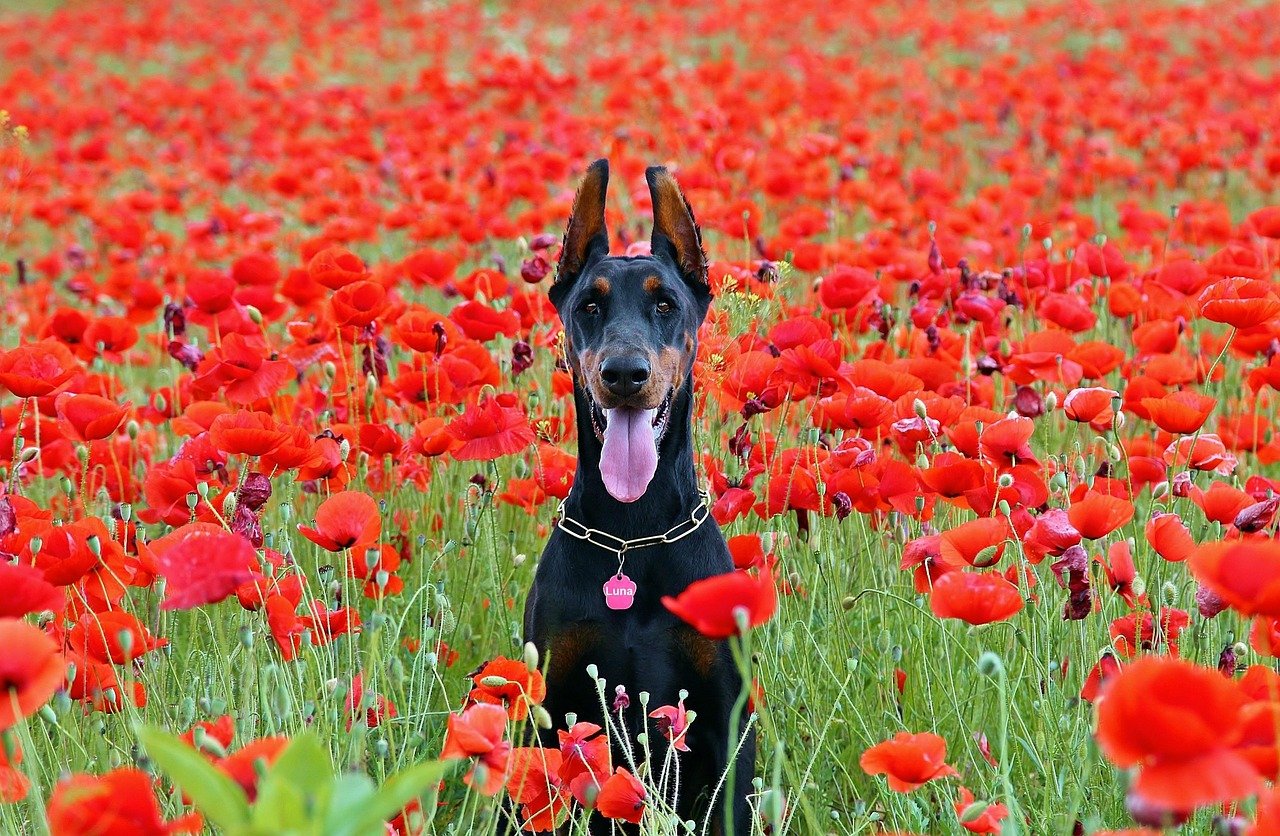
Owning a dog is a long-term commitment and entails various costs that should be considered. Both Dobermans and Rottweilers require quality food, regular vet visits, and training, which can add up over time. Dobermans, with their high energy, might need more toys and activities to keep them engaged. Rottweilers, with their larger size, might incur higher costs in terms of food and medical expenses. Ensuring you have the resources and willingness to commit to either breed will lead to a happy and fulfilling relationship.
In making your decision, remember that both Dobermans and Rottweilers have unique qualities that can enrich your life. Your choice should reflect your lifestyle, family needs, and personal preferences.


