

Keeping your dog’s teeth clean doesn’t have to be a stressful daily brushing session. Vets actually suggest a range of easy, effective alternatives—like dental chews, specially designed toys, and water additives that help reduce bacteria and plaque. Raw bones (given safely and under supervision) can naturally scrub their teeth, and even certain diets are formulated to promote better oral health. Regular vet visits also play a big part in spotting early signs of dental trouble before they get serious. By mixing in these simple practices, you can give your pup a healthy smile—without the toothbrush standoff every night.
The Hidden Dangers of Skipping Dental Care
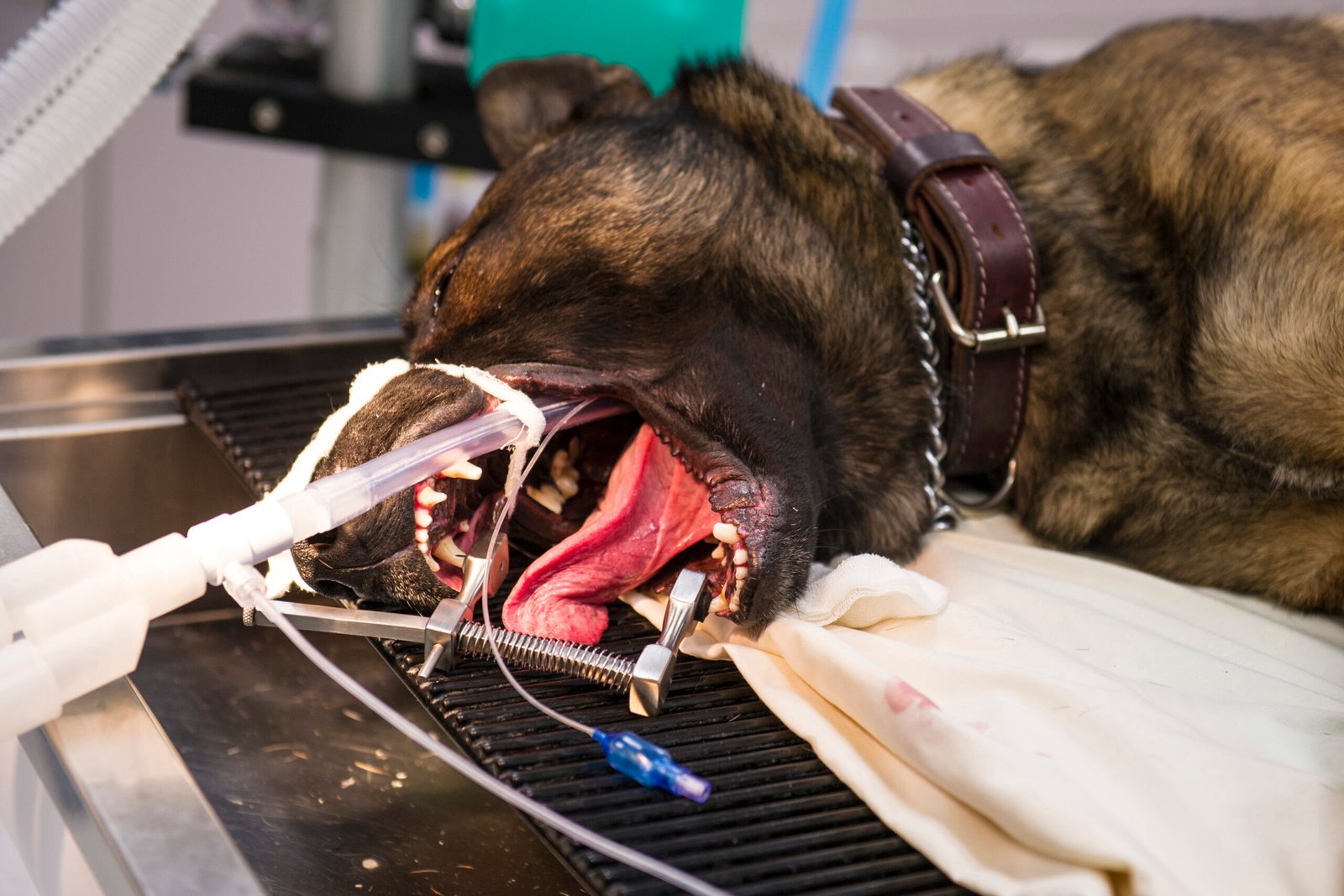
It might shock you to learn that dental disease is one of the most common health problems facing dogs today. By the age of three, the majority of dogs show some signs of gum disease, which can lead to painful infections, tooth loss, and even organ damage if left unchecked. Bad breath is usually just the tip of the iceberg. Bacteria from the mouth can travel into the bloodstream, affecting the heart, liver, and kidneys. Neglecting your dog’s teeth isn’t just about bad breath—it could shorten their life. This is why veterinarians urge owners to take dental care seriously, even if traditional brushing isn’t possible.
Chew Toys: Nature’s Toothbrush
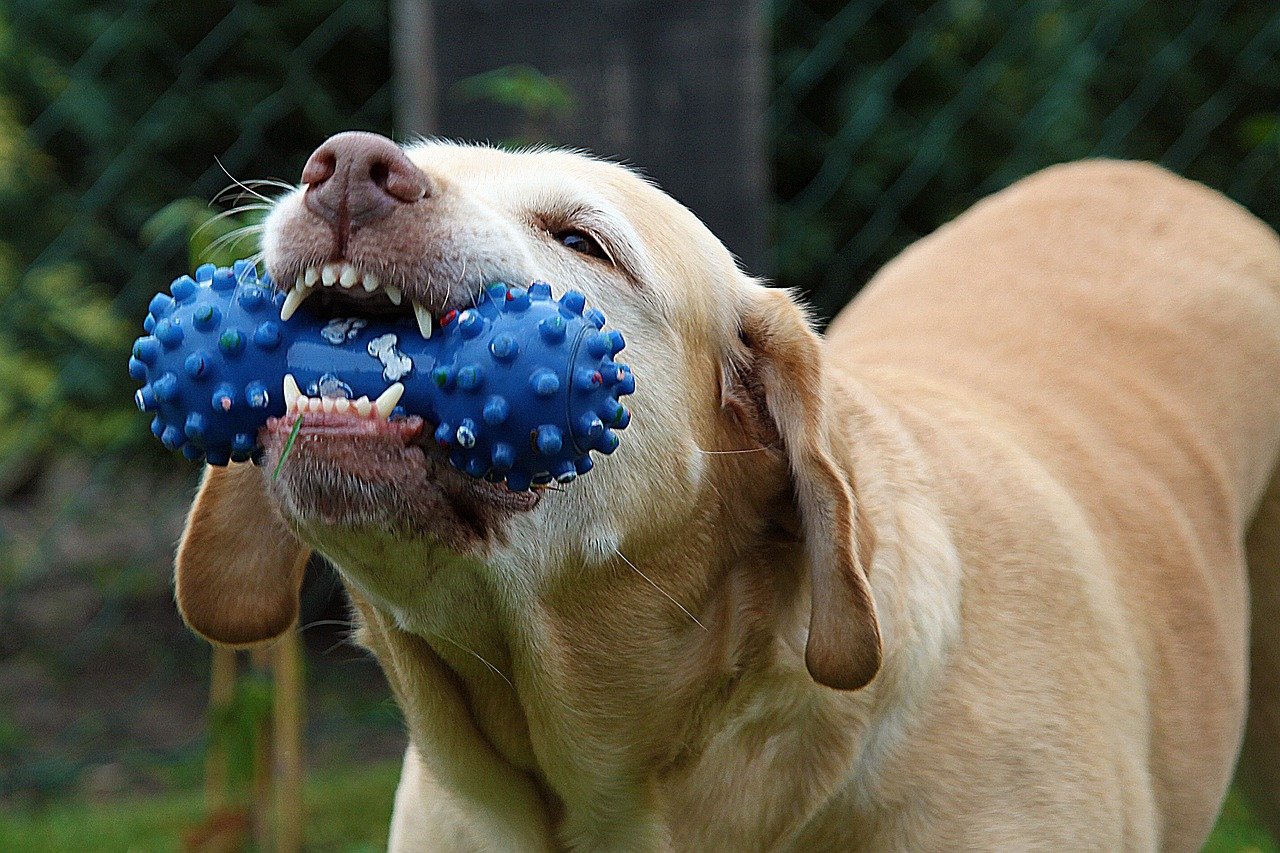
Dogs love to chew, and the right chew toys can do wonders for their dental health. Vets often recommend rubber or nylon chew toys designed with ridges and grooves that help scrape away plaque as your dog gnaws. The act of chewing increases saliva production, which naturally washes away food particles and bacteria. Choose toys that are durable but not so hard that they risk breaking your dog’s teeth. Rope toys can also help, as the fibers act like dental floss. Just be sure to supervise your dog to prevent accidental swallowing of toy parts.
Dental Treats and Chews: Tasty and Effective
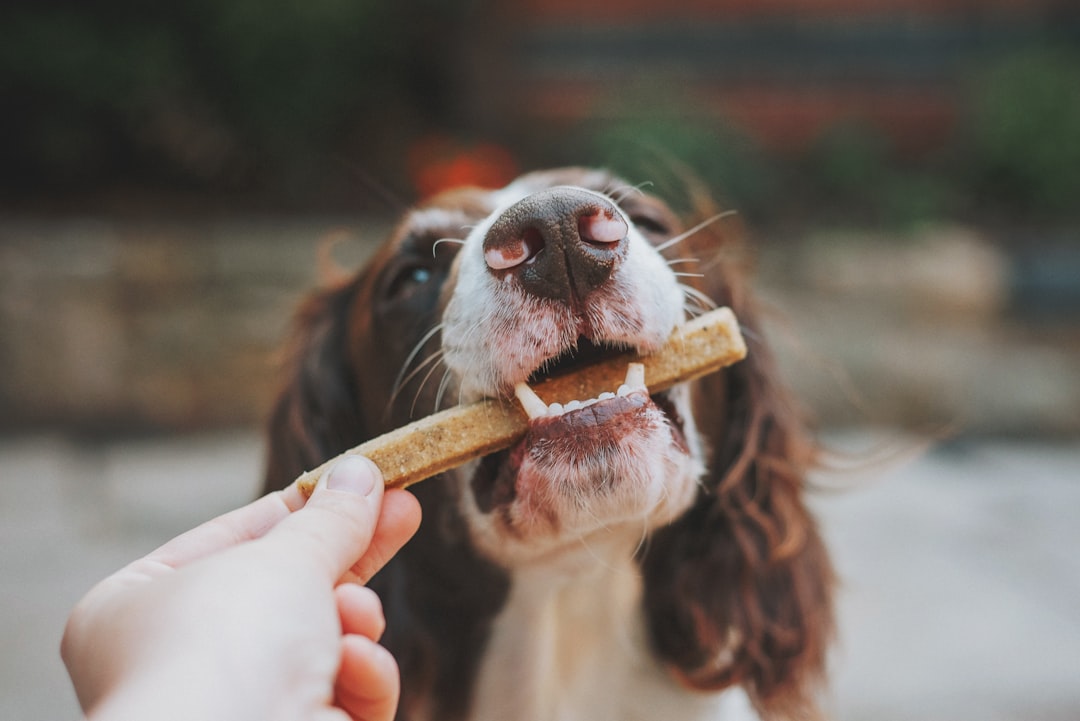
Who can resist rewarding their pup with a tasty treat? Dental chews are specially formulated snacks that help reduce plaque and tartar buildup. Look for products approved by veterinary dental associations—these have been tested for safety and effectiveness. Many dental treats contain enzymes or abrasive textures to help clean teeth as your dog chews. Not only are these treats delicious, but they also turn dental care into a positive experience. Remember, though, treats should not replace meals and should be given in moderation to avoid weight gain.
Raw Bones: Old-Fashioned but Cautious Approach
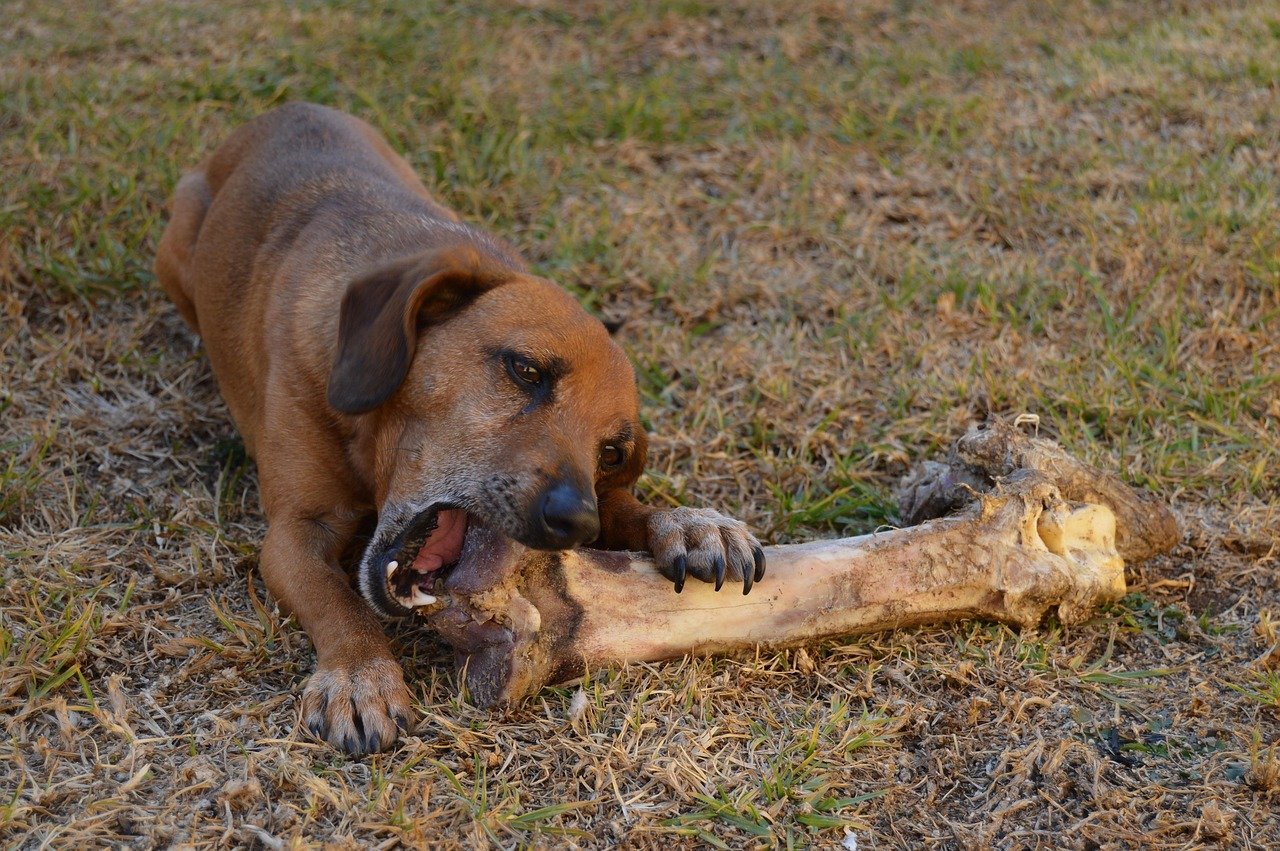
Raw bones—never cooked—are sometimes recommended by vets as a natural way to clean teeth. As dogs chew on raw bones, the scraping action helps remove plaque and tartar. However, there are risks involved, such as tooth fractures or choking hazards, so always choose an appropriate size and supervise your dog. Never give cooked bones, as they can splinter and cause serious injuries. If you’re unsure about which bones are safe, ask your vet for guidance. For some dogs, raw bones can be both a treat and a dental aid, but safety should always come first.
Water Additives: Easy and Convenient
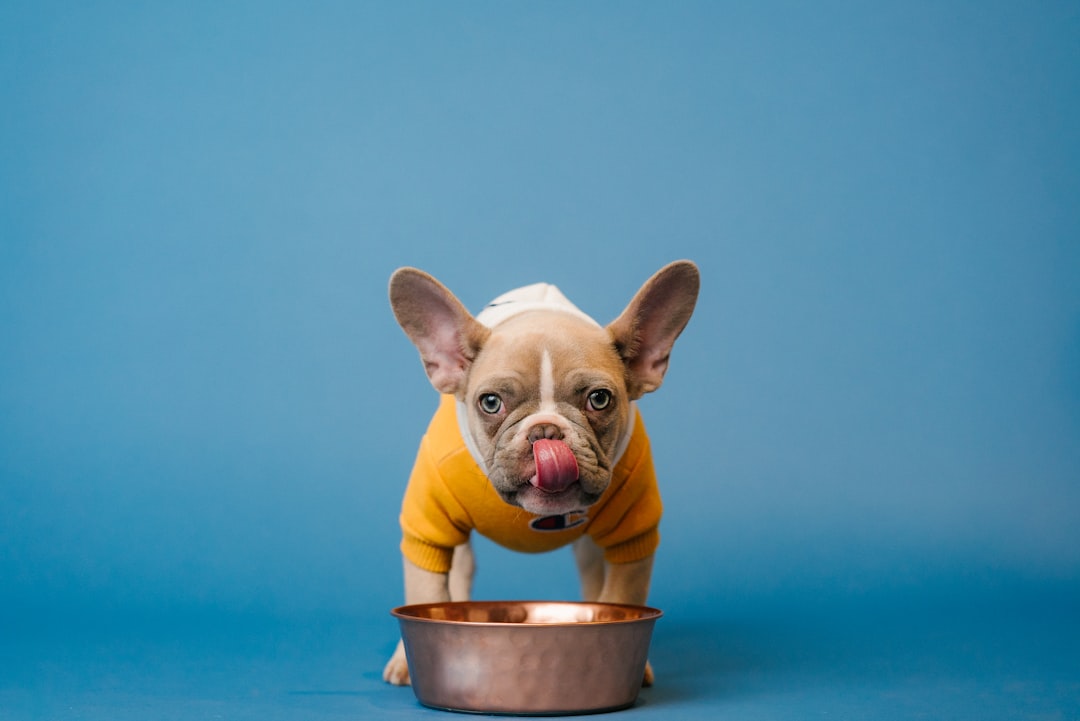
If your dog is picky or you’re short on time, water additives can be a game-changer. These are liquid solutions you add to your dog’s water bowl, designed to reduce bacteria and freshen breath. Many are flavorless, so dogs won’t even notice the difference. While water additives don’t replace other dental care methods entirely, they provide an effortless way to support oral hygiene daily. Look for products recommended by veterinarians, and always follow the dosing instructions. For busy pet parents, this is one of the simplest ways to promote dental health.
Dental Wipes and Pads: A Gentle Alternative
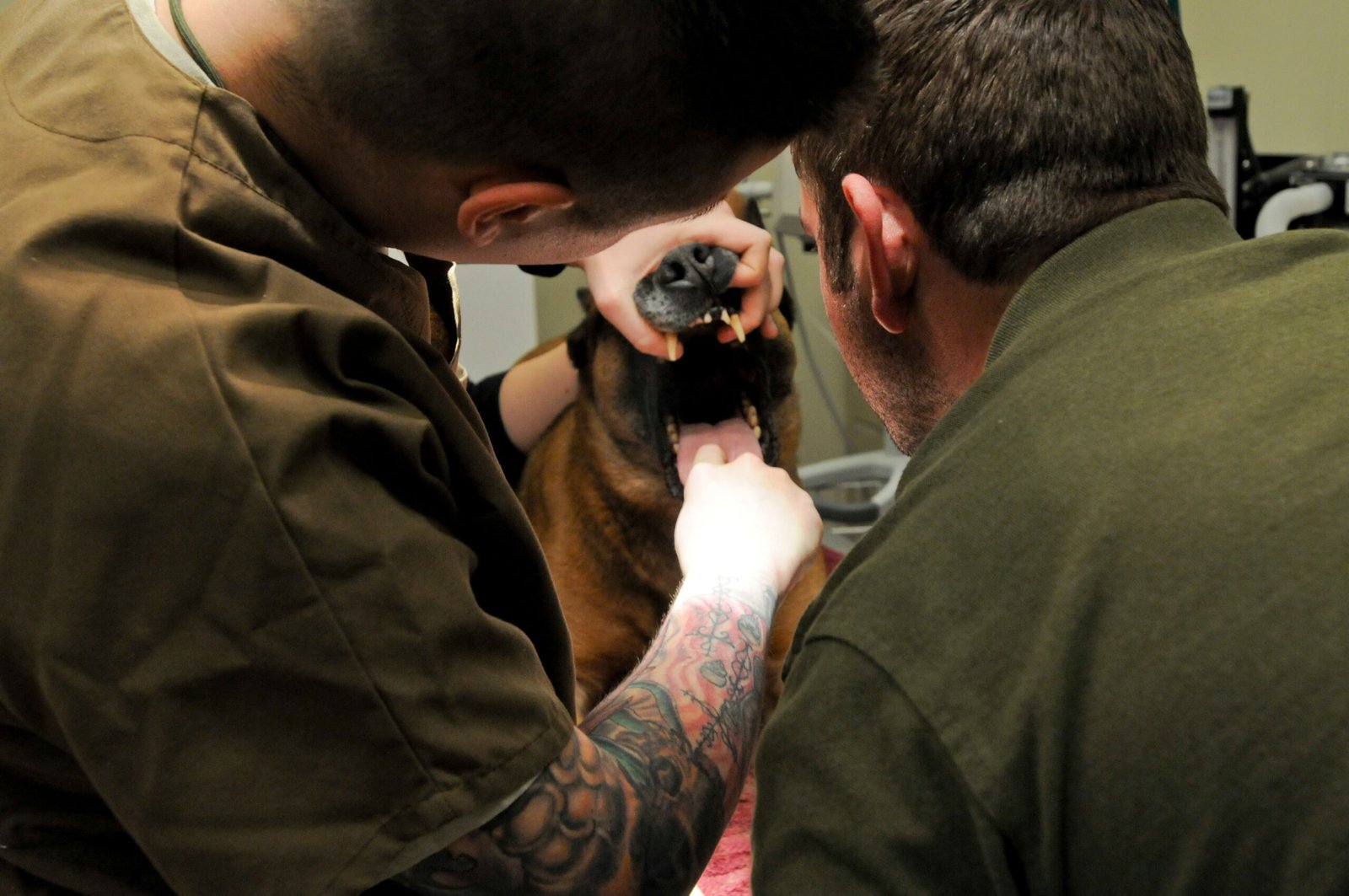
For dogs who absolutely refuse a toothbrush, dental wipes or pads offer a gentler touch. These products are infused with cleaning agents that help break down plaque and freshen breath. Simply wrap the wipe around your finger and gently rub it along your dog’s teeth and gums. While not as thorough as brushing, wipes can remove surface debris and slow the progression of dental disease. They’re especially useful for dogs with sensitive mouths or those still warming up to the idea of oral care. With patience, many dogs learn to tolerate and even enjoy the attention.
Special Diets and Dental Kibble
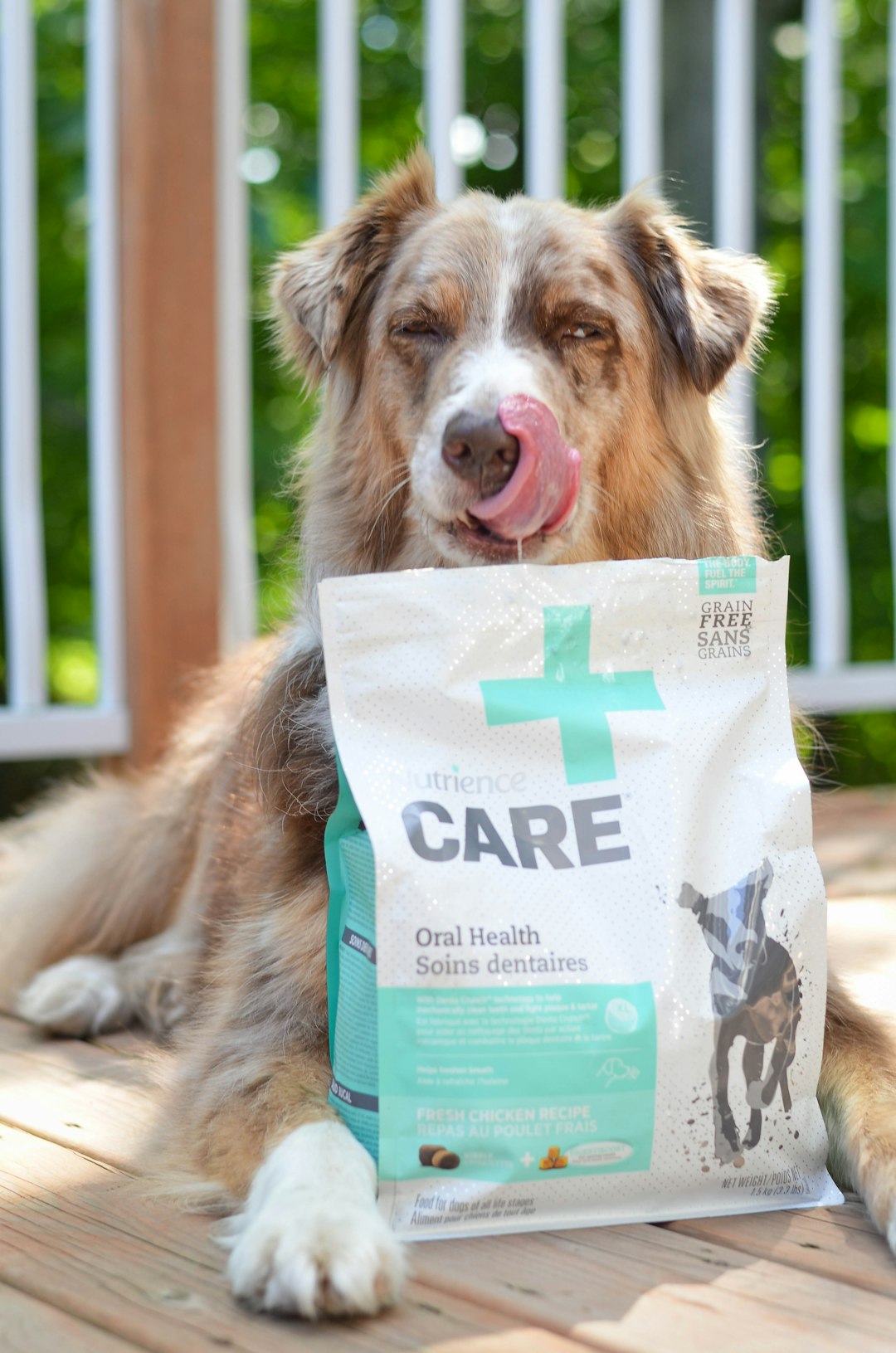
Some dog foods are specially designed to promote dental health. These diets often feature larger, textured kibble that requires more chewing, which helps mechanically clean teeth. Certain formulas include ingredients that reduce plaque-causing bacteria or prevent tartar from hardening. If your vet suggests switching to a dental-specific diet, it can be a simple way to incorporate oral care into every meal. While not a complete substitute for other methods, dental diets are a helpful addition to your dog’s overall dental wellness routine.
Regular Veterinary Dental Exams: The Final Safety Net

Even with the best at-home dental care, nothing compares to a thorough checkup by a veterinary professional. Vets can spot early signs of dental disease that might go unnoticed by owners. Professional cleanings, sometimes under anesthesia, are recommended for removing stubborn tartar and addressing more serious issues. Your vet can also recommend the best home care options tailored to your dog’s breed, age, and health. Scheduling regular dental exams is essential for catching problems before they become painful or expensive to treat.
Keeping your dog’s mouth healthy doesn’t have to feel like a battle. With vet-approved alternatives like dental chews, water additives, and smart toys, you can make oral care part of your pup’s everyday routine—without the stress of brushing. The key is consistency and keeping an eye out for any dental red flags. A little effort goes a long way toward fresh breath, healthy gums, and a happier dog. Your furry friend (and your nose!) will thank you.


