
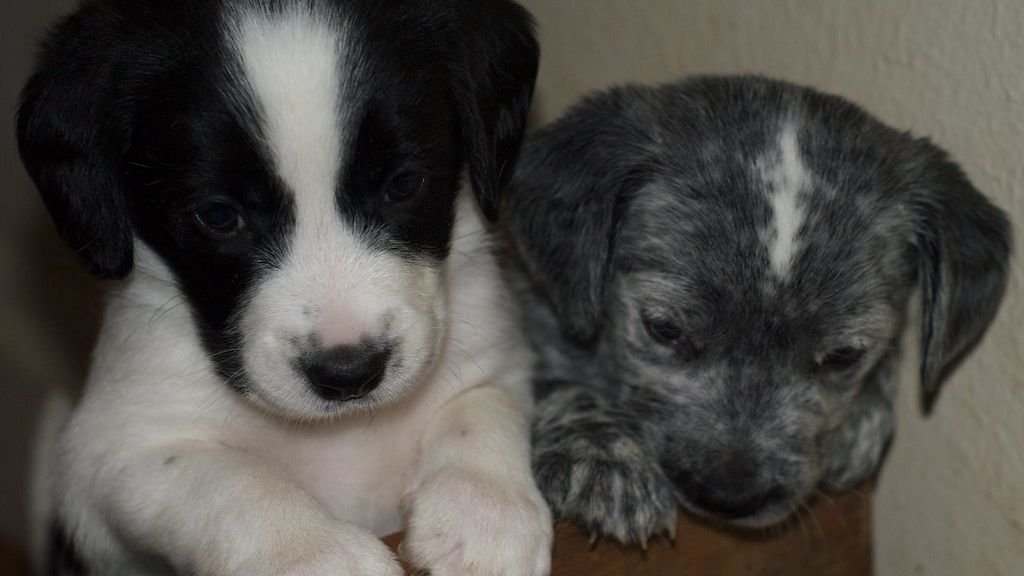
There is something both heartbreaking and quietly heroic about stepping in for a mother who can’t be there. Whether she passed away, fell ill, or simply rejected her litter, that tiny puppy left behind has no roadmap, no warmth, and no heartbeat to curl up against. Just you. Honestly, it’s one of the most intimate responsibilities a dog lover can take on, and it is absolutely possible to get it right.
The good news? Puppies are resilient little creatures. With the right knowledge, a lot of patience, and a willingness to set three-in-the-morning alarms, you can give an abandoned puppy not just survival but a genuinely beautiful start in life. Let’s dive in.
Understanding Why a Mother Dog Abandons Her Puppies
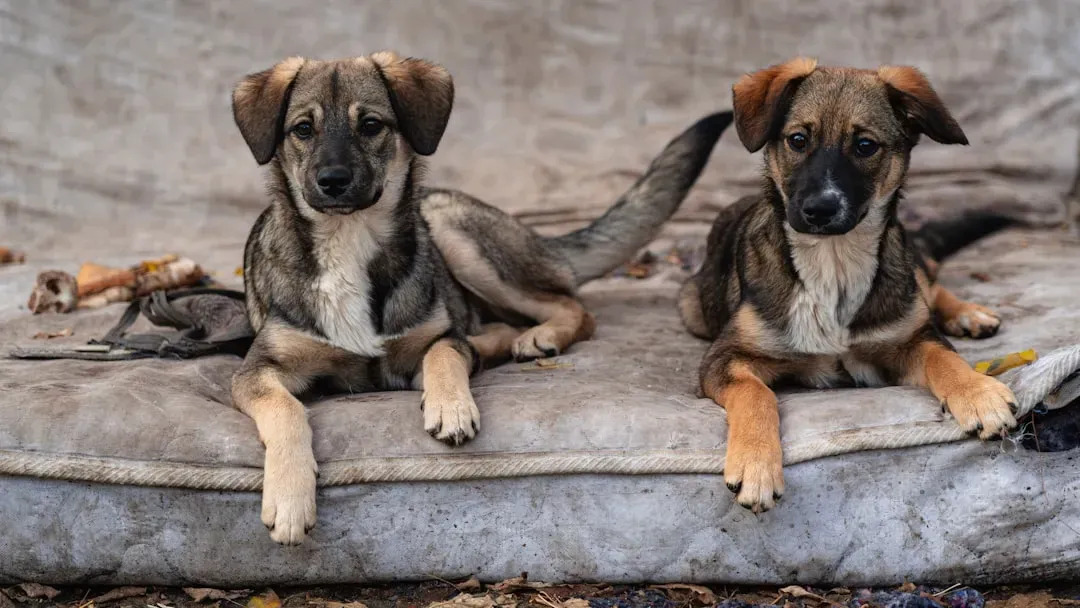
Before you can truly help, it’s worth understanding what happened. A mother dog may abandon her litter due to death or illness, an inability to produce sufficient milk, or even as part of a natural selection process where she instinctively rejects sickly puppies or fails to bond with her litter. It’s not always cruelty. Sometimes it’s biology, and sometimes it’s circumstance.
Think of it like a circuit breaker tripping in a storm. The system isn’t broken forever, it just needs someone else to step in and restore the current. Whether the mother dog is deceased, unable to produce milk, or simply unwilling to care for a litter, the puppies will need someone to take over, which requires frequent feedings, careful environmental monitoring, specialized sanitation, and proper socialization.
Puppies that have lost their mothers typically lack the immunity that would have been passed down through her milk, making them more vulnerable to diseases such as distemper and parvo. That immune gap is one of the most urgent things to address, and your vet should be your first call.
Creating a Safe, Warm Nest: The First Thing You Must Get Right
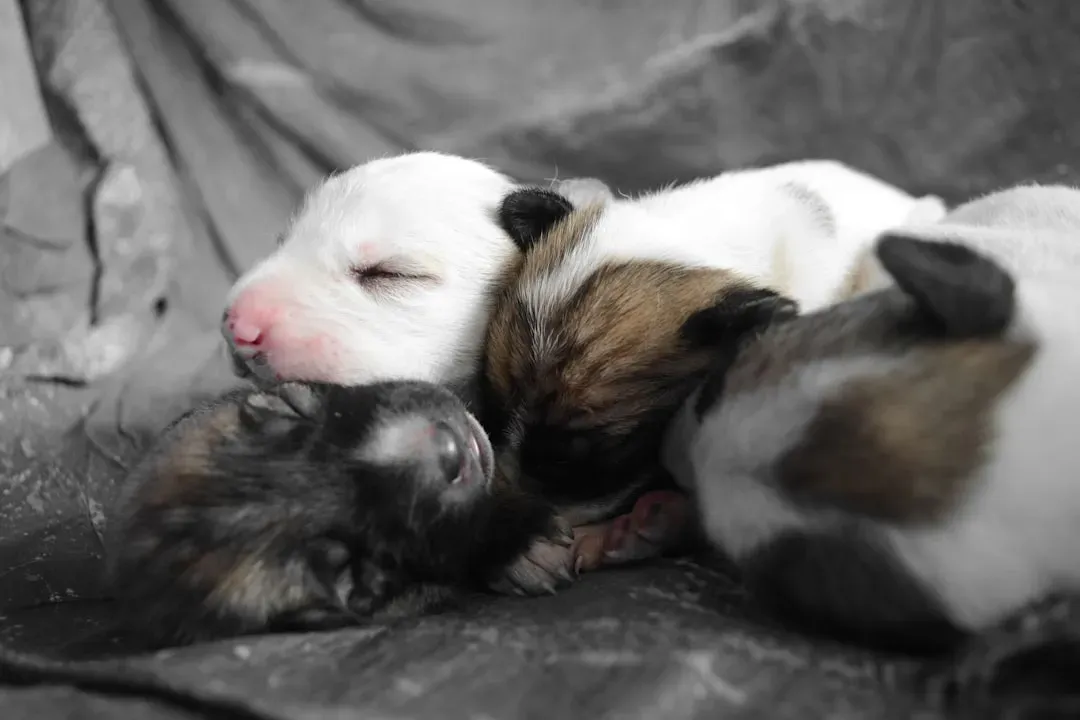
Here’s the thing most people don’t realize immediately. Warmth isn’t just a comfort thing for a newborn puppy. It’s a survival thing. Hypothermia or chilling in young puppies can lead to death, and a puppy loses far more heat per pound of body weight than an adult dog. That tiny body just cannot hold heat the way ours can.
Provide a warm and secure area for the pups to live, such as a cardboard box with high sides to prevent crawling out, lined with a flattened disposable diaper. Simple, inexpensive, and genuinely effective. During the first four or five days of life, puppies should be kept in an environment between 85 and 90 degrees Fahrenheit, and the temperature can gradually be decreased to 80 degrees by the seventh to tenth day.
Take care not to overheat the puppies, as newborn puppies cannot move away from the heat on their own. Place a thermometer in the box and keep half of the area slightly cooler as an escape zone. It’s a small detail that makes a big difference.
Feeding an Orphaned Puppy: What, When, and How Much
Puppies should not be fed cow’s or goat’s milk or a homemade mix. A commercial milk replacer is a better guarantee that the puppies will get the nutrients their bodies need. I know it’s tempting to grab whatever is in the fridge, but resist that urge. Their tiny digestive systems are not built for it.
Newborn puppies will need food every two to three hours around the clock, and six or eight meals equally spaced over 24 hours are sufficient for most puppies, while small or weak puppies might need more feedings. Yes, that means middle-of-the-night wake-ups. Think of it as puppy parenthood boot camp.
It is preferred to feed small amounts at frequent intervals rather than large quantities infrequently, to prevent diarrhea and lower the risk of aspiration. Overfeeding can actually be worse than slightly underfeeding. Watch for a round but not drum-tight belly after each feeding as a sign that things are going well.
Health Signs to Watch and Warning Signs to Never Ignore

Raising an abandoned puppy means you become a part-time nurse. Several critical issues must be addressed, among them hypothermia, dehydration, and hypoglycemia. These problems are interrelated and often occur at the same time in one or more puppies. The tricky part is that they can escalate fast.
One sign of dehydration is loss of elasticity in the skin. If you pick up the pup’s scruff with two fingers, it will stay up looking pinched. Another way to test for dehydration is to look at the puppy’s gums, which should be moist and shiny and should not feel sticky to the touch. Keep this scruff-test habit in your daily routine.
Hypoglycemia, an abnormal decrease of sugar in the blood, can also happen to orphaned puppies. Signs to look for include lack of strength, lethargy, and muscle twitching, sometimes with convulsions. If a puppy shows these signs, place a few drops of corn syrup under their tongue and on the gums, and call your veterinarian immediately. Speed matters enormously here.
Bonding, Socialization, and Becoming Their World
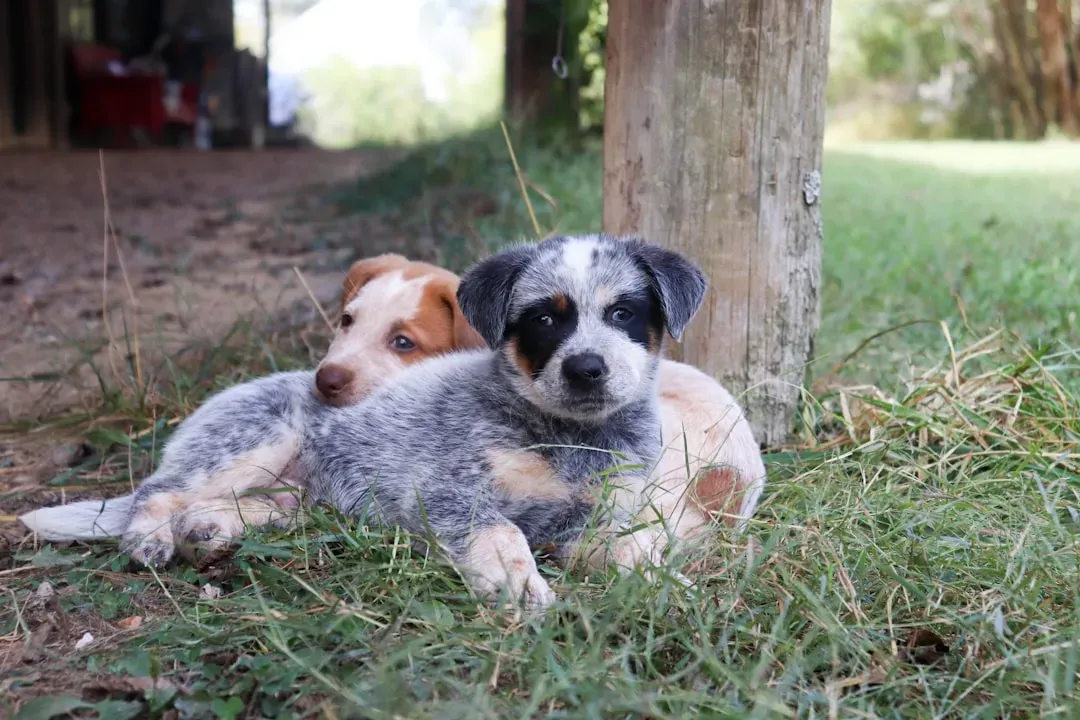
This is the part that makes everything else worth it. Orphaned puppies don’t just need physical care, they need emotional nurturing too, and regular handling helps them feel secure and loved. You are not just a feeder. You are a mother figure, a comfort anchor, and the reason this little one learns that the world is a safe place.
During the neonatal period of the first two weeks, gentle daily handling helps to imprint puppies to people via touch and smell. The transition period covering two to four weeks defines the functional use of eyes, ears, and legs, and daily handling of at least one minute per puppy per day helps bond dogs to humans. Think short, gentle, consistent. Like depositing trust in a tiny little bank account.
Early socialization is crucial for puppies who were separated from their mother prematurely, and exposing them to a variety of people, animals, and environments can help them develop confidence and positive associations. Puppies who don’t get exposure to different situations during the critical socialization period are much more likely to be fearful or aggressive adults than puppies who are introduced to many different people and animals. Your everyday world, the sounds, the smells, the faces, is their classroom.
Conclusion: You Are Enough for This Puppy
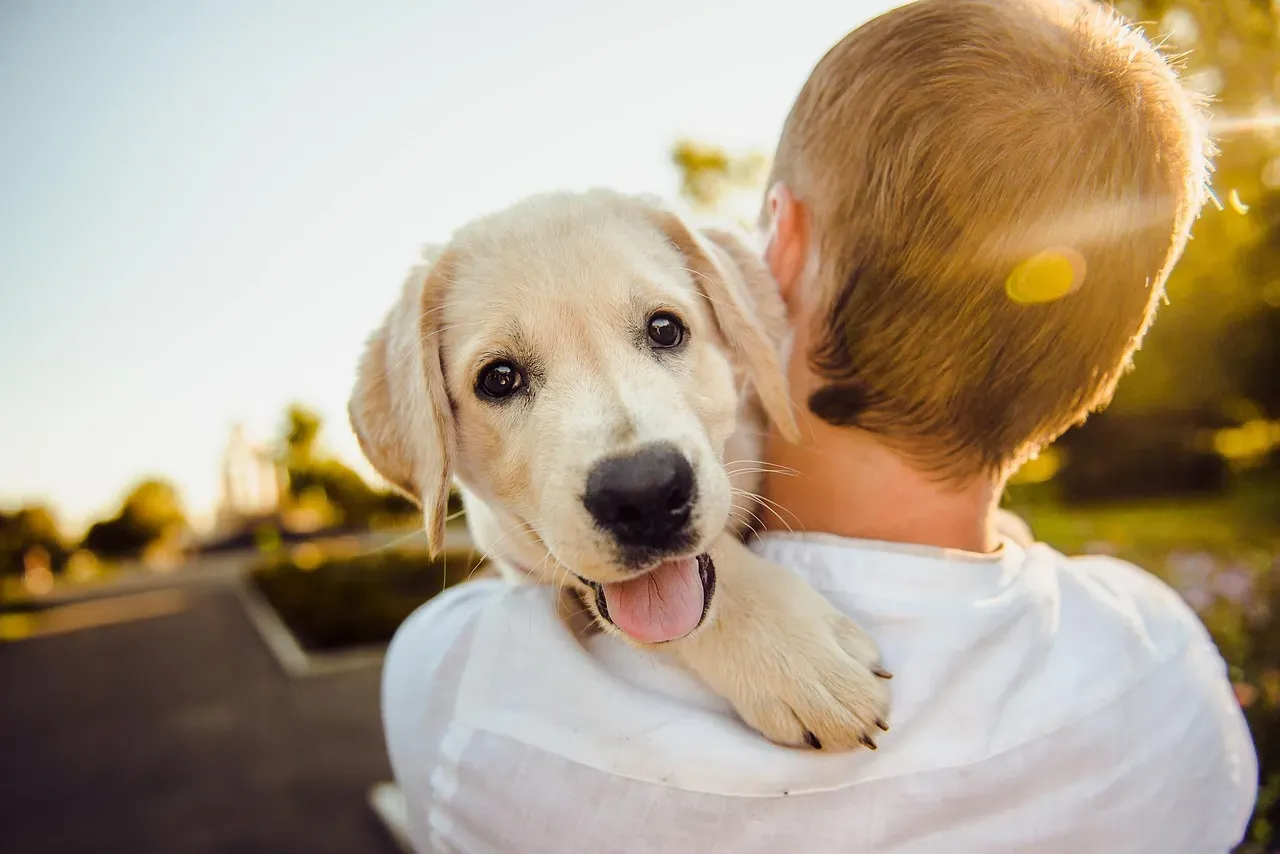
Let’s be real. This is hard work. It asks things of you that most people don’t expect when they fall in love with a puppy. But here’s what I truly believe: the bond that forms between a human and an abandoned puppy they raised from scratch is one of the most profound connections in the dog world. It’s built feeding by feeding, warmth by warmth, heartbeat by heartbeat.
You won’t be perfect. There will be scary nights, googled symptoms at 2 a.m., and maybe a few tears. That’s okay. Raising young animals is a time-consuming and exhausting process, but a rewarding one. Every gram of weight gained, every little tail wag, every set of eyes that opens and looks up at you as if you are the whole universe, that is the payoff.
So keep going. That puppy chose you simply by surviving until you came along. Now go be worth it. Have you ever raised an abandoned puppy? We would love to hear your story in the comments below.


