
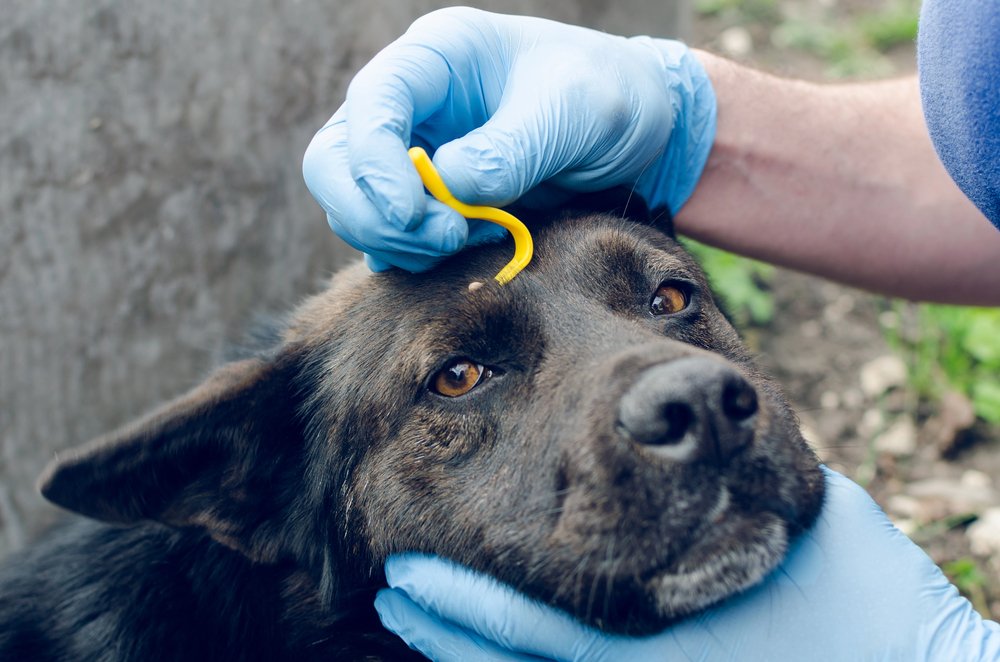
Ticks are small, parasitic arachnids often found in tall grasses, wooded areas, and even in your backyard. They feed on the blood of mammals, birds, and sometimes reptiles and amphibians. Ticks can be more than just a nuisance; they can transmit diseases like Lyme disease, Rocky Mountain spotted fever, and ehrlichiosis. Understanding their life cycle and habits is the first step in dealing with an infestation in your home.
Identifying a Tick Infestation

Identifying a tick infestation in your home can be challenging because ticks are tiny and prefer hidden, undisturbed areas. Check common entry points and places where your pets sleep or walk frequently. Common signs include tick bites on family members or pets, engorged ticks found on the floor, or seeing ticks climbing walls or furniture.
Preventing Tick Infestations

Prevention is always better than cure. Maintain a tidy yard by regularly mowing the lawn and removing leaf litter. Create a barrier of wood chips or gravel between recreational areas and wooded zones. Treat pets with veterinarian-recommended flea and tick control products, and routinely check them for ticks after they have been outside.
Using Natural Repellents

Natural repellents can provide an additional layer of protection against ticks. Essential oils such as eucalyptus, tea tree, and lavender have been found effective against ticks. Spray them around entry points, on your pets’ collars, or in areas where ticks are likely to hide. Always ensure these oils are used safely around pets and children.
Cleaning and De-Cluttering Your Home

A clean and clutter-free home reduces hiding spots for ticks. Regularly vacuum carpets, upholstery, and cracks where ticks might hide. Wash pet bedding at high temperatures, and remove unnecessary clutter that could serve as potential habitats for ticks.
Applying Chemical Treatments

If natural methods fall short, consider chemical treatments. Insecticides containing permethrin or bifenthrin can be effective when applied correctly. It’s crucial to follow the manufacturer’s instructions to protect pets, children, and non-target wildlife around your home.
Seeking Professional Pest Control Services

When an infestation is severe, professional pest control services might be necessary. Pest control experts have access to more potent products and the expertise to apply them effectively, ensuring a thorough eradication of ticks in your home.
Protecting Pets from Ticks

Pets can be both victims and carriers of ticks. Regularly check your pets for ticks, particularly after they have been outside. Use preventative medications prescribed by a vet, which can reduce the chance of ticks attaching and feeding on your pets.
Understanding Tick Life Cycle and Habitats
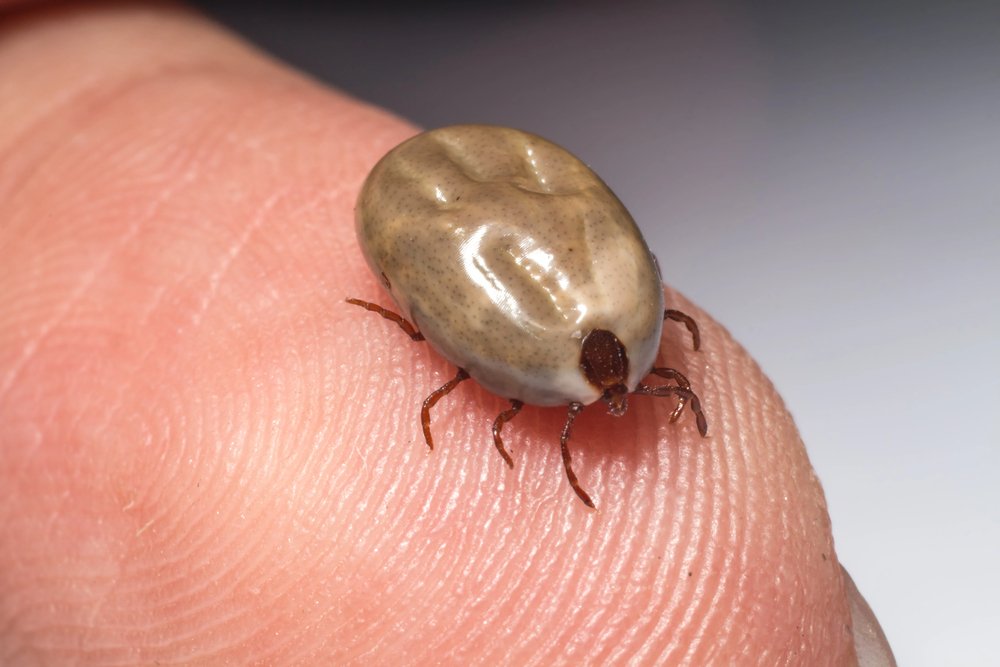
Knowing the tick life cycle and preferred habitats can help in prevention and eradication efforts. Ticks go through four stages: egg, larva, nymph, and adult. Targeting treatment methods to interrupt this cycle can be more effective. Most ticks prefer humid environments, so controlling humidity and modifying landscapes to be less conducive to ticks can help.
What to Do If You Find a Tick
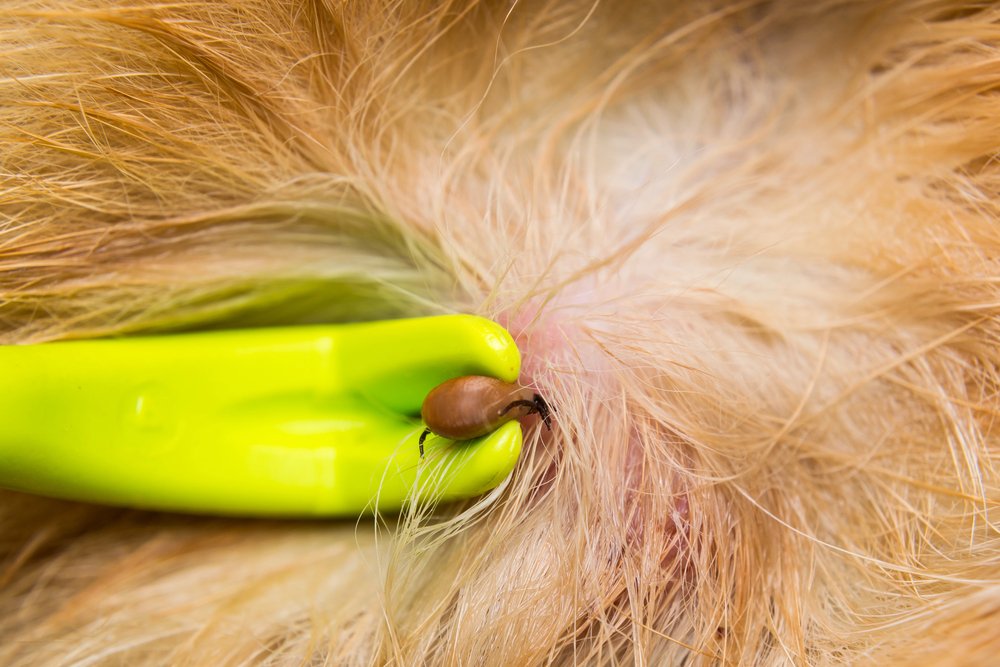
If you find a tick on yourself, a family member, or a pet, remove it promptly using fine-tipped tweezers. Grasp the tick as close to the skin’s surface as possible and pull upward steadily. Clean the bite area and your hands with antiseptic. Be sure to monitor the bite area for signs of infection or rash, which could indicate a need for medical attention.
Conclusion

Dealing with a tick infestation involves a combination of prevention, regular maintenance, and possibly professional intervention. Keep informed about the behavior and life cycle of ticks to implement effective control measures. By being vigilant and proactive, you can protect your home and loved ones from the potential dangers posed by ticks.


