

You pictured it a hundred times. That magical moment when your new puppy would come home, all soft fur and wagging tail, ready to fill your life with unconditional love. Honestly, nobody warned you it might feel more like drowning than joy.
You’re exhausted, overwhelmed, maybe even questioning if you made the right choice. Here’s the thing: those feelings don’t make you a bad dog parent. They’re real, they’re common, and they have a name.
You’re Not Imagining It: The Are Real

The can result in new puppy owners feeling frustrated, anxious, or worried. Think of it like the baby blues that many new parents experience, except there’s no hormonal reason behind it. A survey found that 70% of new puppy owners reported symptoms of anxiety, depression, or both.
Research from the University of Helsinki shows that the changes associated with a new puppy coming home can spark negative emotions in new dog owners, including a short-term drop in mood or even acute depression, similar to what parents of new babies sometimes feel. Yet people rarely talk about this struggle.
The arrival of a puppy is generally seen as a positive life change, yet for some people, it triggers significant negative emotions. Experiencing stress or distress after bringing a new puppy home can be frustrating and isolating for puppy owners because this isn’t the response to having a new puppy that people expect. Let’s be real, everyone around you is probably congratulating you while you’re secretly spiraling.
What does it actually feel like? Common themes include exhaustion, fatigue or sleep problems, feelings of inadequacy as a dog owner, anxiety about the puppy taking up time and attention, concerns about raising the puppy correctly, feelings of regret about getting a puppy, and difficulty in forming an emotional bond with the puppy.
Why This Happens (Even to Good Dog Parents)

The truth might sting a bit. Unrealistic expectations are to blame for many cases of depression in new puppy or dog owners, as we weave all sorts of wonderful fantasies about how life is going to be with our new best friend. Social media doesn’t help either, showing picture-perfect moments while hiding the chaos.
Sleep deprivation plays a massive role. Puppies sleep around 18 to 20 hours a day but usually wake up multiple times through the night, and when you suffer a lack of sleep, it translates to lower patience, difficulty focusing and a low mood.
can be influenced by various clinical and psychological factors that may predispose puppy owners to these feelings, and if dog owners already have anxiety or depression, these feelings can be stronger. About 73% of puppy owners reported being sole caretakers, and sole caretakers experience symptoms more frequently than joint caretakers. Carrying the weight alone is brutal.
Sometimes it’s the puppy’s behavior that tips you over the edge. Puppies who display challenging behaviors may also increase the likelihood of dog owners experiencing . Behavioral issues like potty training, excessive biting and barking, resource guarding, growling, and separation anxiety contribute to .
When Will This Nightmare End

I know you’re wondering how long you’ll feel this way. Most people experience during the first few weeks to a couple of months after bringing their puppy home, with the most intense feelings typically showing up during weeks 2 to 4, when the novelty of the new furry friend wears off.
peak in the first month and tail off by year’s end, with significantly higher symptom severity in the first month compared to months 10 through 12. This doesn’t mean you’ll feel terrible for an entire year. The intensity drops considerably.
For those with a puppy, symptoms tend to resolve by the time their puppy is done teething, around six months of age. Things get easier as your puppy matures and you both settle into a routine. The sleepless nights won’t last forever, even though they feel endless right now.
A new puppy owner can experience the even if they fully prepared for the realities of living with a puppy, and this can surprise experienced puppy owners, as there’s no telling why someone might experience for one puppy when they didn’t in the past.
Practical Ways to Survive and Thrive
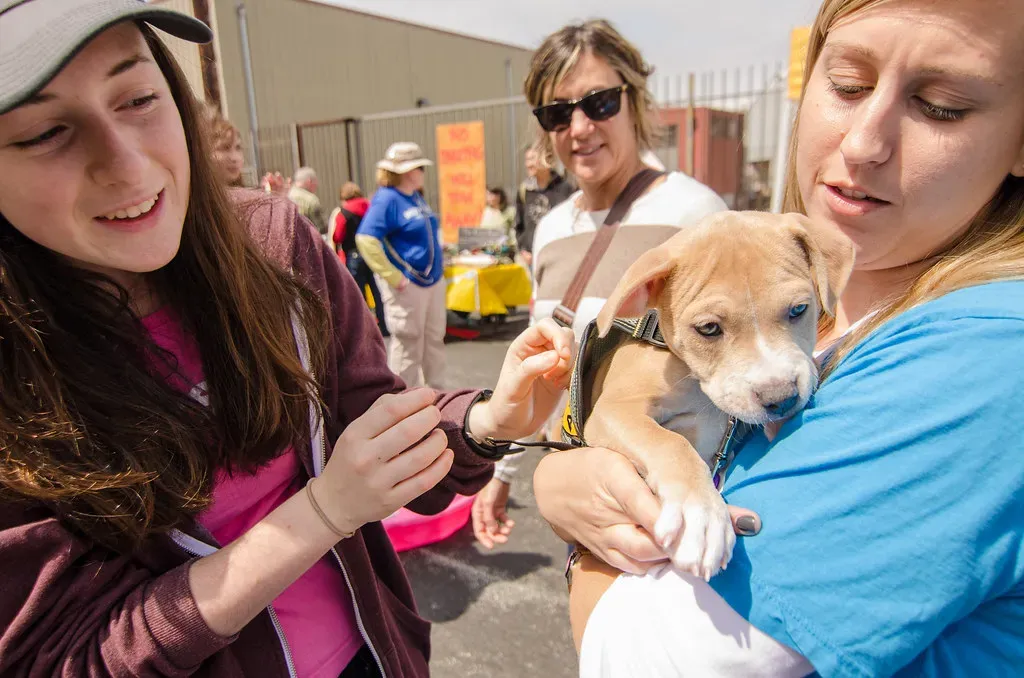
can be alleviated by accepting and expressing feelings rather than trying to deny them, and like other mental health challenges, talking about your feelings and not suppressing them can help. Stop pretending everything’s fine. Call a friend who won’t judge you.
Take time for yourself and ask for support while caring for your puppy, and it’s also important to maintain a good quality of life by doing things like making sure you’re eating regularly and getting sufficient sleep. This isn’t selfish. You can’t pour from an empty cup.
Nearly 40% of puppy owners reported that watching training videos online helped alleviate symptoms, and about 25% of respondents invested in working with a dog trainer or courses. Professional help isn’t admitting defeat. It’s smart.
Take time to look back and see how far you and your puppy have come, like a puppy who couldn’t hold his bladder for more than thirty minutes now spending two hours in his crate without an accident, and you both deserve some praise for the progress you’ve made. Celebrate tiny victories.
When you have a new puppy in the house, it’s helpful to try to reduce other stressors, when possible, so you can focus on learning to live with your pet. Maybe this isn’t the time to renovate your kitchen or take on extra projects at work.
When to Get Professional Help

If the feelings of sadness, regret, or anxiety continue for more than a few months, or if they begin to interfere with your daily functioning, it may be helpful to talk with a mental health professional. There’s no shame in reaching out.
The can be unexpected and overwhelming, but new puppy owners can overcome these feelings. You’re not stuck feeling this way forever. The can happen to anyone, but the good thing is they don’t last forever, and if your symptoms are persisting, talk to your doctor or a mental health professional.
Connect with your veterinarian too. Visit your veterinarian regularly to make sure your puppy is healthy and not showing signs of medical issues, and your veterinarian will also let you know if your pup is healthy enough to be socializing with others, as these first few veterinary visits are essential to helping owners get started on the right paw.
Training support makes a real difference. Most behavioral issues can be decreased with proper socialization and training, which will help owners feel less overwhelmed, anxious, and negative toward their new puppy. You don’t have to figure this out alone.
Conclusion
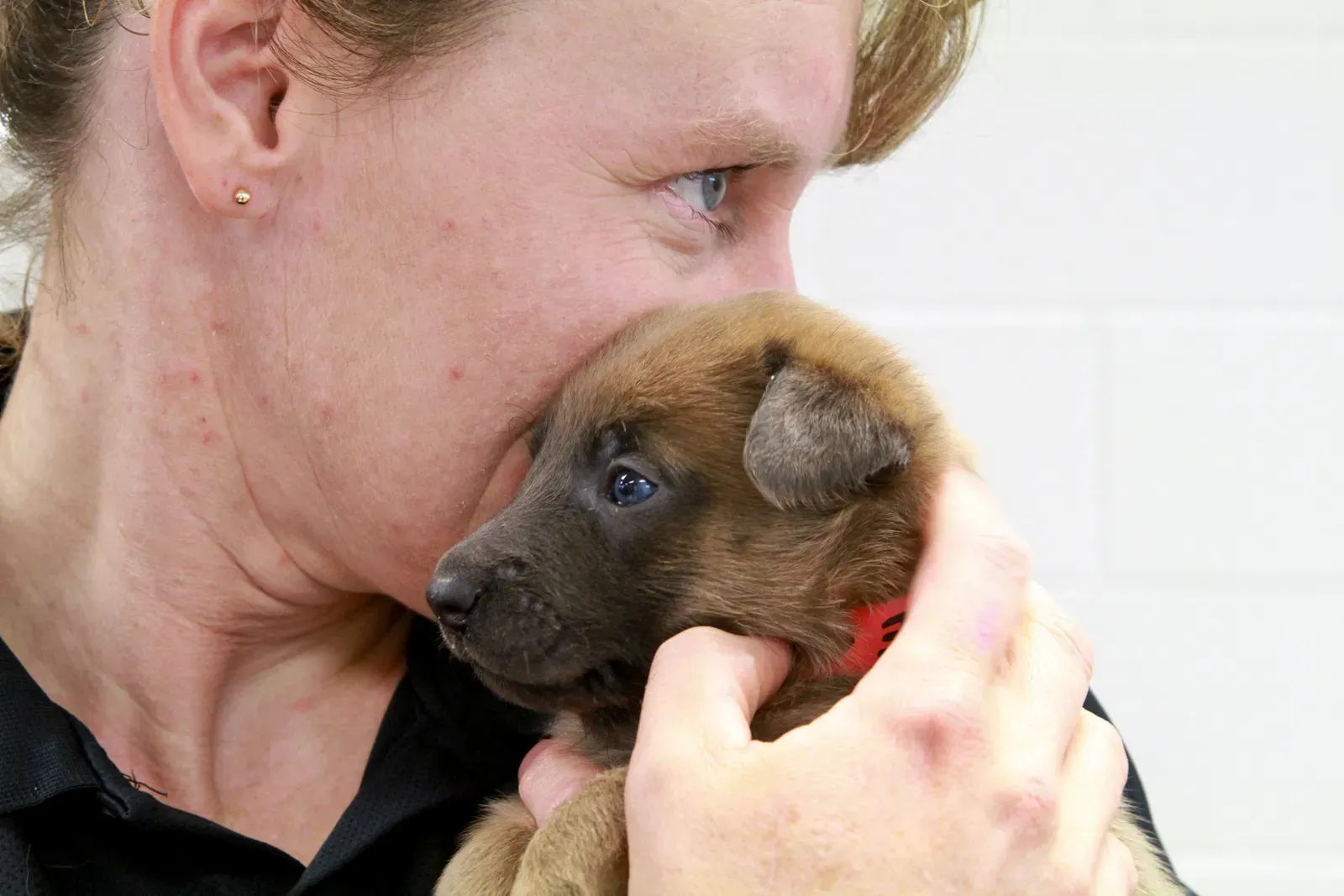
Look, the are messy and uncomfortable, and nobody prepares you for how hard this phase can be. It’s okay to feel overwhelmed, exhausted, or even regretful while still loving your puppy deeply. These feelings coexist, and that’s perfectly normal.
Time, support, and self-compassion are your best tools right now. Your puppy will grow, behaviors will improve, and one day you’ll look back at this chaos with something like fondness. Maybe not tomorrow, probably not next week, but it’s coming.
What helped you most during the tough early days with your puppy? Share your experiences in the comments so other struggling dog parents know they’re not alone.


