

Have you ever been startled by your dog’s sudden howling, wondering if it’s a sign of distress or just a quirky canine trait? You’re not alone. Many dog owners grapple with understanding the reasons behind their furry friend’s vocalizations. Is it a cry for help, or simply a way to communicate with the world? Let’s dive into the depths of dog howling and untangle whether it’s anxiety-driven or just a natural behavior.
The Origins of Dog Howling
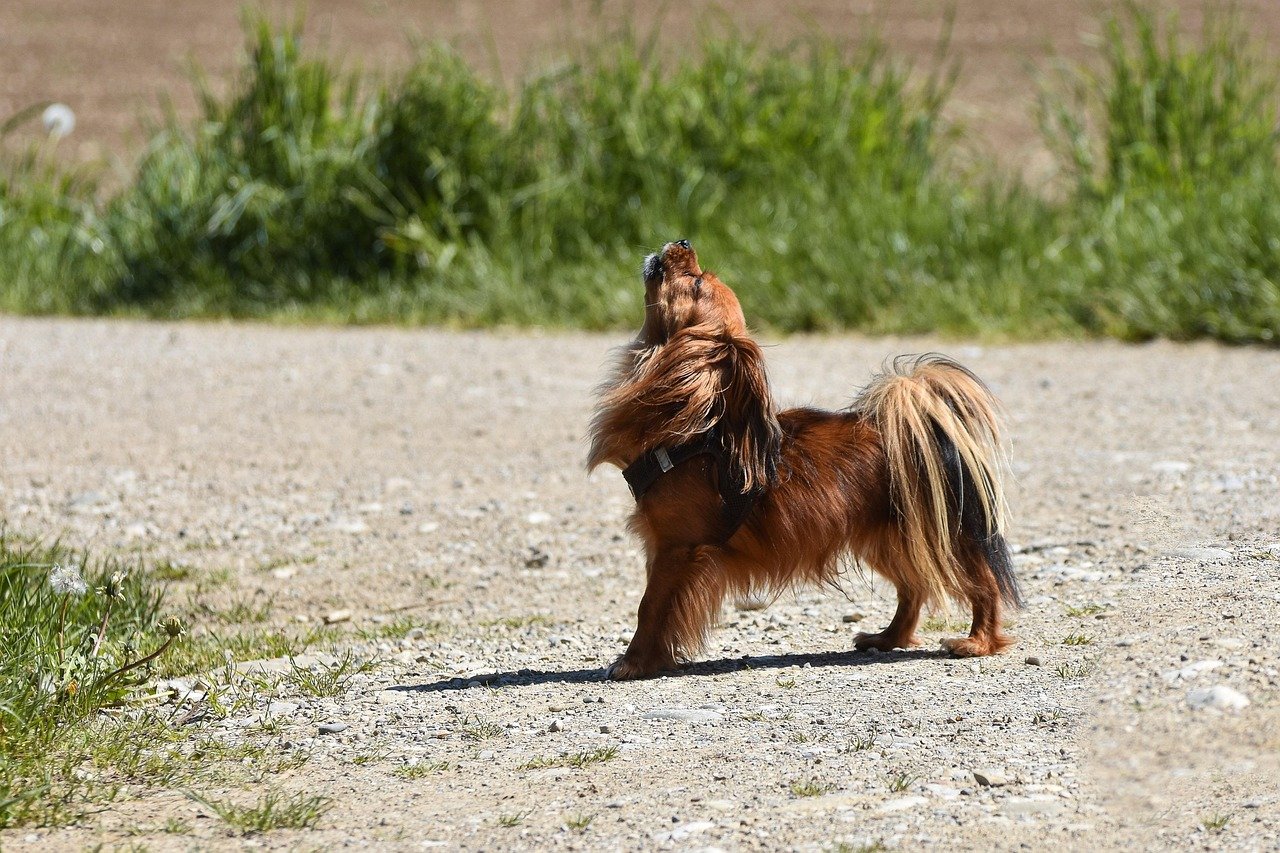
Dog howling is an ancient behavior, deeply rooted in their ancestry. Wolves, the ancestors of modern dogs, used howling as a primary means of communication across vast distances. This vocalization helped them coordinate hunts and maintain pack unity. When your dog howls, they might be tapping into this primal instinct, channeling their inner wolf. It’s a fascinating glimpse into their wild lineage, reminding us of the deep-seated instincts that still reside within our domesticated companions.
However, not all howling is a throwback to their wild heritage. Some breeds are naturally more vocal than others, like the Siberian Husky or the Beagle. These breeds have been selectively bred to use their voices for specific tasks, such as hunting or herding. So, if your dog belongs to one of these breeds, their howling might be more about their genetic makeup than any emotional turmoil.
Recognizing Anxiety-Induced Howling

Anxiety-induced howling often comes with other telltale signs. If your dog is pacing, panting excessively, or showing destructive behavior alongside howling, anxiety might be the culprit. This type of howling is usually more frequent and intense, signaling that your dog is trying to communicate their discomfort or distress to you. It’s their way of saying, “I’m not okay, and I need your help.”
Separation anxiety is a common trigger for such howling. Dogs are social creatures, and being left alone can be distressing for them. If your dog starts howling shortly after you leave the house, it’s a strong indicator that they’re struggling with being apart from you. Understanding these cues can help you address the root cause and provide comfort to your anxious pup.
Natural Triggers for Howling

Sometimes, howling is just a response to environmental stimuli. Sirens, musical instruments, or even other dogs howling can set off a chain reaction. This is often seen as a form of mimicry – your dog hears a sound and responds in kind. It’s similar to how humans might join in a chorus when they hear a familiar song. This type of howling is typically short-lived and stops once the trigger is removed.
Moreover, dogs might howl to attract attention or express excitement. If your dog howls when you come home, it might be their way of saying, “I’m so happy to see you!” It’s a joyful expression, rather than one of distress. Recognizing these natural triggers can help differentiate between normal behavior and something more concerning.
Behavioral Patterns: When to Worry

While occasional howling is normal, persistent and excessive howling may warrant concern. If your dog’s howling is accompanied by changes in appetite, sleep disturbances, or withdrawal, it might be time to consult a veterinarian. These could be signs of underlying health issues or emotional distress that need addressing.
Additionally, if your dog suddenly starts howling more frequently without any apparent reason, it’s worth investigating further. Sudden changes in behavior can be indicative of physical discomfort or changes in their environment that are causing stress. Keeping a close eye on these patterns can be crucial in ensuring your dog’s well-being.
The Role of Breed in Howling Behavior
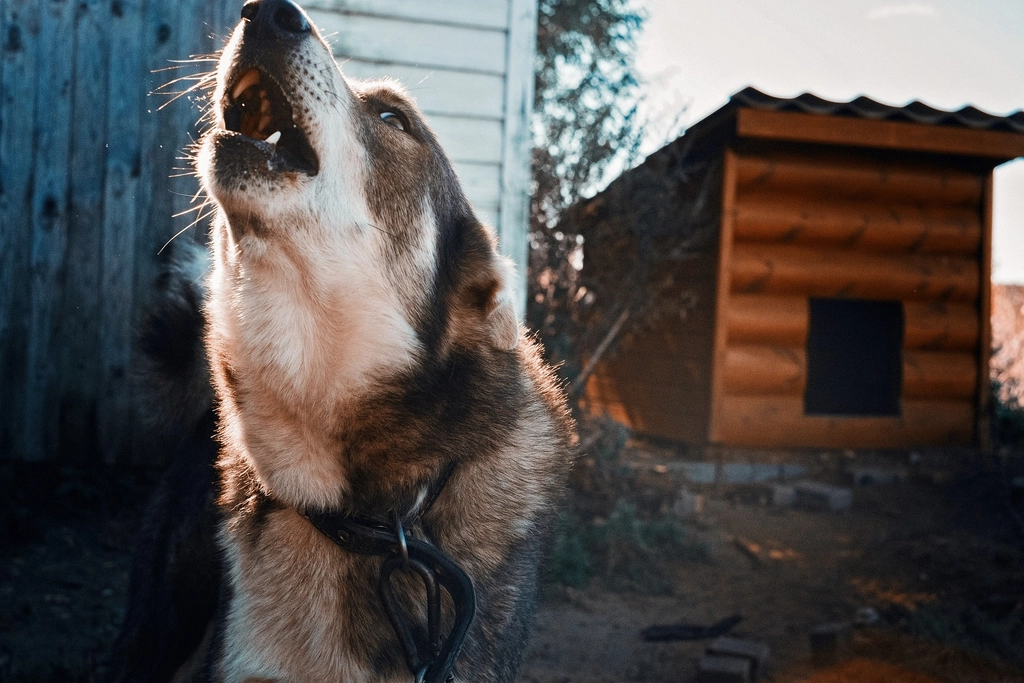
As mentioned earlier, some breeds are more predisposed to howling than others. Understanding your dog’s breed-specific traits can provide valuable insights into their behavior. For instance, Hound breeds, known for their vocal prowess, might howl more than others simply because it’s in their nature. Knowing this can alleviate concerns and help you appreciate the unique characteristics of your furry friend.
On the flip side, if a typically quiet breed starts howling frequently, it might be a sign of something amiss. Recognizing these breed-specific tendencies can help you tailor your approach to managing and understanding your dog’s howling behavior.
How to Address Anxiety-Related Howling

If you’ve identified anxiety as the cause of your dog’s howling, there are several steps you can take to help them. Providing a safe and comforting environment is crucial. This might involve creating a cozy space with their favorite toys and blankets, or using calming aids like pheromone diffusers or anxiety wraps.
Training and desensitization can also be effective. Gradually exposing your dog to the source of their anxiety and rewarding calm behavior can help them build resilience over time. In severe cases, consulting with a professional animal behaviorist can provide tailored strategies to address your dog’s specific needs.
Encouraging Natural Howling

If your dog’s howling is simply a natural expression, there’s no need to suppress it. In fact, encouraging this behavior can strengthen your bond. Engage with your dog during their howling sessions by mimicking their sounds or providing positive reinforcement. This interaction can be a fun and enriching experience for both of you.
Moreover, understanding and accepting your dog’s natural behaviors can lead to a more harmonious living environment. Embrace their quirks and celebrate the unique ways they communicate with you. After all, howling is just one of the many ways dogs express themselves.
When to Seek Professional Help

If your dog’s howling is causing concern and you’re unable to identify or address the root cause, it might be time to seek professional help. Veterinarians and animal behaviorists can provide valuable insights and guidance. They can rule out any medical issues and develop a comprehensive plan to address behavioral concerns.
Professional intervention can be particularly beneficial if your dog’s howling is impacting their quality of life or causing distress to you or your neighbors. Remember, seeking help is a proactive step towards ensuring your dog’s happiness and well-being.
Final Thoughts: Understanding Your Dog’s Voice

Understanding why your dog howls is key to addressing their needs and ensuring their happiness. Whether it’s a natural behavior or a sign of anxiety, being attuned to your dog’s vocal cues can enhance your relationship with them. It’s a journey of discovery, filled with moments of surprise and joy.
As you navigate this journey, remember to be patient and compassionate. Your dog relies on you to interpret their world and provide the comfort and care they need. So, the next time your dog howls, take a moment to listen, observe, and connect. What might they be trying to tell you?


