
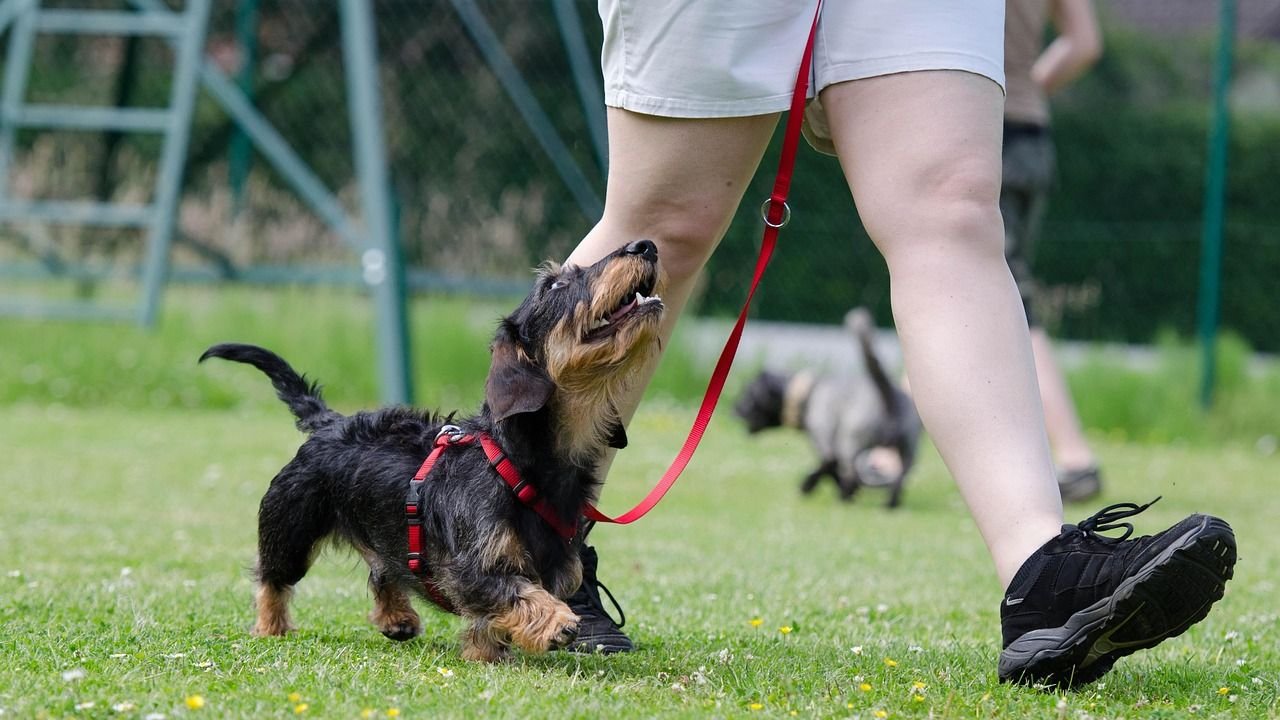
Picture this. Your dog has just knocked over your coffee for the third time this week. You feel the frustration bubbling up inside, your voice rising, ready to explode. You’re only human, after all. Yet here’s the thing. That surge of volume? It changes absolutely nothing about your dog’s behavior. In fact, it might be making things worse.
Research shows that aversive training methods, including yelling, can have long-term negative effects on your dog’s mental state, with dogs experiencing poorer welfare during training sessions and showing more pessimistic attitudes than dogs trained with reward-based methods. The truth is, our dogs aren’t defying us out of spite. They’re just trying to navigate a world that sometimes doesn’t make sense to them. What if there was a better way? One that strengthens your bond instead of fraying it, one that teaches without scaring? Let’s dive in.
Why Your Dog Doesn’t Actually Understand Your Shouting

Here’s something most dog owners don’t realize. Dogs are incredibly sensitive to our body language and tone of voice, becoming nervous or fearful when we shout, but raising your voice doesn’t help your dog understand what they did wrong. When you yell at Buster for barking at the mailman, he doesn’t think “Oh, I shouldn’t bark at mail carriers.” Instead, he experiences stress and confusion.
Dogs trained by aversive methods showed higher stress and were slower at completing tasks when compared to dogs from reward-based schools. Think about it from your dog’s perspective. They hear loud noises, see your tense body language, and feel your anger. That’s a lot of scary information with zero clarity about what behavior needs to change. Your dog isn’t learning. They’re just getting frightened.
If you yell too often, your dog may habituate to it, to the point that he’ll start to block out your vocalizations entirely and you become as irrelevant as the birds chirping in the trees. You become background noise. That’s not the relationship any of us wants with our dogs.
The Science Behind Stress and Your Dog’s Brain

Let me be real with you. Just like when your boss tells you off, when a dog gets yelled at, it triggers the release of stress hormones, which enables the dog to be even more reactive to scary and stressful situations. This isn’t just about hurt feelings. We’re talking about measurable physiological changes in your dog’s body.
Dogs in aversive training groups displayed heightened anxiety behaviors, and their saliva had significantly elevated levels of cortisol compared to when they were chilling out at home. Cortisol is the stress hormone. Elevated levels over time can impact everything from your dog’s immune system to their digestive health. It’s hard to say for sure, but chronic stress might even shorten your dog’s life.
Dogs that get yelled at frequently can lose attachment to their owner, stop trying to succeed, and lose confidence in themselves, which means you’ll have to work twice as hard in all your future training sessions. The very thing you’re doing to “fix” behavior is actually creating a dog who’s less confident and less willing to learn. How’s that for counterproductive?
Yelling and shouting at your dog can put them under stress which is bad for their health, with stress manifesting in dogs through loss of appetite, changes in bowel movements, isolation or aggression, and can lead to anxiety issues.
Building a Positive Framework: What Actually Works
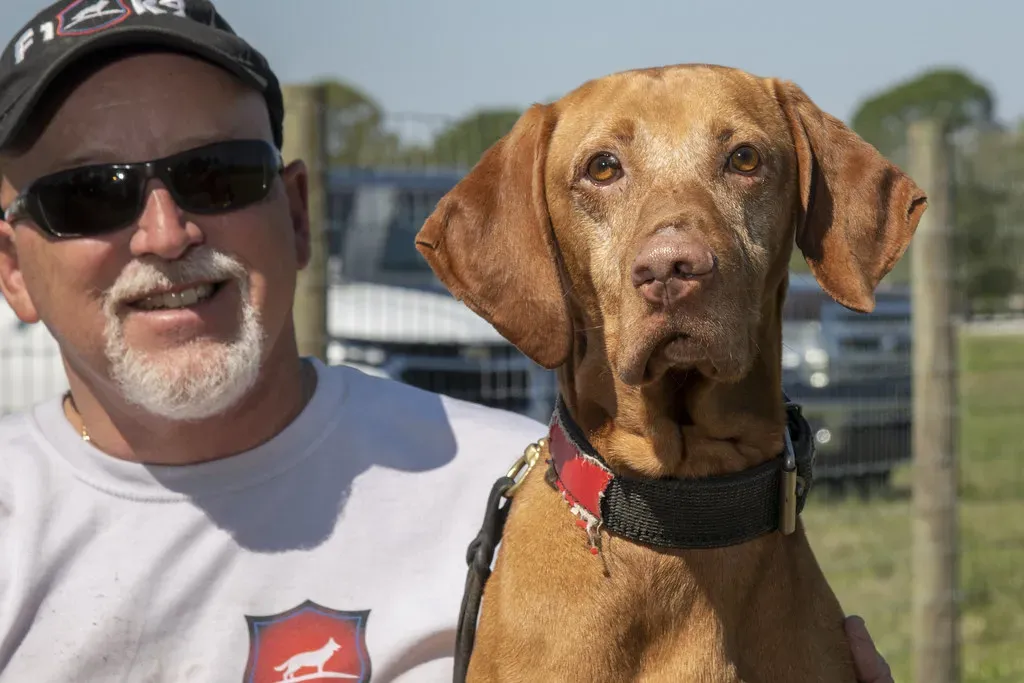
Positive reinforcement dog training focuses on rewarding desired behaviors rather than correcting mistakes, and this approach builds trust and keeps dogs engaged. This isn’t about being permissive or letting your dog run wild. It’s about being smarter than shouting. When your dog does something you like, you make it worth their while to do it again.
Correct timing is essential when using positive reinforcement training, as the reward must occur immediately within seconds of the desired behavior, or your pet may not associate it with the proper action. This means you need to be ready. Keep treats in your pocket. Be observant. Catch your dog being good and reward it instantly.
Dogs trained with reward-based systems learn faster, retain learned behaviors longer, and show less stress and anxiety than those taught using punishment. The research backs this up consistently. Honestly, I think many of us resist positive reinforcement because it feels too easy or too soft. We’re conditioned to believe that discipline must involve some level of discomfort. That’s just not how dogs learn best.
Dogs repeat behaviors that are rewarding to them, so if your dog gets a treat when they sit, they’ll be more likely to sit again in the future, which is why positive reinforcement training is so effective.
Practical Techniques for Gentle Correction
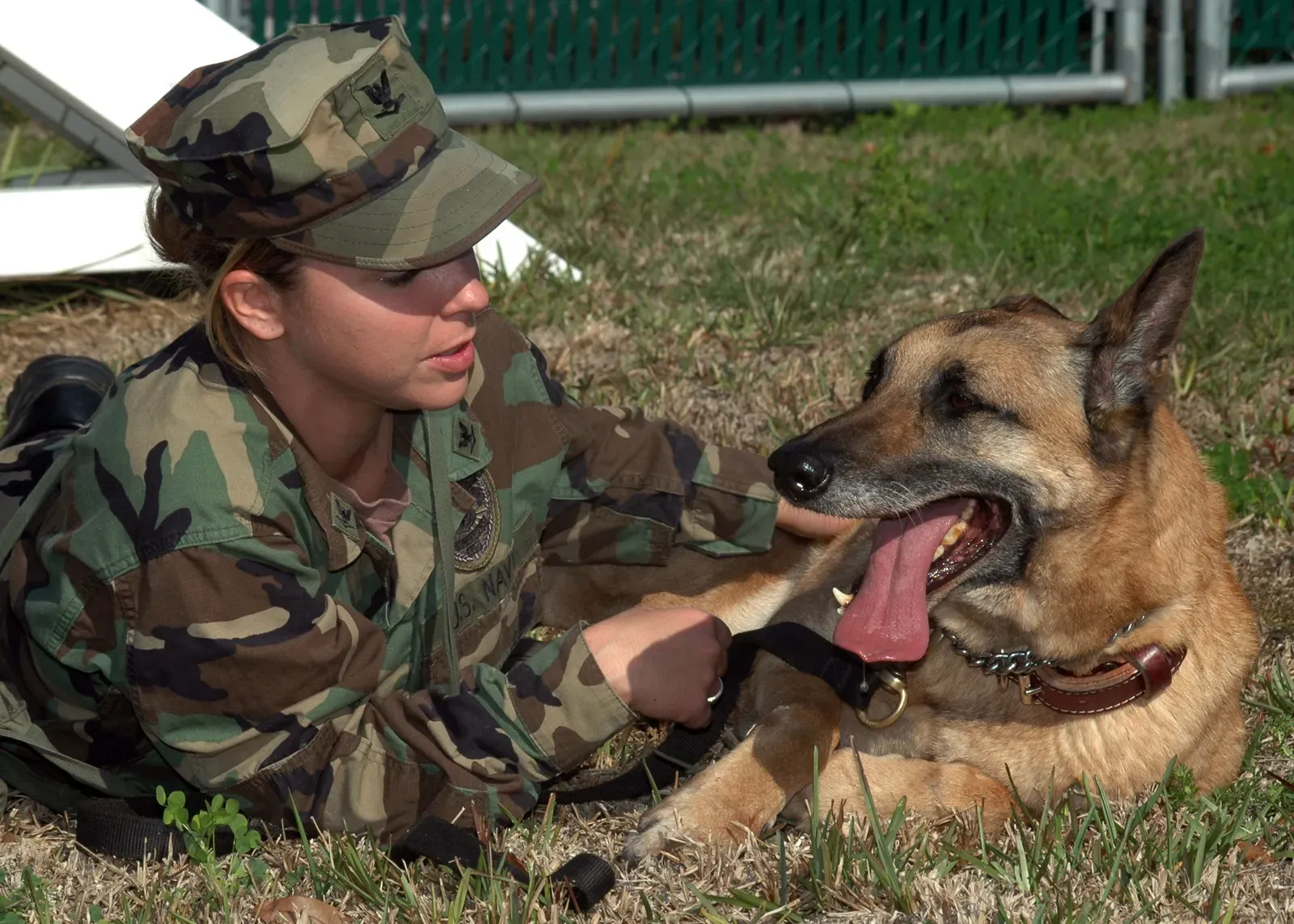
Positive corrections are about interrupting undesired behavior and guiding your dog toward the correct choice, all while keeping the interaction calm and constructive, not about yelling, scolding, or forcing your dog into compliance. So what does this look like in real life? Let’s say your dog jumps on guests. Instead of shouting “No!” you calmly step between them and the guest, ask for a sit, and reward the sit.
You can use a positive interruptor like a kissy sound and redirect your dog before they bark, rewarding them for changing course. This prevents the unwanted behavior before it even happens. It’s about being proactive rather than reactive. I know it sounds crazy, but preventing problems feels so much better than constantly correcting them.
Sometimes the best way to stop unwanted dog behavior without harsh punishment is to remove your dog from the situation entirely, which is negative punishment that removes access to something they want because of unwanted behavior. If your dog is getting too wild at the dog park, you leave. Simple as that. The fun stops when the behavior escalates.
When your dog pulls and the leash goes tight, say “Oops, too bad” in a light, relaxed tone as your no-reward marker, and turn around to walk in the opposite direction, which is a consequence but no pain or fear was needed.
Common Challenges and How to Navigate Them
Let’s be real. This isn’t always easy. You’re going to have moments when your patience wears thin. Maybe your dog has chewed your favorite shoes or had an accident on the carpet for the fifth time this month. Before changing your tone, you need to recognize when you’re raising your voice, noting situations that trigger yelling and considering alternative responses, and when you feel frustrated, take a deep breath to center yourself before reacting.
Inconsistent rules like saying “no jumping” one day and then giggling when they leap the next gives mixed signals, so stick to one message and make sure everyone in the house does the same. This is huge. If you’re calmly training but your partner is yelling, your dog receives conflicting information. Family meetings matter.
When using positive correction methods, the timing of your response is equally important as the corrective action you take, because dogs can only associate your response with what is happening currently, so no method of correction will be effective if it takes place long after the inappropriate behavior. Coming home to destruction and then scolding your dog? Totally useless. Your dog has no idea what you’re upset about.
Addressing behavior issues requires structure, consistency, and a focus on reward-based training, as punishment isn’t necessary and often makes things worse, with a better approach starting with identifying triggers, using calm reinforcement, and keeping routines predictable.
Conclusion: The Path Forward Is Patience
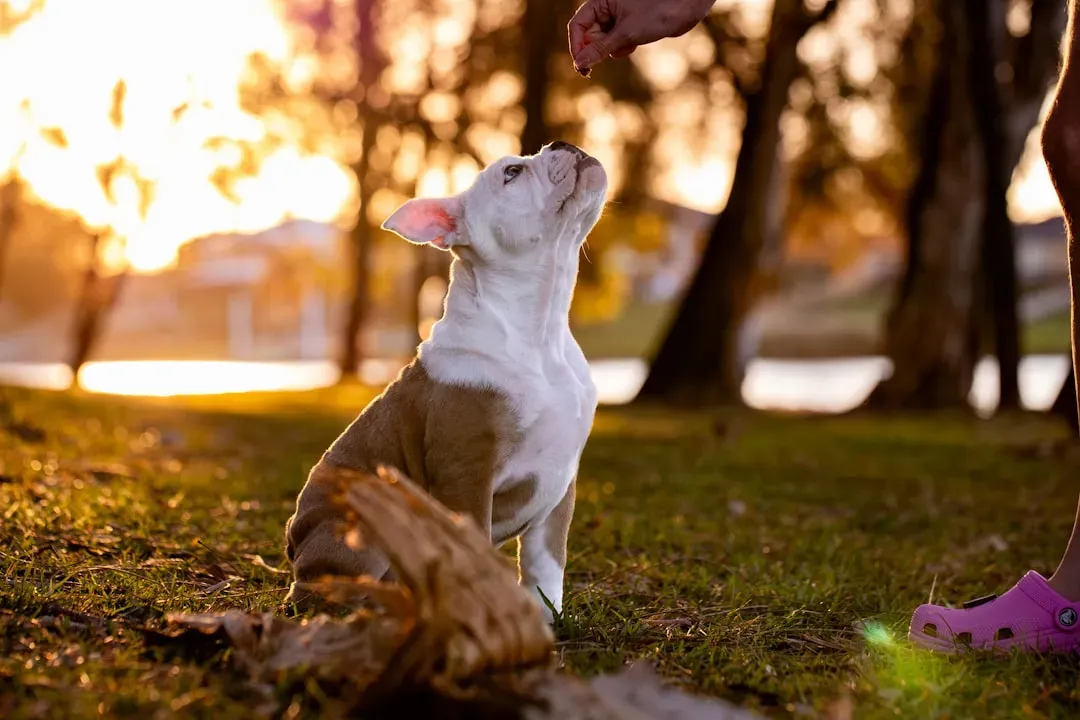
Training a dog without shouting isn’t about being perfect. It’s about being intentional. It’s about recognizing that your dog isn’t trying to make your life difficult. They’re just being a dog, trying to understand what we want from them in a world full of confusing human rules.
The results imply that aversive training doesn’t necessarily have an edge over reward training, and reward training is much better for your dog’s happiness, with companion dogs trained with aversive-based methods having their welfare at risk. The bond you build through gentle, positive training creates a dog who trusts you, who wants to please you, and who feels secure in your relationship.
It takes more patience. I’ll admit that. There will be days when you slip up and raise your voice. That’s okay. We’re all learning together. The goal isn’t perfection but progress. Every time you choose a calm redirect over a shout, you’re investing in a happier, more confident dog. What would your relationship with your pup look like if fear never entered the equation? Tell us in the comments.


