
I’ve seen the worry in too many dog owners’ eyes when they discover yet another tick latched onto their beloved pup. It’s a sinking feeling, isn’t it? You think you’re providing a safe backyard haven for your furry friend, only to realize you’ve been sharing the space with bloodsucking parasites this whole time. The truth is, many people get ticks in their own yard or neighborhood, making this a problem that hits remarkably close to home. Let’s be real, when you spot ticks on your dog after a simple romp in your own grass, it’s time to take action. Your yard should be a sanctuary, not a tick hotel.
Understanding Where Ticks Actually Hide

Ticks love to hide in dark, sheltered places like wood piles, leaf piles, and scrub brushes. They’re sneaky little creatures that know exactly where to set up camp. Think about those corners of your yard where leaves have collected or that pile of firewood you’ve been meaning to move.
Ticks usually enter your yard via deer or small rodents, like mice and rats. They hide in areas full of tall grass, moist dirt, and shade. It’s hard to believe something so tiny can cause such big problems, but these pests are patient hunters. Your dog is simply going about their day, sniffing around the bushes, while ticks wait in the perfect ambush spots. Ticks prefer to live in overgrown foliage rather than well-maintained yards. Generally, ticks prefer to feed on animals, so they live where the likelihood of latching onto an animal is greatest. This usually means the border zones between forests and more open areas.
Creating an Unwelcome Environment for Ticks
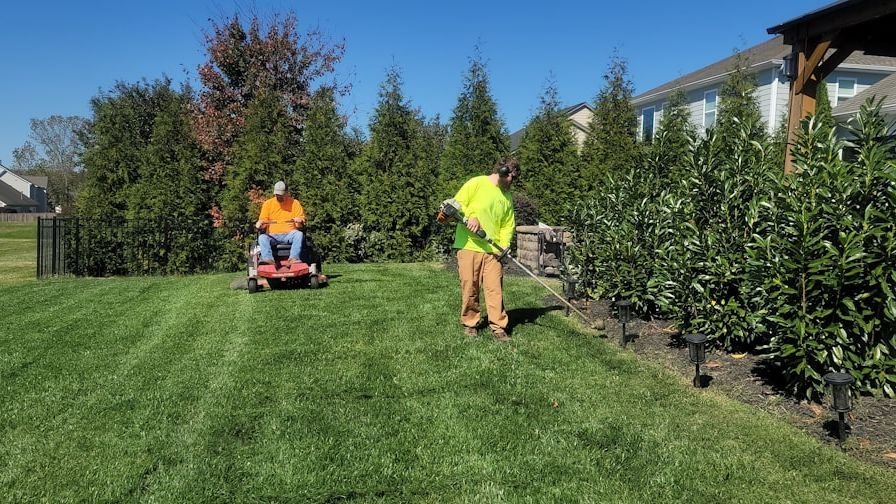
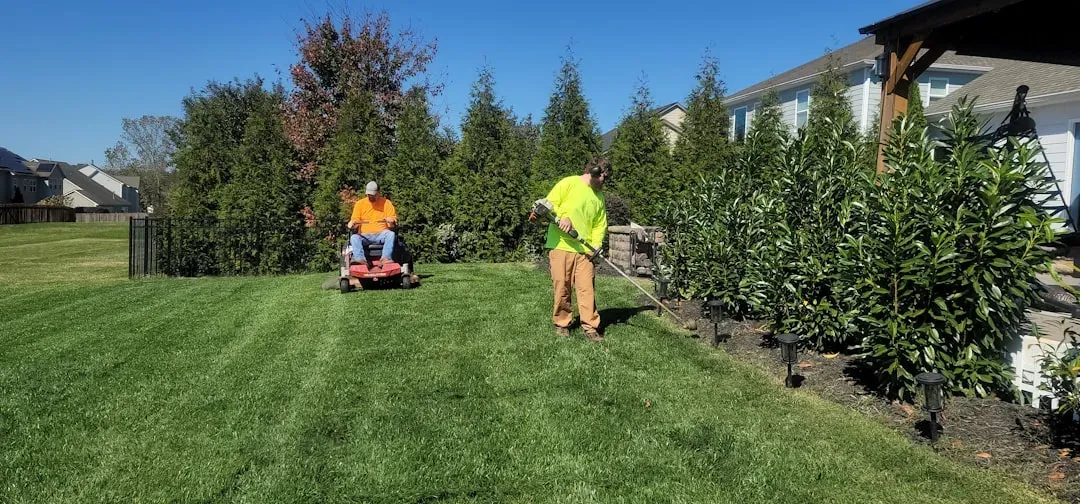
The most important thing you can do is make your yard inhospitable to ticks. The most important step you can take to rid your yard of ticks is destroying their preferred habitats. This can be as simple as mowing your lawn regularly and trimming weeds or overgrown brush. I know lawn maintenance isn’t everyone’s favorite weekend activity, but it’s your first line of defense.
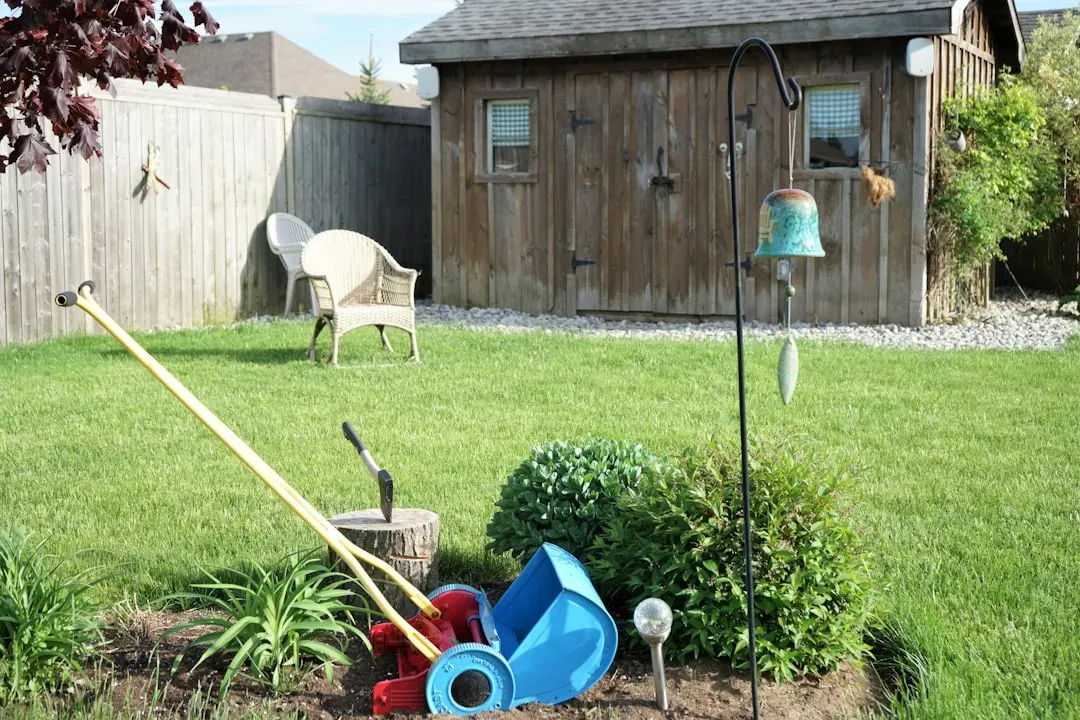
Maintain your lawn. Cut your grass regularly, remove tall grasses or shrubs, and be sure to pick up all grass cuttings promptly. Keep that grass short, at least once weekly during growing season. Remove leaf litter and don’t let debris pile up anywhere. Remove old furniture, mattresses, or trash from the yard that may give ticks a place to hide. Honestly, it’s amazing how much difference a tidy yard makes. Those messy corners where you toss branches? Prime tick real estate.
Building Physical Barriers That Work
Create a barrier between your yard and wooded areas using wood chips or gravel to discourage tick migration. This simple strategy creates a hot, dry zone that ticks really don’t want to cross. Picture it like a moat around your castle, except instead of water, you’re using materials that make ticks think twice about venturing into your territory.
Install a 3-foot-wide strip of gravel, wood chips, or mulch between your lawn and any wooded or brushy areas. Use gravel walkways around patios, play areas, and garden beds to separate them from grassy zones. Ticks avoid dry, open spaces, so even a simple barrier can make a difference. I’ve seen this work wonders for families whose yards back up to woods. The barrier doesn’t have to be elaborate or expensive, just consistent. Keep playground equipment, decks, and patios away from yard edges and trees, giving your dog safer zones to play.
Natural and Chemical Treatment Options
You have choices when it comes to actually treating your yard. Get rid of ticks in your yard with home remedies like cedar oil spray, eucalyptus or neem oil, or diatomaceous earth. Conventional methods like tick foggers, permethrin yard spray, and acaricides can also be effective. The natural route appeals to many dog owners who worry about exposing their pets to harsh chemicals.
Diatomaceous earth (DE): A fine powder that dries out and kills ticks. Sprinkle it around tick-prone areas. Introducing tick-repelling plants like lavender and rosemary can also help keep these pests at bay. Here’s the thing though: natural methods often require more frequent application and may not pack the same punch as chemical treatments during severe infestations. Use of pesticides can reduce the number of ticks in treated areas of your yard. However, you should not rely on spraying to reduce your risk of infection. When using pesticides, always follow label instructions.
When to Call in Professional Help

Sometimes despite your best efforts, the tick problem is just too overwhelming to handle alone. If you have a serious tick infestation or if the above measures don’t work, consider calling a professional pest control service. Not only will a professional pest control company have the proper pesticides needed to kill ticks, but the company’s experts will also have specific recommendations for your yard and home.
You might have a tick infestation if you answered yes to any of these questions. If the issue has become severe enough that you avoid going outside, it may be time to hire a professional pest control expert to come in and help. There’s no shame in admitting you need backup. Professional treatments typically involve multiple applications and monitoring to ensure the tick population stays controlled. They know exactly where to spray and can identify problem areas you might have missed. Your dog’s health and your family’s wellbeing are worth the investment.
What steps have you already taken in your yard? Sometimes the smallest changes make the biggest difference in keeping your furry friend safe from these persistent pests.


