
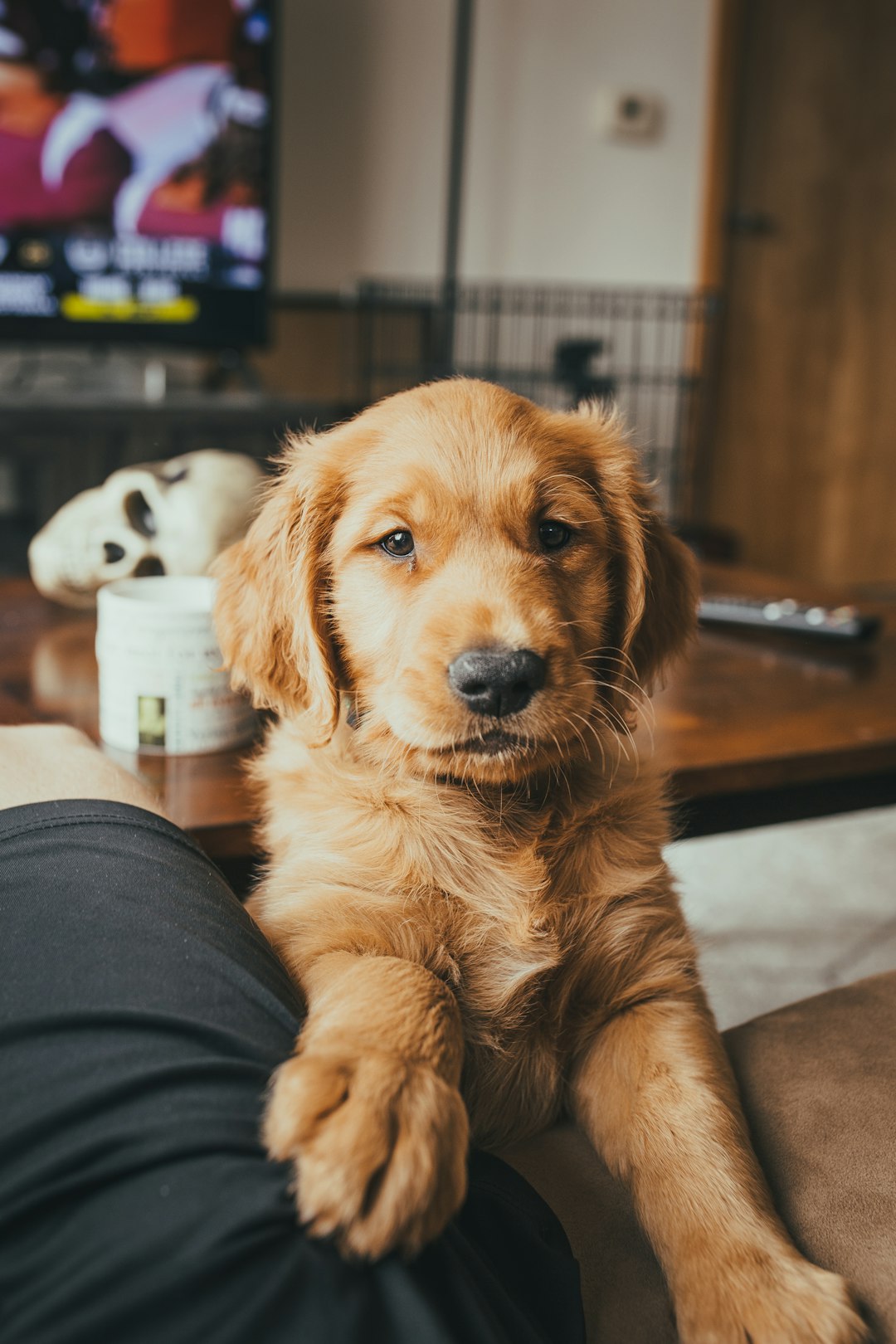
Have you ever come home to find your dog sprawled on your bed, chewing your favorite shoes, or pawing at the kitchen counter for forbidden treats? For many dog lovers, teaching their furry friends to respect boundaries can feel like a never-ending battle. But imagine a home where your dog knows exactly where they can go, what they can touch, and when to listen. It’s not just a dream—it’s absolutely possible! Guiding your dog to respect boundaries isn’t about being strict or harsh, it’s about building mutual trust, consistent routines, and clear communication. Let’s dive into the secrets that turn chaos into calm and create a happy, respectful home for both you and your loyal companion.
Understanding Why Boundaries Matter for Dogs
Boundaries are more than just rules; they’re the invisible fences that help dogs feel secure and confident in their environment. Dogs, by nature, crave structure. When they know what’s expected, they relax and behave better. Without clear boundaries, dogs can become anxious or even act out, leading to problems like destructive chewing or jumping on guests. Setting boundaries also keeps your dog safe, preventing them from roaming into hazardous areas like the kitchen during cooking or the garage filled with chemicals. Think of boundaries as the loving guidelines you’d set for a child—clear, consistent, and always for their best interest. It’s amazing how much happier and more obedient dogs become when they understand the “house rules.”
Start with Clear, Simple Rules
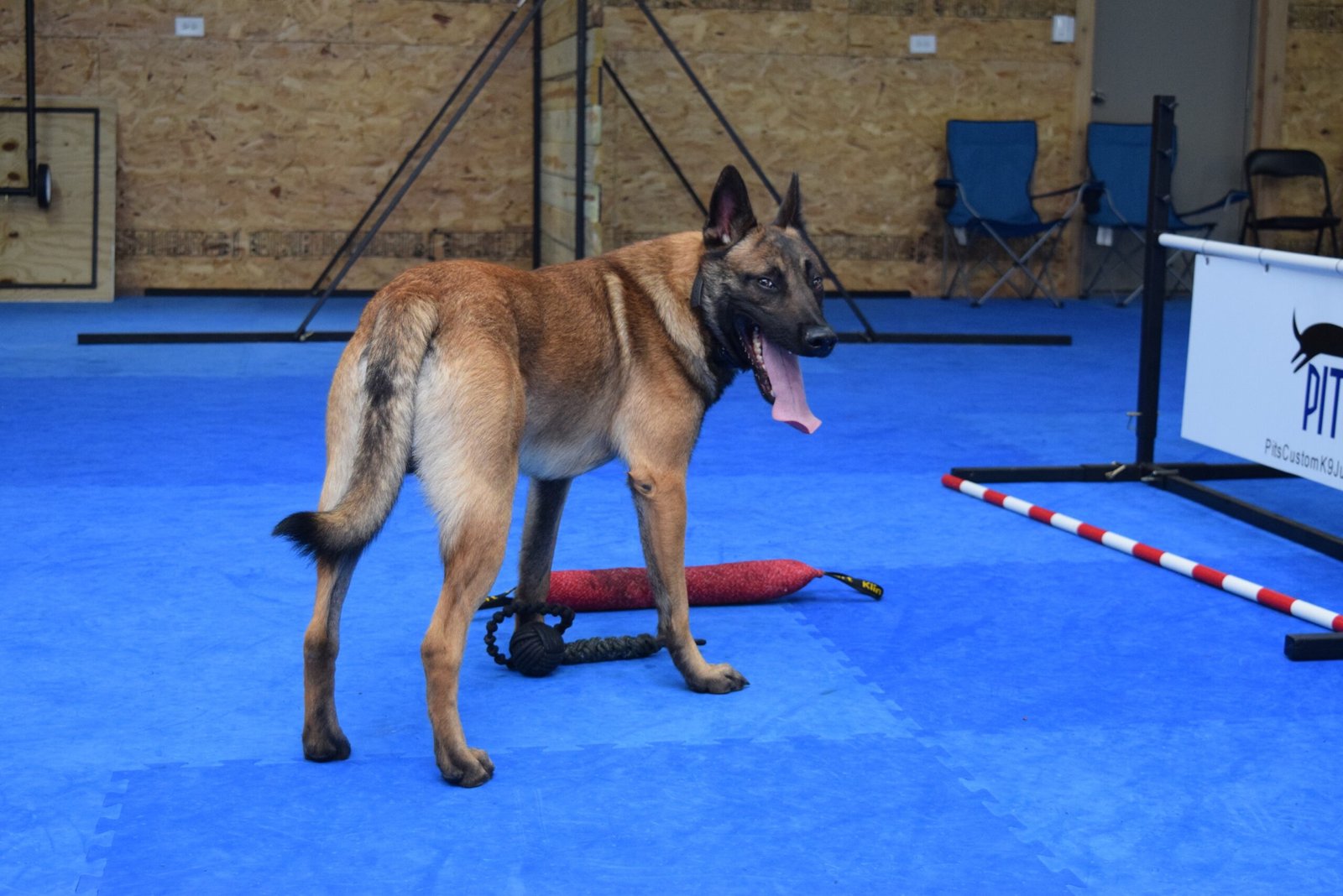
Dogs thrive when they know exactly what’s allowed and what’s not. Start by deciding which areas of your home are off-limits, such as bedrooms, the sofa, or the dining table. Use easy-to-understand commands like “off,” “leave it,” or “stay.” Be consistent with your words and tone so your dog doesn’t get confused. For example, if you allow your dog on the couch sometimes but not when guests are over, they won’t understand the difference and may ignore your command altogether. Keep the rules simple and stick with them. Over time, your dog will learn exactly what’s expected, and you’ll see a big change in their respect for your space.
Consistency Is Key for Success

Imagine trying to learn a new game where the rules change every day. Frustrating, right? Dogs feel the same way when boundaries aren’t consistent. If you let your dog jump on the bed one day but scold them for it the next, they’ll get mixed messages. Make an agreement with everyone in your household to follow the same rules. If your dog is not allowed in the kitchen, everyone should reinforce this, every time, no exceptions. Consistency also means responding the same way each time your dog crosses a boundary. This repetition helps your dog connect their actions with your expectations. In time, consistency transforms confusion into understanding and respect.
Positive Reinforcement Works Wonders
Rewarding your dog for good behavior is far more effective than punishment. When your dog listens and respects a boundary—like staying out of the bedroom—immediately reward them with treats, praise, or extra affection. This positive reinforcement makes the correct behavior more appealing and memorable. Dogs love to please their humans, and when they see that staying within boundaries earns them something special, they’re eager to repeat it. Even a cheerful “good dog!” can make a big difference. Avoid scolding or harsh corrections, as these can lead to fear rather than respect, and may harm the bond between you and your furry friend.
Using Physical Barriers to Teach Limits
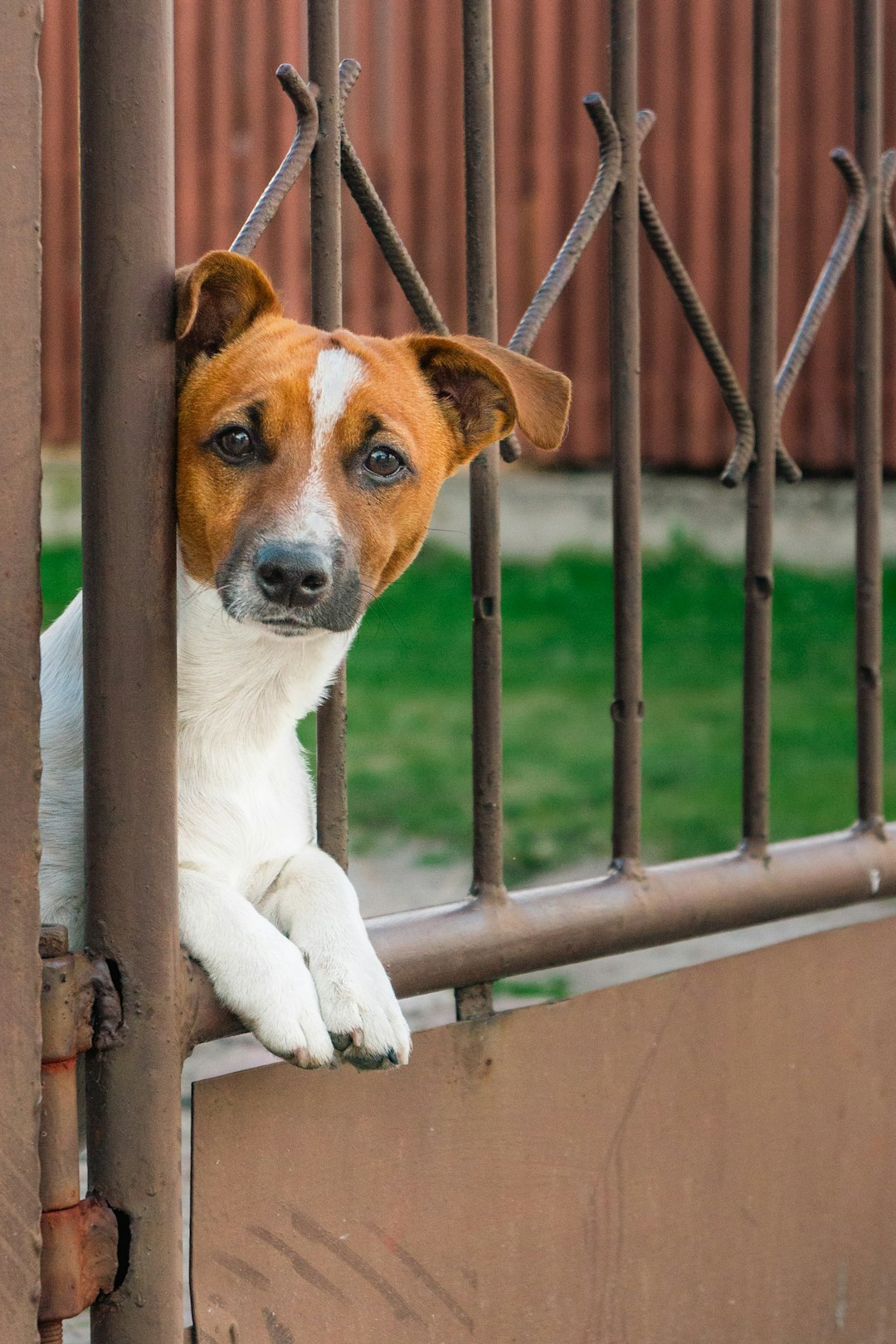
Sometimes, clear rules need a little help from practical tools. Baby gates, playpens, or closed doors are fantastic for physically marking off-limit areas while your dog is learning. These barriers not only prevent unwanted access but also help your dog associate certain spaces as off-limits. Over time, as your dog becomes familiar with the boundaries, you can gradually remove the barriers. Remember, the goal isn’t to keep your dog locked out forever, but to give them a safe, clear way to learn proper behavior. Physical barriers are especially useful for puppies or newly adopted dogs who are still adjusting to your home.
Teaching Boundary Commands Step by Step
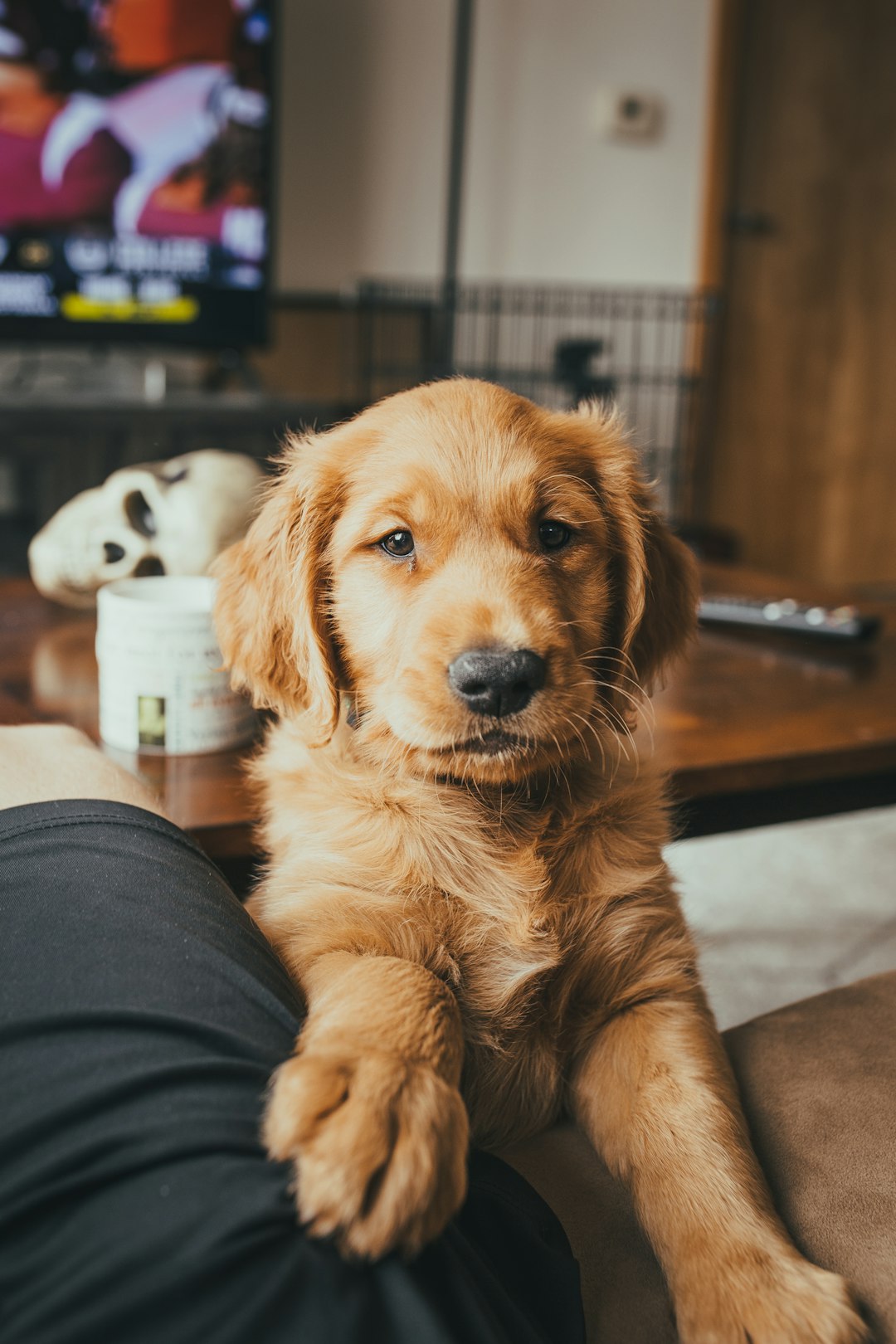
Training your dog to respect boundaries starts with simple commands practiced daily. Begin by leading your dog to the edge of a restricted area and using a firm, calm voice to say “stay” or “wait.” If your dog tries to cross, gently guide them back and repeat the command. When they stop and stay put, offer plenty of praise or a treat. Practice this routine at different times and in various areas until your dog understands. It might take days or even weeks, but patience pays off. Remember, short, frequent training sessions are more effective than long, overwhelming ones.
Managing Doorways and Entry Points

Doorways are hotspots for boundary issues. Many dogs rush the door when guests arrive or try to slip outside for a forbidden adventure. To teach respect at entry points, practice having your dog “sit” and “wait” at open doors. Only allow them to cross when you give a release command like “okay.” Reinforce this habit every time you come and go, even if it means a short delay. Over time, your dog will learn that patience is rewarded and that they can’t dash through doors whenever they please. This boundary is not just about manners; it can save your dog’s life by preventing escapes.
Handling Furniture and Personal Spaces
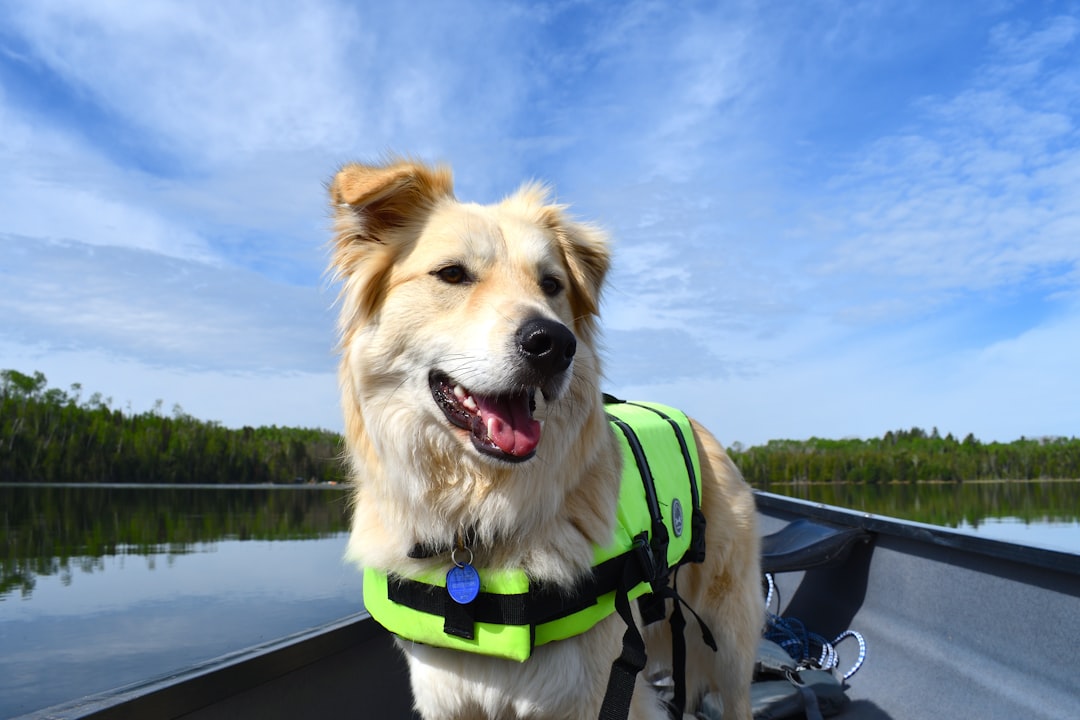
It’s tempting to let your pup snuggle on the couch or sleep in your bed, but if you want to set boundaries, you have to be firm from the start. Decide which furniture, if any, is off-limits, and enforce this rule every time. If your dog jumps up, calmly guide them down and offer a comfortable alternative, like their own bed or blanket nearby. Make their own space inviting with toys, treats, or a cozy blanket. Over time, your dog will learn that their designated spot is just as rewarding as your lap or sofa. This approach keeps your home tidy and respects shared spaces for everyone.
Dealing with Counter-Surfing and Kitchen Mischief
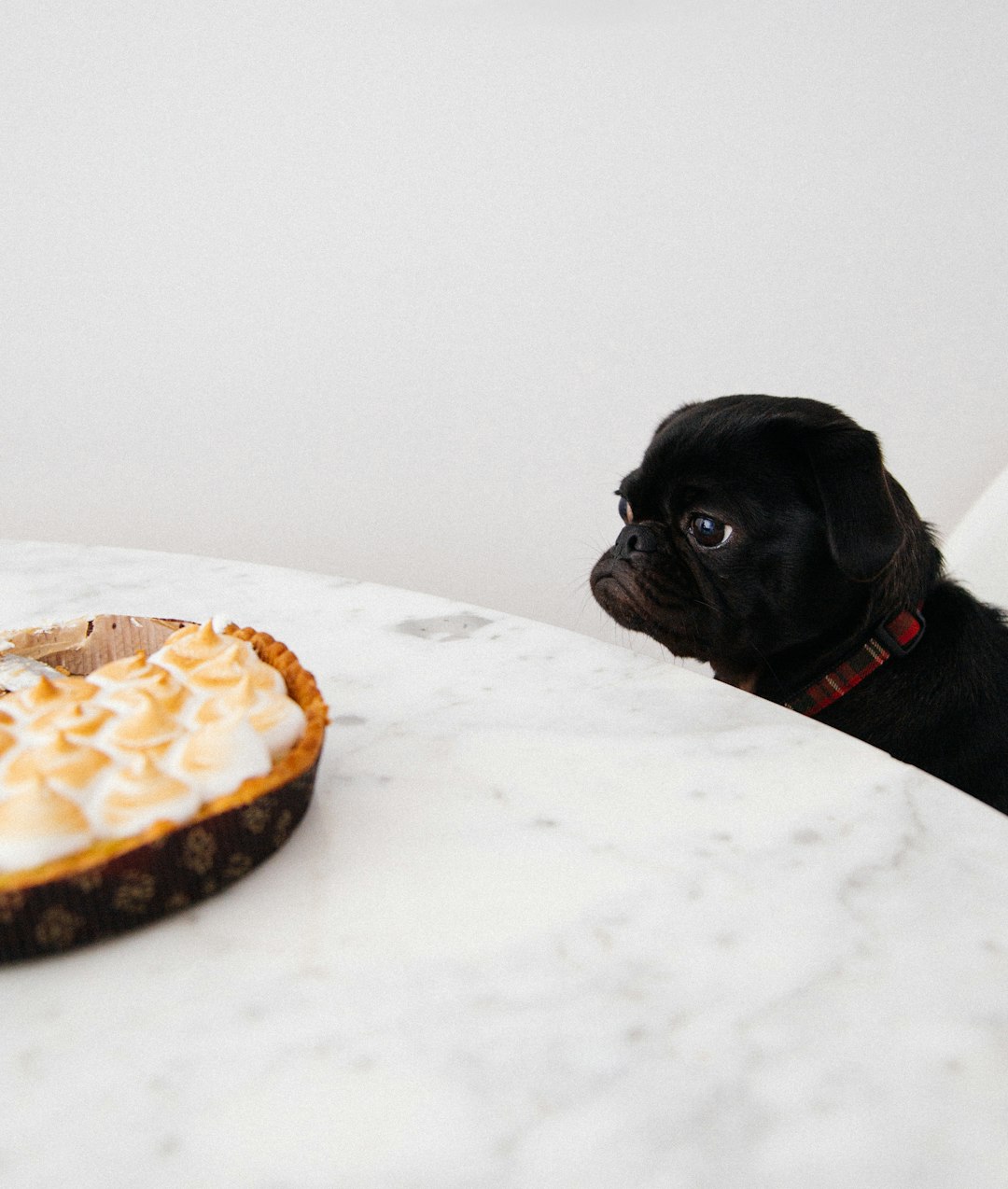
The kitchen is a land of irresistible smells and tempting treats, making it a challenge for many dogs. If your dog has a habit of counter-surfing, set up a clear boundary by keeping them out of the kitchen during meal prep. Use physical barriers or train them to stay on a mat just outside the kitchen. Reward them for staying in their spot, and never leave food unattended on counters. If your dog does manage to sneak a snack, avoid scolding after the fact; dogs live in the moment and won’t understand the delayed punishment. Instead, focus on preventing access and rewarding good choices.
Creating a Safe, Comforting Place for Your Dog

Every dog needs a place to call their own, whether it’s a crate, a specific room, or a soft bed in a quiet corner. This safe zone helps your dog feel secure and gives them a retreat when boundaries are enforced elsewhere. Encourage your dog to use this area by making it cozy and rewarding, with toys, treats, or a favorite blanket. Never use their safe place as punishment. When your dog feels safe and content in their own space, they’ll be less likely to invade yours. This balance of personal space helps build trust and respect throughout your home.
When to Seek Professional Help
Sometimes, despite your best efforts, your dog may struggle to respect boundaries. Some breeds are more stubborn, or past trauma might make training extra challenging. If you’re feeling overwhelmed or if your dog’s behavior poses a risk to themselves or others, don’t hesitate to reach out to a professional dog trainer or behaviorist. These experts can observe your dog’s unique personality and environment, offering customized strategies that work for your family. Seeking help isn’t a failure—it’s a step toward a happier, more harmonious home for both you and your dog.


