
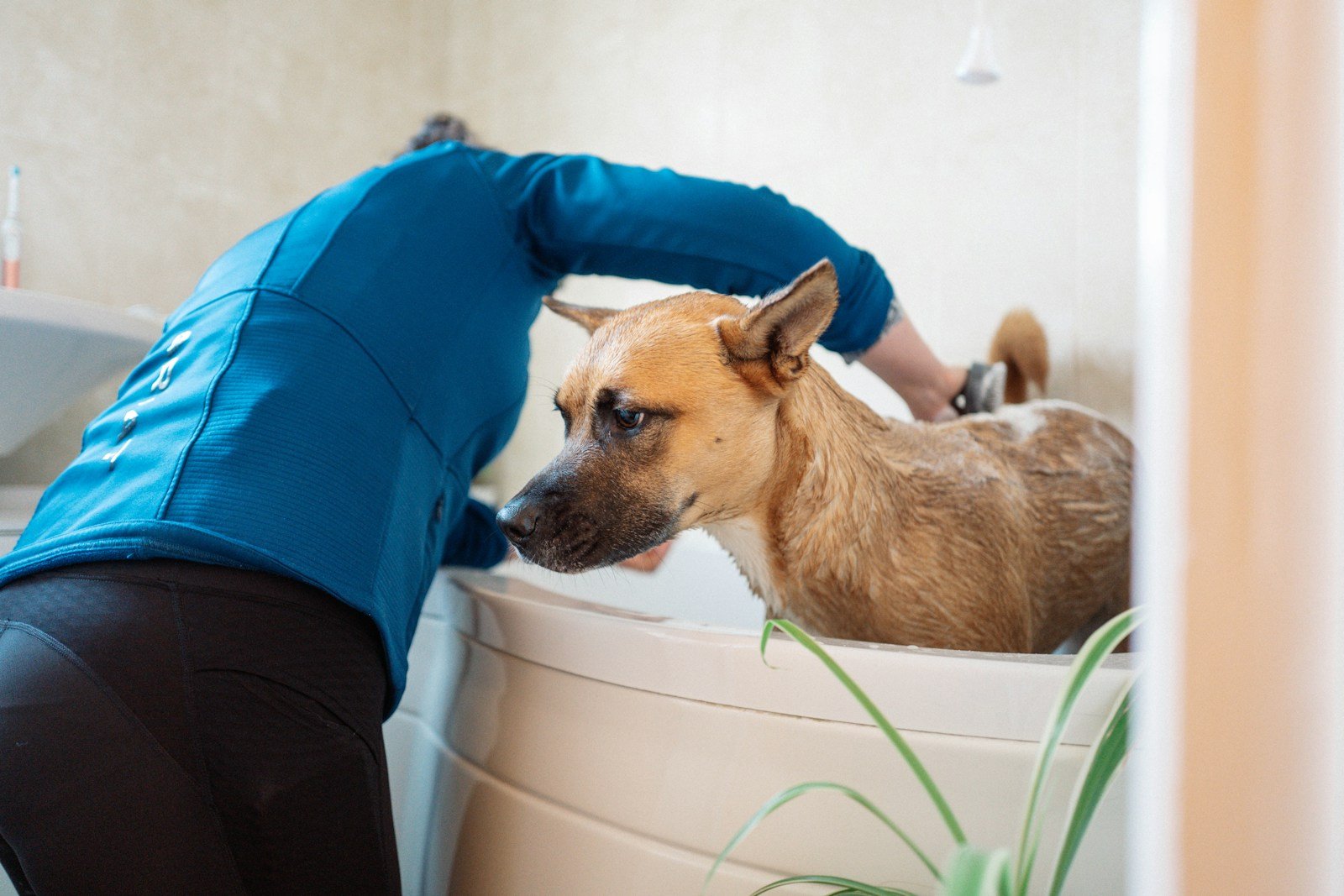

Grooming an aggressive dog needs understanding, time nd patience. Before you can effectively groom an aggressive dog, it’s important to understand why dogs may exhibit aggressive behavior. Aggression can be a result of fear, territoriality, possessiveness, or pain. Knowing the root cause can help you approach grooming in a way that is safe for both you and the dog. Here are some basic tips on how to groom an aggressive dog.
The Importance of Early Socialization
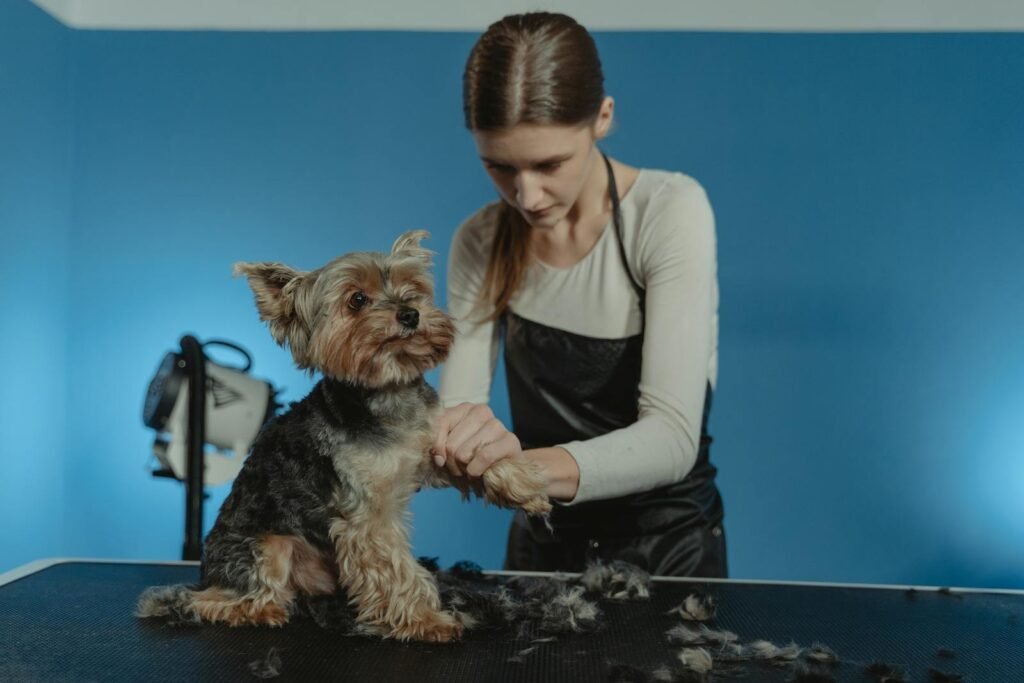
Early socialization is crucial in preventing aggression in dogs. Puppies exposed to various environments, people, and other animals tend to grow into well-adjusted adults. If socialization was lacking during the puppy stage, extra care and strategies are needed during grooming sessions to ensure safety.
Signs of Aggression to Watch For
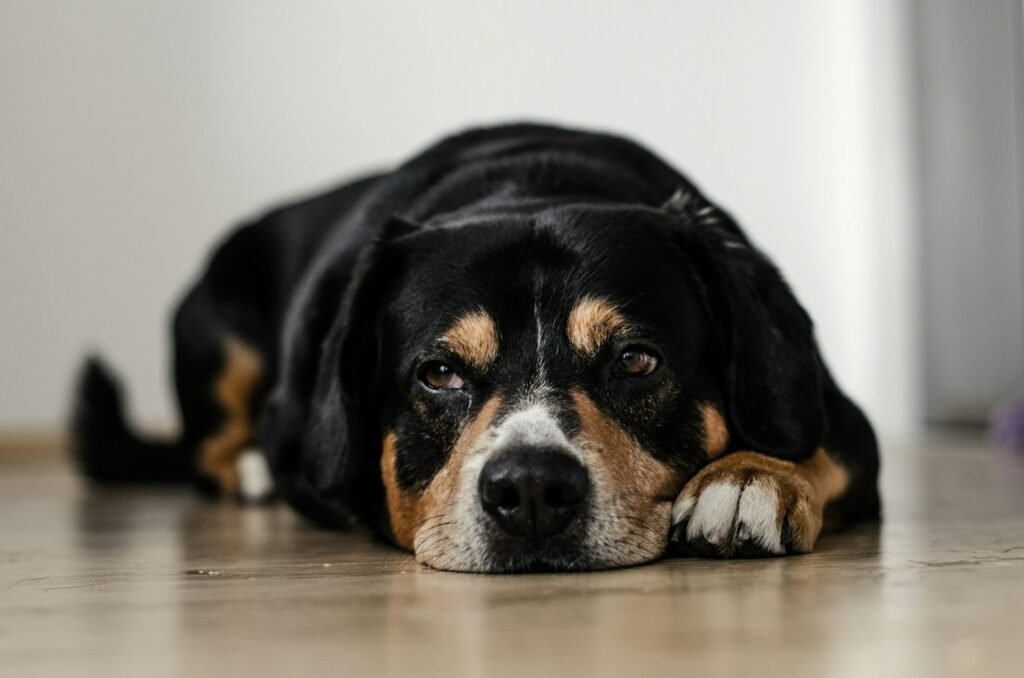
Recognizing signs of aggression is key to preventing potential incidents during grooming. Warning signs include growling, showing teeth, snapping, and a stiff body posture. By identifying these signs, you can pause the grooming session to calm the dog before proceeding.
Preparing the Environment
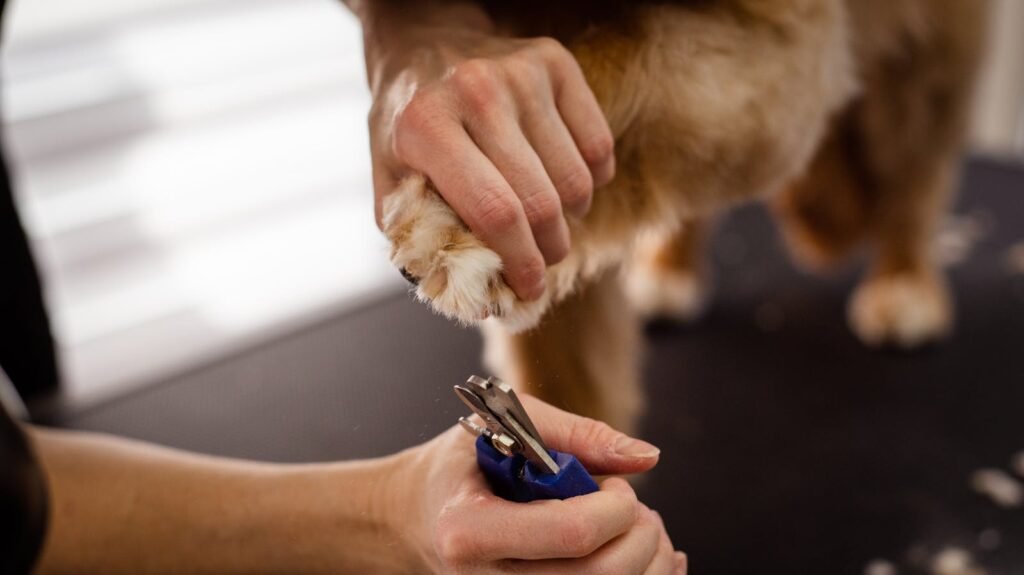
Creating a calm and controlled environment is essential when grooming an aggressive dog. Ensure the grooming area is quiet, free from distractions, and well-equipped. Using non-slip mats, comfortable tables, and keeping grooming tools within reach can make the experience less stressful for the dog.
The Role of Equipment in Safe Grooming
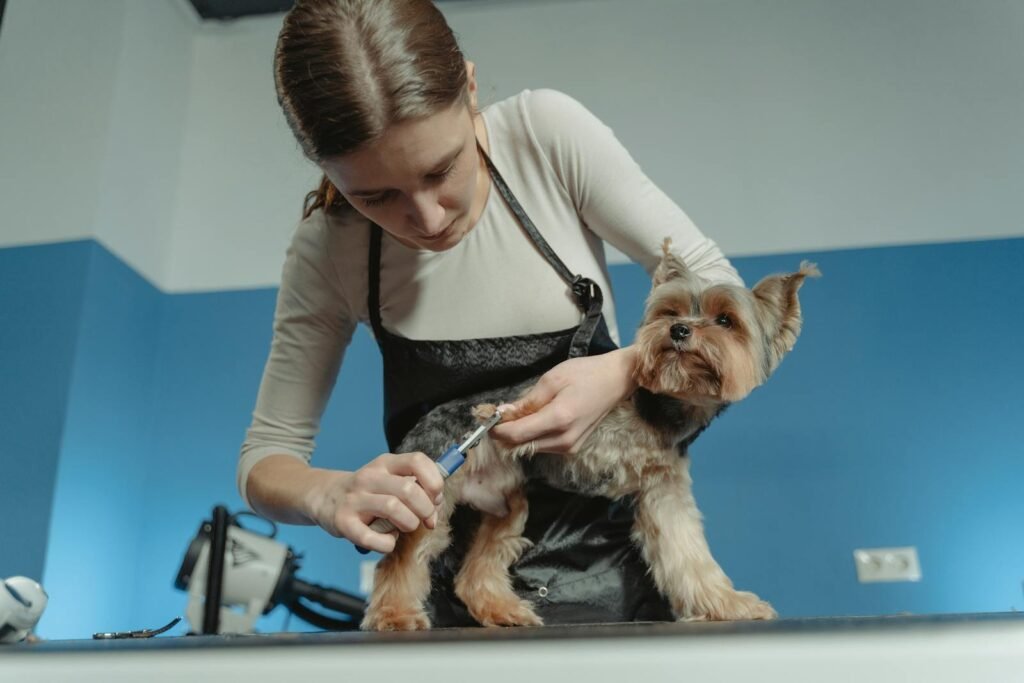
Using appropriate grooming tools can significantly impact how an aggressive dog responds. Sharp, well-maintained tools can help prevent pulling on hair or causing discomfort. Consider using a muzzle if necessary to ensure safety, but introduce it slowly and reward the dog for wearing it.
Positive Reinforcement and Desensitization Techniques

Positive reinforcement can be a powerful method to encourage a dog to remain calm during grooming. Reward the dog with treats, praise, or petting for calm behavior. This reinforcement can help build a positive association with grooming over time, reducing aggression. Desensitization involves gradually exposing the dog to grooming processes they fear, starting from a distance or with minimal contact. Paired with counterconditioning, where the associated negative feelings are replaced with positive responses, this technique can help modify aggressive behavior over time.
Consulting a Professional Groomer

When dealing with a persistently aggressive dog, seeking help from a professional groomer experienced in handling difficult cases can be beneficial. Professional groomers have the skills and knowledge to safely manage aggressive dogs and can offer valuable tips for at-home grooming. Grooming an aggressive dog requires patience, consistency, and understanding. By steadily working with the dog using safe techniques and positive reinforcement, progress can be made. Remember that each dog is unique, and what works for one may not work for another, so tailor your approach to fit the individual needs of your dog.
Andrew Alpin from India is the Brand Manager of Doggo digest. Andrew is an experienced content specialist and social media manager with a passion for writing. His forte includes health and wellness, Travel, Animals, and Nature. A nature nomad, Andrew is obsessed with mountains and loves high-altitude trekking. He has been on several Himalayan treks in India including the Everest Base Camp in Nepal.


