
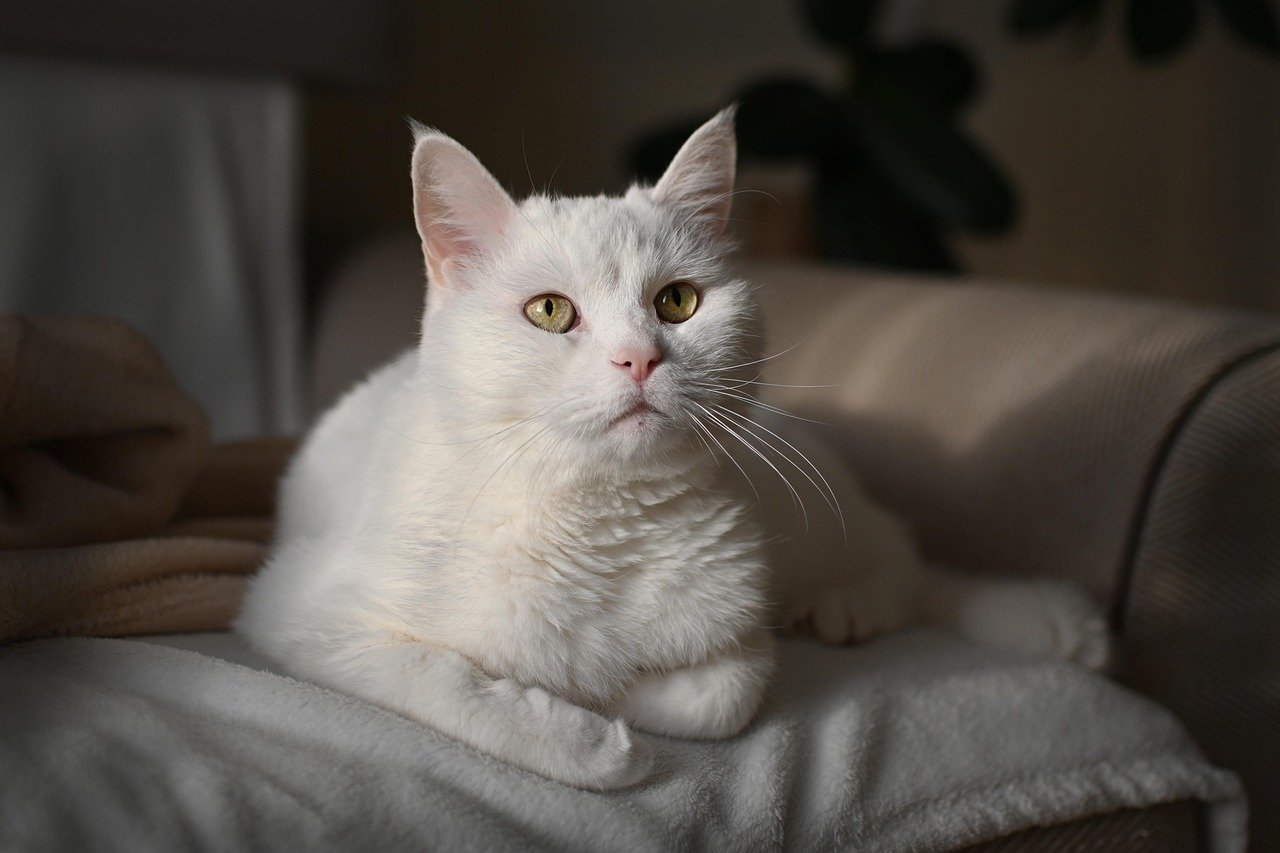
Every cat owner knows that moment of heartbreak – seeing those desperate eyes watching you walk out the door, followed by the pitiful meowing that echoes through the apartment hallway. But what happens when those adorable goodbye protests turn into something more serious? Your beloved feline companion might be suffering from separation anxiety, and it’s more common than you’d think.
Recent research has shattered the myth of the aloof, independent cat. Studies now show that cats living with humans have similar attachment styles to pet parents as dogs and children do. In fact, roughly two-thirds of cats evaluated were described as securely attached to their humans. This strong emotional bond, while beautiful, can sometimes lead to distress when we’re away.
Recognizing the Tell-Tale Signs Your Cat is More Than Just Missing You

True separation anxiety typically manifests as a combination of symptoms that you can observe both when you’re home and when you’re away. Think your cat might be experiencing more than just regular loneliness? The signs can be subtle but telling.
Look out for excessive vocalization – this can involve yowling, meowing, or crying. Some cats will literally wait at the front door the entire time rather than engaging in their own activities. Inappropriate urination, especially on the owner’s bed, often occurs immediately following your departure. These aren’t acts of spite – they’re desperate attempts at communication.
The Surprising Truth About Which Cats Are Most at Risk
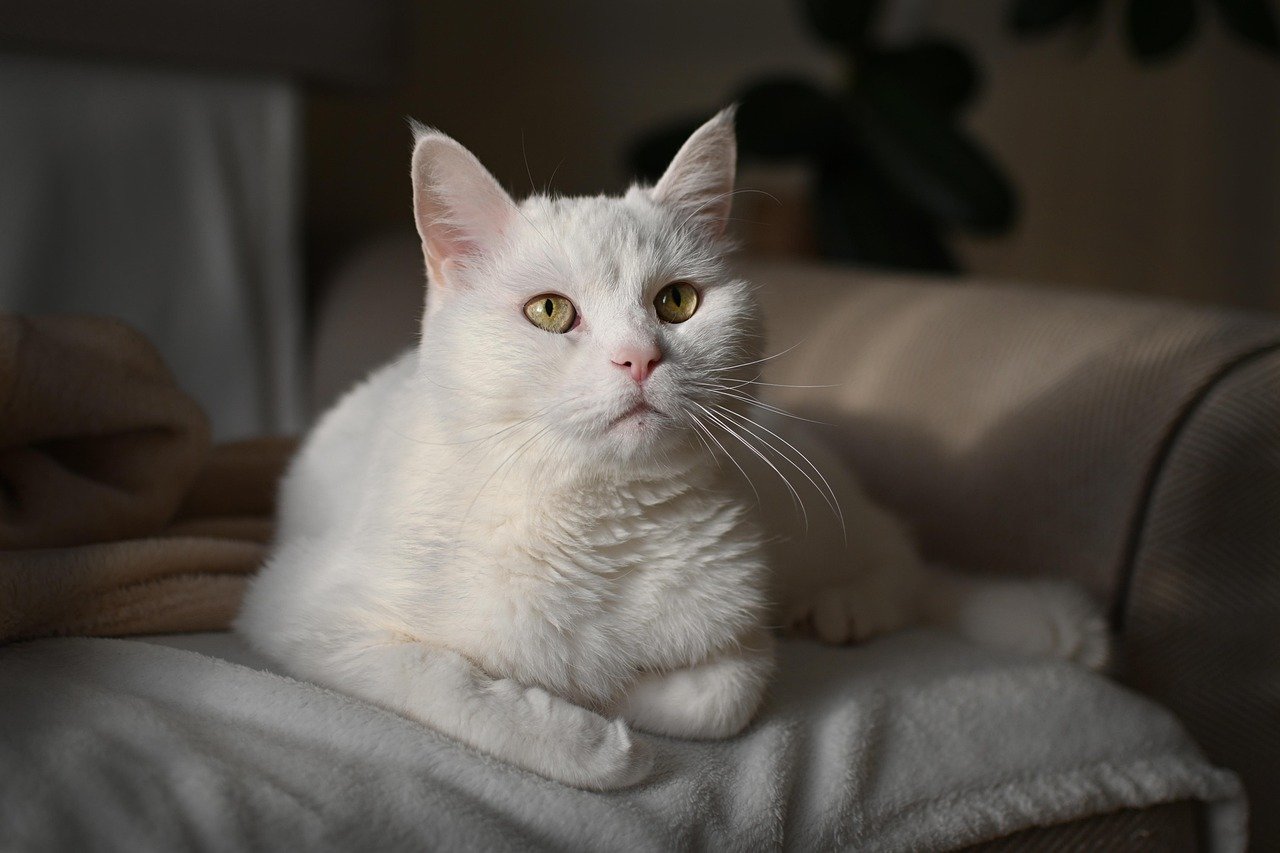
Female cats are diagnosed with separation anxiety more often than male cats. Most cases are seen in cats that live strictly indoors and come from a home with only one adult caregiver. But that’s not the whole story.
Cats that were orphaned, weaned early, or bottle-raised are particularly vulnerable. Any cat can experience separation anxiety, but those who have been abandoned, bottle-fed, and the ones who were weaned too early are more likely to develop it as they grow older. Experiencing a change in routine often prompts separation anxiety or causes it to get worse – like when a pet parent transitions from working at home to leaving the house for work each day.
Why Your Cat’s World Feels Unsafe When You’re Gone

A cat with separation anxiety feels like the world is an unsafe place when their human isn’t around. This isn’t dramatic – it’s their genuine emotional reality. If you provide constant affection, treats, and playtime every time your cat comes to you, they can grow dependent on you. If you’ve been spending lots of time with your cat indoors and suddenly need to spend more time outside, your cat can struggle with the separation.
Cats can feel fearful, anxious, frustrated, bored or even depressed – all emotions that cause stress. Cats are creatures of routine, and they find sudden changes stressful. Understanding this emotional landscape is the first step toward helping your furry friend feel secure again.
Creating an Entertainment Paradise That Works While You’re Away

There are endless options for enrichment activities to keep your cat busy while you’re gone. There are TV shows designed specifically for cats and even cameras that allow you to toss treats to your cat. Puzzle feeders are toys that your cat has to play with to release the food inside. The key is making departure time feel like entertainment time rather than abandonment time.
Wand toys, battery-operated self-propelling toys that mimic prey, balls inside boxes, catnip-filled toys, and light-beam pointer games all work wonderfully. Toys should be rotated every few days to maintain novelty and interest. Window perches for wildlife observation and cat-oriented DVD programs also provide useful forms of enrichment. Think of yourself as your cat’s personal entertainment coordinator!
The Power of Puzzle Feeders and Food-Based Distractions
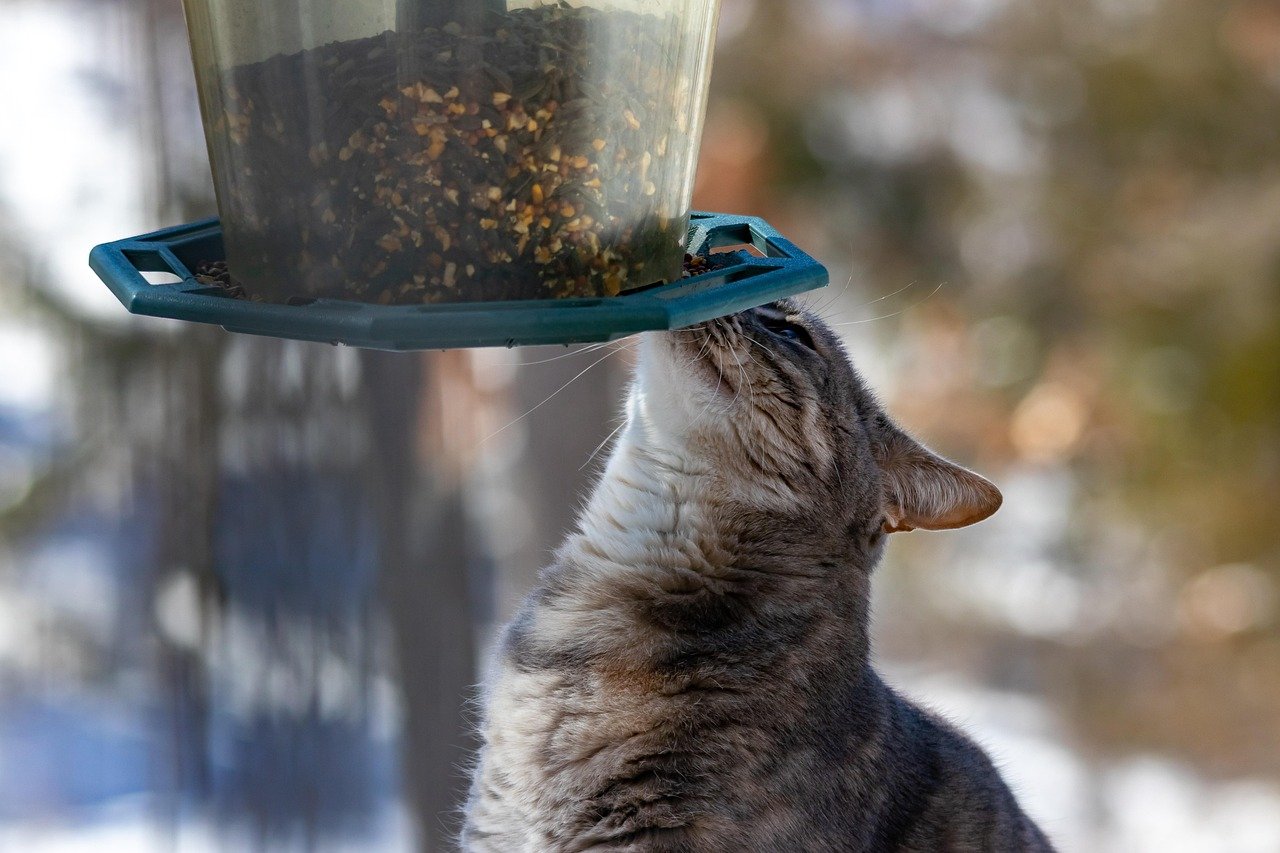
Working (hunting) for their food is wonderful enrichment for cats. Let your cat “hunt” for food by placing food in a toy that will make the cat work to get it out. Hide food throughout the house so the cat has to find it. This taps into their natural predatory instincts and keeps their minds occupied.
Cat snuffle mats and bowls make your furbaby’s meal times more fun and challenging. These provide mental stimulation because your cat will spend longer time foraging through the mat or bowl for their food. They can also be used outside of meal time as interactive toys with treats to help curb separation anxiety. It’s like turning every meal into a treasure hunt that lasts well beyond your departure.
Building Your Cat’s Confidence Through Environmental Changes

Creating “safe havens” – refuges from household stressors for each cat in separate rooms or spaces in quiet areas of the home – helps provide secure “microenvironments.” Fresh food and water, clean litterboxes, appropriate scratching substrates, rotating toy options, and comfortable resting and perching sites can be provided in these safe havens.
Set up a dedicated sanctuary for high-stress cats which can accommodate food, water, bedding, high gateway areas, scraping stations and litter box. Ensure the area meets basic needs with the addition of a pheromone diffuser, owner’s scented clothes and cat soothing music. Allow your cat to have choice and willingly explore the fortress by making a positive association with treats and play. Think of it as creating a luxury spa retreat specifically designed for anxious felines.
The Art of Leaving (And Returning) Without Drama
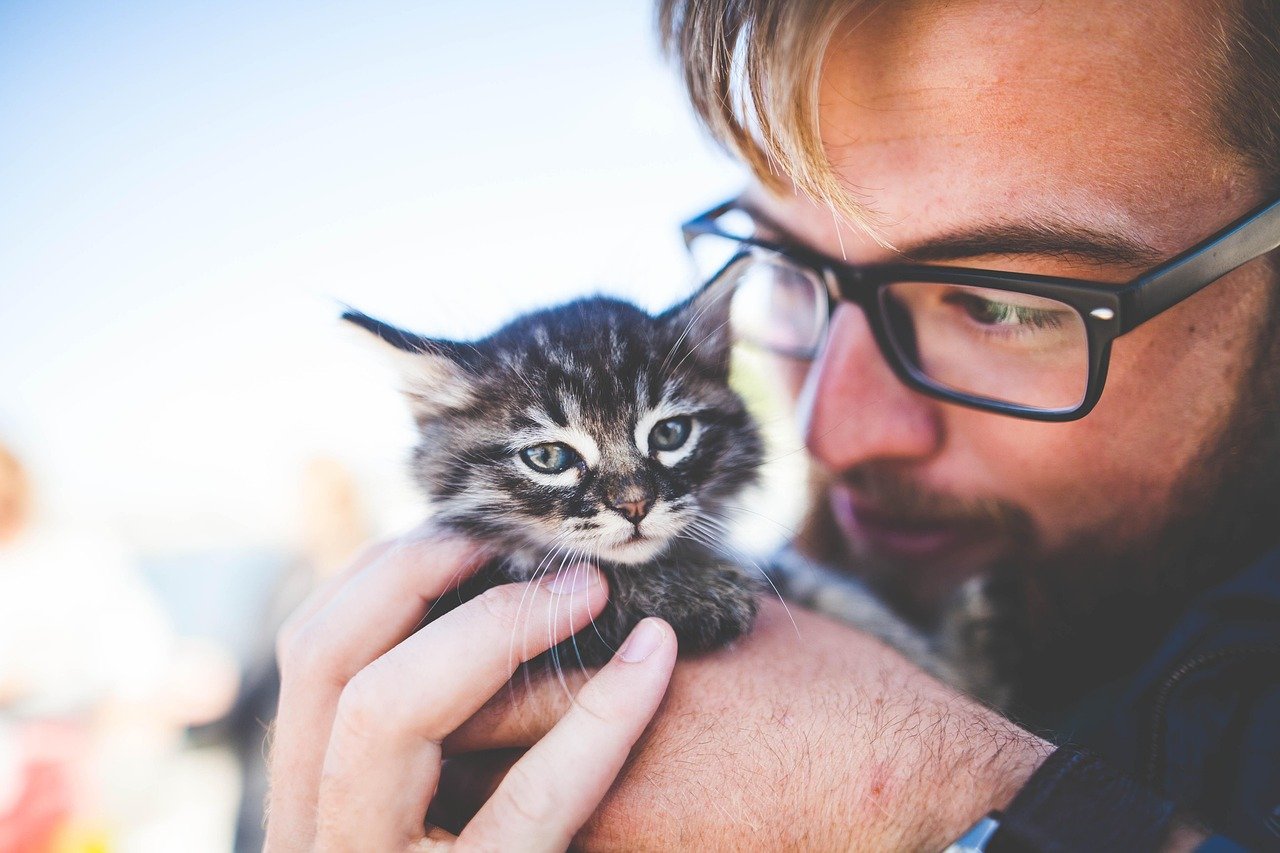
Don’t ignore your cat or sneak off leaving them realizing they’ve been left alone! Departures and arrivals should be as calm as possible; excessive display may trigger overstimulation and aggravate anxiety. Dramatic hi’s and goodbyes will only trigger your cat’s anxiety. Make it as simple as possible. This will help your cat associate that your leaving is not a big deal since you will always be coming home.
Certain activities like gathering keys, coat, bag or wearing shoes prior to leaving can trigger anxiety. If your cat shadows you or becomes nervous whenever you pick or hold these items, it should be helpful to desensitise them by staging these activities at unplanned times without departing. It’s like teaching your cat that keys jingling doesn’t always mean abandonment – sometimes it just means keys are moving around!
When Professional Help Becomes Necessary
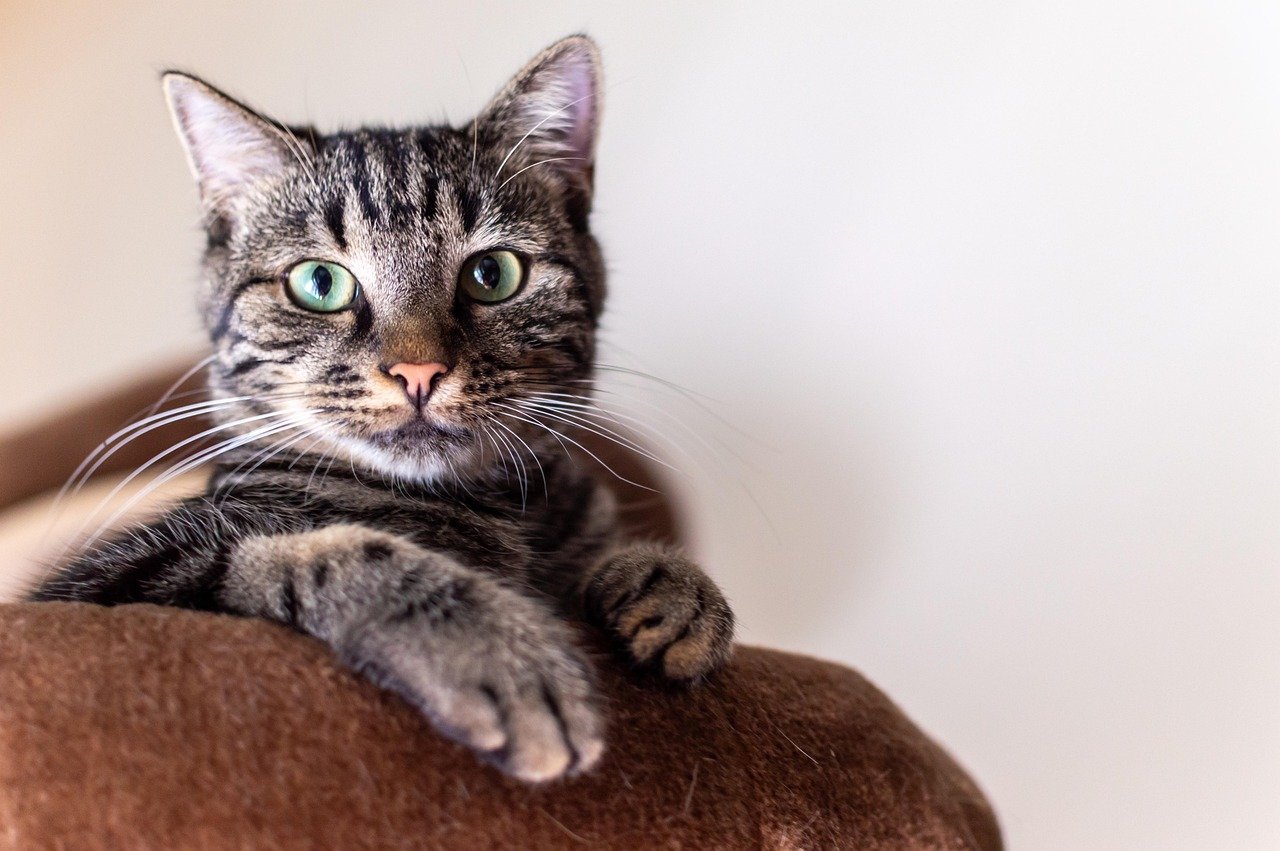
While some signs of cat separation anxiety may be subtle, once spotted it is imperative you act swiftly. Without intervention, this type of anxiety can be extremely debilitating for felines and may well result in a trip to the vets. If their separation anxiety continues to worsen, you should seek professional advice straight away.
Treatment for behavior disorders like cat anxiety often involves a combination of environmental management, supplements or medications, and behavior modification. Most cats respond to some degree to a combination of behavior modification and treatment with cat anxiety medicine or supplements. Medications like antidepressants take several weeks to work. In extreme cases, anti-anxiety medication could also be a necessity after consultation with your veterinarian or veterinary behaviorist. Remember, there’s no shame in seeking professional help – you’re being a responsible, caring pet parent.
Your cat’s separation anxiety isn’t a reflection of being spoiled or dramatic – it’s a genuine emotional response to feeling unsafe when you’re away. With patience, environmental enrichment, and the right strategies, you can help your feline friend feel secure and confident during your absences. The goal isn’t to make your cat indifferent to your departure, but to help them understand that being alone doesn’t mean being abandoned. After all, wouldn’t we all feel better knowing our most important person will always come back home to us?


