


Embarking on a hike through a national park with your furry friend is a wonderful way to enjoy nature and strengthen your bond. America’s national parks offer stunning vistas and a myriad of trails to explore, providing a paradise for both humans and their canine companions. However, hiking with your dog in these protected areas requires extra preparation and consideration to ensure a safe and enjoyable adventure for everyone involved. In this guide, we’ll delve into essential tips that will help you and your dog navigate the paths of national parks safely.
Check Park Regulations Before You Go

Before setting off on your adventure, it’s crucial to know the specific rules and regulations of the national park you plan to visit. Not all parks allow dogs, and those that do often have specific trails where pets are permitted. Familiarize yourself with these guidelines to avoid fines or, worse, being asked to leave. Doing so ensures that you’re respecting the park’s preservation efforts while safeguarding native wildlife. Moreover, understanding the rules in advance will streamline your planning and prevent any last-minute disappointments.
Assess Your Dog’s Physical Condition

Every dog is different, and it’s important to judge whether your pup is physically fit for a hike. Consider your dog’s age, health, and breed characteristics—different breeds have varying endurance levels and susceptibility to environmental conditions. For instance, brachycephalic breeds, like bulldogs, may struggle in warm temperatures or at high altitudes. Consult with your vet to assess your dog’s capabilities and any precautions you might need to take before venturing out into the wilderness.
Stay Up-to-Date on Vaccinations
Just as you wouldn’t venture out without appropriate health measures, your dog shouldn’t either. Before hiking, ensure that your dog’s vaccinations, particularly rabies, are up-to-date. In addition to vaccinations, consider flea and tick prevention, as these parasites are common on trails and can lead to serious health issues. Having your dog’s health in check will give you peace of mind as you explore new terrains.
Invest in a Quality Leash and Harness

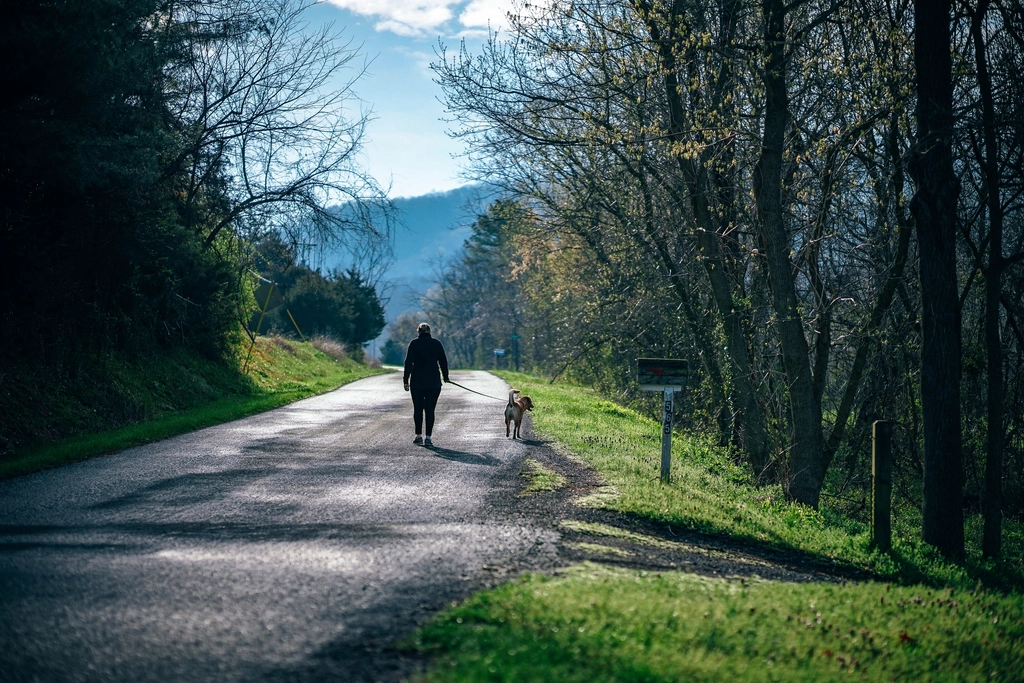
A sturdy leash and comfortable harness are essential tools for hiking with your dog in national parks. Even if your dog is well-trained, leashing them helps protect wildlife and preserves the natural integrity of the park. A harness can provide better control and reduce strain on your dog compared to a collar. Look for options that are durable and fit comfortably—this will make your trek more manageable and less stressful for both you and your pet.
Pack Sufficient Water and Snacks

Hydration and energy are critical for an enjoyable hiking experience. Both you and your dog will need plenty of water, so carry enough for the entire trip, plus a little extra in case of emergency. Portable dog bowls are handy for giving your pet a drink, and consider packing nutritious snacks to keep their energy levels up. Monitoring your dog’s hydration is vital, especially in warmer weather, to prevent overheating and exhaustion.
Be Mindful of the Weather

Weather can be unpredictable in national parks, varying greatly throughout the day. Check forecasts ahead of time to prepare appropriately. Extreme temperatures can pose serious risks to your dog; cold conditions might require an extra layer, while hot weather calls for sun protection and careful attention to overheating signs. Watch your dog’s behavior for any signs of discomfort, and be ready to turn back if conditions take a turn for the worse.
Respect Wildlife and Natural Habitats

National parks teem with wildlife and delicate ecosystems. While hiking, keep your dog close by to prevent them from disturbing wildlife or vegetation. Encountering animals can be dangerous for both your dog and the habitat’s inhabitants. Respect signs and barriers designed to protect these areas, and remember that leaving no trace applies to pets as well—carry waste bags to clean up after your dog, preserving the park for others.
Start With Shorter, Easier Trails
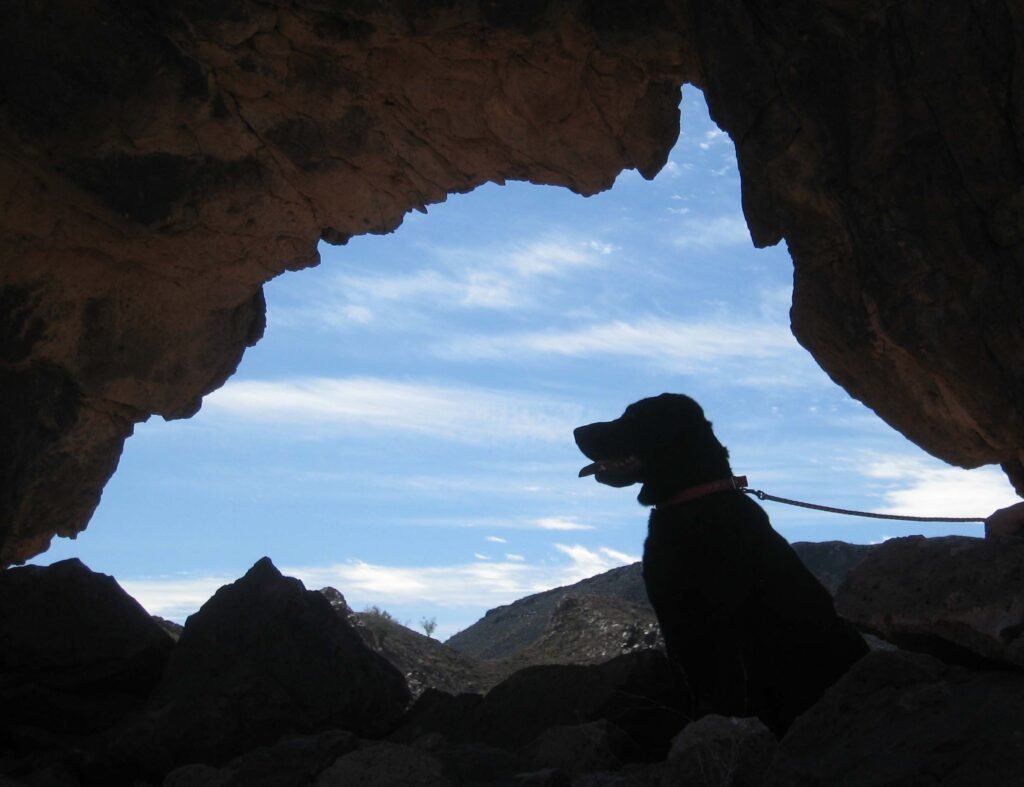
If you’re new to hiking with your dog, begin with shorter and less demanding trails. This allows you both to adjust to the experience and identify any specific needs or challenges that might arise. Gradually increasing the trail length and difficulty will help build your dog’s stamina and confidence. It’s a fun way to train and enjoy nature together while developing a sense of adventure at a comfortable pace.
Know Basic First Aid for Dogs

Accidents can happen even on the well-traveled paths of a national park. Being prepared with basic first aid knowledge for dogs can make all the difference in addressing cuts, sprains, or other injuries. Carry a small first aid kit designed for pets, and familiarize yourself with common signs of distress or illness in dogs. Your awareness and preparation can turn a potentially troubling situation into a manageable one, ensuring your journey ends on a positive note.
Depending on the park and season, dressing your dog for the occasion can enhance comfort and safety. In colder climates, consider doggie jackets or booties to protect against ice and snow. In hotter regions, protective gear can guard paws against hot surfaces and mitigate sun exposure. Take cues from your dog’s behavior to adjust their gear as needed, ensuring they’re dressed for the conditions to enhance their hiking experience.
With these tips in hand, you’ll be well-prepared to tackle the trails in national parks with the company of your loyal friend. By taking steps to ensure your dog’s safety and comfort, you not only create memorable adventures but also help safeguard the natural environments you explore together. Remember that every hike is an opportunity to learn and grow, deepening your relationship with your pet while appreciating the beauty of the world around you.
Andrew Alpin from India is the Brand Manager of Doggo digest. Andrew is an experienced content specialist and social media manager with a passion for writing. His forte includes health and wellness, Travel, Animals, and Nature. A nature nomad, Andrew is obsessed with mountains and loves high-altitude trekking. He has been on several Himalayan treks in India including the Everest Base Camp in Nepal.


