
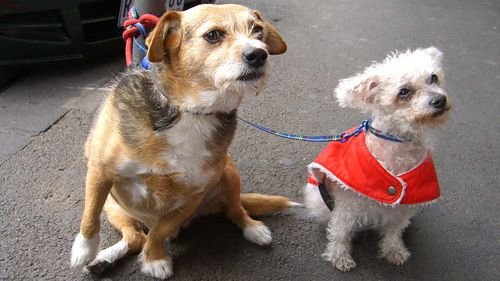
You’re scrolling through your feed, minding your own business, when suddenly a video stops you cold. A trembling puppy, ribs showing, mud-caked fur, eyes wide with fear. A caption screams “EMERGENCY. Only $50 stands between this baby and death.” Your heart breaks wide open. Your hand hovers over the donate button.
Sound familiar? Honestly, it has happened to most of us. Dog lovers are some of the most generous people on the planet, and that generosity, as beautiful as it is, makes us the perfect target. Fake dog shelters and fraudulent rescue pages have exploded across every major social platform, preying on the exact compassion that makes you a wonderful human being. Before you give your heart or your money away, let’s make sure it goes somewhere real. Let’s dive in.
The Scale of the Problem Is Bigger Than You Think
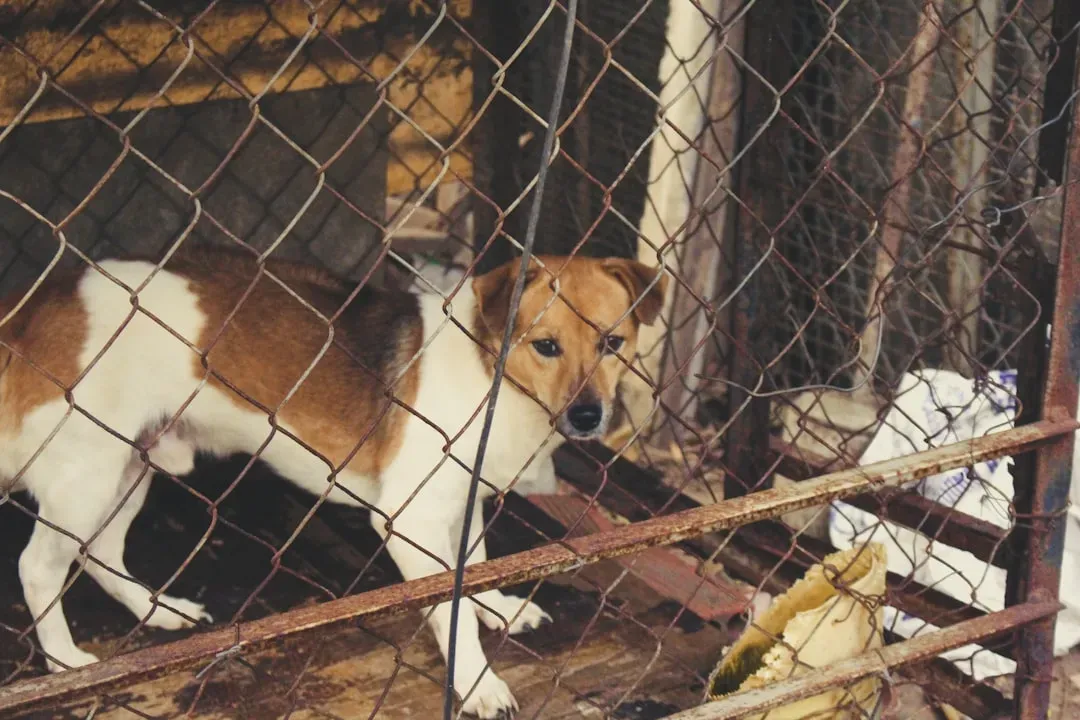
Here’s a number that should make your jaw drop. In 2024, the Social Media Animal Cruelty Coalition (SMACC) documented 1,022 links to suspected fake rescues across Facebook, Instagram, YouTube, TikTok, and X in just six weeks, generating 572 million views. That is not a niche issue. That is a full-scale epidemic running on your phone right now.
Scammers create look-alike social media pages, lift photos and videos of sick or abused animals from real rescues, and post urgent pleas for money. Real shelters are being cloned and impersonated. Friends of Michigan Animals Rescue, a shelter that has been placing pets in homes for roughly two decades, discovered a look-alike social media profile posing as them. The scammers’ page reused their photos of sick and injured animals and urged people to donate.
These scams directly impact legitimate organizations’ ability to raise funds for animals in need. Every dollar stolen by a fake rescue page is a dollar that could have fed a real dog, paid for a real surgery, or kept a real shelter open. That is the devastating ripple effect most people never even consider.
Red Flag Number One: The Urgency Trap and Emotional Manipulation
Let’s be real. Scammers are not amateurs fumbling around with bad grammar. They are, in many cases, highly calculated manipulators who understand human psychology at a deeply unsettling level. They approach you through a mutual interest in animals, gain your friendship and your trust, then follow you or invite you to follow their page with a fake name of a shelter or rescue on social media.
In the animal shelter scam, crooks post pictures of animals with false information about “high kill” shelters and imminent death unless they immediately receive money to rescue the pets. The urgency is artificial and weaponized. Once someone believes an animal will die in hours without their help, rational thinking goes out the window. Scammers know this, and they exploit it without a single moment of hesitation.
Think of it like a fire alarm going off in a crowded room. The instinct is to run, not to stop and ask if the alarm is real. Pet scammers focus on hitting up the largest possible number of people per day, and they’ll usually start to lure interest with a sob story right away, and then ask for money almost immediately. If a page makes you feel like you have zero time to think, that’s precisely the point.
Red Flag Number Two: The Content Itself Is Staged or Stolen
This is where things get truly disturbing. Some of these videos are not just misleading. They are actively cruel. Over a fifth of videos showed animals trapped or stuck in places, under or inside objects. Often the animal is left struggling for periods of time before the “rescuer” attempts to help them. The “rescue” is not a rescue at all. It’s a setup.
In one disturbing trend, multiple videos show mother cats laying on the ground, wide-eyed and unable to move their bodies, as their kittens cry out and try to feed. The content then shows the cats being “rescued” and brought back to full health. Veterinarians who have reviewed this content suspect that the cats may in fact be intentionally drugged for the videos. If a vet raises a red flag, trust it completely.
What’s even more alarming is that some videos may actively endanger animals, all for the sake of views and donations. In many documented cases, the same animals are used in repeated videos, suggesting ongoing exploitation. Real rescuers do not film animals in prolonged distress. That detail alone should tell you everything.
Red Flag Number Three: No Transparency, No Paper Trail, No Accountability

Legitimate rescue organizations are proud of who they are. They want you to know their registration number, their vet partnerships, their adoption processes. Legit shelters proudly share their 501(c)(3) paperwork or IRS exemption letters. Fraudsters dodge this, claiming privacy or busyness. Check sites like GuideStar yourself; if nothing pops up, walk away.
For the scammers that use social media, they will often set up a Facebook page with a few vague, blurry images and limited contact information. Their page may have a few hundred, or even a few thousand followers that all have foreign sounding names – these followers were paid for in an effort to make their page look more legitimate. A big follower count means nothing if none of those followers actually engage.
Here’s another key thing to look for: what happens after the dramatic rescue video ends? Great shelters post updates: vet visits, adoptions, family pics. Scams drop animals post-“rescue” video, with no trace. No follow-up stories. No adoption photos. No updates on how that injured puppy is doing three weeks later. Silence after the sob story is a massive warning sign.
Red Flag Number Four: Sketchy Payment Requests and No Adoption Process
Here is something worth memorizing. Legitimate charities on Instagram use the built-in Support/Donate tools or send you to their official website to give. A bio that lists only personal wallets like PayPal email, Cash App, Venmo, or crypto is a red flag. No real registered charity asks you to Venmo a random individual directly.
Scammers will insist you can only pay with cash, a gift card, a wire transfer, cryptocurrency, or a payment app. Those are ways that get scammers the money quickly and make it hard for you to get it back. It is not a coincidence. It is a deliberate strategy to make recovery almost impossible. Once that money is gone, it is almost certainly gone forever.
Expect applications, home checks, and contracts from ethical groups. Fakes rush you with cash grabs, no questions asked. That’s brokering, not rescuing. Think about it this way: a real shelter cares deeply about where each dog ends up. If nobody is asking about your yard space, your lifestyle, or your other pets, something is very wrong.
How to Protect Yourself and Give Responsibly

Now for the good news, because there absolutely is good news. Your love for dogs is not the problem. The problem is misdirected trust, and that can be fixed with a few simple habits. Start by checking whether the profile uses Instagram’s Support/Donate button or links to the shelter’s official website. Then verify the organization in a public registry – IRS/GuideStar in the U.S., the Charity Commission in the U.K. If the account is brand-new, requests money via personal wallets, and has no credible presence outside Instagram, don’t donate.
If you’re looking to adopt a rescue dog, get a referral from your veterinarian, groomer, a friend or co-worker. Many veterinarians are actively involved in animal rescue, or know people who are, and can refer you to an honest organization. Word of mouth from people you trust is still the most powerful tool you have.
Most rescue scams go unreported because victims feel embarrassed. Scammers rely on this, but reporting them can protect others and help keep rescue funds where they belong – with honest rescues. You can report fraud to the Better Business Bureau, your state’s Consumer Protection Agency, or the National Consumers League. Reporting is an act of kindness for every dog lover who comes after you.
Conclusion: Your Compassion Deserves Better
Here’s the thing about people who love dogs. You feel things deeply. You see a suffering animal and every instinct you have says help, now, immediately. That is not a weakness. That is one of the most beautiful things about you. The only tweak needed is a pause, a breath, and a few quick checks before that donation goes anywhere.
Real shelters are out there doing extraordinary, quiet, unglamorous work every single day. They deserve every cent of your support. The fakes? They deserve to be exposed, reported, and shut down for good. Many verified rescues and shelters operate quietly and honestly, often without flashy viral videos or emotionally manipulative messaging. Supporting these trusted organizations, especially those in your community, ensures your donations make a direct, measurable impact.
So the next time a devastating video pops up in your feed, pause. Reverse image search that photo. Check for a nonprofit registration. Look for follow-up posts. Ask the hard questions. Your dog trusts you with their whole heart every single day. The dogs waiting in real shelters deserve that same fierce, clear-eyed love from you too. Did you ever imagine that the very thing that makes you a great dog lover could also make you a target? Now you know better, and now you can do better.


