
Picture this: You walk through the front door with a wiggling bundle of fur, excitement bubbling in your chest about expanding your pack. Then you see your current dog’s face. That look of confusion, uncertainty, or downright suspicion tells you everything you need to know. This moment can either set the stage for a beautiful lifelong friendship or months of household tension that leaves everyone stressed.
The truth is, most dogs don’t automatically welcome new family members with open paws. They need time, patience, and the right approach to feel secure about sharing their space, their humans, and their favorite sleeping spots. Think of it like this: imagine a stranger moving into your bedroom without any warning. You’d probably have some feelings about that too.
Before You Even Bring Your New Pet Home
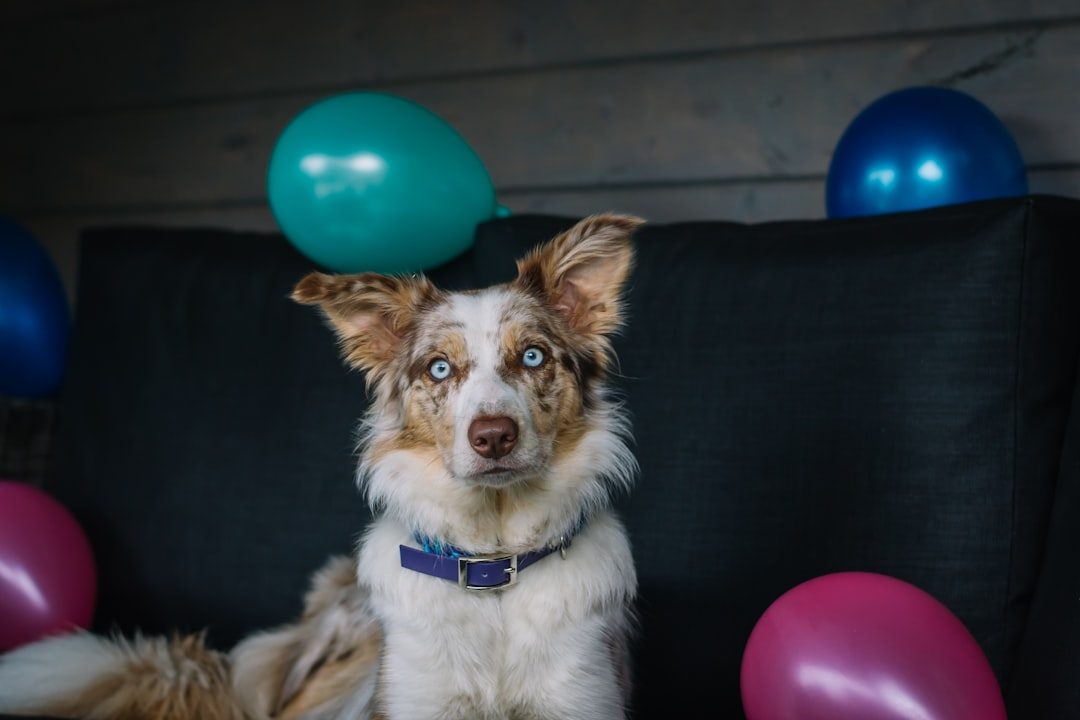
Honestly, the success of your introduction starts before your new pet ever sets paw in your house. Prior to bringing your new dog or puppy home, place anything your resident dog might guard in one area. This may include food bowls, bones, beds and toys. Make sure the new dog has a separate area for all of their items.
Set up what experts call “success stations” throughout your home. Set up at least one “success station” – a dog-proofed area in a playpen or an area of the home blocked off with baby gates or exercise pens. A success station should have food (if it’s mealtime), water, a place to rest and sleep, potty pads/access to a potty area, toys and enrichment. The success station provides a safe place for your dog to rest when you can’t supervise them.
This preparation isn’t just about preventing conflict. It’s about creating an environment where both dogs feel secure and have everything they need without having to compete. Think of it as diplomatic immunity for dogs.
Consider your resident dog’s personality too. Some are uncomfortable with or reactive to new dogs and need very slow introductions. Some don’t necessarily like every single dog they meet. And some do best as the only dog in the household.
The Golden Rule of Neutral Territory
Never, and I mean never, let your new dog walk straight into your house while your resident dog is inside waiting. You don’t want to walk a new dog into your home with your current dog waiting inside because your dog will naturally feel that the newcomer is an intruder, not a new friend.
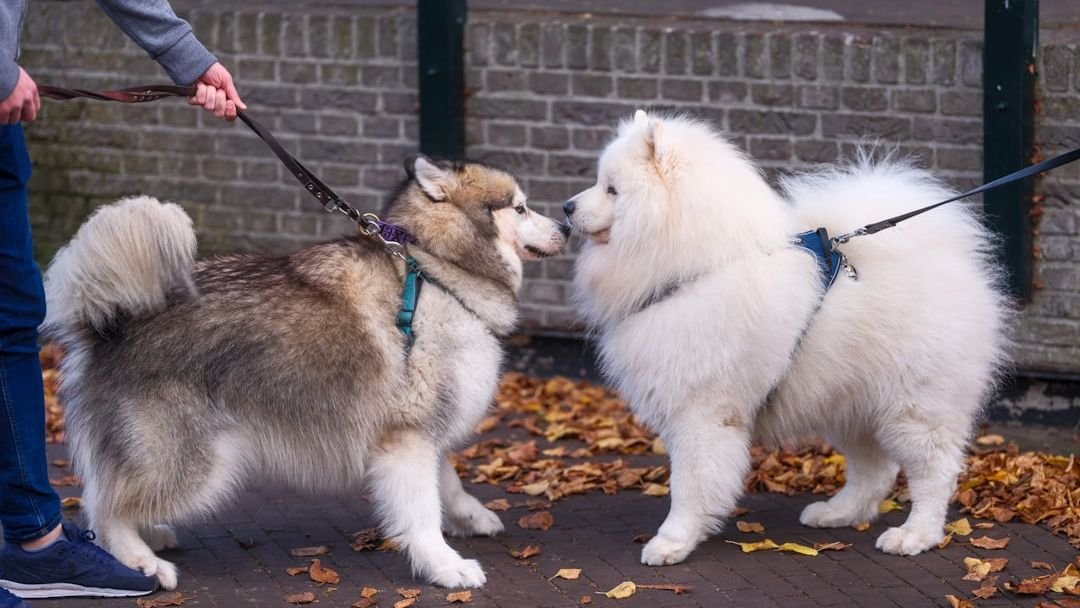
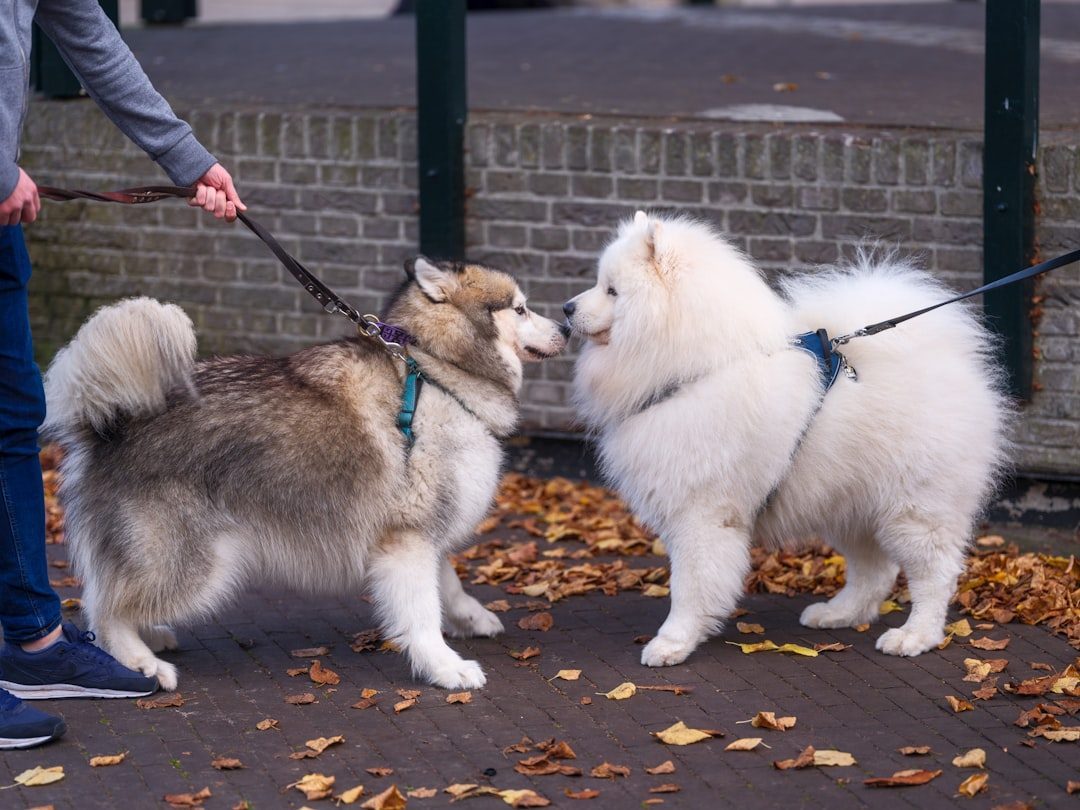
Introduce the dogs in a neutral area rather than your own home or yard. Both dogs should be on leashes for control, but try to allow them a little room to maneuver. A local park, quiet street, or even the parking lot of the pet store where you adopted your new family member works perfectly.
Here’s where it gets interesting: Have the person walking the new dog approach from the side and “catch up” to you and your dog as you walk. Pick an area where you can walk together with a little distance between the dogs. As they walk they can look at and sniff each other, but there will be other things to catch their interest as well.
This parallel walking technique works because it mimics how dogs naturally approach each other in the wild. They don’t run head-first into confrontation; they size each other up while doing something together, like moving toward a common goal.
Reading the Secret Language Your Dogs Are Speaking
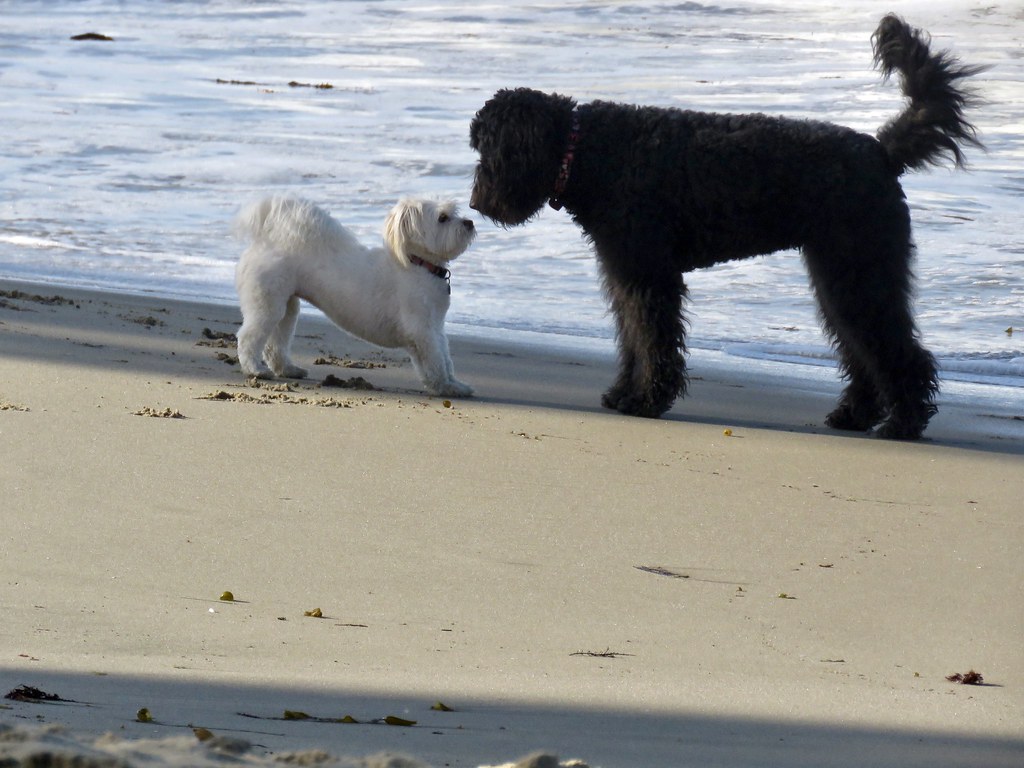
Dogs are constantly talking to us and each other through their body language, but most of us humans are pretty terrible at understanding what they’re saying. Be on the lookout for signs either dog is anxious or uncomfortable, such as growling, snapping, showing teeth, back-hunching, long stares and raised fur.
Watch for the subtler stress signals too. Growling, barking, whining, howling and screaming are all ways that dogs might vocalise their stress. Sudden increase in shedding and fur loss, as well as hair standing on end on the back or tail can indicate the dog is in a hyperaware state. Sometimes a dog will yawn excessively, lick their lips repeatedly, or turn their head away. These aren’t signs of boredom or hunger; they’re your dog’s way of saying “I need a break.”
On the flip side, allow them on a long leash until you notice relaxed and “wiggly” body postures and interest from both dogs. A truly comfortable dog has soft eyes, loose body movements, and might even initiate play bows where they lower their front end while keeping their rear up in the air.
Remember, some initial posturing is completely normal. Very few dogs coexist without disagreements. A stare, a lifted lip or a growl is a normal dog signal that he’s uncomfortable with something another dog is doing. Often the recipient of these signals will stop and move away – this is appropriate.
The Art of the Slow Introduction
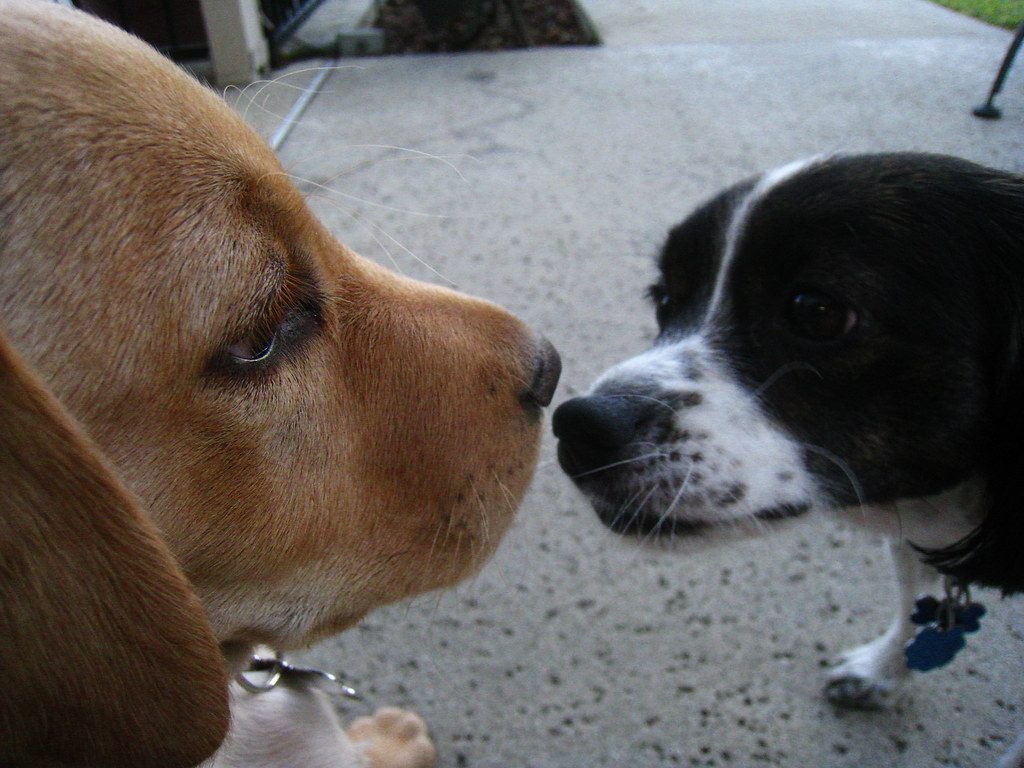
Patience isn’t just a virtue here; it’s a necessity. Keep the dogs’ interactions closely supervised for the first two weeks, until both dogs are fully accustomed to each other. Avoid leaving the dogs alone together until you’re sure they’re comfortable with each other. I know two weeks might sound like forever, but trust me, rushing this process often leads to setbacks that take much longer to fix.
Start with short, positive interactions and gradually increase the time they spend together. Start on neutral territory where you have plenty of space, like a park, open field, or quiet street. Start on opposite sides of your space walking the same direction. When one dog looks at the other one, they get a treat.
The beauty of this approach is that you’re teaching both dogs that seeing each other equals good things. Food is a powerful motivator, and when dogs start associating each other with treats and positive experiences, they begin to look forward to these encounters rather than dreading them.
Use baby gates as your best friend during this period. You may even try using a tall baby gate to keep the dogs’ spaces separated until they’ve had time to get used to each other. This lets them see and smell each other without the pressure of direct interaction.
Managing Resources Like a Diplomat
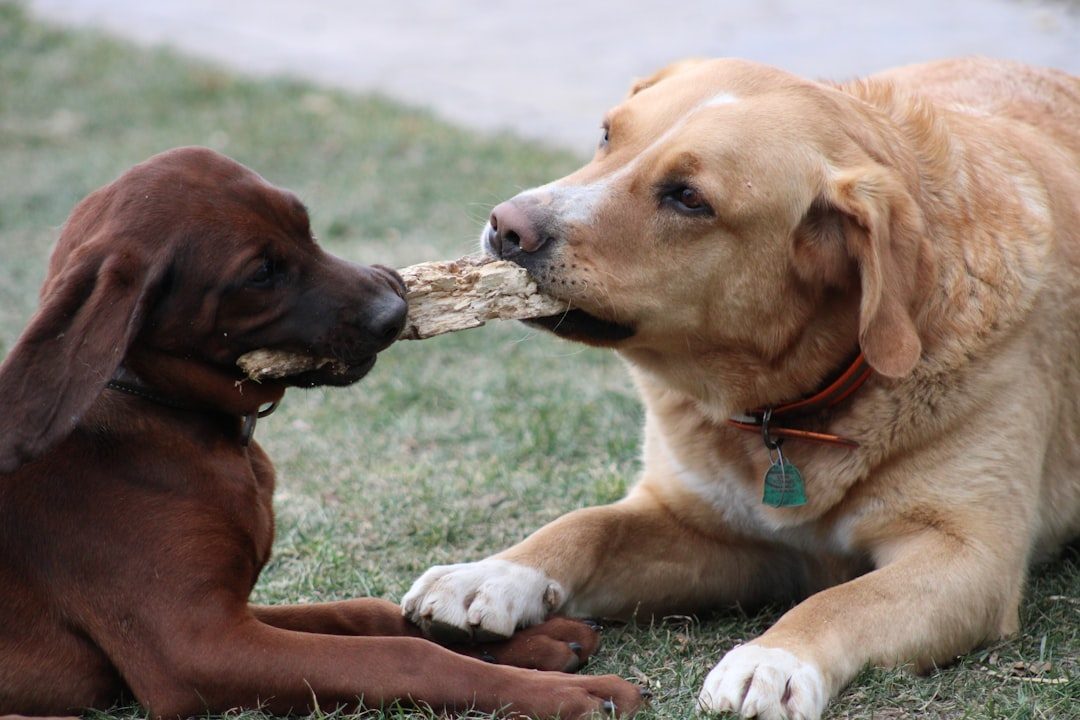
Food, toys, attention from you – these are the things that can turn even the friendliest dogs into competitors. At first, feed your dog the way you always have done and feed the new dog in a different room. Your dog should not have to worry about feeding time, leading to problems feeding the dogs. The new dog has no expectations of your home, so he shouldn’t be upset by whatever feeding spot you choose.
This separate feeding arrangement should continue for several weeks, even if the dogs seem to be getting along well during other activities. Mealtime brings out protective instincts in many dogs, and you don’t want to test those boundaries too early in the relationship.
Make sure there is an environment of plenty. There should be more than one water bowl and more than one comfortable place to lie down. There should be plenty of toys, especially of kinds your dog likes, so that there’s no reason for the dogs to have a conflict over access to them. Think abundance, not scarcity.
If your dog has ever shown possessiveness over specific items, remove those temporarily during the introduction period. It’s much easier to prevent resource guarding than to fix it after a fight has already happened.
When Things Don’t Go According to Plan
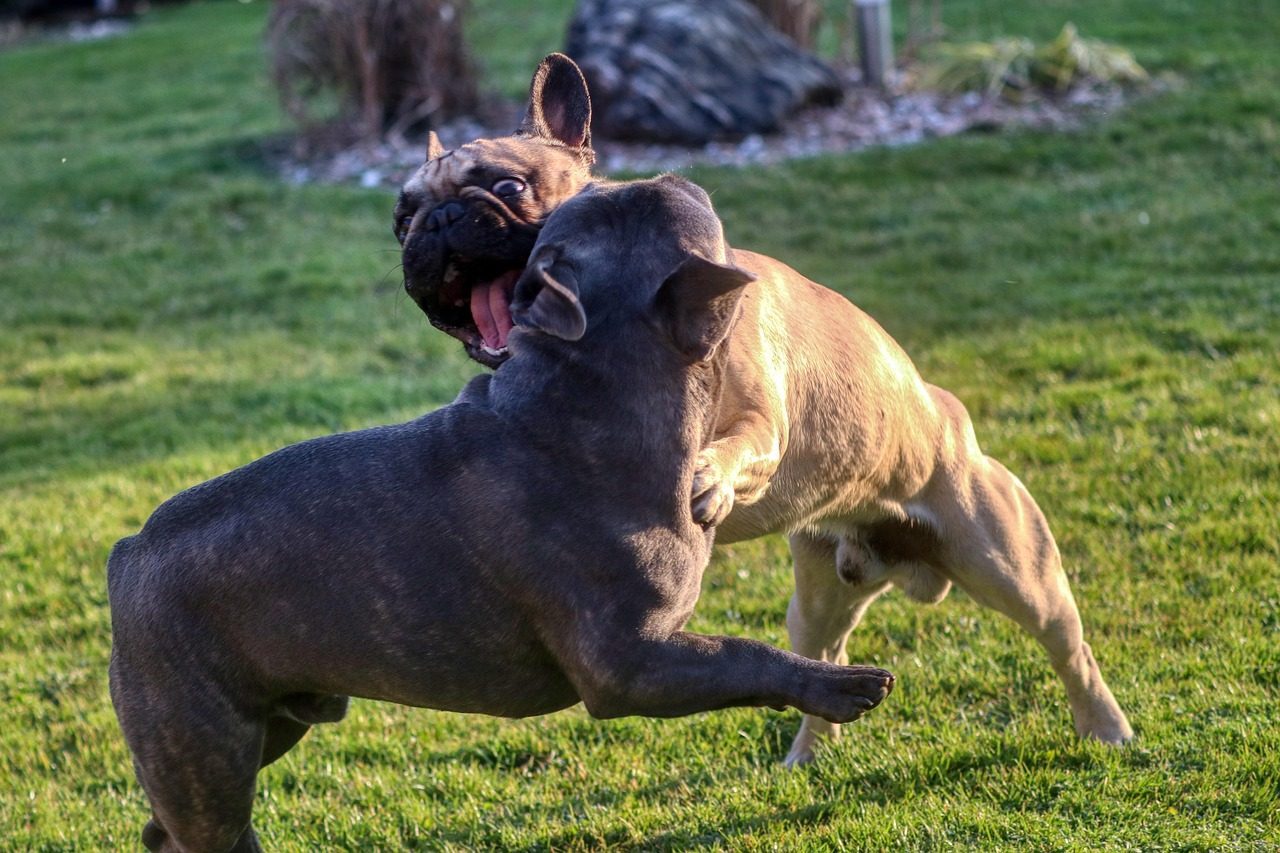
Sometimes, despite your best efforts, the dogs just don’t click immediately. Examples of serious conflicts I include staring that cannot be interrupted, hard stiff muscles and posturing that lasts more than a few seconds, or full-contact fights. Please also monitor for excessive “bullying” behavior from one dogs towards another. If you see these red flags, don’t panic, but do take them seriously.
Completely separate the dogs, for safety. Wait a few weeks before trying another introduction. Don’t let them interact unsupervised. This isn’t a failure; it’s simply your dogs telling you they need more time to adjust.
Consider whether your dogs might need professional help. If you still run into issues, a professional dog trainer or animal behaviorist may be able to help. There’s no shame in calling in reinforcements when the situation is beyond your skill level.
Some dogs, particularly those with reactive histories, might need modified introduction techniques. Good options for reactive dogs may include: A brief leashed introduction, only long enough to allow the dogs to quickly greet and sniff each other for a second or two before being redirected and separated.
Building Long-Term Success
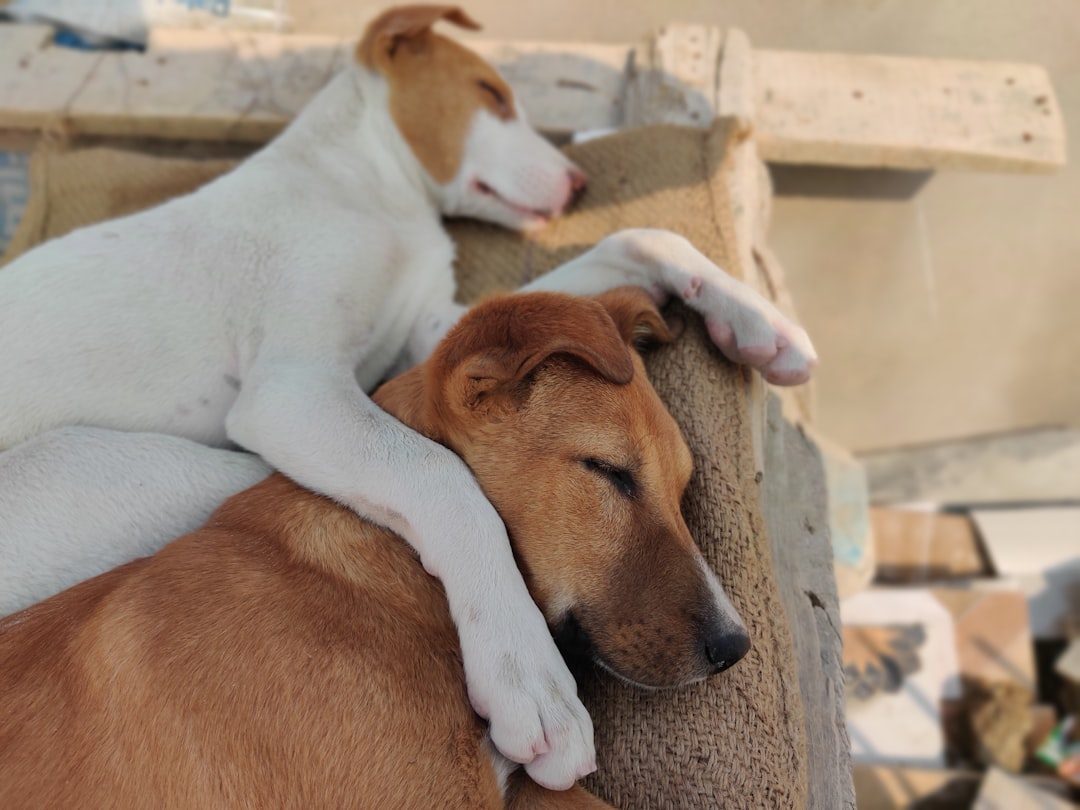
Once your dogs have successfully navigated the initial introduction period, the real work begins. Reinforce positive behavior with lots of treats and pets – treats are a great training tool! Every calm interaction, every moment they choose to rest near each other, every time they play together – these are all opportunities to strengthen their bond.
Establish routines that include both dogs. A great activity is taking both dogs on a walk. Eventually, with an introduction that hasn’t been rushed, the puppy will develop the communication skills they need to succeed, and your dogs will likely be great friends. Shared activities help dogs bond while also giving them positive ways to spend their energy.
Keep realistic expectations about the timeline. Over time, your dogs should learn to tolerate each other, or even become best buddies. Some dogs become inseparable within weeks, while others take months to truly accept each other. What matters most is that they can coexist peacefully and safely in your home.
It’s best to keep the dogs separate for bedtime the first night to allow them to decompress and calm down away from each other. Even dogs who seem to be getting along well can benefit from having their own space to relax without social pressure.
The journey of introducing a new pet to your dog isn’t always smooth, but it’s almost always worth it. The patience you invest in the beginning pays dividends in the form of a harmonious household where both dogs feel secure and loved. Remember, you’re not just introducing two animals; you’re helping to create a family. Some of the strongest dog bonds are formed between animals who took their time to really get to know each other first.
What’s your experience been with introducing new pets to your pack? Have you discovered any techniques that worked particularly well for your furry family members?


