
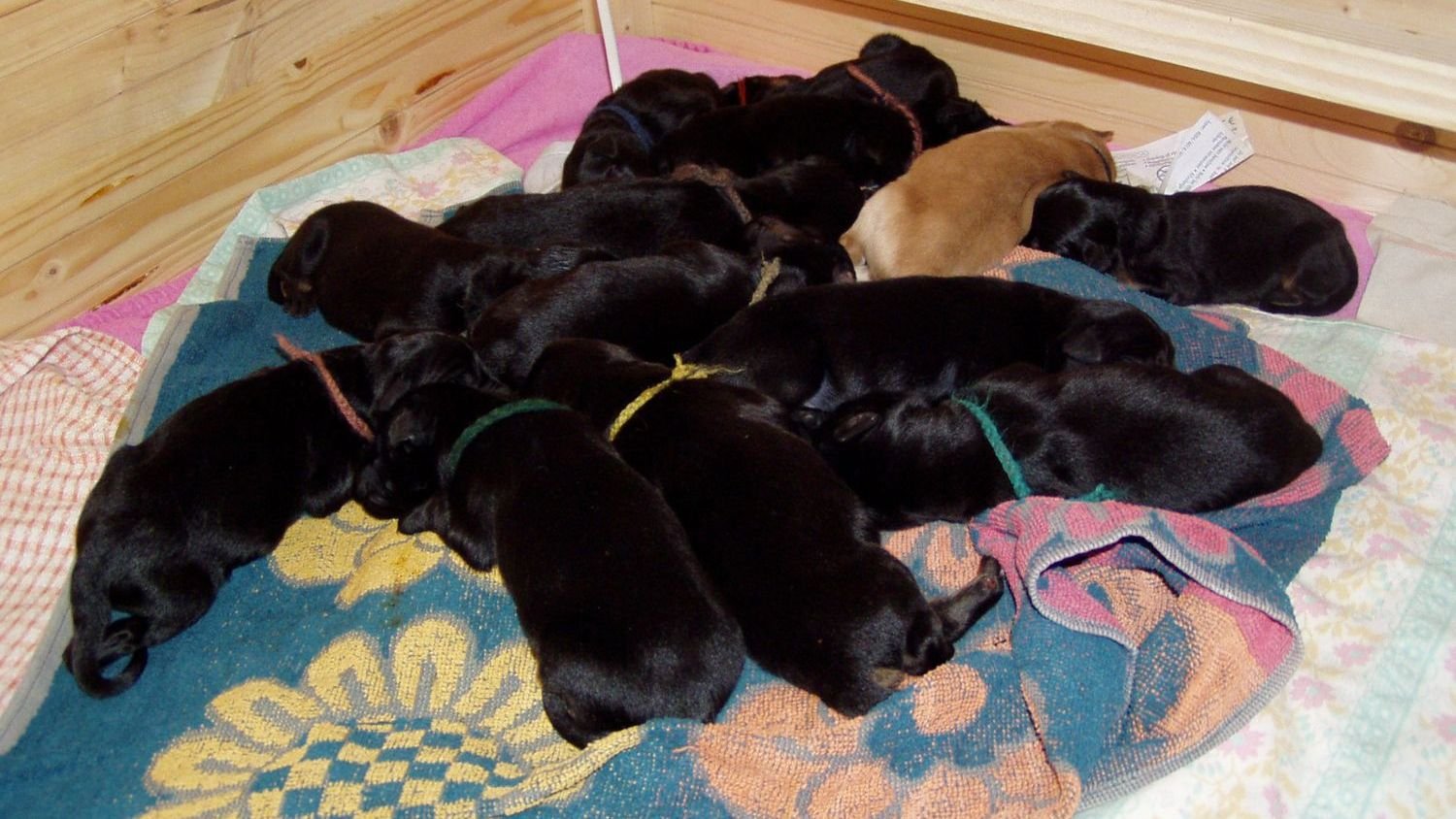
There’s something about a litter of brand new puppies that melts the hardest heart. Their little noses, those tiny paws, the soft squeaks they make as they snuggle against their mama. Yet beneath all that cuteness lies a serious responsibility, especially during the coldest months of the year. Newborn puppies are fragile creatures who can’t generate their own body heat for weeks after birth. Winter adds an extra layer of challenge, turning what should be a joyful experience into a potentially dangerous situation if you’re not prepared. Here’s the thing: keeping these tiny lives safe and warm isn’t complicated, but it does require knowledge, attention, and some practical tools. Let’s dive into what really matters when those temperatures drop.
Understanding Why Newborn Puppies Are So Vulnerable to Cold
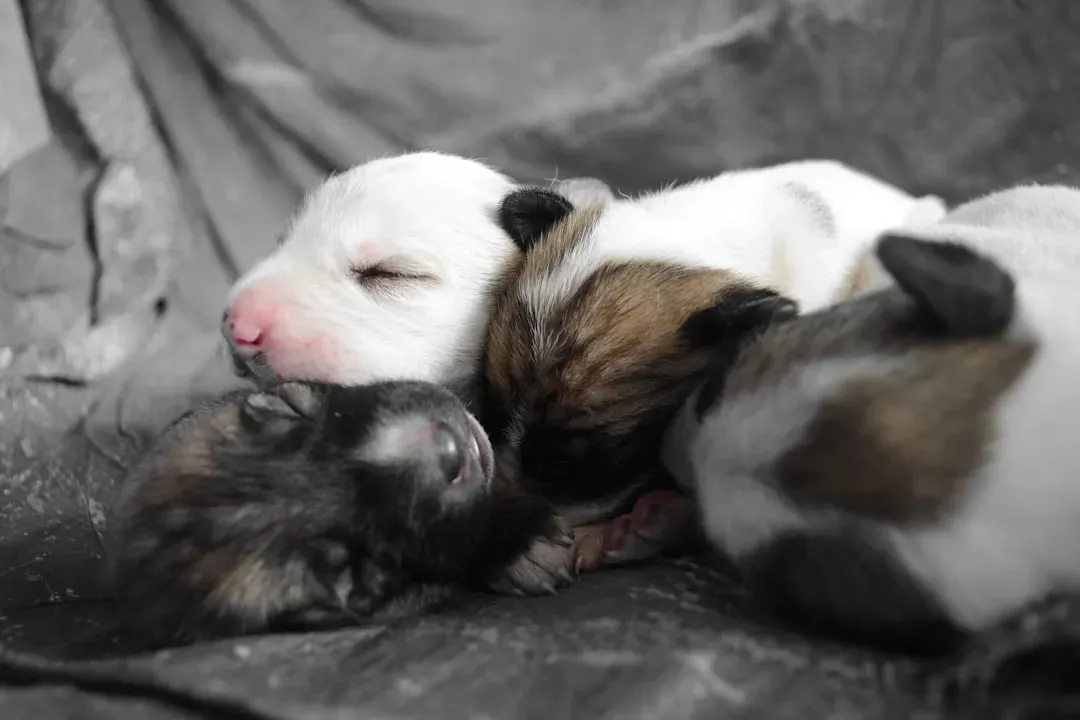
Puppies cannot regulate their body temperature until about 3 to 4 weeks of age, which means they’re completely dependent on external warmth. They can’t even generate their own body heat until they develop the shiver reflex at around two and a half weeks. Think about that for a moment – these little beings are essentially at the mercy of their environment.
At birth, a puppy’s body temperature should fall between 95 and 99 degrees Fahrenheit, which is already lower than an adult dog’s normal range. If it drops below 94 degrees Fahrenheit, your puppy could be facing life-threatening hypothermia. Winter compounds this vulnerability because even well-heated homes have cold spots, drafts from windows, and temperature fluctuations that we might not even notice but can be deadly for these tiny creatures.
The Ideal Temperature Range for Your Whelping Area
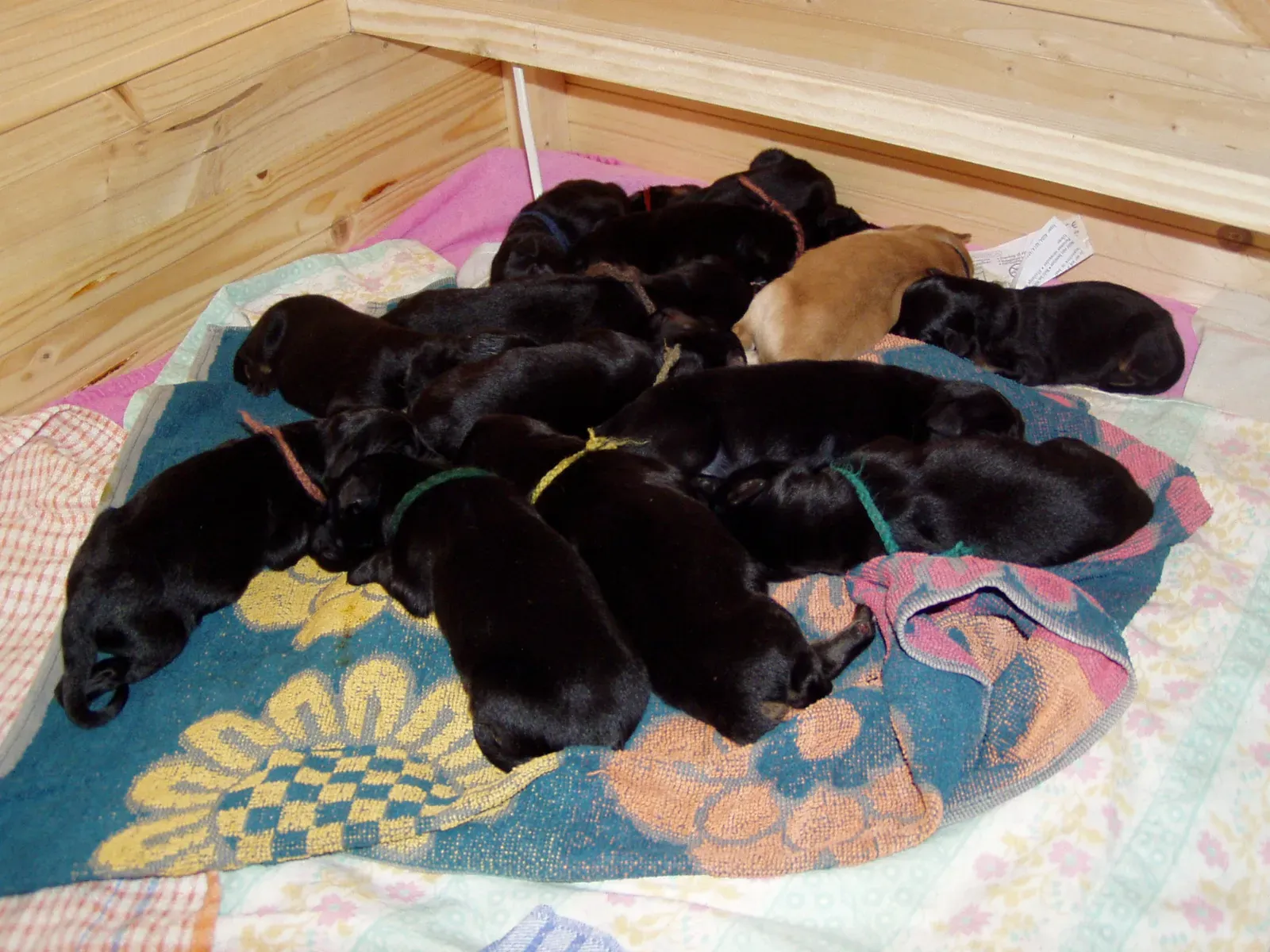
The ambient temperature for newborn puppies should hover around 85 to 90 degrees Fahrenheit during the first week. Yes, that’s warmer than most of us would find comfortable, which is why many breeders and dog owners struggle with this. After that first week, you can reduce the temperature by a few degrees each subsequent week.
By the third week, the temperature can be gradually decreased to about 75 to 80 degrees Fahrenheit as the puppies’ ability to regulate their body temperature slowly improves. I know it sounds tedious, but trust me, those weekly adjustments make a real difference. You’re essentially mimicking the natural progression of their developing thermoregulation abilities.
Winter makes maintaining these temperatures trickier because your home’s heating system might not keep one specific area consistently warm enough. This is where dedicated heat sources become absolutely essential rather than just nice to have.
Choosing the Right Heat Source for Winter Conditions

Position a heating pad half on and half off the whelping box rather than placing it inside, so the puppy can crawl off the heat source should the pad grow too hot. This creates what’s called a temperature gradient, giving puppies the freedom to self-regulate by moving toward or away from the warmth.
It’s recommended to use a heating pad specifically designed for pets, as these pads have safety features and appropriate temperature ranges suitable for animals. Human heating pads often have automatic shutoffs or get dangerously hot. Heat lamps are another option, though they come with their own risks. Heat lamps can be dehydrating and hard to regulate, and puppies have no way to escape if they get too hot.
Here’s a practical tip that’s saved many a puppy in an emergency: You can fill a heavy sock with half a cup of uncooked rice, heat it in the microwave for 60 seconds, and it should stay warm for three hours. Not ideal for long-term use, but brilliant when you need something quickly.
Recognizing the Warning Signs of a Cold Puppy
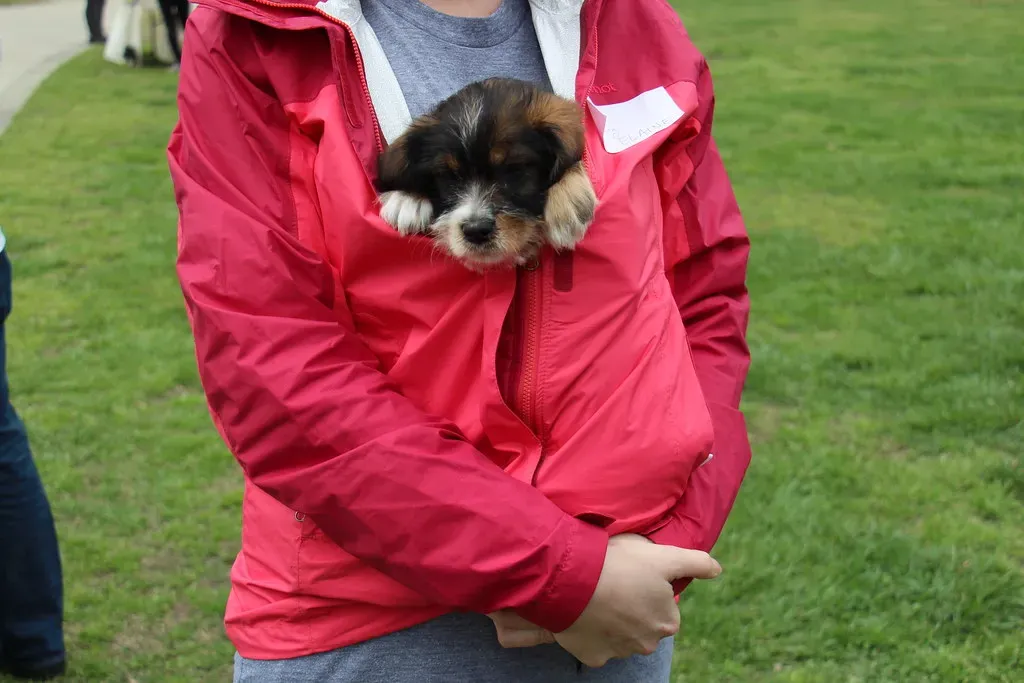
Watching puppy behavior tells you almost everything you need to know about temperature. If puppies huddle close to each other under the heat source, it may mean they’re too cold and are trying to use the group’s body heat to stay warm. Cold puppies will cry and they’ll collect in a pile to help keep each other warm.
Signs of hypothermia in puppies may include unusual lethargy, a weak pulse, and shallow breathing. Symptoms of cold stress include shivering, lethargy, and refusal to nurse. That last one is particularly concerning because nursing provides both nutrition and warmth.
Let’s be real – a quiet puppy isn’t necessarily a content puppy. Sometimes it’s a puppy whose body is shutting down. A chilled puppy is unable to eat and digest food, and the mother often rejects it, which can lead to death. I mention this not to frighten you but because understanding the stakes helps you stay vigilant.
Setting Up a Safe Whelping Box for Cold Weather
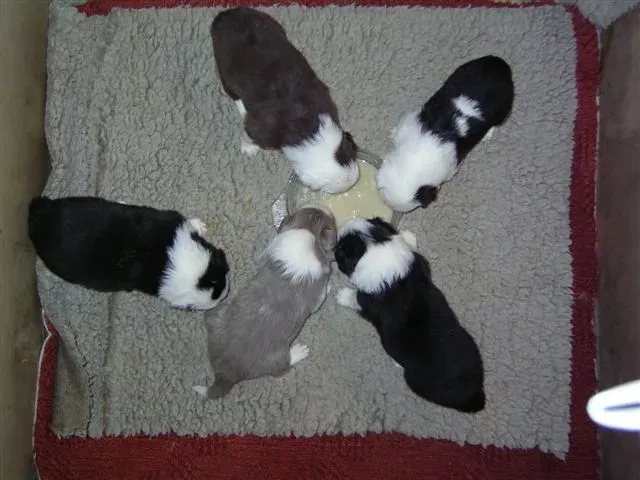
Place clean towels or puppy pads in a cardboard box positioned well away from drafts like air conditioning vents, windows, and doors. Location matters more than you might think. That cozy corner near the window? Terrible idea in winter. The basement that stays naturally cool? Also problematic.
Use a whelping box placed in a draft-free area and equip the box with a safe heating pad specifically designed for pets, covering the pad with soft bedding to prevent direct contact with the heat source. Multiple layers between the heat source and the puppies prevent burns while still providing warmth.
It’s a good idea to check the temperature in the whelping box several times a day, particularly when using a heat source that doesn’t have a built-in thermostat. Get yourself a reliable thermometer and make temperature checks part of your routine, right alongside feeding times and health observations.
What to Do If a Puppy Becomes Hypothermic
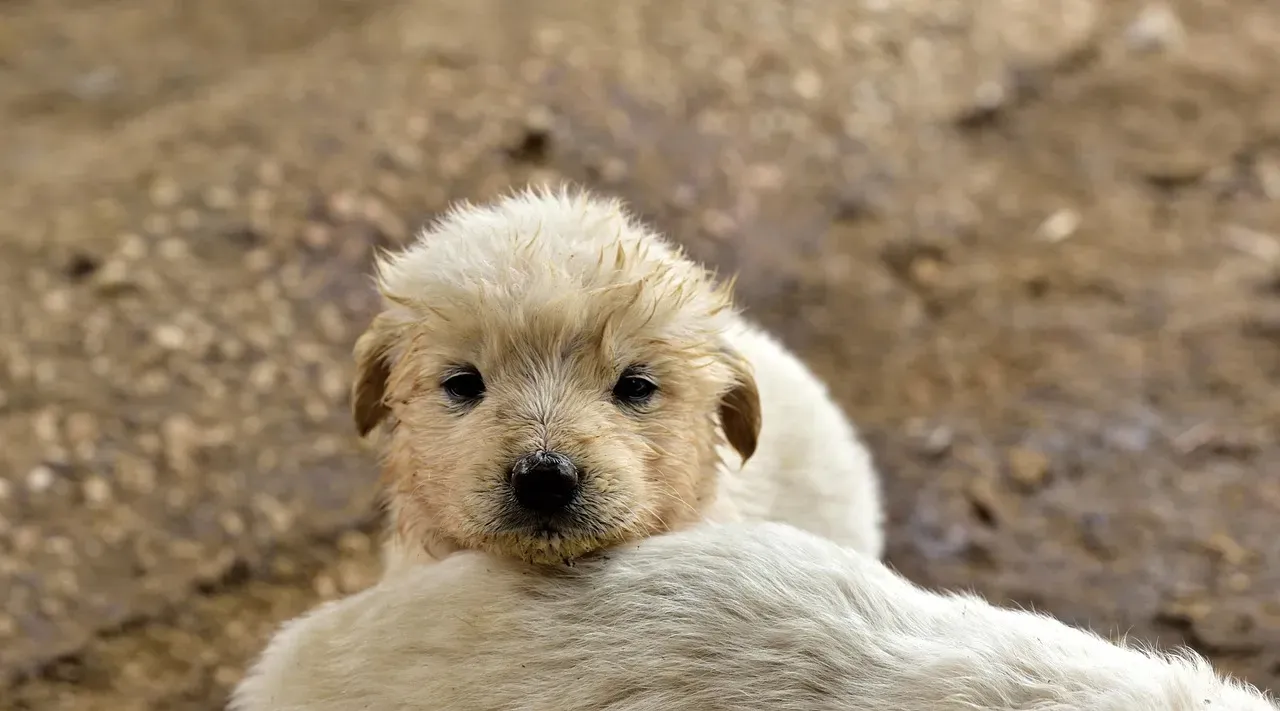
Warmth is far more critical than food when dealing with a cold puppy. The safest way to warm a newborn puppy is old school – using your own body heat. Tuck that puppy against your skin, under your shirt if necessary. Your body provides gentle, consistent warmth without the risk of burns or overheating.
Immediately provide warmth using blankets or a warm (not hot) water bottle wrapped in a towel. Notice the emphasis on warm, not hot. Seek veterinary assistance promptly to assess the puppy’s condition and receive further treatment. Hypothermia can cause internal damage that isn’t immediately visible, so professional evaluation is crucial even if the puppy seems to recover.
Time is everything in these situations. The longer a puppy stays cold, the harder it becomes to bring them back safely. I’ve heard too many heartbreaking stories from people who waited, hoping the puppy would warm up on their own.
Keeping Puppies Warm Throughout the Day and Night
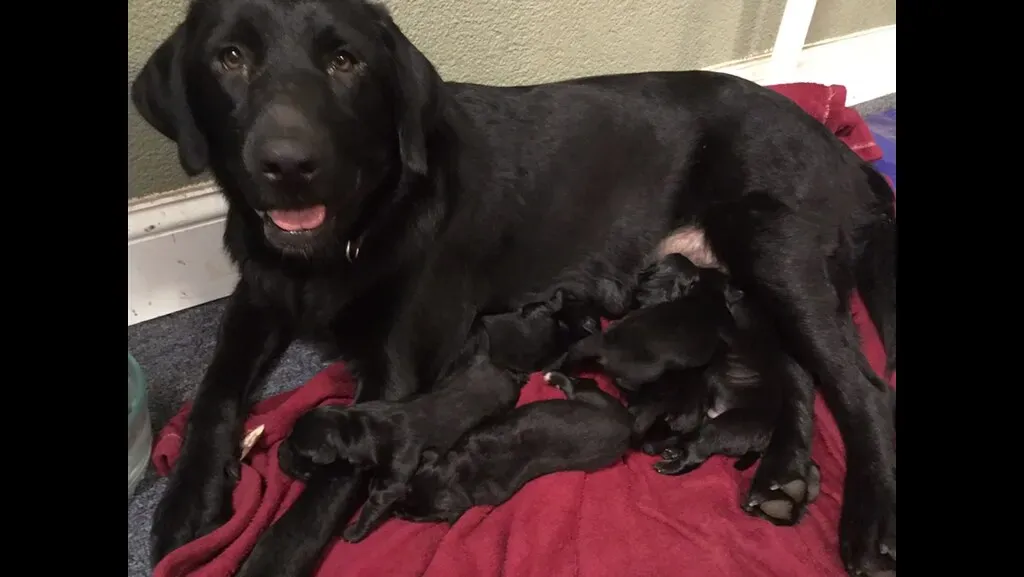
Winter nights pose the biggest challenge because temperatures drop and you’re likely asleep. Puppies generally need a heat source in the whelping box for the first three to four weeks of their lives, after which they can better regulate their body temperature. That means round-the-clock warmth is non-negotiable during that critical period.
Pay attention to your puppies’ behavior as it can actually provide clues as to whether they’re too hot or too cold. If the puppies are scattered in different areas of the box, it could mean they’re too hot. If a puppy is open-mouth panting, the box is too warm. Finding that sweet spot takes observation and adjustment.
Set alarms if you need to. Check on the litter every few hours during the night, especially during the first week. Yes, it’s exhausting. Yes, you’ll lose sleep. That’s the reality of caring for newborn puppies in winter, and honestly, it’s better to be over-cautious than to wake up to a tragedy.
The truth is, keeping demands more than just cranking up the thermostat. It requires understanding their unique vulnerabilities, providing appropriate heat sources, monitoring their behavior constantly, and being ready to act when something seems off. These tiny lives depend entirely on your vigilance and care during their first fragile weeks. The good news? With proper preparation and attention, you can absolutely keep them safe and thriving, even when snow is piling up outside. What strategies have worked best for you in keeping puppies warm during cold weather? Share your experiences in the comments below.


