

Picture this: you walk through your front door after a long day at work, keys jingling with anticipation of seeing your new furry friend. Instead of wagging tails and happy greetings, you’re met with a scene that looks like a tornado hit your living room. Your couch cushions are scattered like confetti, your favorite pair of sneakers have become unrecognizable chew toys, and somehow your dog managed to turn your toilet paper roll into modern art across the hallway.
Take a deep breath. You’re not alone in this chaotic journey, and believe it or not, there’s light at the end of this destructive tunnel. Every dog parent has stood exactly where you’re standing right now, wondering if they made a terrible mistake or if their sweet pup has secretly transformed into a furry hurricane. The truth is, destructive behavior is one of the most common challenges new dog owners face, yet it’s also one of the most solvable problems with the right approach and mindset.
Understanding Why Dogs Turn Into Tiny Tornadoes

Dogs do not participate in destructive activities out of spite or revenge. This might be the hardest pill to swallow when you’re staring at your demolished living room, but it’s absolutely true. Your dog isn’t plotting against you or trying to get back at you for leaving them alone. Dogs often behave destructively to relieve anxiety or as an outlet for excess energy.
Think of destructive behavior as your dog’s way of communicating with you. They might be saying “I’m bored out of my mind,” “I’m scared when you leave,” or “These new teeth are killing me!” While people may exercise, chew on their nails or have a drink to relieve tension, dogs tend to chew, lick excessively, pace or house-soil when anxious.
The most common culprits behind destructive behavior include separation anxiety, teething pain in puppies, lack of mental stimulation, insufficient exercise, and even medical issues. This is one of the most common causes of destructive behavior in dogs, particularly in those obtained from shelters or found as strays. Dogs with separation anxiety tend to display behaviors which reflect a strong attachment to their owners – following owners from room to room, displaying almost frantic greeting behaviors, and reacting to owners’ preparation to leaving the house.
The First Five Minutes After Discovery

Here’s where most dog parents make their biggest mistake. You walk in, see the destruction, and immediately start yelling or scolding your dog. Stop right there. Most importantly, if you find something that your puppy has destroyed but you did not catch him in the act, just clean it up and vow to supervise your puppy better in the future.
Instead, try this approach: close your eyes, count to ten, and take three deep breaths. Your dog can read your body language like a book, and they already know you’re upset even before you’ve seen the damage. When you come home to a dog-trashed house and your dog grovels at your feet, the most likely explanation is that she can see by your body language that you’re upset, and offers deference signals – ears back, submissive grin, crawling on the floor, rolling on her back – in an attempt to divert your wrath away from her.
Your first move should actually be to take your dog outside for a quick walk or potty break. This gives both of you time to decompress and helps redirect their energy in a positive way. Before you get on with collecting the rubbish, cleaning the carpet and winding the toilet paper back up, you’re best off first of all grabbing your dog and taking it out for a walk or run. This relaxes both you and your dog, as it will probably also be quite agitated after so much destructive rage.
Becoming a Canine Detective
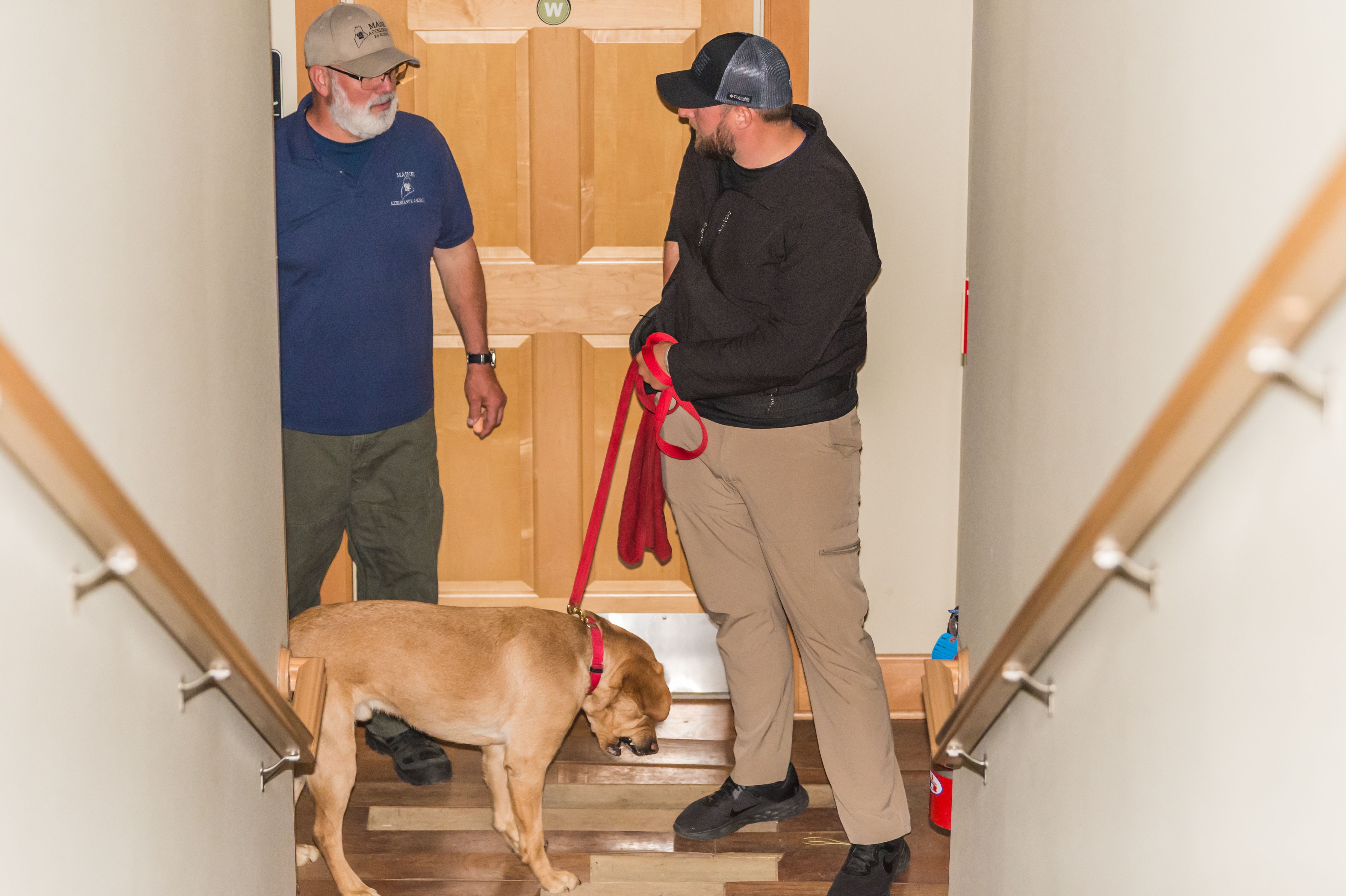
Once you’ve calmed down, it’s time to put on your detective hat. To address this behavior, you’ll need to become a behavior detective and observe your dog closely. Try to find out how they destroy things, what they destroy, and when they do it so you can make a plan to prevent future incidents.
Start paying attention to patterns. Does the destruction happen only when you’re gone, or does it occur while you’re home but distracted? Are they targeting specific items like shoes or furniture, or is it random? Destructive behavior typically happens when a dog is left alone, especially when the cause is boredom or separation anxiety. External stressors, such as visitors to the home or loud noises like fireworks or alarms, can also trigger a destructive episode.
Keep a simple log for a week noting what was destroyed, when it happened, and what was going on in your household at the time. Was there a change in routine? Did you leave for longer than usual? These details will help you identify triggers and create a prevention strategy.
The Power of Prevention
Here’s a truth that might sting: most destructive behavior can be prevented with proper management. The most important thing that you can do to avoid undesirable behavior is to supervise your puppy. Unsupervised puppies will chew and destroy objects as part of their natural curiosity and play.
Dog-proofing your home is like baby-proofing for toddlers. As a dog owner, you need to make your space safe for the dog. Don’t throw your socks on the floor or leave valuable property around. Put your shoes in the right spots and small items away. This doesn’t mean living in a sterile environment, but it does mean being strategic about what you leave accessible.
Create a designated “safe zone” for your dog when you can’t supervise them. Setting up a ‘puppy zone’ or safe space for your dog to spend their time when you can’t supervise them prevents them for having access to things in your house that they could destroy when you aren’t looking, and it also prevents bad habits from forming. This might be a small room with a pet gate or a puppy exercise pen.
Meeting Their Physical and Mental Needs
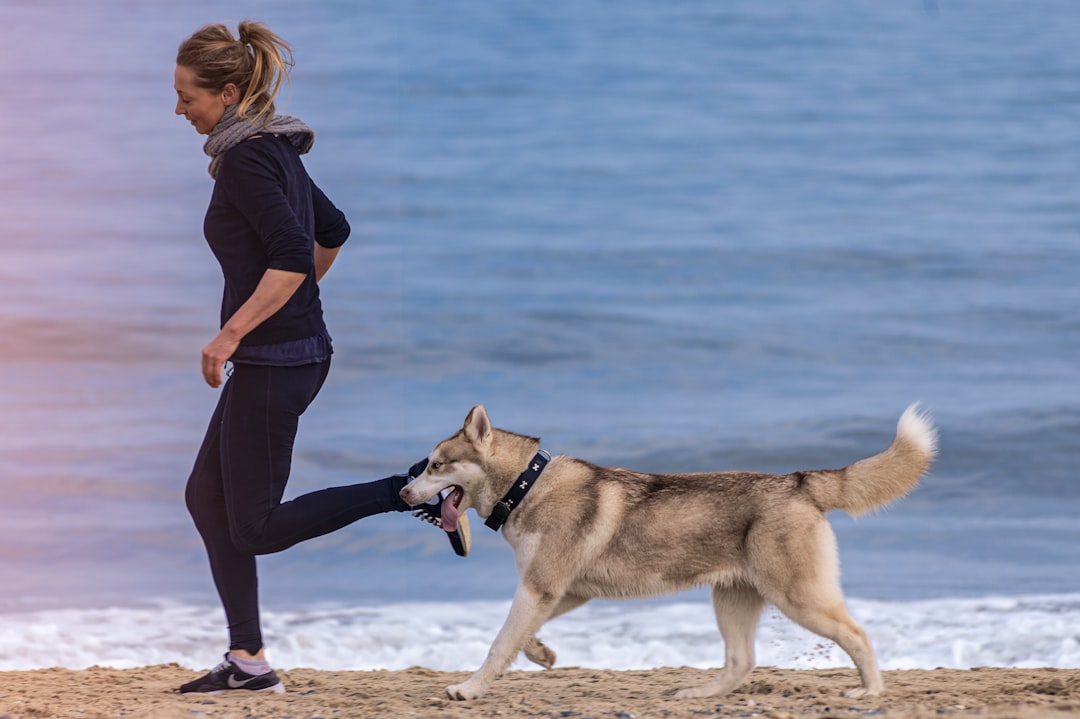
A tired dog is a good dog. If you’re gone 12 hours a day, and your dog’s walk consists of a quick dash into the backyard, your dog might not be getting enough exercise. Think of exercise as your dog’s natural antidepressant and anxiety medication rolled into one.
Different breeds have different exercise requirements, but most dogs need at least 30 minutes to an hour of physical activity daily. A common cause of destructive chewing and digging can be cured with a simple walk. If you dog isn’t getting adequate exercise during the day, boredom can manifest itself through shredded cushions, carpets, or other destructive behaviors. Try to get your dog out at least 30 minutes a day, if not twice a day, depending on the breed and energy level of your dog.
Mental stimulation is equally important as physical exercise. Even if you are exercising your dog’s body, you also need to stimulate his brain to reduce boredom. Try daily training sessions, but keep them short; maybe 5 minutes at a time, 2 or 3 times per day. Food puzzle toys, sniff games, and basic training sessions can tire out your dog’s brain just as much as a long walk tires out their body.
Training and Redirection Techniques
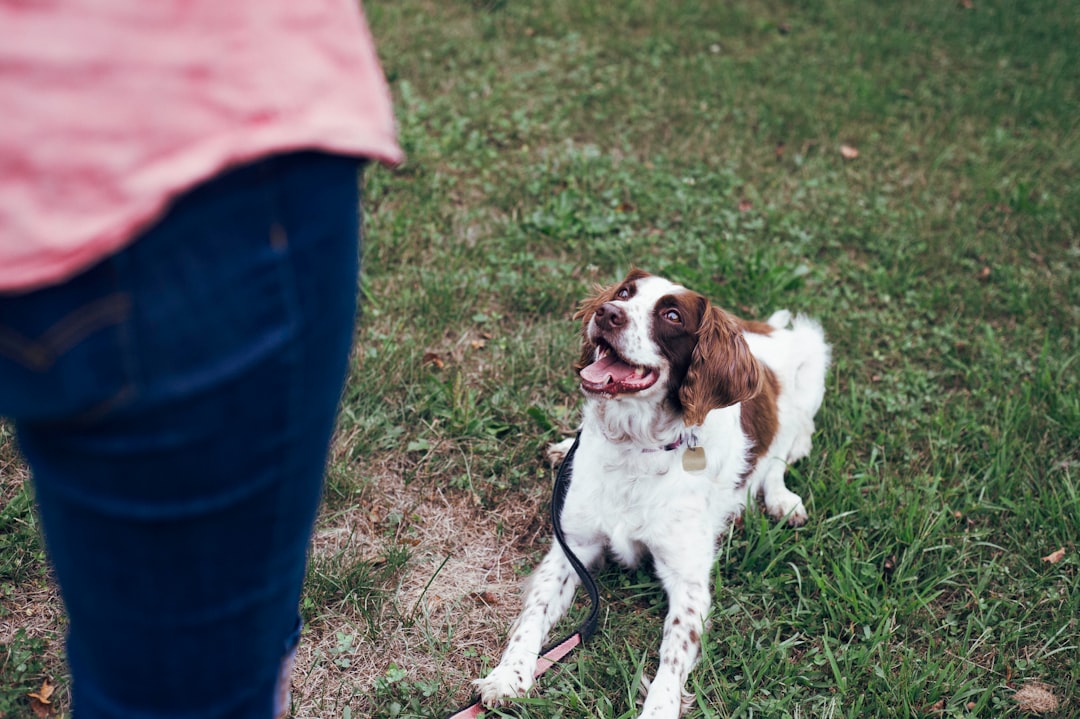
When you catch your dog in the act of destroying something, resist the urge to yell. Instead, interrupt the behavior calmly and redirect them to an appropriate activity. When you do find them chewing on an inappropriate object, correct them and then divert their attention to the object that you have chosen as appropriate for chew time. This object can be a durable rubber bone or a heavy-duty toy that cannot be shredded.
Teaching basic commands like “leave it,” “drop it,” and “go to your place” can be lifesavers. For example, whenever your dog starts biting and chewing items they shouldn’t or digging, you can practice commands like “leave it,” “drop it,” and “go to your spot” and reward them with treats when they execute it correctly. This will help your dog master commands that you can use to prevent him from damaging property.
Remember that consistency is key. Everyone in your household needs to follow the same rules and use the same commands. Avoid punishment as a way to stop your dog’s behavior. Punishing only worsens destructive behavior, and can escalate a situation with a dog who is already looking for an outlet to deal with frustration or anxiety.
The journey from destructive tornado to well-behaved companion isn’t always smooth, but it’s absolutely achievable. Remember that your new dog is still learning the rules of your household, and patience combined with consistency will get you there. Some dogs figure it out in weeks, while others might take several months. The key is staying calm, being proactive rather than reactive, and celebrating small victories along the way.
Every chewed shoe and shredded cushion is a learning opportunity, not just for your dog, but for you too. You’re building a relationship based on trust and understanding, and that takes time. Before you know it, you’ll be looking back at these chaotic early days with fond memories, proud of how far you’ve both come together.
What challenges are you facing with your new furry friend? Share your stories with fellow dog parents who understand exactly what you’re going through.


