
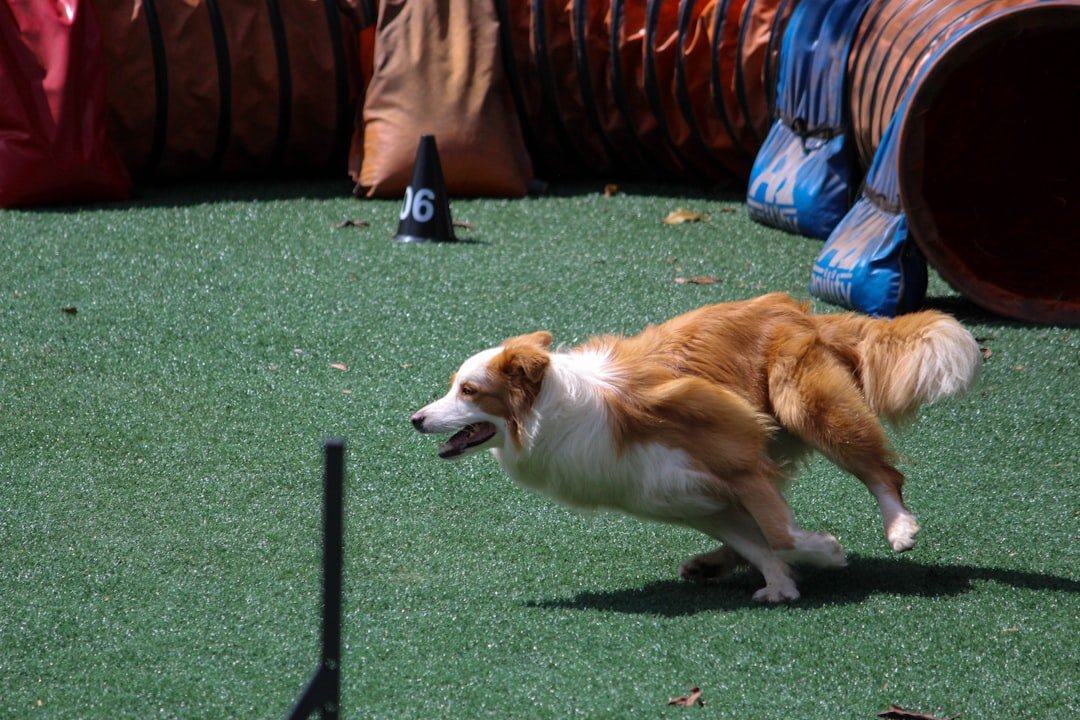
Picture this: you’re getting ready for work, and those familiar puppy dog eyes are following your every move. The guilt starts creeping in as you grab your keys, knowing your beloved companion will be spending the next eight hours alone. If you’ve ever felt your heart tug watching your dog settle into their bed with a resigned sigh, you’re definitely not alone in this struggle.
Being a dog parent means making tough choices, and leaving our furry friends home alone is often unavoidable. But here’s the thing – with the right strategies and mindset, you can transform those lonely hours into enriching, enjoyable time that actually benefits your dog’s well-being. Let’s explore how to turn potential anxiety into opportunity.
Understanding Your Dog’s Alone-Time Needs
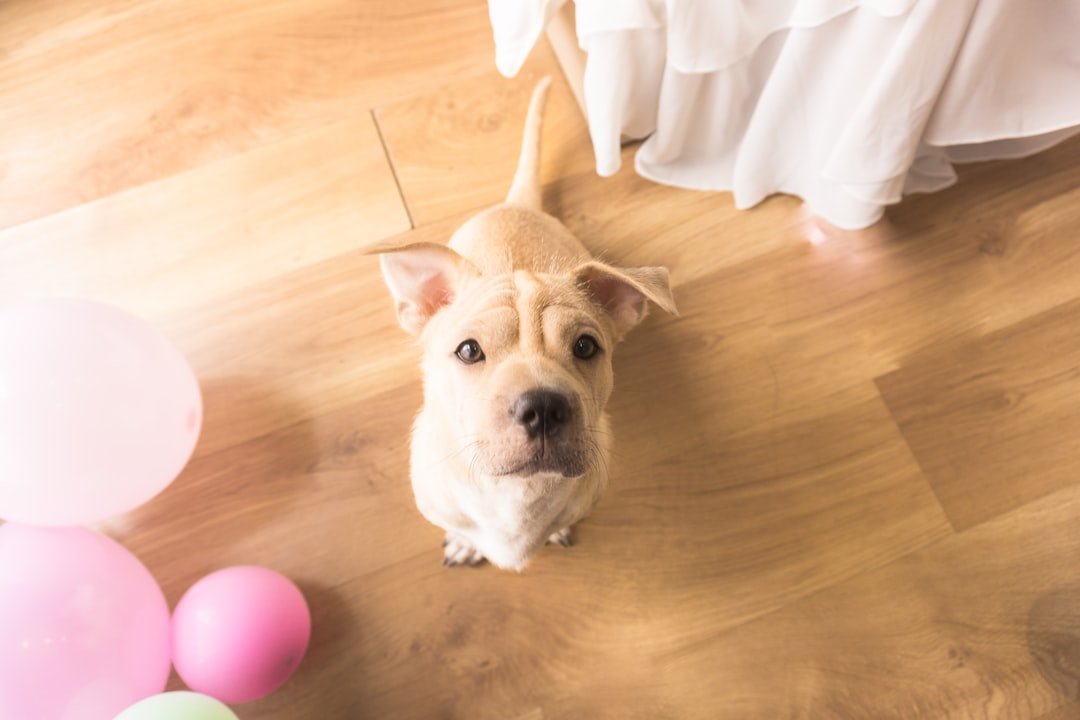
Every dog processes solitude differently, and understanding your pup’s unique personality is the first step toward success. Some race around the house like they’ve had three cups of coffee. Others nap like it’s a competitive sport. Your high-energy Border Collie will have vastly different needs than your laid-back Bulldog.
Dogs are naturally social creatures, but contrary to popular belief, most can learn to enjoy their alone time when we set them up for success. Most dogs calm down within 30 minutes to 2 hours after separation, though this can vary significantly. The key is recognizing that boredom and anxiety often manifest as destructive behavior – not because they’re angry at you for leaving, but because they need an outlet for their energy and emotions.
Creating the Perfect Safe Haven
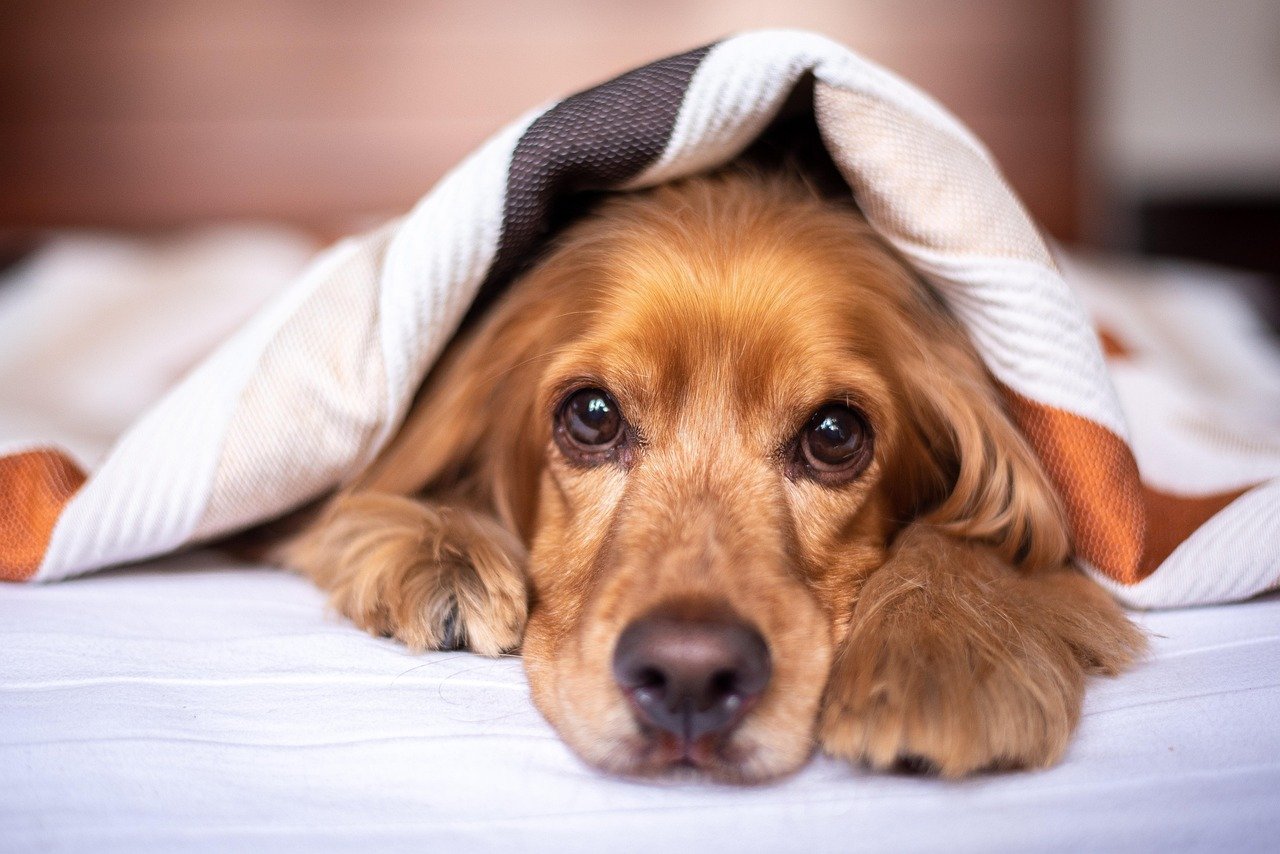
Dogs also thrive on routine, so having a designated area in your home where they repeatedly go to settle can help energetic dogs learn how to self-regulate. It can also provide a sense of familiarity and comfort when they’re home alone or with a pet sitter. Think of this space as your dog’s personal retreat – somewhere they genuinely want to spend time, not just where you’ve decided to confine them.
Instead of choosing a location that’s most convenient for me, I prefer to begin by identifying the dog’s favorite spots. Where does she feel most comfortable? Where does she like to hang out and nap? Maybe it’s that sunny corner by the window where they love people-watching, or perhaps it’s the cozy spot near your bedroom door where they can still catch your scent.
Mental Stimulation Games That Work Wonders
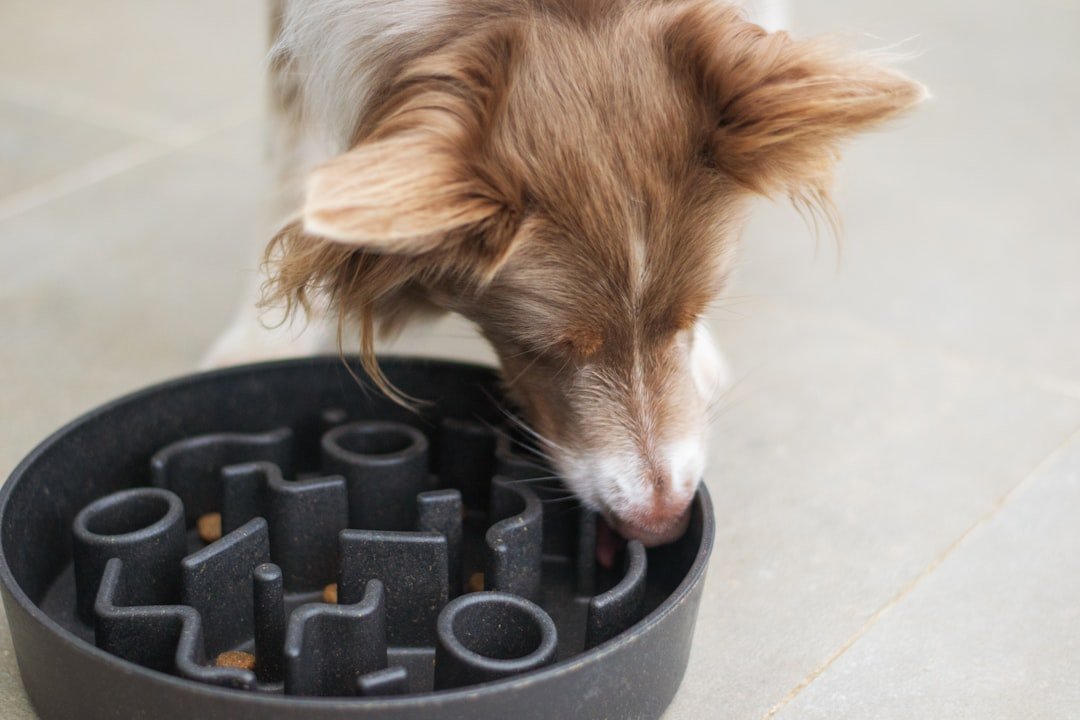
Calming dog toys offer maximum distraction power that encourages a soothing behavior, like foraging or licking. They’re also a great part of a larger anxiety toolkit to help ease your pup back into a routine, promote mental stimulation, and minimize separation anxiety. Puzzle toys aren’t just entertainment – they’re brain workouts that tire dogs out more effectively than physical exercise alone.
Consider rotating between different types of challenges. Snuffle mats keep dogs busy by combining problem-solving and scent exploration. A snuffle mat is a type of puzzle toy that hides food inside layers of fabric or crevices. You can also create DIY challenges using household items – hide treats in a muffin tin covered with tennis balls, or scatter kibble in towels for them to root through.
Food-Based Entertainment Solutions
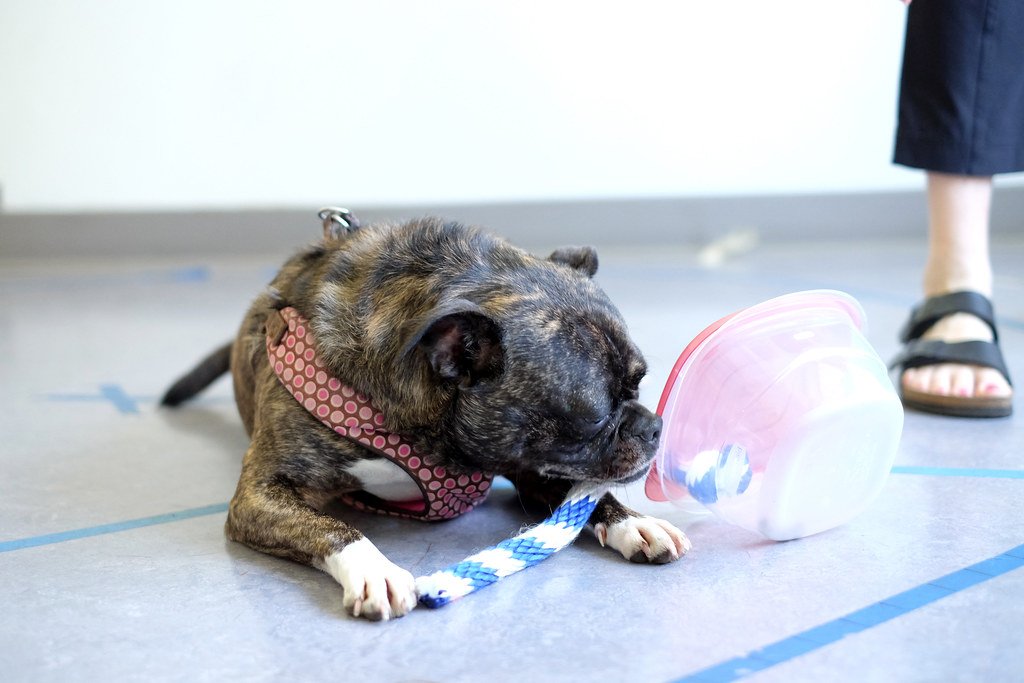
Food puzzles are absolute game-changers for alone time. A KONG provides stimulation for hours and is easy for dog parents to arrange. This rubber toy has a simple concept. All you need to do is fill the hole in the center of the toy with peanut butter or another tasty treat, and your dog can spend hours chewing on the toy and getting at the treat inside. Pro tip: freeze these toys overnight to extend the entertainment value significantly.
Don’t limit yourself to store-bought options. All you have to do is to leave treats around your home. Make sure that you hide enough treats to keep your dog entertained throughout the day. This simple scavenger hunt taps into their natural foraging instincts and keeps them moving throughout the house rather than fixating on your absence.
Establishing Departure and Arrival Routines
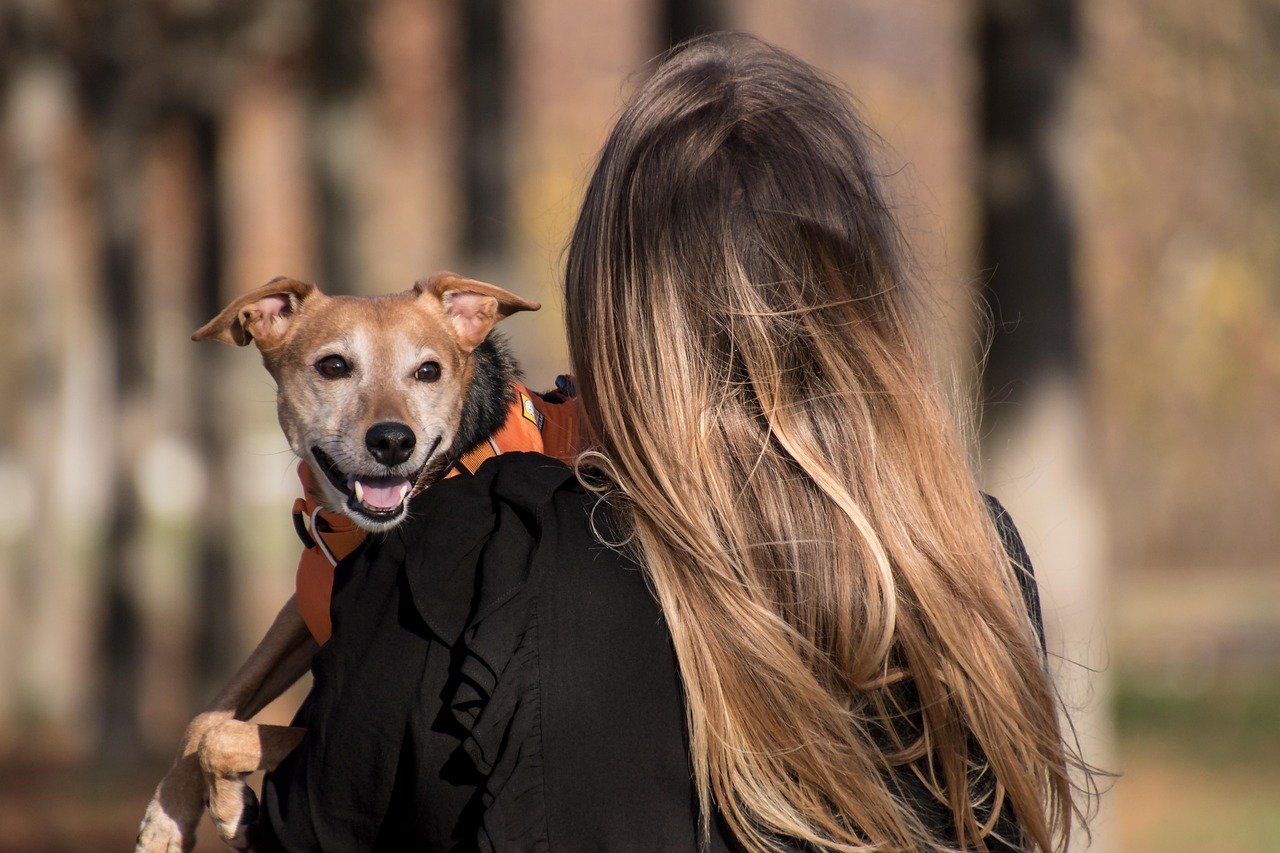
Don’t make a huge fuss about leaving. Dogs who get anxious when you leave will key into any anxiety you’re feeling about leaving them alone. Keep your energy relaxed to encourage your dog to stay relaxed as well. Your energy sets the tone for how they’ll process your departure.
Create predictable rituals that signal it’s alone time in a positive way. When I leave home and my dogs are staying behind, I do tell them goodbye, scatter some kibble for them, and always say “Be good, I’ll be back” as I leave. This consistency helps them understand what’s happening and what to expect, reducing uncertainty and anxiety.
Exercise: The Foundation of Contentment
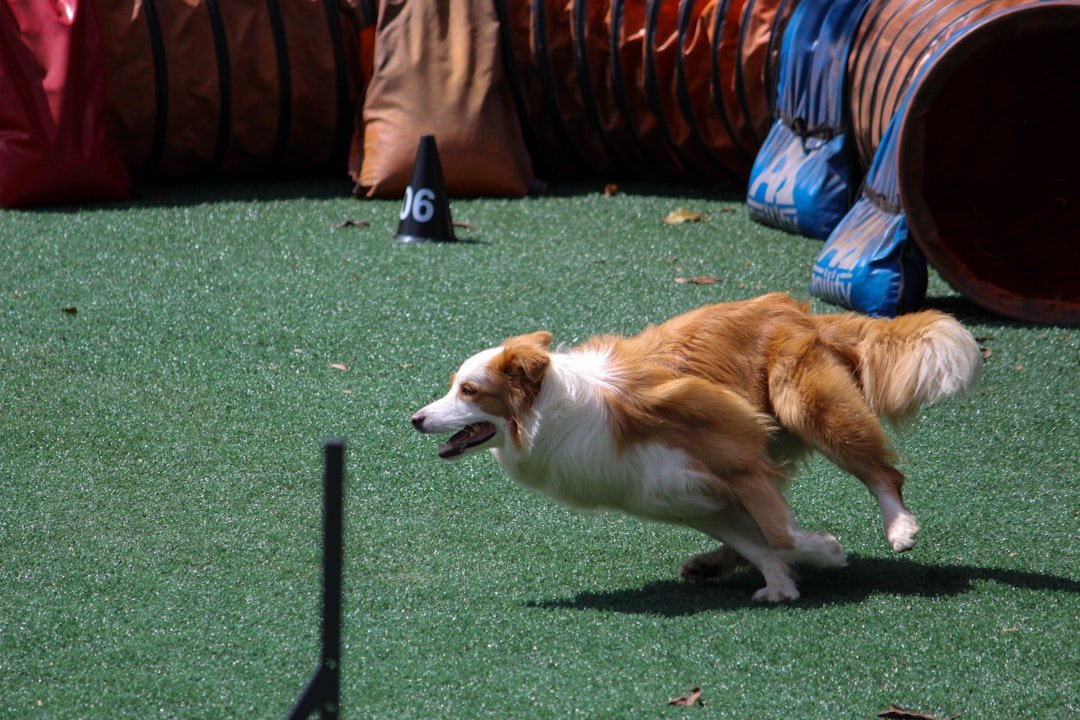
A tired dog is a good dog, and one of the best ways to help reduce the risk of separation anxiety or boredom when you leave your dog home alone is to tire her out first. Take a brisk walk or play a game of fetch before you go. But remember – we’re not just talking about physical exhaustion here.
Mental enrichment is just as important for your pup, and working their brain helps to tire them out just like going for a long walk. If they’ve gotten enough physical and mental exercise, when you leave them home alone they’ll be more likely to sleep! A twenty-minute training session can be just as tiring as a lengthy walk, and it strengthens your bond too.
Environmental Enrichment and Comfort Measures
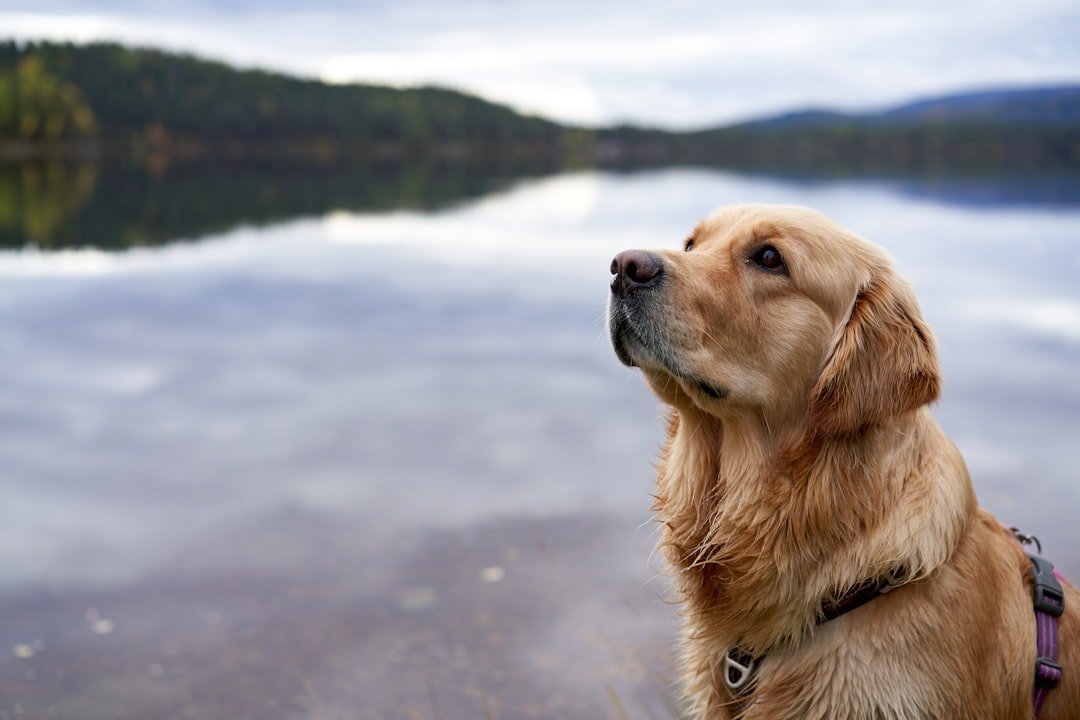
The atmosphere you create can significantly impact your dog’s comfort level. Music can help keep dogs calm, according to a study by researchers at Colorado State University. The researchers discovered music helped soothe shelter dogs. But understand that the type of music is vital. Loud, heavy metal music increased anxiety, while classical music was soothing and lulled the dogs to sleep.
Use soft textures, calming sprays, and white noise to build a comfortable corner. Especially helpful for dogs with separation anxiety. Consider leaving a recently worn shirt in their space – your scent provides comfort and reassurance. Some dogs also benefit from having access to a window where they can observe outdoor activities, as this provides natural entertainment and helps them feel connected to the world around them.
Conclusion
Transforming your dog’s alone time from endurance to enjoyment isn’t about perfection – it’s about understanding, preparation, and consistency. Every small step you take to enrich their environment and address their individual needs makes a meaningful difference in their quality of life.
Remember that adjusting to alone time is a process for both of you. Some days will be better than others, and that’s completely normal. The goal isn’t to eliminate all signs of missing you – after all, that bond is precious – but rather to ensure they feel secure, stimulated, and content in your absence.
What surprised you most about these strategies for keeping your dog happy when you’re away?


