
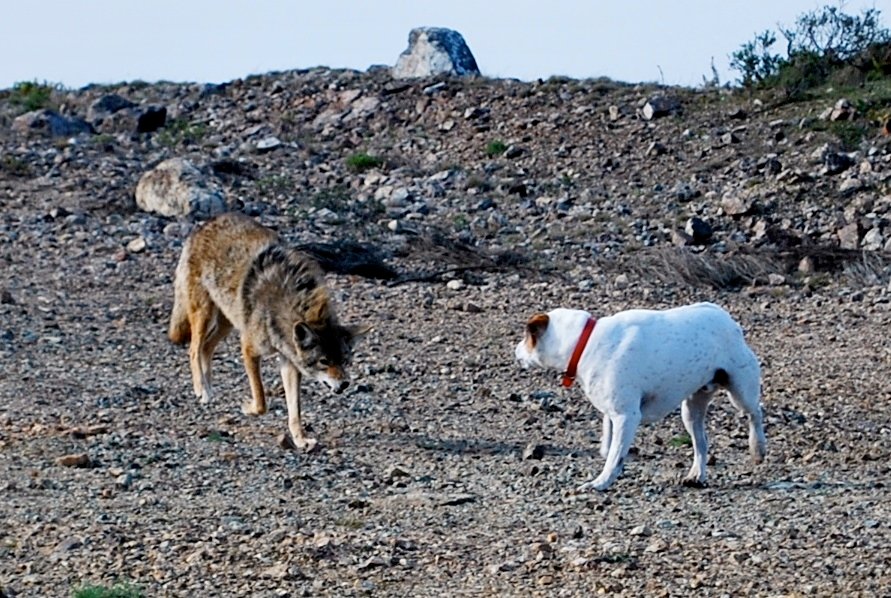
California’s stunning landscapes come with an unexpected challenge that many dog owners are just beginning to understand. The California Department of Fish and Wildlife estimates 250,000 to 750,000 coyotes live in the state, and they’re not staying in remote wilderness areas anymore. Coyote sightings are common in Los Angeles County and other areas of Southern California, including urban neighborhoods that are not near mountains and wilderness areas. What makes this situation even more concerning is that attacks are uncommon and rarely cause serious injuries, but have been increasing in frequency, especially in California.
The reality is jarring – your morning coffee run or evening stroll could put your furry companion at risk. But before you lock your dog inside forever, there’s good news. With the right knowledge and preparation, you can significantly reduce the chances of a dangerous encounter.
Understanding California’s Growing Coyote Problem

The numbers tell a sobering story that every California dog owner needs to hear. Forty-eight attacks on children and adults were verified from 1998 through 2003, compared to 41 attacks during the period 1988 through 1997; most incidents occurred in Southern California near the suburban-wildland interface. But here’s what’s really eye-opening – this isn’t just about remote areas anymore.
With their habitats and food sources shrinking, coyotes are venturing closer to our neighborhoods, homes, and dogs than we’d like. Urban areas are appealing to coyotes because they provide ample sources of food and water. Coyotes in urban areas are accustomed to human activity and often have little fear of humans. Think about your neighborhood – dropped fruit from trees, pet food left outside, accessible garbage cans, and even that outdoor water dish create an irresistible buffet for these adaptable predators.
Recognizing When Your Dog is Most Vulnerable

Timing matters more than you might think when it comes to coyote encounters. Although coyote attacks usually happen at night, they can also happen during the day, which means no time is completely safe. However, with coyote sightings becoming more frequent across the region, animal control officials advise residents not to leave pets outside unattended, particularly overnight or around dawn when coyotes are most active.
Your dog’s size plays a crucial role in their vulnerability level. Smaller breed dogs were attacked more often than medium and large sized dogs, with 20 small breeds, 3 medium breeds, and 6 large breeds attacked. Attacks on smaller dog breeds were more often fatal and usually the attack involved a single coyote. But don’t let your large dog’s size give you false confidence – larger breeds, such as Labrador Retrievers and Golden Retrievers, have also been attacked. Larger breeds of dog were usually attacked by two or more coyotes, often alpha pairs, at a time.
Essential Leash and Walking Strategies
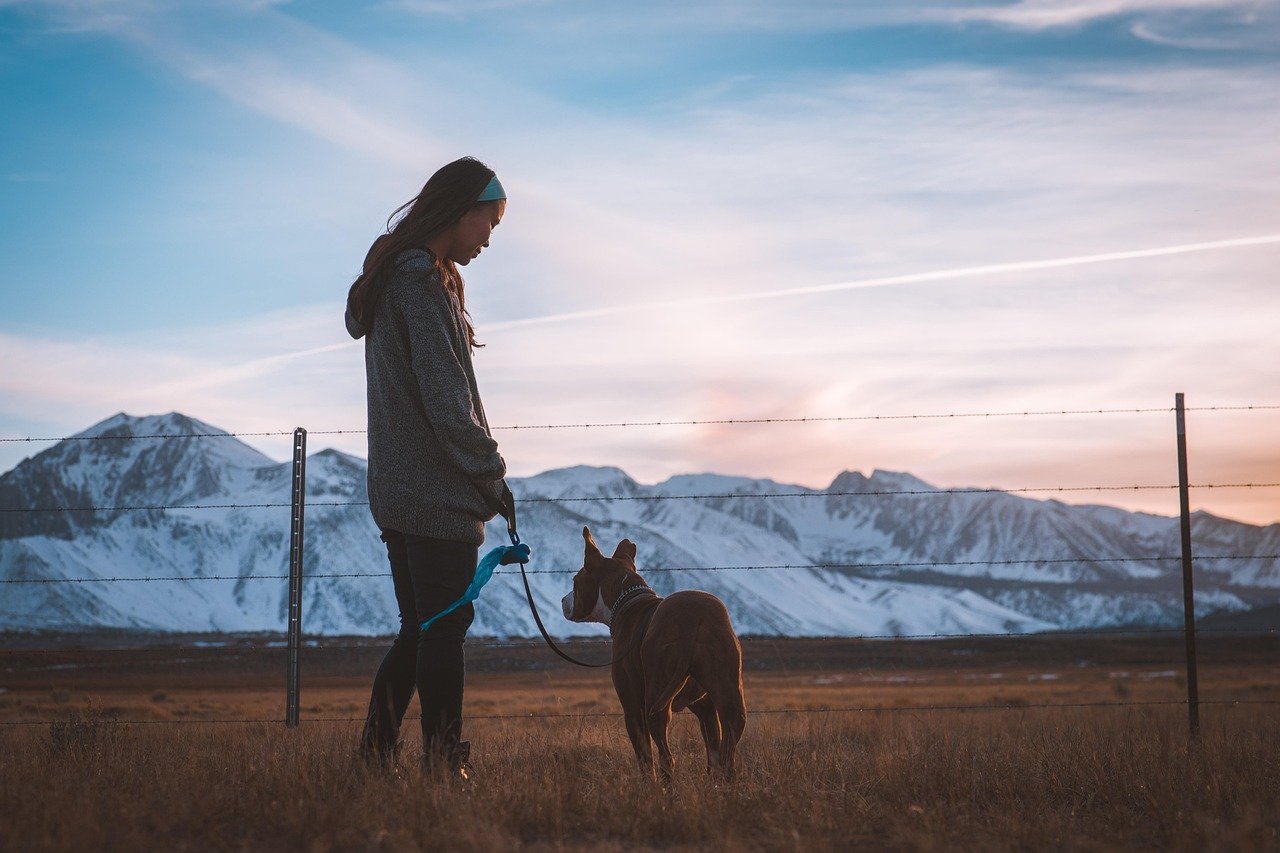
Your leash isn’t just a legal requirement – it’s literally your dog’s lifeline in coyote territory. One of the most effective ways to protect dogs from coyotes is by always keeping your dogs on leash when you walk the dogs. A leash is commonly referred to as the lifeline of your dogs. By leashing your dogs, you are reducing the risks of coyote attacks on your lovely pets to a great extent. But not just any leash will do.
Keep your pet on a non-retractable leash. Unfortunately retractable leashes don’t offer enough control if your animal runs into a coyote. When you’re walking in areas where coyotes might be present, be sure to keep your dog on leash. Most coyotes are wary of people and won’t attack your dog if your pet is close to you. This proximity isn’t just about physical protection – it’s about projecting confidence and control that coyotes instinctively respect.
Training Your Dog for Coyote Country

The most crucial skill you can teach your dog might just save their life one day. Make sure your dog has a reliable recall. This means your dog comes to you pretty much every time you ask. If a coyote approaches your dog in an off-leash area, you may not have time to get the leash on. Having a reliable recall can save your dog’s life in this type of scenario.
But recall training takes practice and consistency. Refresh your dog’s knowledge by playing recall games, using positive reinforcement training methods. You may also want to carry high-value rewards with you, like your dog’s favorite treats or their favorite toy, as a way to reinforce their training. Remember, in an emergency situation, your dog needs to respond instantly – not when they feel like it.
Coyote-Proofing Your Property
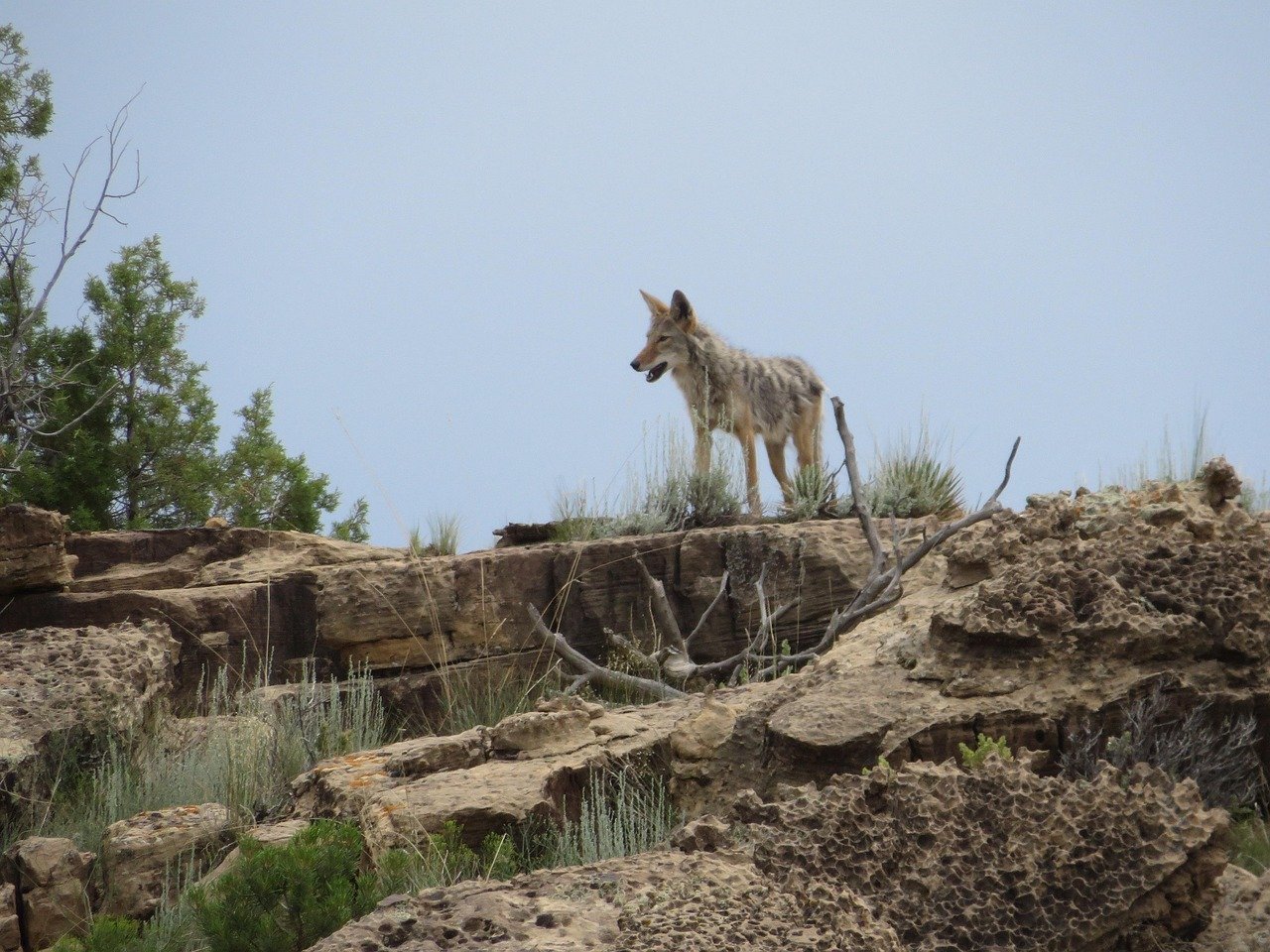
Your backyard should be a safe haven, but standard fencing won’t keep determined coyotes out. You should invest in one that’s solid, at least 6 feet tall, and buried in the ground at least 18 inches, since coyotes are amazing diggers. At the top, you need to put something that will stop even the most athletic coyote. This could be barbed wire or a tube of PVC pipe.
You can install coyote rollers, which are aluminum rods that spin when a coyote tries to grip them, preventing them from climbing over. Coyote rollers won’t make your property look scary in the same way PVC pipe or barbed wire might, and many homeowners’ associations will accept them. Beyond fencing, install motion-sensor lights that are pointed outside your fence line. That way, if a coyote does come around, the light will turn on before they get into your yard.
The Controversial World of Coyote Vests

Perhaps no other protective measure sparks as much debate as coyote vests. Coyote vests were created in 2015 after one family lost their small dog to a coyote. They vowed to help reduce the chance of a similar tragedy happening to someone else. Coyote vests are made for small dogs and have a Kevlar neck collar armed with 1-inch spikes and spikes down the back, making it hard for coyotes to get a bite. If you have a small dog, these vests can help provide good protection.
The science behind these vests is actually quite fascinating. While no pet body armor can guarantee 100% safety, a coyote vest significantly increases your dog’s chances of surviving an encounter with a predator unharmed. The materials used are especially durable and resistant to punctures and tears. Moreover, the psychological deterrent is quite effective. However, it is important to maintain realistic expectations and understand that a coyote vest is an added layer of protection, not an impenetrable shield.
What to Do During a Coyote Encounter
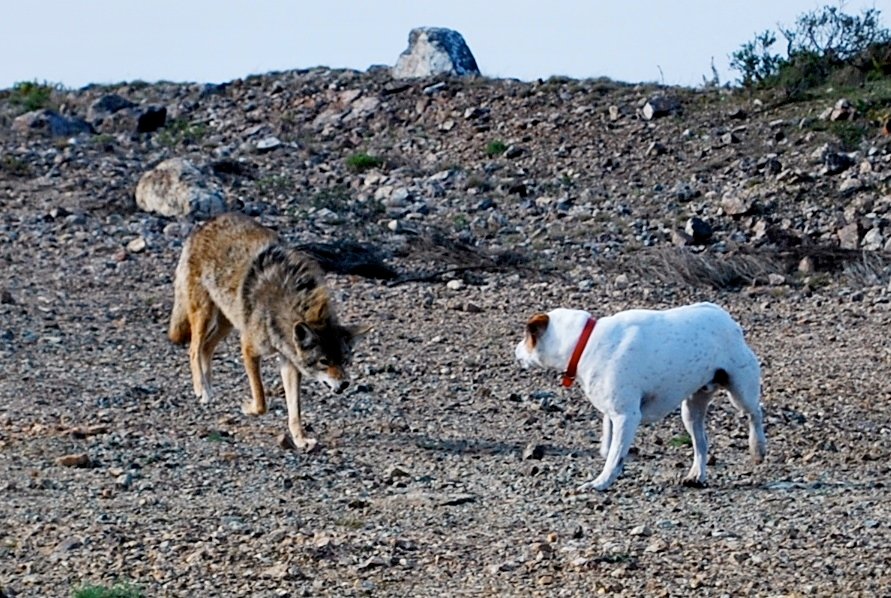
The moment you spot a coyote, your reaction can make the difference between a minor scare and a tragic outcome. Most importantly, do not run, as this can provoke the coyote to attack. Instead, you need to ‘haze’ the coyote – be ‘big, bad and loud.’ Keep eye contact, wave your arms, and make noise until the coyote retreats. Calmly leave the area and don’t run.
If you’re walking your dog when this happens, back away slowly and pick up your dog if you’re able to. Bringing something along that makes a loud noise – a dog whistle, bell, horn, or something similar – is another good way to scare off a lingering coyote. The key is projecting confidence and dominance while giving the coyote an escape route – trapped animals are far more dangerous than those with options.
Remember, these aren’t just statistics or abstract threats – they’re real dangers that California dog owners face every day. By combining proper preparation, training, and awareness, you can continue enjoying the Golden State’s beautiful outdoors with your four-legged companion safely by your side. The question isn’t whether coyotes are in your area – it’s whether you’re ready for them when they show up.


