Summer is here, which means the risk of snake bites especially in dogs with greater chances for canines in rural areas. Snakebites are a serious but often overlooked threat to dogs across the United States, with thousands of cases reported each year. With around 20 venomous snake species native to the country, encounters can happen anywhere—from hiking trails and rural properties to suburban yards. Dogs are especially at risk due to their curious nature and tendency to investigate with their noses. Unlike humans, they may not recognize danger and can approach snakes playfully, often resulting in bites. This guide will help dog owners understand the risks, recognize symptoms, and take steps to protect their pets from potentially deadly encounters.
Types of US Snakes Dog Owners Should Be Careful Of

When it comes to protecting your dog from snakebites in the United States, knowledge is power. America is home to a variety of venomous snake species, primarily falling into two main families: Crotalidae (pit vipers) and Elapidae (coral snakes). Understanding which snakes pose the greatest threat in your region is the first step toward keeping your pet safe. Understanding which venomous snakes are common in your area can help you be more vigilant about specific threats during outdoor activities with your dog.
Crotalidae and Elapidae Species
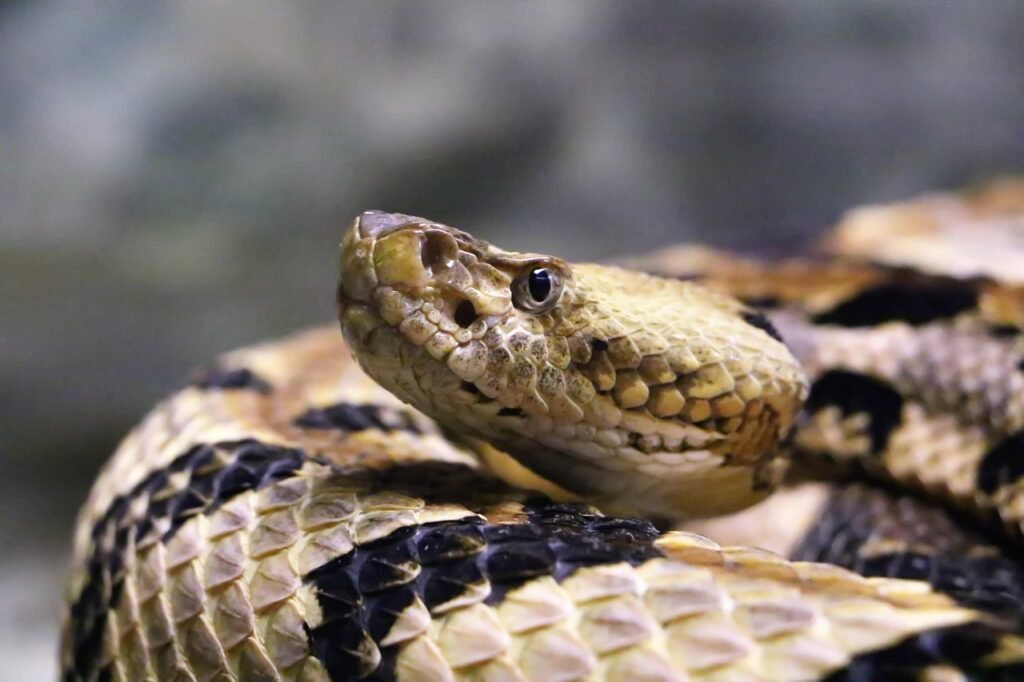
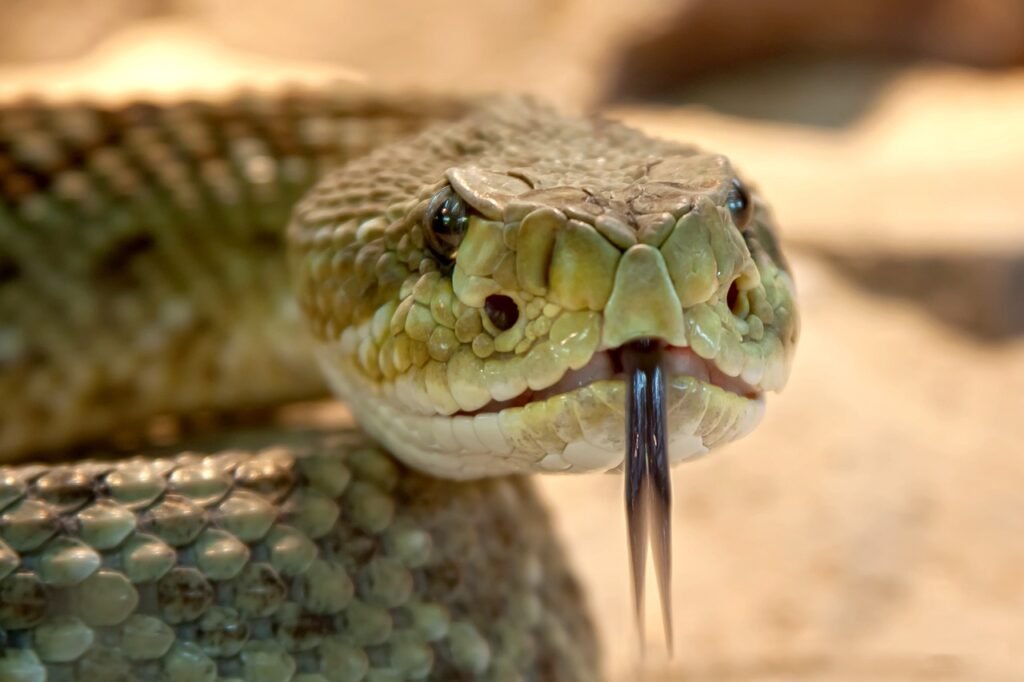
The Crotalidae family includes some of the most encountered venomous snakes, such as rattlesnakes, cottonmouths (water moccasins), and copperheads. These snakes are distinguished by their triangular-shaped heads, heat-sensing pits between their eyes and nostrils, and in the case of rattlesnakes, their distinctive rattles. Pit vipers are responsible for most venomous snakebites in both humans and pets across the country.
The Elapidae family in the US is represented by coral snakes, which are known for their distinctive red, yellow, and black banded pattern. While coral snake bites are less common than pit viper bites, their venom is highly potent and can be deadly if not treated promptly.
Non-Venomous Snakes
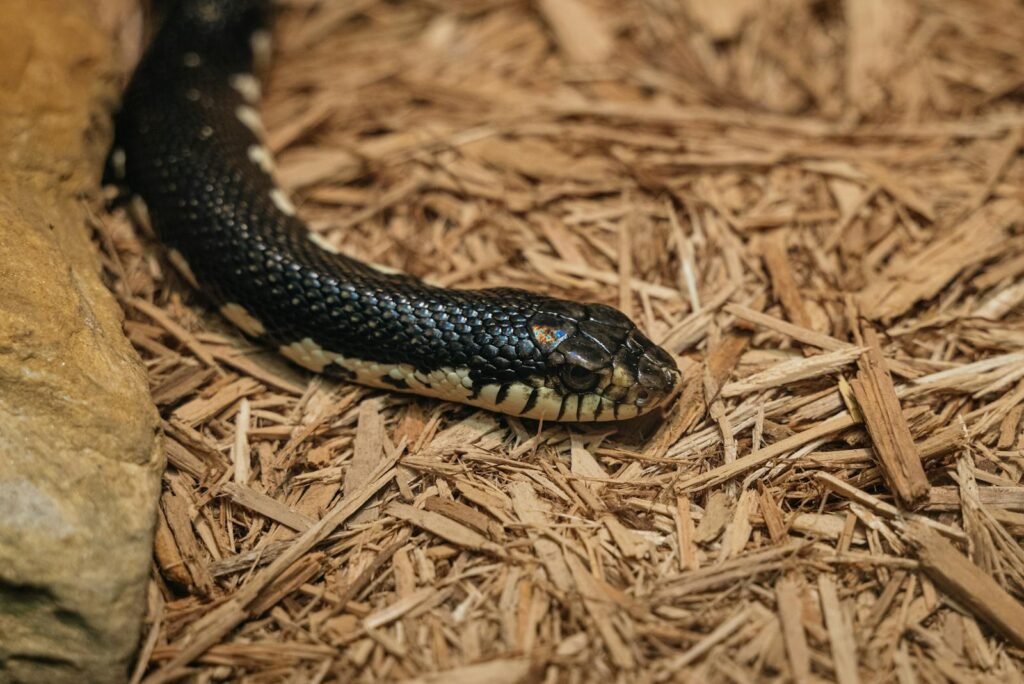
It’s important to note that most snakes in the United States are non-venomous and pose little threat to your dog beyond a potential painful bite. Common non-venomous species include garter snakes, king snakes, rat snakes, and water snakes. However, since many non-venomous snakes can resemble their venomous counterparts, it’s always best to err on the side of caution and treat any snake encounter as potentially dangerous.
How Deadly are Coral Snakes for Dogs
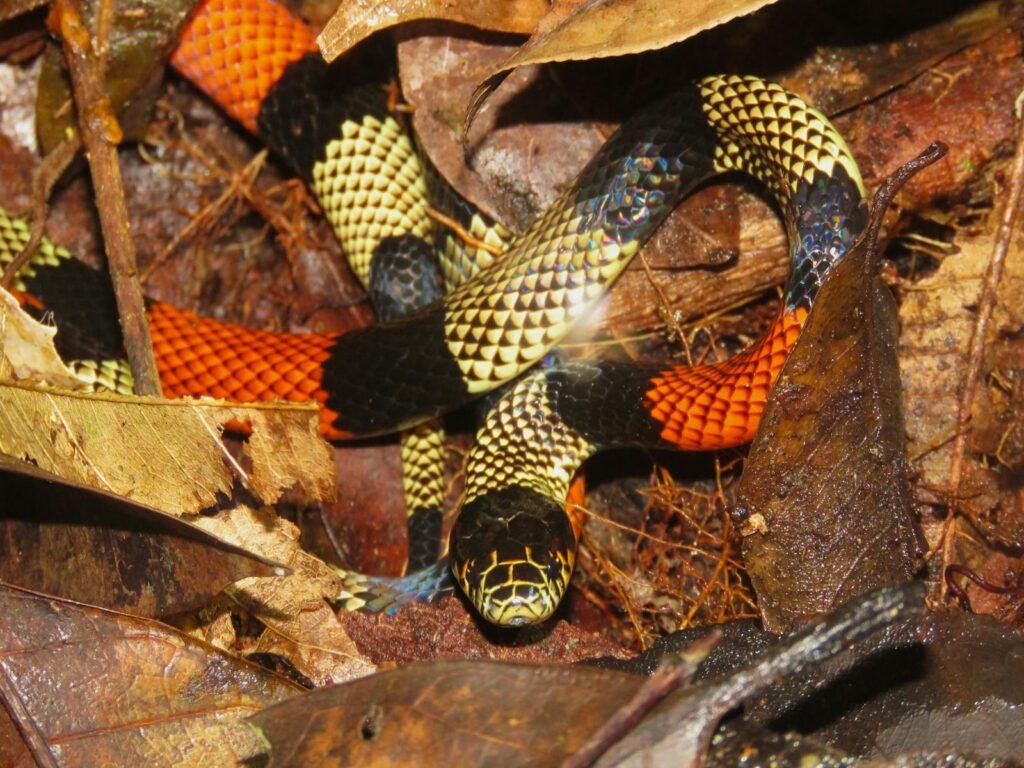
Coral snakes, part of the Elapidae family, pose a unique danger to dogs due to their highly potent neurotoxic venom. While bites are less common than those from pit vipers, coral snakes can still be deadly—especially because they require prolonged contact to inject venom through their small, fixed fangs. There are three coral snake species in the U.S.: the Eastern coral snake, Texas coral snake, and Arizona coral snake. Their vivid red, yellow, and black bands make them easy to identify—and potentially more tempting for curious dogs to investigate.
These snakes are generally shy and reclusive, often hiding under leaves, logs, or in burrows, but can become active during humid conditions, especially in spring and fall. For dogs, symptoms from a coral snake bite may be delayed, yet deadly, progressing from subtle weakness to paralysis or respiratory failure. Owners in coral snake habitats should stay vigilant during walks, use leashes in high-risk areas, and discourage dogs from approaching colorful ground objects.
How Deadly Are Rattlesnakes for Dogs
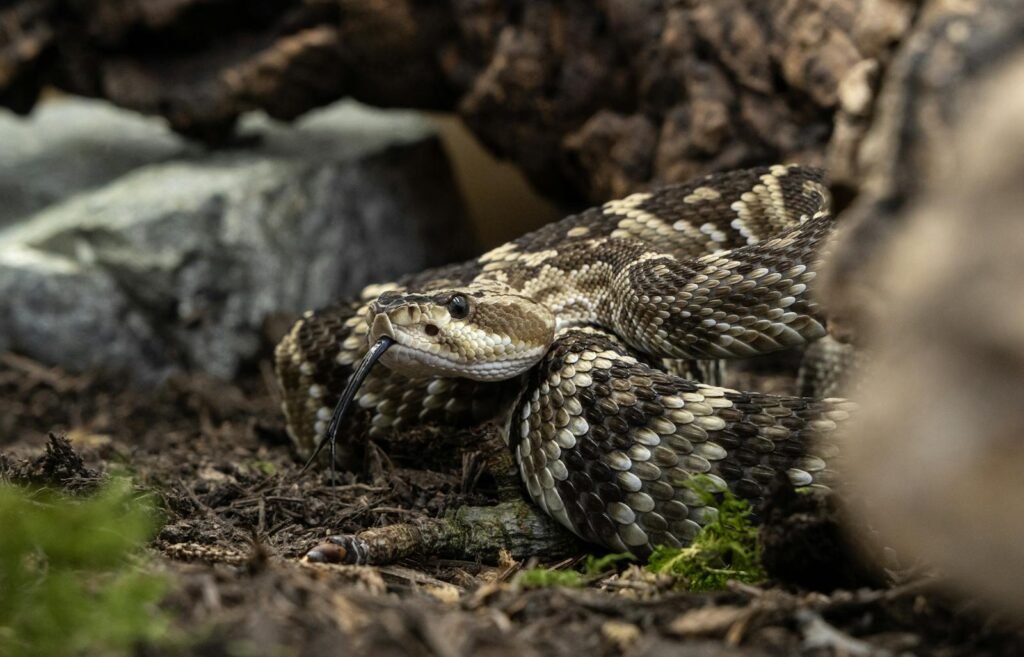
Rattlesnakes are the leading cause of venomous snakebites in dogs across the U.S., with around 16 species found nationwide—from Eastern diamondbacks in the Southeast to timber rattlesnakes in the Northeast.
Known for their distinctive tail rattle, these snakes use sound as a warning, but curious dogs often don’t recognize it as a threat. Rattlesnake venom is primarily hemotoxic, breaking down tissue, damaging blood cells, and causing severe swelling or internal bleeding. Because of their smaller body size, dogs often experience more rapid and intense effects.
The danger is heightened by rattlesnakes’ ability to strike quickly and without warning, especially if startled. Many bites occur on a dog’s face or neck as they investigate, allowing venom to spread faster. Some species, like the Mojave rattlesnake, have especially potent neurotoxic venom.
Rattlesnakes are most active from spring to fall, especially during breeding season and cooler parts of the day. To protect dogs, owners should keep pets leashed, avoid high-risk terrain, consider rattlesnake aversion training, and in some regions, discuss rattlesnake vaccines with their veterinarian.
How Deadly Are Cottonmouths and Coppermouths for Dogs
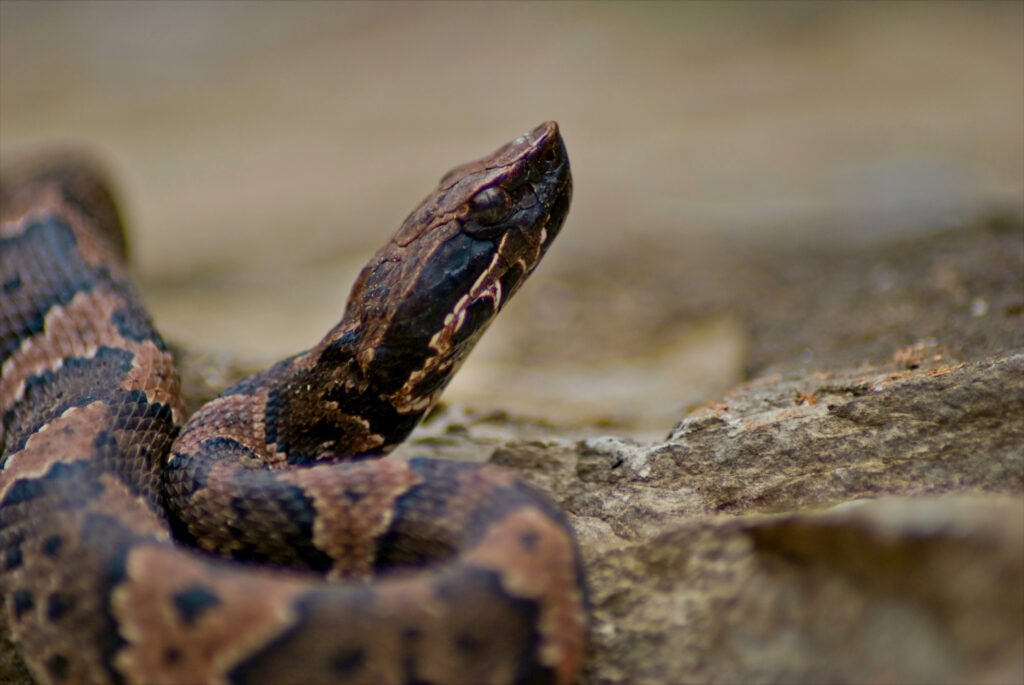
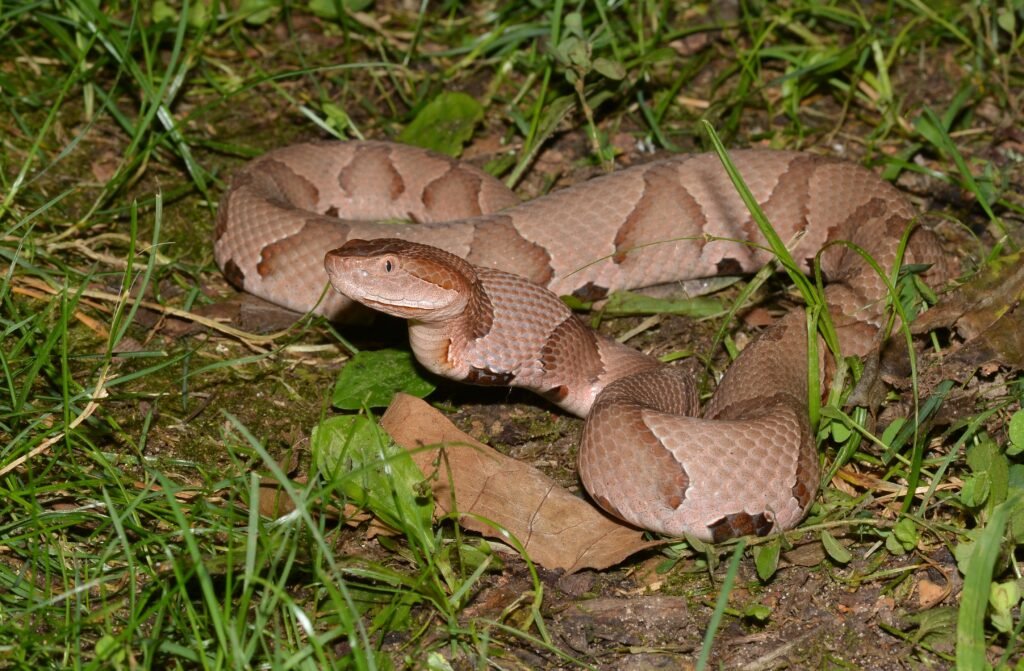
“Coppermouths” is a common term used to describe two venomous pit vipers: the copperhead and the cottonmouth (or water moccasin). Copperheads are widespread across the eastern and central U.S., known for their coppery color and leaf-like camouflage. Their habit of freezing instead of fleeing makes accidental encounters with dogs more likely.
Cottonmouths, larger and semi-aquatic, are found in the Southeast and are known for their defensive display of gaping white mouths and a tendency to stand their ground, making them especially dangerous near water sources where dogs might explore.
Both snakes possess hemotoxic venom that damages tissue and impairs blood clotting. Cottonmouths typically have more potent venom and deliver higher volumes, but copperhead bites should never be taken lightly. Dogs are most at risk during dawn and dusk or when playing in wooded or watery areas.
Symptoms from a bite can include rapid swelling, intense pain, and more severe effects if the bite is to the face or neck. While copperheads may occasionally deliver dry bites, any envenomation should be treated as a veterinary emergency.
The Difference Between Offensive and Defensive Snake Bites
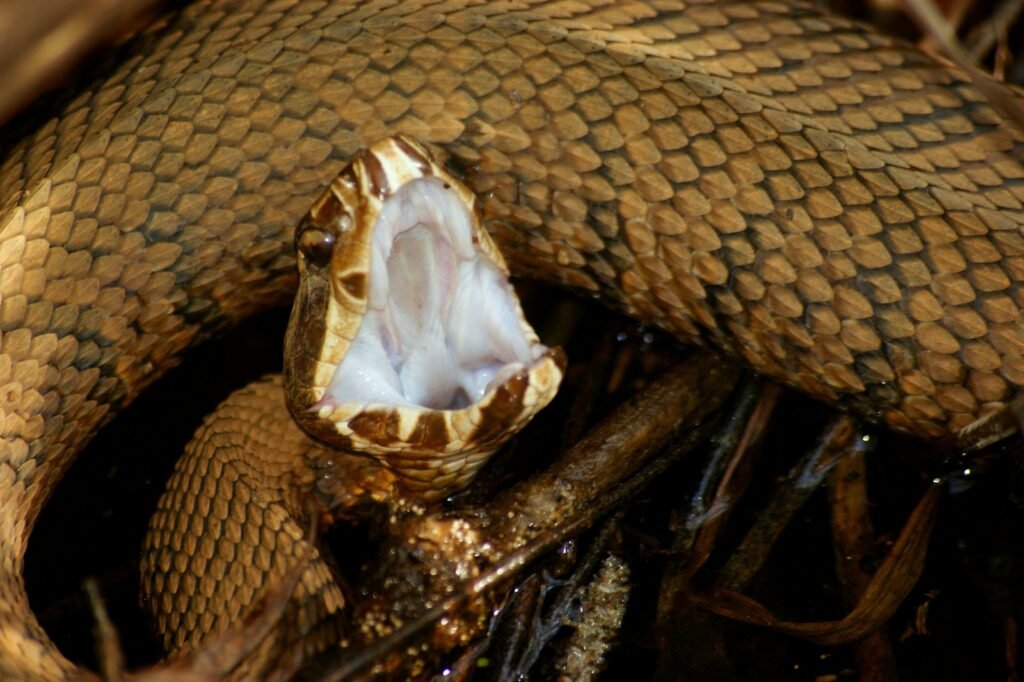
Understanding the difference between offensive and defensive snake bites is crucial for dog owners, as it helps explain snake behavior and can influence both prevention strategies and the severity of envenomation when bites occur.
Defensive snake bites occur when a snake feels threatened or cornered and strikes as a protective measure. These are by far the most common types of bite that affect dogs. Snakes don’t view dogs as prey; rather, they perceive them as potential predators or threats. When a dog approaches, investigates, or accidentally steps on a snake, the reptile’s natural response is to defend itself through a warning display followed by a strike if the threat persists. Defensive bites are usually accompanied by rattling, and hissing. They will be delivered with less venom or sometimes as “dry bites” with no venom at all. They’re usually quick, single strikes meant to deter rather than kill.
Offensive snake bites, on the other hand, are predatory in nature. These occur when a snake strikes with the intent to capture prey, typically small mammals, birds, or amphibians depending on the species. Offensive bites are rarely directed at dogs, as even small breeds are too large for most North American snakes to view as potential meals. Offensive snake bites are delivered without warning or hissing, involve full venom delivery and be followed by tracking to ensure prey does not escape.
Defensive Bites Does Not Mean Less Danger
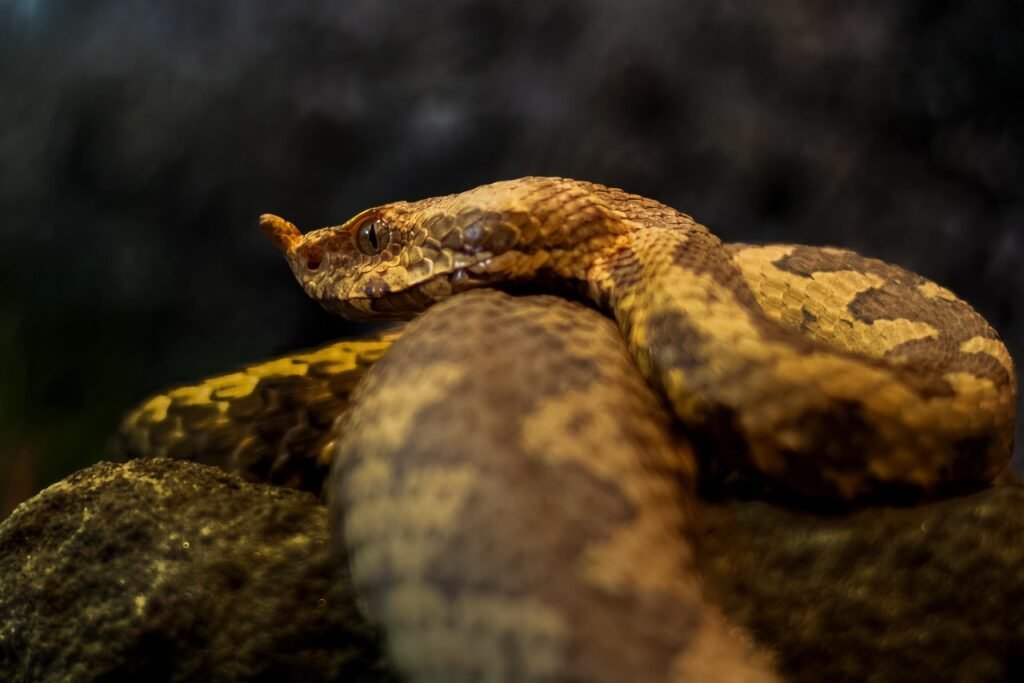
It’s also worth noting that some snake species tend to be more liberal with their venom than others, even in defensive bites. For example, cottonmouths and Eastern diamondback rattlesnakes are known to deliver substantial amounts of venom even in defensive strikes, while copperheads more frequently deliver dry or low-venom bites when defending themselves.
The primary lesson for dog owners is that prevention should focus on avoiding situations where snakes feel threatened by your dog. This includes keeping dogs leashed in snake-prone areas, teaching them to avoid investigating unknown animals, and giving wide berth to any snakes encountered in the wild.
Why Dying Snakes Are Extremely Dangerous
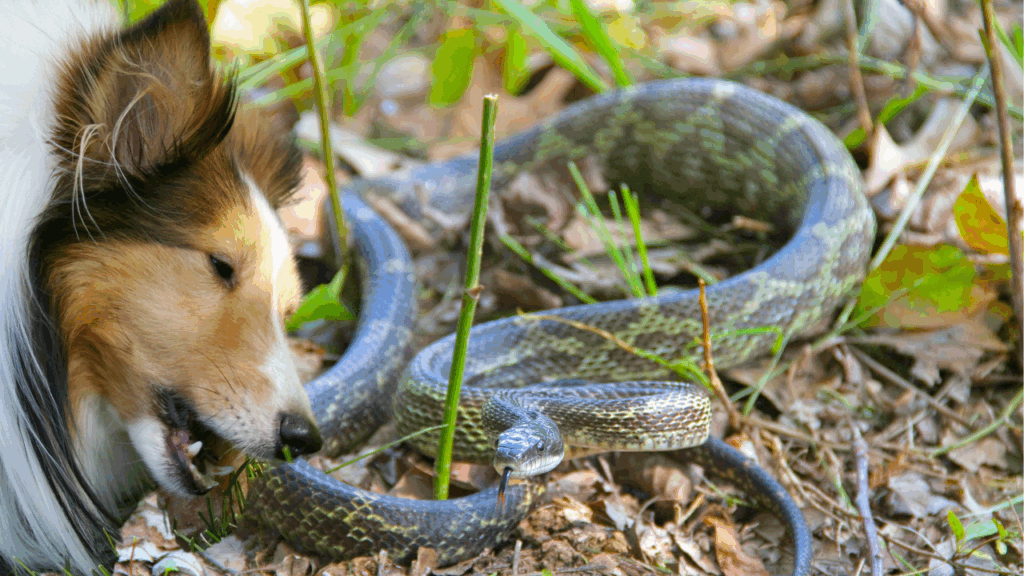
Counterintuitive as it may seem, a dying or freshly killed snake can pose an even greater danger to your dog than a live, healthy one. This crucial fact is often overlooked by dog owners, who might assume that a snake that has been run over, injured, or recently killed no longer presents a threat. Understanding this phenomenon is essential for protecting your dog from potentially fatal envenomation.
When a snake is dying or has recently died, its bite reflex can remain active for up to an hour after death. This means that if your dog investigates or mouths a dead snake, the reflexive bite mechanism can still function, causing fangs to embed and inject venom. Even more concerning is that these posthumous bites often deliver larger amounts of venom than typical defensive bites from live snakes.
The danger increases when a snake is dying or dead because it loses control over its venom glands. While live snakes often regulate or even withhold venom in defensive bites, a dying or decapitated snake can reflexively deliver a full venom dose due to uncontrolled muscle contractions. Even severed heads can still bite with force, releasing maximum venom as part of the body’s final defensive reflexes.
What About Injured Snakes
Another dangerous scenario involves injured snakes. A snake that has been wounded, perhaps by a lawnmower, garden tool, or even partially crushed under a car tire, cannot escape and is likely to be in a heightened defensive state. Such snakes may strike repeatedly and inject maximum venom loads with each bite if approached or disturbed.
For dog owners, the practical advice is clear: treat all venomous snakes as dangerous. If you encounter a dead snake while walking your dog, give it a wide berth and keep your dog away from it. Never allow your dog to investigate or play with a snake carcass, no matter how thoroughly dead it appears to be. Detached snake heads can continue to bite reflexively for an hour or more after separation from the body. These bites often deliver full venom loads and should be treated with the same caution as live snakes.
Most Common Non-Venomous Snakes Encountered by Dogs
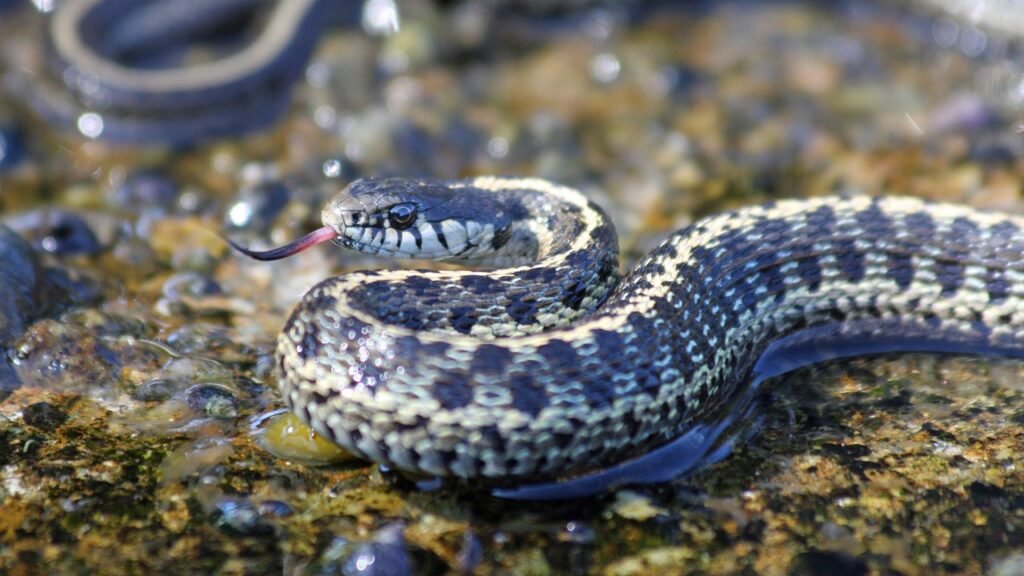
While venomous snakes pose serious risks, most snake encounters involving dogs in the U.S. are with harmless, non-venomous species. Recognizing these can help avoid unnecessary panic. Garter snakes are among the most common, easily identified by their stripes and mild musk when threatened. Rat snakes, including corn snakes, are large but shy constrictors that help control rodent populations.
Kingsnakes are notable for eating venomous snakes and are entirely non-venomous themselves. Water snakes, often confused with cottonmouths, may act aggressively but are harmless. Racers and whipsnakes are fast, slender, and bold when cornered, while hognose snakes rely on dramatic bluff displays and are only mildly venomous to amphibian prey.
Though these snakes pose little threat to dogs, owners should still discourage contact. Defensive bites can cause pain or infection, and misidentification with venomous species is common. Additionally, dogs may harm these beneficial reptiles or contract parasites from some species, like garter snakes. It’s best to guide your dog away from all snakes, for everyone’s safety.
U.S. States with the Most Urban Venomous Snake Encounters
Venomous snakes are present in most U.S. states, but some regions see more urban and suburban encounters, increasing risks for dogs. Texas tops the list, home to all four major venomous snake types and rapidly growing cities like Austin and Dallas pushing into wild habitats. Arizona also sees frequent rattlesnake sightings in Phoenix and Tucson neighborhoods due to desert expansion. Florida experiences a mix of native and occasional exotic venomous snakes, with urban centers like Tampa and Miami reporting regular sightings near wetlands.
Georgia and North Carolina see high rates of copperhead activity in suburban areas around Atlanta, Charlotte, and Raleigh, where forested neighborhoods create ideal habitats. Oklahoma’s expanding cities encounter multiple venomous species including rattlesnakes and copperheads. Even California, with its dense coastal development, reports frequent rattlesnake sightings near suburban zones bordering wildlands, especially in Southern California and the Bay Area.
What If Your Dog Eats a Garter Snake?
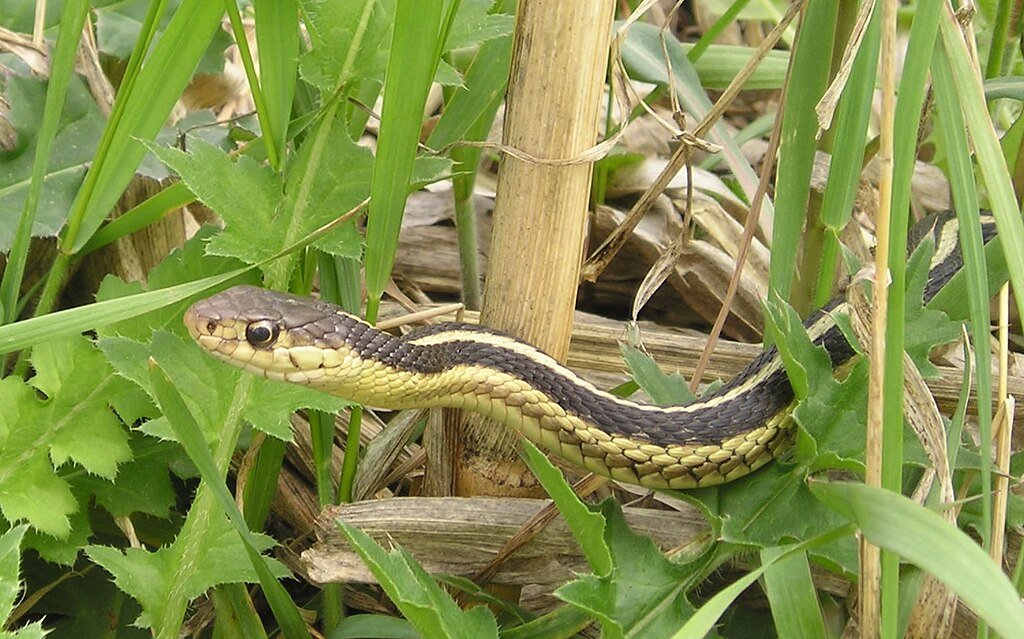
While garter snakes are mildly venomous, their venom is weak and not dangerous to dogs when ingested. In most cases, a dog that eats a garter snake will be fine, as the digestive system can typically break down the snake without issue. However, mild side effects like vomiting or diarrhea may occur due to unfamiliar proteins or the snake’s defensive musk.
There are a few concerns to watch for: small dogs could risk intestinal blockage if they swallow a large snake whole, and garter snakes can carry parasites like roundworms or tapeworms. Rarely, if the snake had recently eaten a toxic amphibian, secondary poisoning may be possible. Monitor your dog for signs of discomfort and contact your vet if symptoms persist.
Signs of Snakebite in Dogs

Quick recognition of a snakebite can mean the difference between life and death. Since many bites happen out of sight—in tall grass or during off-leash exploration—it’s essential to know the symptoms. Signs can appear within minutes to hours, depending on the snake, bite location, venom amount, and the dog’s size.
Early Signs (Minutes to Hours): Puncture wounds (may be hard to find under fur). Rapid swelling at the bite site. Pain, whining, or limping. Bleeding or bruising. Weakness, collapse, or heavy panting. Excessive drooling, especially with face or neck bites. Vomiting, diarrhea, or dilated pupils.
Location-Specific: Face/neck: Breathing issues from swelling. Limb: Lameness or disuse. Chest/abdomen: Risk to vital organs.
Later Signs (Hours to Days): Dark bruising, tissue damage. Breathing trouble, pale gums. Neurological symptoms (tremors, seizures). Bleeding disorders, irregular heartbeat, or kidney issues.
It Is Important to Identify the Type of Snake

It is important to identify the type of snake that may have bitten your dog which will help a vet understand the progress and type of symptoms. For example: Bites of Pit vipers (Cottonmouth, Rattlers and Copperheads) will have visible fang marks, rapid onset of symptoms and significant pain whereas coral snake bites will have delayed symptoms, sometimes by 8 hours and show minimal local reaction at the bite site. The bite in most cases will manifest neurological symptoms such as weakness, incoordination, and paralysis. If you observe any signs suggesting your dog has been bitten by a snake, even if you’re uncertain, it’s crucial to seek veterinary care immediately. Do not wait for symptoms to progress, as early intervention dramatically improves outcomes.
What To Do and Not to Do If Your Dog Is Bitten by a Snake

If your dog is bitten by a snake, act fast snakebites are medical emergencies. Keep your dog calm and as still as possible to slow venom spread. Carry them if you can, keep the bite site below heart level, and note the time of the bite. Call your vet or emergency clinic immediately and inform them you’re on the way. If it’s safe, try to identify the snake from a distance (photo or description), but never delay care or put yourself at risk.
Avoid outdated or harmful methods: don’t use tourniquets, ice, or heat; don’t cut the wound or try to suck out venom. Never give medications without a vet’s advice, and don’t wait for symptoms to worsen before seeking help. Fast, calm action and immediate veterinary care give your dog the best chance of recovery.
How To Prevent Your Dog Getting Bitten by Snakes in the USA
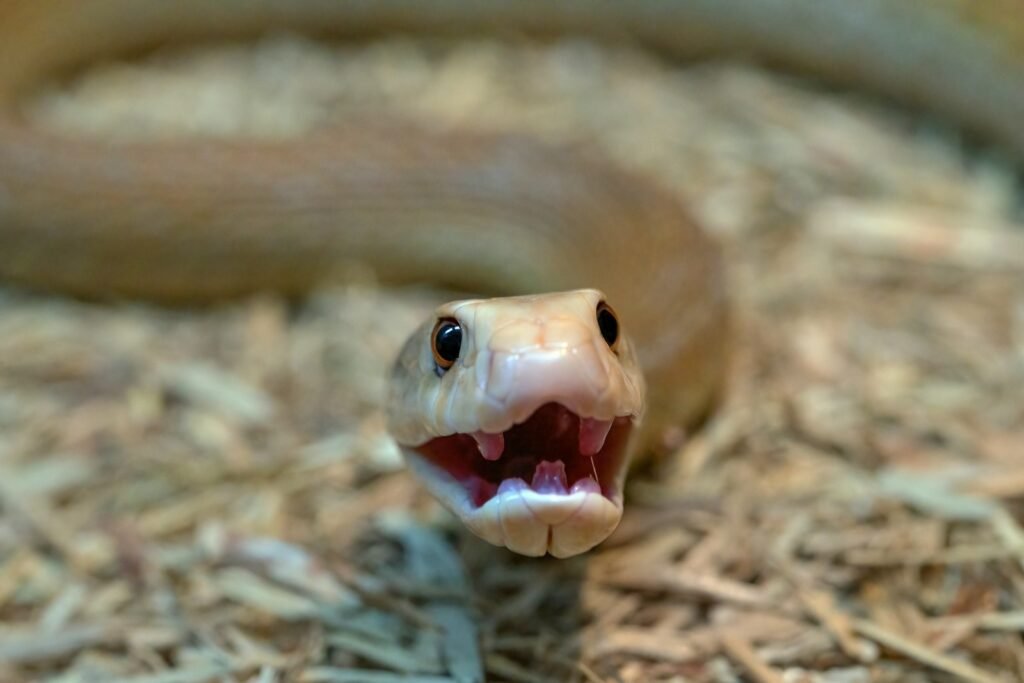
Prevention is far better than treating a snakebite. Combining training, awareness, and smart practices greatly reduces risk. Snake aversion training is highly effective, teaching dogs to avoid snakes through controlled exposure and negative association. Essential commands like “recall” and “leave it” can stop dogs from investigating snakes, and leash training keeps them close in risky areas. Stick to clear trails, avoid tall grass, and time walks wisely—midday in hot climates is often safest. Be extra cautious in spring and fall, when snake activity peaks, and use a walking stick to warn snakes ahead of time. On remote hikes, carrying a compression bandage can buy time in case of a bite.
Protective gear also helps. While snake boots or gaiters protect humans, snake-proof vests shield your dog’s vital areas from strikes. These are especially useful for working dogs or those hiking in snake-heavy terrain. For dogs fed outdoors, elevated food and water bowls reduce the chance of attracting snakes near your pet’s eating area.
The Importance of Snake Conservation
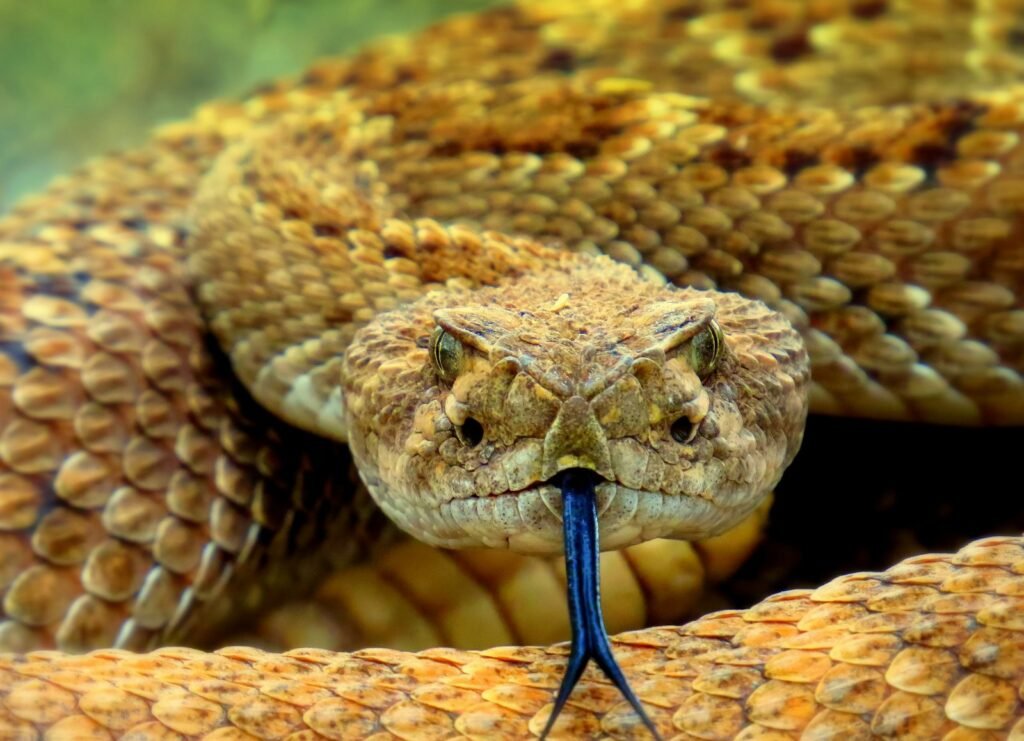
While keeping dogs safe from snakes is crucial, it’s also important to respect snakes’ ecological role. As natural pest controllers, snakes help manage rodent populations and serve as prey for other wildlife, making them vital to balanced ecosystems. Sadly, many are needlessly killed out of fear, contributing to population declines driven by habitat loss, road deaths, and persecution. Some species, like the Eastern indigo and timber rattlesnake, are now legally protected.
Instead of killing snakes, consider safe relocation by professionals. Frequent sightings often signal a healthy ecosystem. Educating others, especially children and pet owners, can help reduce fear and promote coexistence. Most snakes avoid conflict and only bite when cornered—giving them space protects both wildlife and pets.
Julieta Ovando
Sunday 9th of November 2025
Facebook Chat Assistant - $30/hr .Do you use Facebook? Are you looking for a job you can do online? Hundreds of businesses are currently hiring new Facebook Chat Assistants to chat with their customers on Facebook. There are a lot of positions available for people from all countries and because of the high demand for new workers, entry level jobs are paying $30/hr. If that sounds like something you’re interested in, read on for the full job spec here : http://chat-assistant.advertising4you.co.uk
seo analysis meaning
Monday 3rd of November 2025
Very efficiently written information. It will be useful to anybody who usess it, as well as myself. Keep up the good work - can'r wait to read more posts.