
There’s a moment every dog owner secretly wonders about. You’re sitting on the couch, your dog curled up at your feet, and you think, “Does he actually see me as his person? Or am I just the one who opens the food bag?” It’s a deeply human question, and honestly, a totally valid one.
Dogs don’t hand out certificates of loyalty. They speak in tail wags, quiet glances, and small daily rituals that most of us walk right past without a second thought. The good news? Once you know what to look for, the signs are everywhere. Let’s dive in.
Your Dog Follows Your Lead, Not Just Your Footsteps
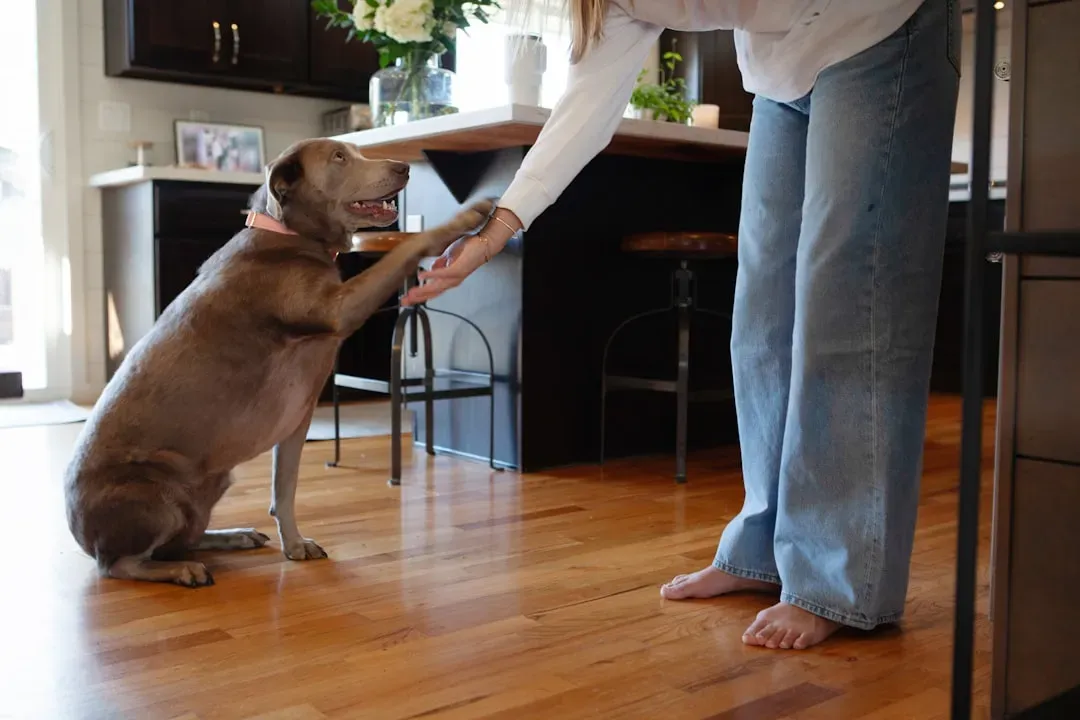
When your dog follows your commands willingly, it goes beyond simple obedience training. It reflects a deeper understanding and acceptance of your role as the guide in their lives. Think of it like a new employee who doesn’t just follow rules out of fear of getting fired, but because they genuinely trust their manager’s judgment.
If your dog looks to you for cues before doing something, like going out the door or eating a meal, this is a strong indication that they respect you as the decision-maker. Pack leaders in the wild determine when and where things happen, and a dog who waits for your direction is recognizing your authority. That pause before bolting out the front door? It’s not hesitation. It’s respect.
When your dog sees you as the pack leader, it simply means they trust your signals. You set routines, give clear guidance, and stay steady in your reactions. Dogs thrive when they know what to expect, because unclear rules or emotional outbursts make them anxious and unsure of their role. Consistency really is everything here.
The “Velcro Dog” Behavior Is More Than Clinginess
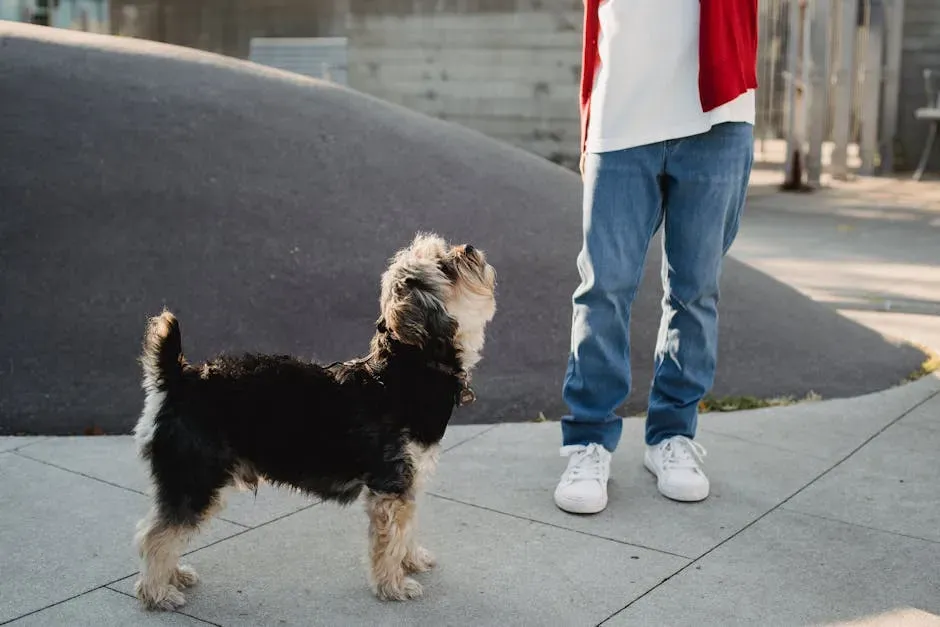
If your dog follows you from room to room, they’re not just curious about what you’re doing. In the wild, pack members follow the leader to stay safe and united, and your dog sees you as the source of protection and guidance, so they instinctively want to be near you. It’s their version of staying close to home base.
If your dog is your shadow, following you from room to room, it’s a strong sign they see you as the leader. In a pack, members instinctively follow the leader, and your dog’s loyalty in staying close reflects their respect and trust in you. Honestly, I think of it like how toddlers trail behind a parent in a grocery store. They’re not lost. They just know exactly who’s keeping them safe.
This “Velcro dog” behavior is a profound sign of attachment and trust. Dogs are naturally pack-oriented and feel safest when their trusted human is nearby. So next time you trip over your dog in the hallway, take it as a compliment.
Eye Contact, Soft Gazes, and the Oxytocin Connection
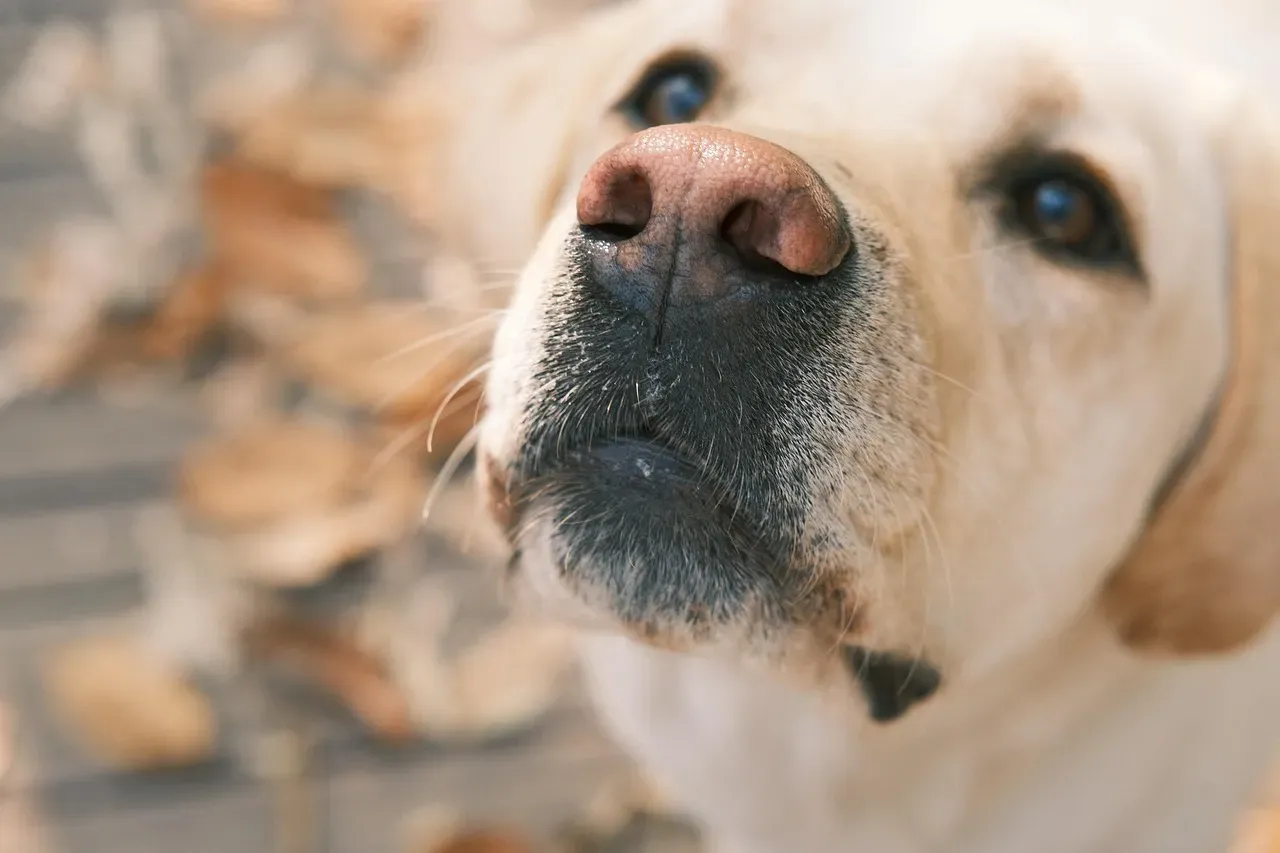
When your dog looks into your eyes without signs of stress or aggression, it’s a sign of trust and a willingness to connect on a deeper level. This indicates that your dog is comfortable with you taking the lead and looks to you for guidance and reassurance. It’s a moment of vulnerability showing that your dog not only respects you as their leader but also feels a deep emotional bond with you.
Dogs that are emotionally attached to their owners tend to maintain eye contact, looking at them with soft, relaxed eyes. Eye contact releases oxytocin, often referred to as the “love hormone,” in both dogs and humans, which helps further foster a sense of connection and affection between pet and pet parent. It’s basically a biological hug happening every time you lock eyes with your pup.
Many scientific studies have found that oxytocin is released in dogs through deep and meaningful eye contact. Without being able to speak the same language, eye contact is an important way for dogs to communicate with us, and only through regularly gazing in your eyes can a meaningful relationship be developed. So go ahead, stare lovingly at your dog. Science has your back.
They Seek You Out When Things Get Scary
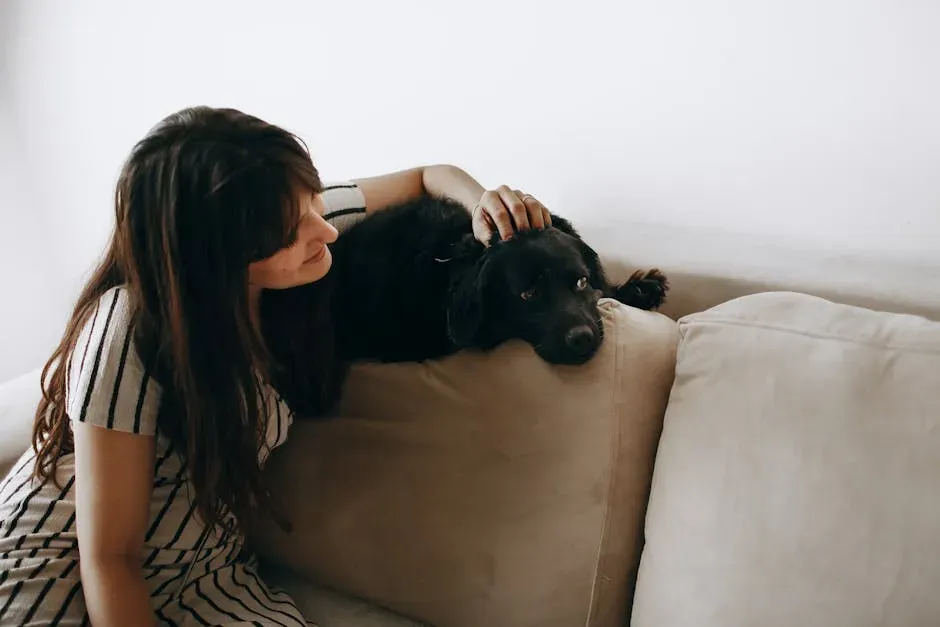
When faced with something new, a confident dog will glance at you for reassurance instead of reacting impulsively. This behavior shows emotional control and trust in your leadership. Whether it is meeting a stranger or hearing a loud sound, your dog looks for your signal to decide what happens next. That calm consultation proves that they view you as the one who handles uncertainty.
Sometimes, life gets intense, and a dog who trusts his person is going to turn to them for help when feeling overwhelmed. Whether it’s dealing with a pushy stranger who insists on trying to pet your dog or an unexpected sound from a truck outside your house, a dog who trusts you will look to you for direction. Thanks to the bond you’ve built, you’re the security blanket, escape hatch, and translator, all rolled into one.
As a pack leader, it’s your responsibility to take care of your pack at times when they are feeling stressed out or nervous, such as when you’re visiting the vet, giving them inoculations, or during rough weather like thunderstorms. You’ll notice that your dog will be calm during those times when you are present, meaning less whining and squirming. That calm in the middle of chaos is one of the clearest messages a dog can send.
Relaxed Body Language and Physical Closeness Tell the Whole Story
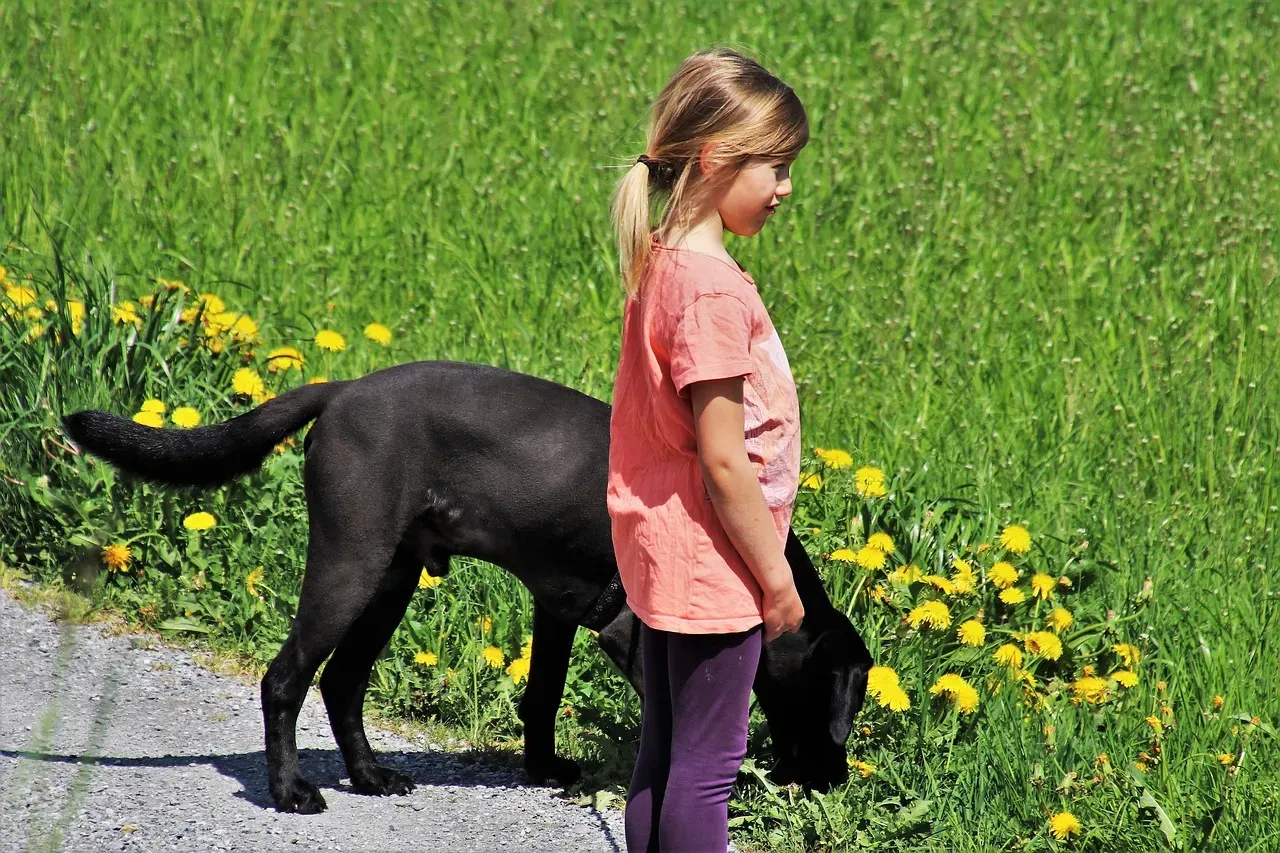
When a dog truly feels safe, they relax: ears droop, their body “flops,” breathing deepens, and eyes soften. Some will even roll over and sprawl on their back. It’s not laziness. It’s the highest form of canine trust you can witness, right there on your living room floor.
A dog exposing their tummy is showing vulnerability, which is reserved for pack leaders and trusted companions. The act is not only submissive but also an invitation to gentle interaction. Think of a belly rub as your dog literally saying, “I trust you completely, and you’ve earned it.”
Physical closeness is a strong display of loyalty. Dogs that lean against you or choose to sit right next to you are showing they find security in your presence, which is a way of seeking connection and expressing respect for the leader of their pack. Another sign your dog is bonded to you is when they choose to sleep near you or cuddle with you. To dogs, sleeping in a pack signals safety, and curling up next to you shows you’re part of their “pack.”
Conclusion: Leadership Is Earned One Day at a Time
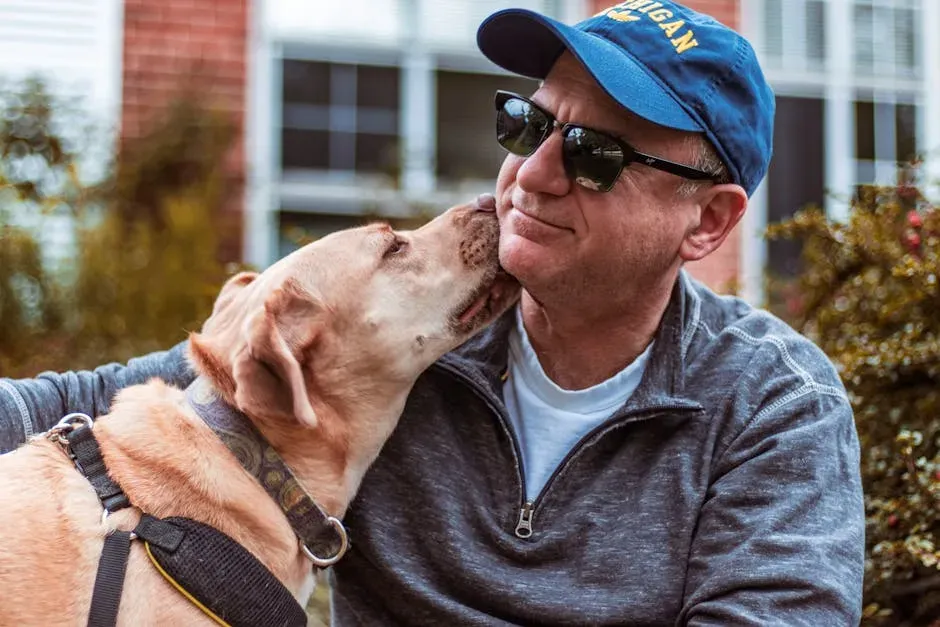
Here’s the thing about being a dog’s master. It has nothing to do with dominance or being the loudest voice in the room. Modern canine experts agree that leadership has nothing to do with intimidation. Instead, it is about calm communication, clarity, and consistency. That’s a standard worth holding yourself to.
The bond between a dog and their owner is one that takes time to build. Based on mutual respect, love and appreciation, once your dog trusts you, you’ll benefit from a loyal and loving companion for life. It’s a relationship, not a rank, and every small moment of patience you offer adds another brick to that foundation.
So the next time your dog glances back at you on a walk, leans against your leg for no reason, or quietly follows you to the kitchen just to be near you, let it sink in. Those are not accidents. Those are answers. The real question now is: what kind of leader will you choose to be for them?


