
Your pup gives you clues all day long about how they’re feeling. Sometimes they bounce with excitement, and other times they seem to melt into the couch like butter. The secret lies in learning to read their unique language.
A confident dog radiates a special kind of energy that’s unmistakable once you know what to look for. They carry themselves differently, interact with the world boldly, and show you exactly what’s going on in their mind through their body. The best part? Once you master these signs, you’ll feel like you can finally have real conversations with your furry best friend.
The Classic Confident Stance
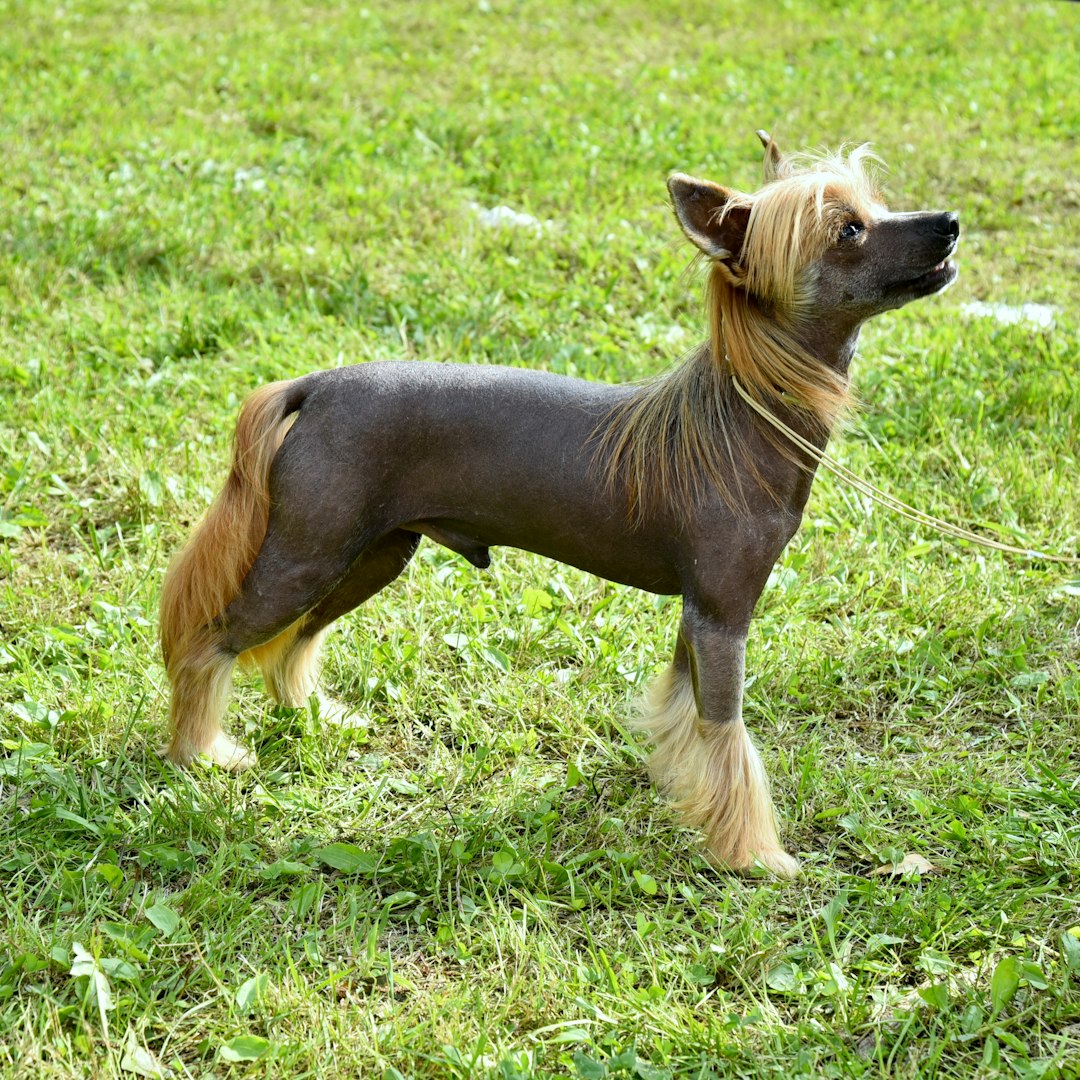
When your dog feels truly confident, their tail becomes a flag of self-assurance, held high like they’re announcing their presence to the world. You’ll notice their muscles appear completely relaxed, with weight distributed evenly on all four paws. This isn’t the rigid posture of a stressed dog or the cowering stance of a fearful one.
A truly confident pup stands tall with ears forward, creating an unmistakable picture of assurance. Think of it like your dog’s way of saying, “I’ve got this handled.” Their entire demeanor communicates self-assurance through every inch of their body language.
Tail Tales of Confidence
Research shows that dogs actually wag their tails to the right when they’re happy or confident, and to the left when they’re frightened. Studies published in Current Biology found that right-sided tail wagging is associated with feelings of confidence and companionship. Who knew your dog’s tail was basically a mood ring?
A confident dog’s tail moves in line with their body, wagging fast either side to side or in a round helicopter motion. That full-circle tail wag or whole-body wiggle? That’s pure joy and excitement, often appearing when they know it’s walk time or when they see you after being apart.
Eyes That Sparkle with Assurance
Confident dogs have what experts call “soft eyes” with relaxed lids that sometimes look like gentle squinting, indicating they’re calm or happy. Their gaze avoids hard stares, which could be perceived as aggressive. Instead, you’ll see a gentle, open expression that invites interaction.
A happy, confident dog maintains comfortable eye contact that feels peaceful rather than intense or staring. Their eyes seem to smile along with the rest of their face. When your dog feels relaxed and confident, you might notice their eyes look particularly soft or even slightly droopy.
Ears Forward with Purpose
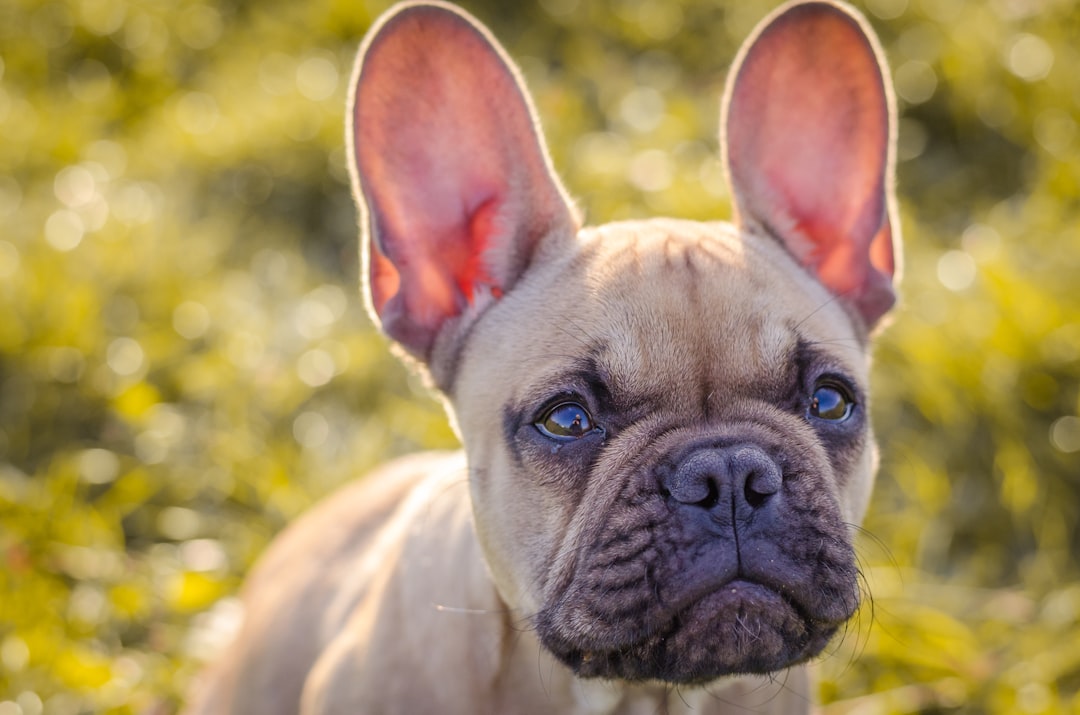
Ears pricked forward indicate excitement or alertness, while ears in a relaxed position suggest calm confidence or friendliness. A relaxed, happy dog will have ears up or neutral, moving forward as they become more alert and focused. Different breeds show this differently, but the principle remains the same.
Confident dogs typically hold their ears in a natural position, not pinned back in fear or thrust aggressively forward. Watch how your dog’s ear position changes throughout the day. You’ll start noticing patterns that reveal their emotional state.
The Happy Mouth and Relaxed Expression
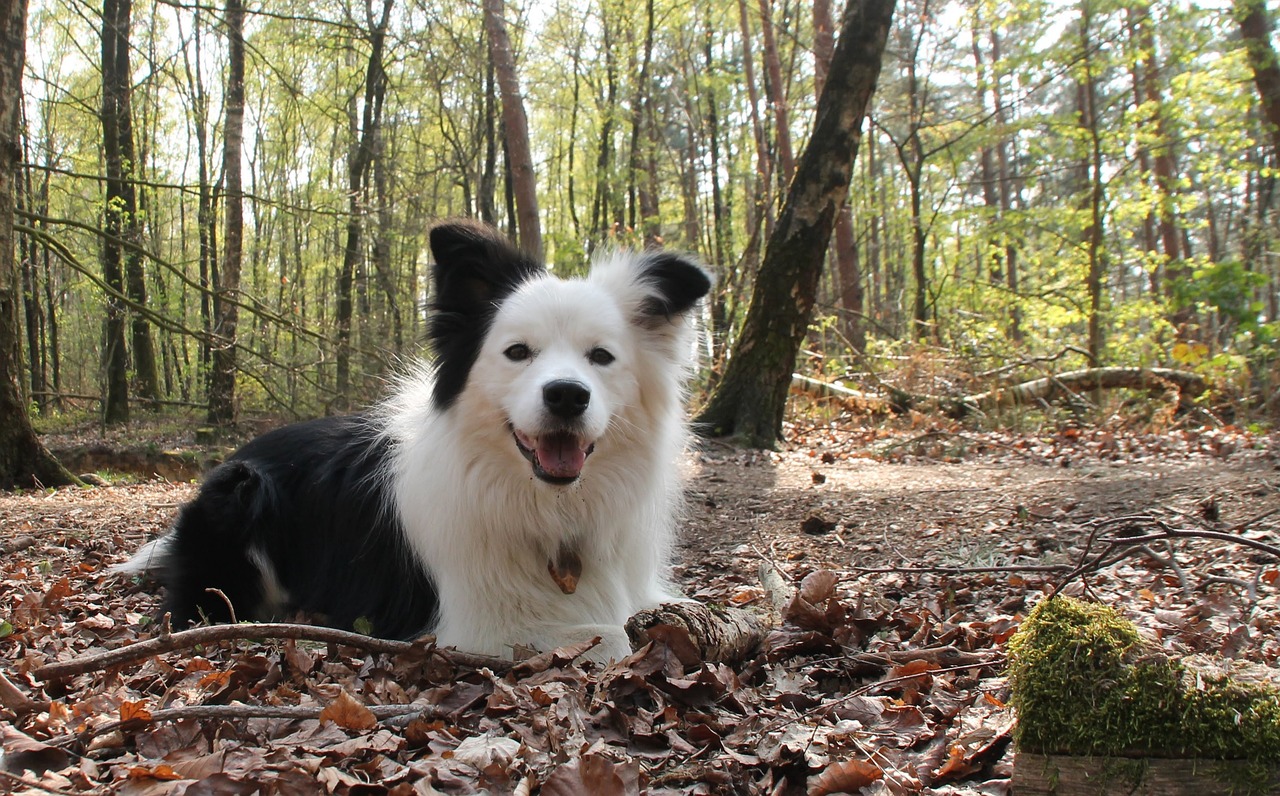
A confident dog often has their mouth slightly open with tongue relaxed, possibly lolling to one side. Their mouth may appear slightly open as if they’re smiling, with no signs of tension around the lips or jaw. This relaxed facial expression speaks volumes about their comfort level.
A relaxed and open mouth signals happiness and contentment, often accompanied by gentle panting that sounds soft rather than frantic. During play, they’ll show a relaxed facial expression, often with that characteristic soft smile or pant.
Body Language That Flows
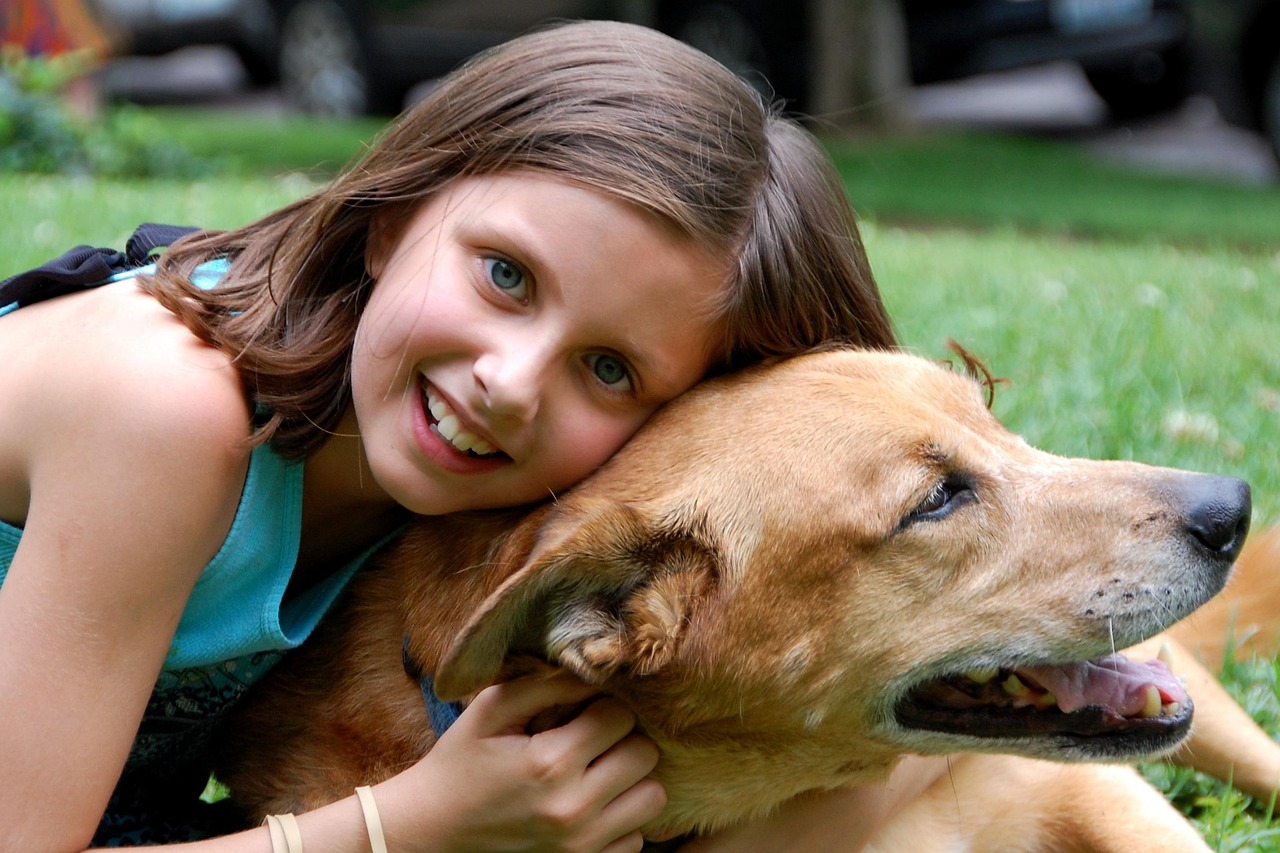
A truly confident dog has fluid, relaxed body movement that communicates joy and a desire to invite play and attention. Their body appears curved or open when moving or relaxing, creating graceful, flowing movements. There’s nothing stiff or rigid about a confident dog’s posture.
A relaxed dog stays engaged with their surroundings while maintaining a loose, waggy posture. Look for loose shoulders, that dose of wiggliness, or even complete flopped-out relaxation as clear signs your dog feels super chill.
The Art of Confident Play
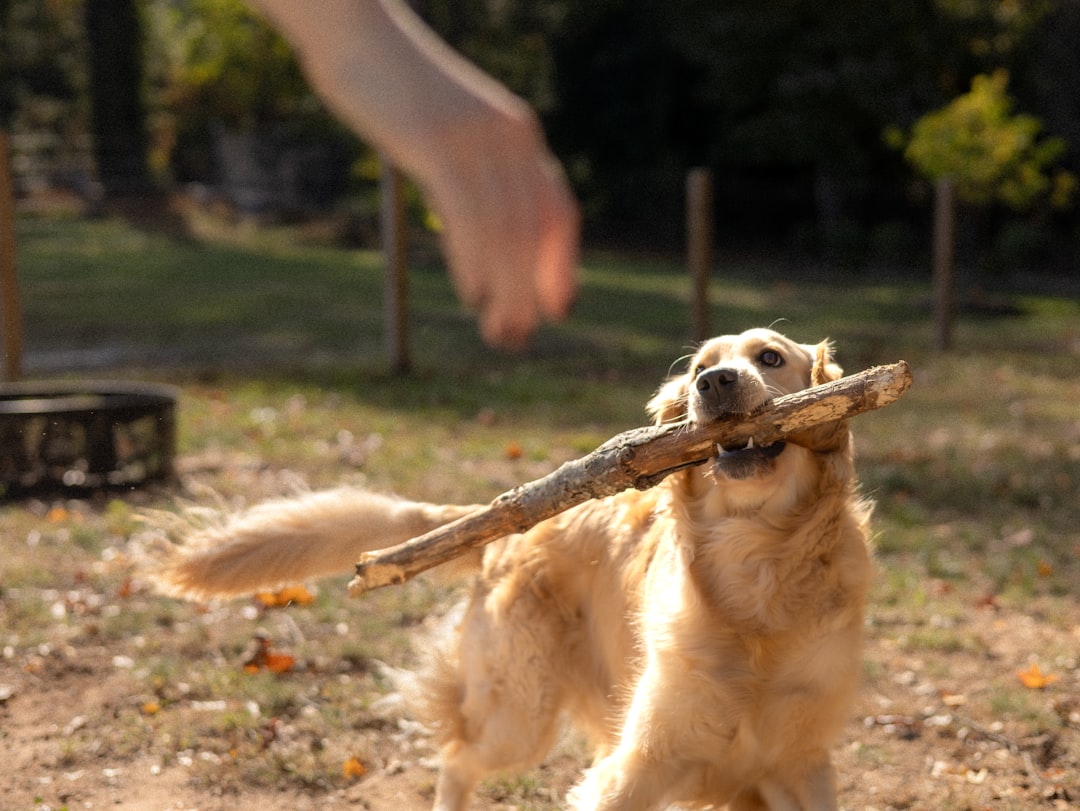
The play bow is a confident dog’s invitation to fun, where they stretch their front legs forward and lower their chest while keeping their rear end up. This classic position clearly communicates they’re ready for playtime. It’s like your dog’s way of saying, “Let’s have some fun!”
During play, confident dogs show loose, exaggerated movements with relaxed bodies and open mouths that resemble smiles. They maintain relaxed postures with bouncy movements and loose tail wags during play sessions.
Vocal Confidence Cues
Confident dogs make specific sounds that convey their state of mind, including deep and steady barks rather than high-pitched or frantic ones. They might also make contented sounds like low grumbles or soft growls during play, showing they feel comfortable and secure. These aren’t aggressive sounds but rather expressions of happiness.
Their vocalizations tend to have a certain rhythm and tone that feels different from anxious whining or fearful yelping. A confident bark has authority without aggression, and their play sounds are full of joy rather than stress.
Seeking Connection and Attention
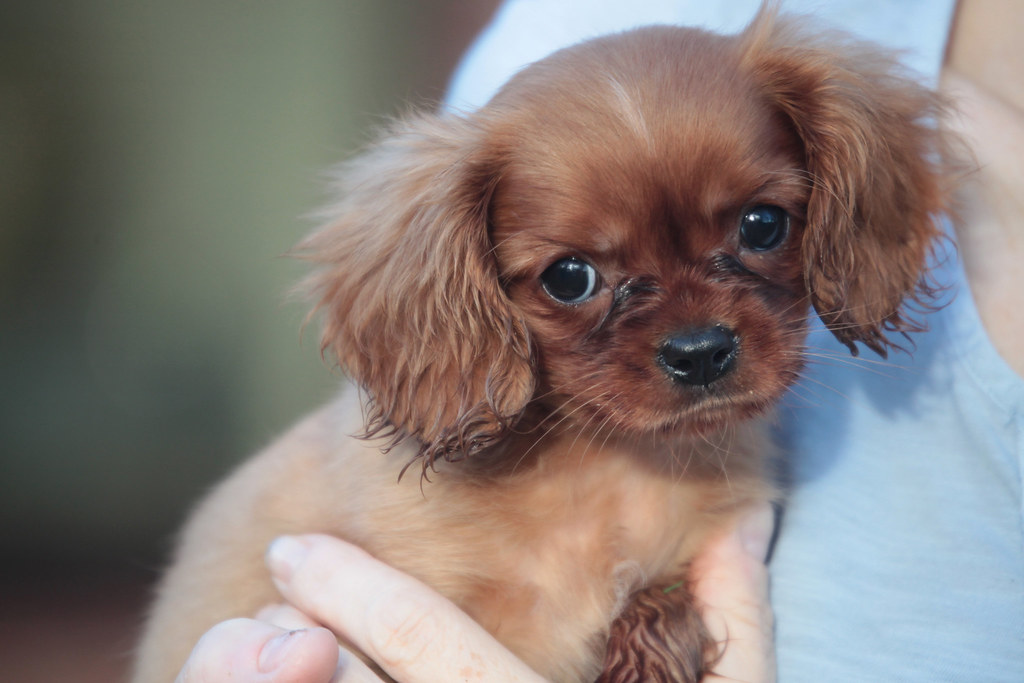
A confident dog actively seeks attention by nudging you with their nose, pawing at you, or leaning against you, showing they feel safe and want to be close. They’re more likely to come to you for attention and will lean into your hand when you pet them. This behavior shows trust and contentment.
Confident dogs remain interested in their surroundings and responsive to their owners while also being able to settle when needed. They strike that perfect balance between engagement and relaxation that shows emotional stability.
Conclusion
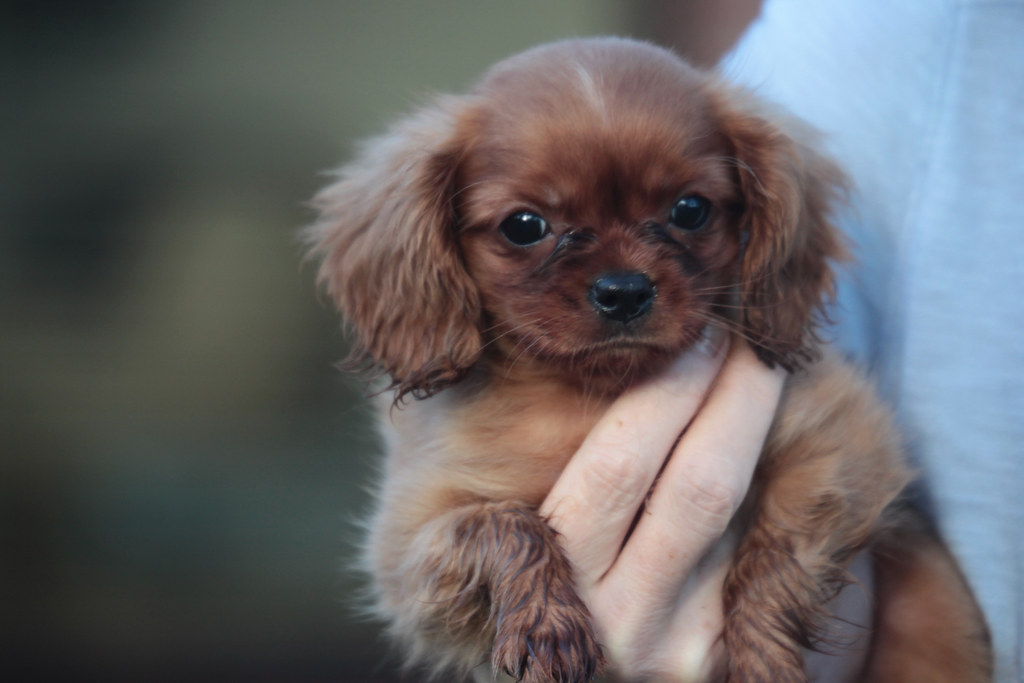
Reading your dog’s confidence signals transforms your relationship from guesswork to genuine understanding. Learning to read what your dog communicates strengthens your bond and helps you respond to their needs more effectively. When you can recognize their confident moments, you’ll know when they’re truly happy and when they might need extra support.
A confident dog is a joy to be around, and recognizing these signs helps you celebrate their good days while staying alert to changes in their emotional state. What do you think about it? Have you noticed these confident behaviors in your own pup? Tell us in the comments.


