
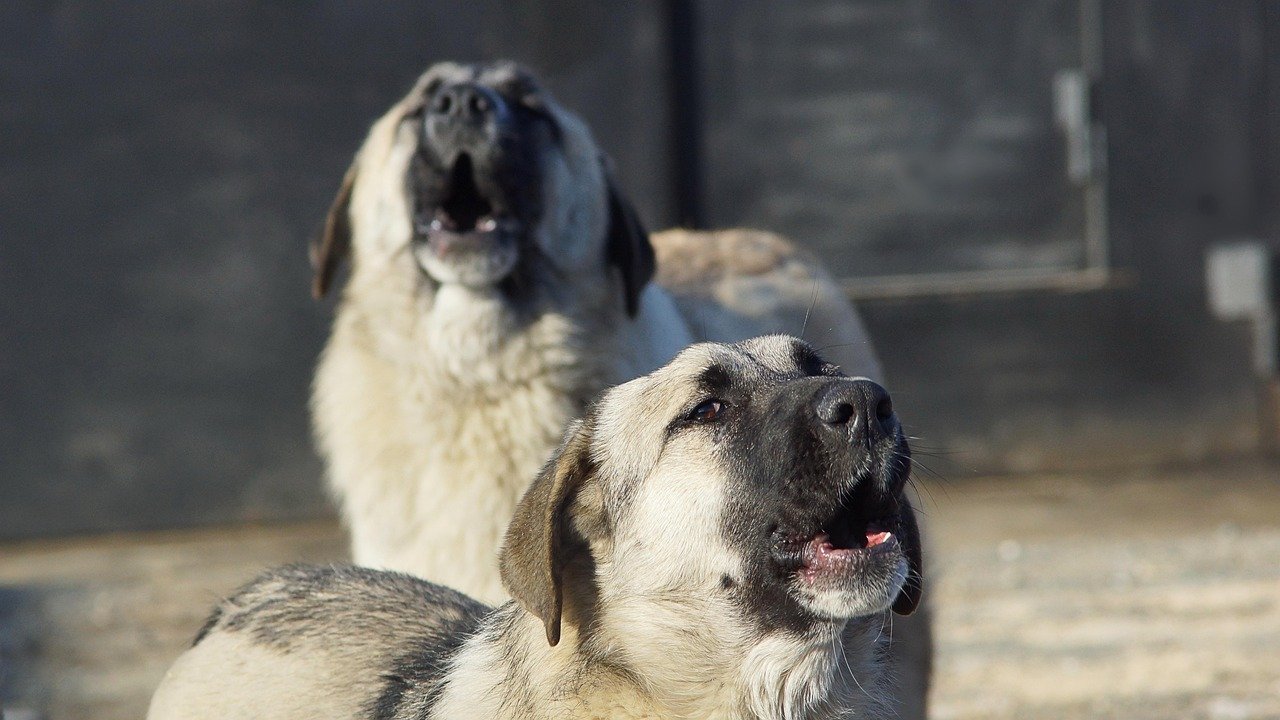
You’ve probably heard it before. That long, haunting sound that makes your heart skip a beat and your mind race through a thousand possibilities. Is your dog happy? Sad? Trying to tell you something important? Howling is one of those behaviors that can mean so many things, depending on the context, the tone, and what your furry companion is experiencing in that moment.
Unlike barking, which we hear constantly throughout the day, howling carries a different weight. It’s primal. It’s evocative. It connects our dogs to their wild ancestors in ways that no other vocalization does. Yet for those of us who live with and love these remarkable animals, understanding the difference between a joyful howl and one born from distress can feel like trying to decode a secret language. The truth is, dogs aren’t trying to keep secrets from us. They’re communicating as clearly as they know how. Let’s dive in and uncover what your dog is really saying when they throw their head back and let out that distinctive sound.
The Ancient Roots of Howling Behavior

Dogs are descendants of wolves, who rely on howling as a primary mode of long-distance communication, and this behavior has been preserved through domestication. Think of it like an ancestral text message, passed down through thousands of years of evolution. Wolves howl as a means of communication to assemble the pack, coordinate hunting activities, establish territories, and warn other groups to stay away.
Our modern dogs have inherited this instinct, even though their lifestyles have changed dramatically. Domestic dogs inherited that instinct, and while they no longer rely on howling to survive in the wild, they may still use it to maintain social contact, express emotion, or communicate with their social partners, which includes humans. Your Labrador isn’t organizing a hunt, obviously. Yet that deep-seated need to communicate over distance, to connect with their pack, remains woven into their DNA.
Reading the Room: Context is Everything

Here’s the thing about figuring out whether your dog’s howling is happy or sad. You can’t just listen to the sound alone. Deciphering what dogs are trying to communicate depends on the tone of their communication, their body language, environmental factors, health, level of comfort, and emotion, such as stress, fear, or hunger.
Picture this scenario: your dog howls when you walk through the door after work, tail wagging wildly, body wiggling with excitement. That’s joy. Howling can express excitement, loneliness, boredom, or anxiety, and the same sound can carry different meanings depending on the situation: a joyful howl when you arrive home versus a mournful one when you leave. Now imagine your dog howling when you’re getting ready to leave, pacing nervously, ears pinned back. That’s distress. Same vocalization, completely different message.
The Body Language Decoder

Paying attention to the context of the howling and your dog’s body language can help you understand the emotions they’re trying to convey. Let’s talk about what to actually look for when your dog starts howling. A happy howler typically has relaxed body posture, soft eyes, maybe even what looks like a smile. Their tail might be wagging in that wide, sweeping motion that radiates contentment.
Contrast that with a distressed howl. Stress signs to look for include whale eye (when dogs reveal the whites of their eyes), tucked ears or tail, raised hackles, lip-licking, yawning, and panting. Dogs with separation anxiety may howl when left alone, and this type of howling is often accompanied by other signs, such as pacing, panting, drooling, house soiling, or destructive chewing or scratching. These physical cues tell a completely different story than the enthusiastic howl of a dog who just spotted their favorite human.
When Howling Signals Joy and Excitement
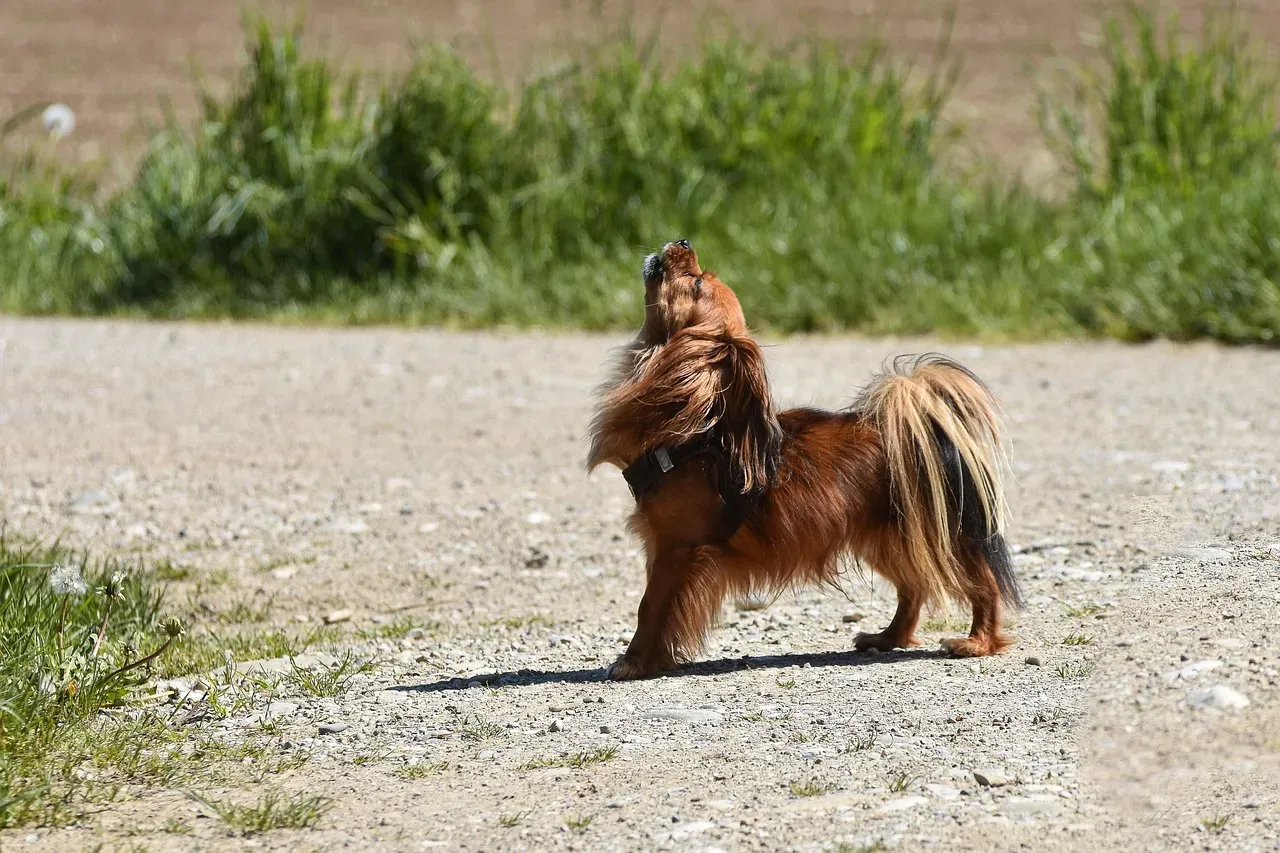
When dogs are excited, they may howl to show their excitement. I’ve seen this countless times with dogs who howl along to music, sirens, or even when their humans start singing in the shower. If your pup howls when you’re singing at the top of your lungs in the shower, they’re probably just joining in on the fun. It’s actually kind of adorable when you think about it. They’re not distressed. They’re participating in what they perceive as a group activity.
Some dogs will howl for happy reasons, including feeling excited about going to the park or engaging in another exciting activity. Think about those viral videos of Huskies throwing dramatic tantrums when they’re told it’s time for a walk. That’s not sadness. That’s pure, unbridled enthusiasm expressed through vocalization. The energy is completely different from a lonely, mournful howl.
Recognizing Distress and Sadness in Howling

Now for the harder part. Dogs howl when experiencing emotions such as loneliness, sadness, or anxiety, and they may howl when they are sad, lonely, or anxious, as howling is one way they express emotions and communicate distress. A sad, mournful howl can be a form of crying. This type of howling often has a different quality to it. Lower pitched, sustained, repetitive.
Dogs with separation anxiety often howl when their caretakers leave them alone. If you’ve ever recorded your dog while you’re away and heard that sound, you know exactly what I’m talking about. It’s heartbreaking. Looking for other stress signals helps us conclude if this howling is one of joy, like a family musical sing-along, or if this howling is in conjunction with other stress signals, indicating more unpleasant emotions of sadness.
When to Seek Professional Help

Sometimes howling isn’t about emotion at all. Sudden or unusual howling, especially from an older dog, can indicate pain, illness, or discomfort, and if your dog begins howling unexpectedly, it’s always wise to check with your veterinarian for possible medical issues. Howling can be caused by stress, pain or an underlying medical issue, and if your dog is howling and engaging in destructive behavior or exhibiting signs of stress, these could be signs of behavioral issues.
Excessive howling may be a sign of an underlying medical or behavioral issue, and pet parents who notice extreme or chronic cases of howling should seek veterinary care. I can’t stress this enough. If your dog suddenly starts howling more than usual, or the character of their howling changes dramatically, don’t wait. Trust your instincts and get them checked out. Better safe than sorry.
Your dog’s howl is a window into their emotional world. By paying attention to the whole picture – the context, the body language, the circumstances – you’ll become fluent in this ancient form of communication. Remember, whether it’s a howl of joy at your return or a cry of loneliness when you’re gone, your dog is trusting you to understand and respond to their needs. That’s a privilege, honestly. What do you think about it? Have you figured out what your dog’s howls really mean? Share your experiences in the comments below.


