

As temperatures drop, the need to focus on your dog’s joint health becomes more crucial. Winter can exacerbate joint issues, particularly in older dogs or breeds predisposed to arthritis or hip dysplasia. Understanding the basics of canine joint health can help you manage and alleviate potential issues moving into colder months.
Recognizing Signs of Joint Problems
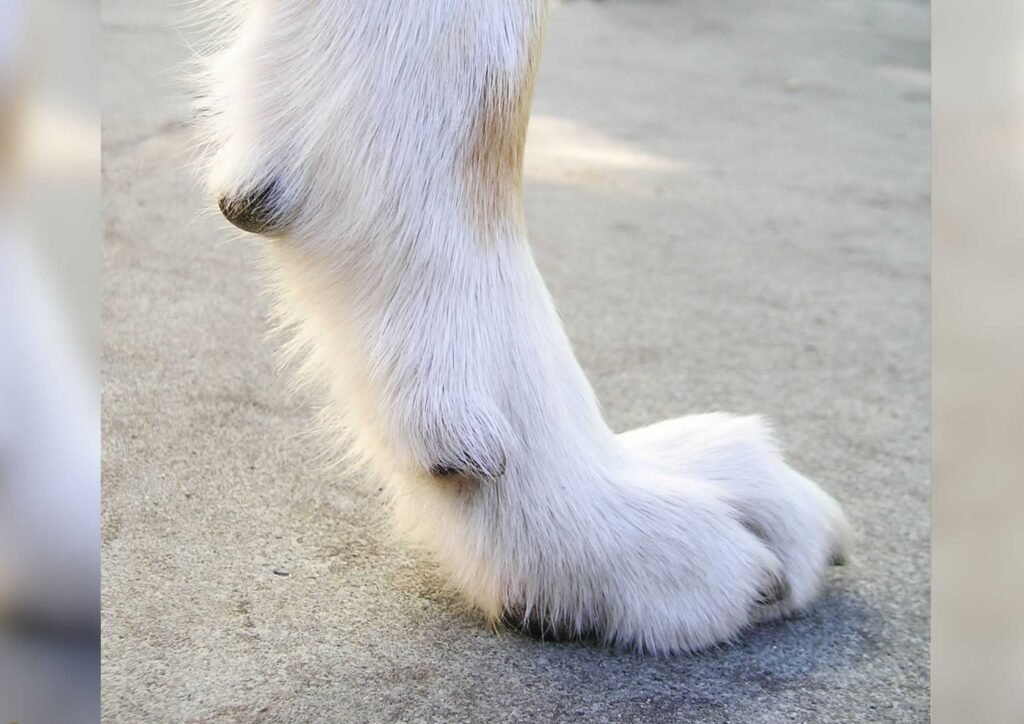
Early detection of joint issues is key to managing them effectively. Watch for signs such as limping, reluctance to move or play, stiffness, especially after resting, and behavioral changes such as irritability or withdrawal. Keeping a close eye on these symptoms can facilitate early intervention.
The Role of Nutrition in Joint Health

A balanced diet plays a crucial role in maintaining joint health. Ensure your dog’s meals are rich in omega-3 fatty acids, which are known for their anti-inflammatory properties. Incorporating foods or supplements containing glucosamine and chondroitin can also support joint cartilage maintenance.
Supplementation for Enhanced Support

In addition to dietary considerations, supplements can offer added support. Glucosamine, chondroitin, MSM, and fish oil are popular supplements that aid joint health. Consult your veterinarian for recommendations tailored to your dog’s specific needs.
Importance of Regular Exercise
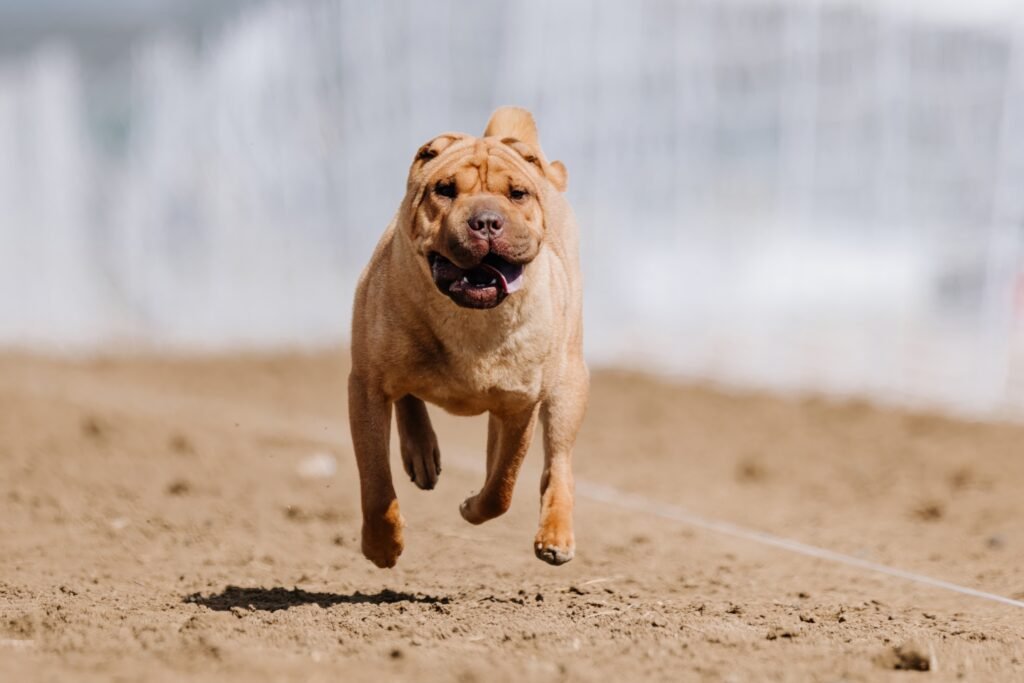
Consistency in exercise is vital for joint health, even in winter. Exercise maintains joint flexibility and muscle mass, which supports the joints. Opt for short, frequent walks instead of lengthy ones to avoid overexertion, and consider indoor play to keep your dog active without exposure to the cold.
Adapting Exercise Routines During Winter

With dropping temperatures, altering your dog’s exercise routine can be beneficial. Consider indoor activities like fetch in a spacious room or hallway or mental stimulation games that encourage movement without harsh outdoor conditions. Always warm up your dog’s muscles with a gentle walk before engaging in vigorous activity.
Creating a Warm and Comfortable Living Environment

Maintaining a warm environment is essential for dogs with joint issues. Provide a cozy bed away from drafts, and consider using heated mats designed for pets. If your dog is comfortable, their joints are likely to be less stiff and sore.
Using Joint-Friendly Accessories

Joint support doesn’t stop at nutrition and exercise. Invest in ramps or stairs to help your dog access sofas or beds without jumping, which can strain their joints. Non-slip mats on slippery floors can also prevent accidents and provide better traction.
The Benefits of Regular Veterinary Check-Ups

Regular vet visits are crucial for monitoring your dog’s joint health. Your vet can assess progression and adjust treatment plans as needed, ensuring your dog remains comfortable throughout the winter months. They can also recommend specific therapeutic exercises, medications, or supplements.
Alternative Therapies for Joint Health

Exploring alternative therapies can provide relief and improve joint health. Acupuncture, hydrotherapy, and massage are increasingly popular options. These therapies can enhance blood flow, reduce pain, and increase mobility without relying solely on medication.
Proactive Care for a Comfortable Winter

Maintaining your dog’s joint health in winter requires a proactive approach, encompassing proper nutrition, exercise, and a warm living environment. By closely monitoring their condition and seeking veterinary advice, you can help ensure that your furry friend remains active, happy, and comfortable, regardless of the weather outside.


