
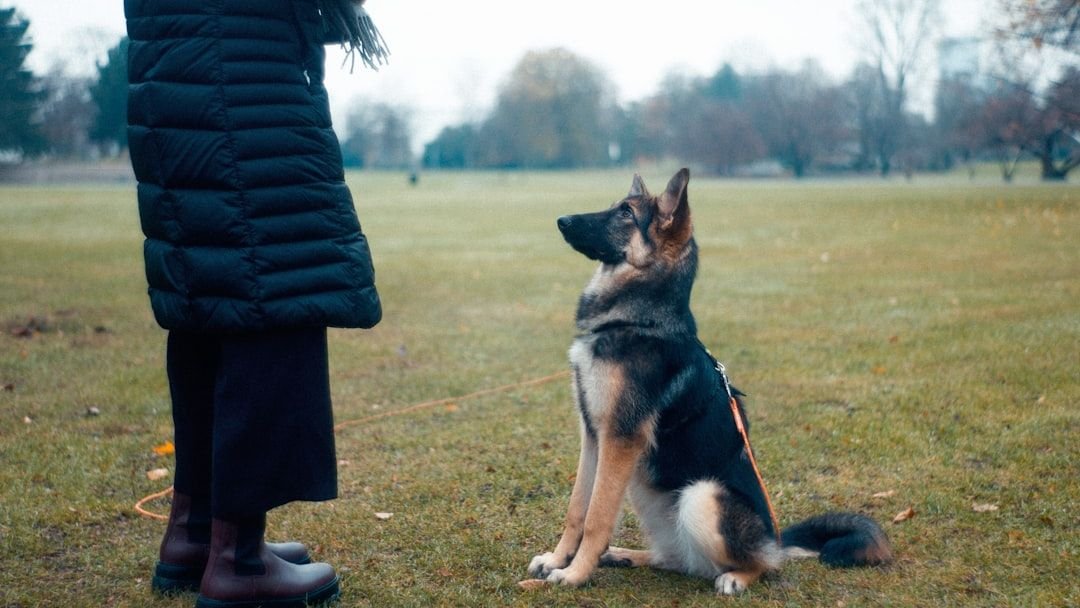
You love your little dog more than anything. That tiny wagging tail, those big eyes, the way they curl up perfectly in your lap. Yet sometimes, often at three in the afternoon or right when you’re on an important call, the barking starts. It echoes through your home, pierces through your patience, and makes you wonder if you’re doing something wrong.
Here’s the thing. You’re not alone, and your small dog isn’t trying to drive you crazy. They’re talking to you the only way they know how. Small dogs bark for reasons that are deeply rooted in their biology, their past experiences, and honestly, sometimes in the way we treat them. The good news is that with the right approach, understanding, and a bit of consistency, you can help your pint-sized companion find their indoor voice. So let’s dive in.
Understanding Why Small Dogs Bark More

Small dogs may bark more to make themselves seem larger, scarier, and more aggressive than their large dog counterparts. Think about it from their perspective. The world is enormous when you’re only a few inches off the ground. Every stranger, every delivery truck, every unfamiliar noise feels like a potential threat.
Their heightened alertness and territorial instincts, developed through generations of selective breeding, make them naturally more vocal than larger breeds. Many small breeds like terriers, miniature schnauzers, and Chihuahuas were bred specifically to be alert dogs, guarding homes and warning their owners of intruders. It’s in their DNA.
There’s also what behaviorists call small dog syndrome. Owners of small dogs were found to be more inconsistent in their interactions with their dogs than owners of large dogs. We pick them up when they’re scared, we let certain behaviors slide because they’re “cute,” and we don’t always give them the same training we’d give a German Shepherd. That inconsistency confuses them and reinforces unwanted barking.
Identifying The Root Cause Of Your Dog’s Barking

While it may seem like your noisy pooch is just barking for the sake of barking, they always have a reason. Your job is to become a detective. Watch your dog closely when they start barking. What just happened? Was there a noise outside? Did someone walk past the window? Are they looking at you expectantly?
Dogs sometimes bark in response to pain or a painful condition. Before attempting to resolve your dog’s barking problem, please have your dog examined by a veterinarian to rule out medical causes. This is especially important if the barking is a recent development or seems out of character.
Common triggers include territorial responses, attention seeking, boredom, anxiety, and alarm reactions. Some dogs bark when they hear other dogs in the neighborhood. Others bark when left alone because of separation anxiety. The more specific you can be about when and why your dog barks, the more effectively you can address it.
Environmental Changes That Actually Work
Sometimes the simplest solutions are the most effective. Apply translucent window clings so your dog can’t look out. Block access to windows. If your little one is barking at every person who walks past your living room window, they can’t bark at what they can’t see.
Play music or leave the television on to mask outdoor noises. White noise machines can be lifesavers, especially if your dog is triggered by sounds like car doors slamming or neighbors talking. The goal is to reduce their exposure to barking triggers before you’ve finished training.
Give your dog daily mental and physical exercise to wear them out a bit. Mental stimulation, like a little training, often tires dogs out quickly. A tired dog is a quieter dog. Take them for longer walks, let them sniff to their heart’s content, play fetch in the yard, or use puzzle toys that make them work for their food. When their energy is properly channeled, they have less need to bark out of boredom or frustration.
Training Techniques That Reduce Barking
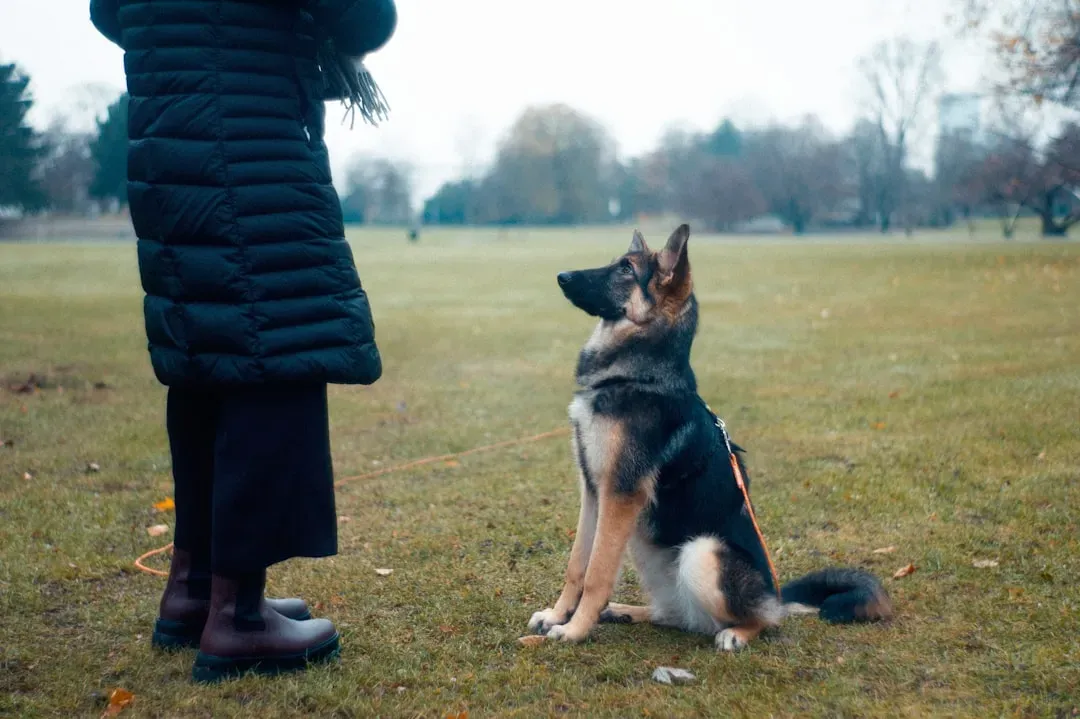
You’ll be more successful and limit your dog’s stress if you address the cause of the barking rather than by simply using anti-bark collars, shock collars or other negative enforcement devices on the market. Positive reinforcement is the gold standard here. Never punish your dog for barking. Instead, teach them what you want them to do.
Whenever your dog is barking, wait for them to take a break, even if it’s just for a second. As soon as they stop barking, give them a delicious dog training treat. Once you can predict when your dog is about to stop barking, give a cue like “quiet” right beforehand, then treat them when they comply. After enough repetitions, your dog will learn it pays to stop barking at your request.
Consistency is everything. Everyone in your household needs to follow the same rules. If one person rewards the barking by giving attention and another ignores it, your dog will just get confused and keep trying. Short, frequent training sessions work better than long, exhausting ones. Five minutes three times a day is more effective than one marathon session.
Managing Attention-Seeking And Demand Barking

Let’s be real. Sometimes your dog barks because they’ve trained you to respond. They bark, you look, you talk, you give them what they want. Mission accomplished from their perspective. Ignore attention-seeking barks. Simply turn your back or walk away. If your dog discovers barking is ineffective, they will stop wasting their energy and try something else.
I know it sounds crazy, but even negative attention is attention. Yelling at your dog to be quiet actually sounds like you’re joining in the barking from their point of view. Dogs don’t understand English scolding the way we think they do. They just hear loud noises and emotion, which can amp them up even more.
Give your dog calm praise or rewards when they are resting quietly. Catch them being good. When they’re lying down calmly, toss them a treat. When they’re quiet while you’re working, give them gentle praise. This teaches them that calm, quiet behavior gets rewarded, which is far more powerful than punishing the opposite.
When To Seek Professional Help

Excessive barking due to separation anxiety occurs only when a dog’s caretaker is gone or when the dog is left alone. You’ll usually see at least one other separation anxiety symptom as well, like pacing, destruction, elimination, depression or other signs of distress. If your dog’s barking is paired with destructive behavior, house soiling, or extreme distress, you’re likely dealing with anxiety that requires professional intervention.
Sometimes the issue is deeper than basic training can fix. Certified professional dog trainers, veterinary behaviorists, or certified applied animal behaviorists can assess your dog’s specific situation and create a tailored behavior modification plan. There’s no shame in asking for help. In fact, it shows how much you care about your dog’s wellbeing.
If your dog’s barking has suddenly increased or changed in tone, that’s another red flag to consult your vet. Changes in vocalization can indicate pain, cognitive decline in older dogs, or hearing and vision loss. Rule out medical issues first, then address the behavioral component.
Conclusion: Patience, Love, And Realistic Expectations

It will take some time to teach your dog to bark less. Unfortunately, it’s just not realistic to expect a quick fix or to expect that your dog will stop barking altogether. Your goal should be to decrease, rather than eliminate, the amount of barking. Barking is natural canine communication. You wouldn’t expect a person to stop talking completely, right?
Managing your small dog’s barking is a journey, not a destination. Some days will be better than others. There will be setbacks. Your dog might master the quiet cue at home and then bark their head off at the vet’s office. That’s normal. Keep practicing, stay consistent, and remember that your dog isn’t being difficult on purpose.
The bond you share with your little companion is worth every bit of effort. With understanding, patience, and the right strategies, you can create a peaceful home where your dog feels safe, heard, and loved. What’s your biggest challenge with your dog’s barking? Have you found a technique that really works for you?


