

Have you ever watched your beloved furry friend cower under the couch or tremble in fear as the first rumble of thunder echoes through the sky? Thunderstorm phobia in dogs is a heart-wrenching reality for many pet owners. This intense fear can turn a stormy day into a nightmare for both you and your pet. But fear not, as there are effective strategies to help your dog cope with this anxiety-inducing phenomenon. Let’s dive into the world of thunderstorm phobia and explore how you can transform those stormy nights into calm and cozy evenings for your four-legged companion.
Understanding Thunderstorm Phobia in Dogs

Thunderstorm phobia is more than just a mild discomfort for some dogs; it’s a deep-rooted fear that can cause extreme distress. Dogs are incredibly sensitive to changes in the environment, and the loud noises, flashes of lightning, and atmospheric pressure shifts during a storm can be overwhelming. Imagine being in a room with flashing lights and booming sounds with no way to escape—it’s no wonder dogs feel anxious! Recognizing the signs of this phobia is the first step in helping your pet.
Symptoms can vary from dog to dog, but common signs include trembling, hiding, excessive barking, and even destructive behavior. Some dogs may also pant excessively or attempt to escape their environment. Understanding these symptoms allows you to empathize with your pet and take action. It’s important to remember that thunderstorm phobia is involuntary, and your dog isn’t acting out of spite or disobedience.
Creating a Safe Haven

One of the most effective ways to help your dog cope with thunderstorm anxiety is by creating a safe haven. This is a designated area in your home where your dog feels secure and protected. Think of it as a cozy den where they can retreat during a storm. Choose a quiet, enclosed space like a bathroom or a closet, and make it comfortable with their favorite blankets and toys.
Adding white noise or calming music can also help drown out the sound of thunder. The aim is to create an environment where your dog feels shielded from the chaos outside. Encourage your dog to use this space during calm weather so they associate it with safety and comfort. Over time, this safe haven can become their go-to spot for relaxation during storms.
Desensitization and Counterconditioning
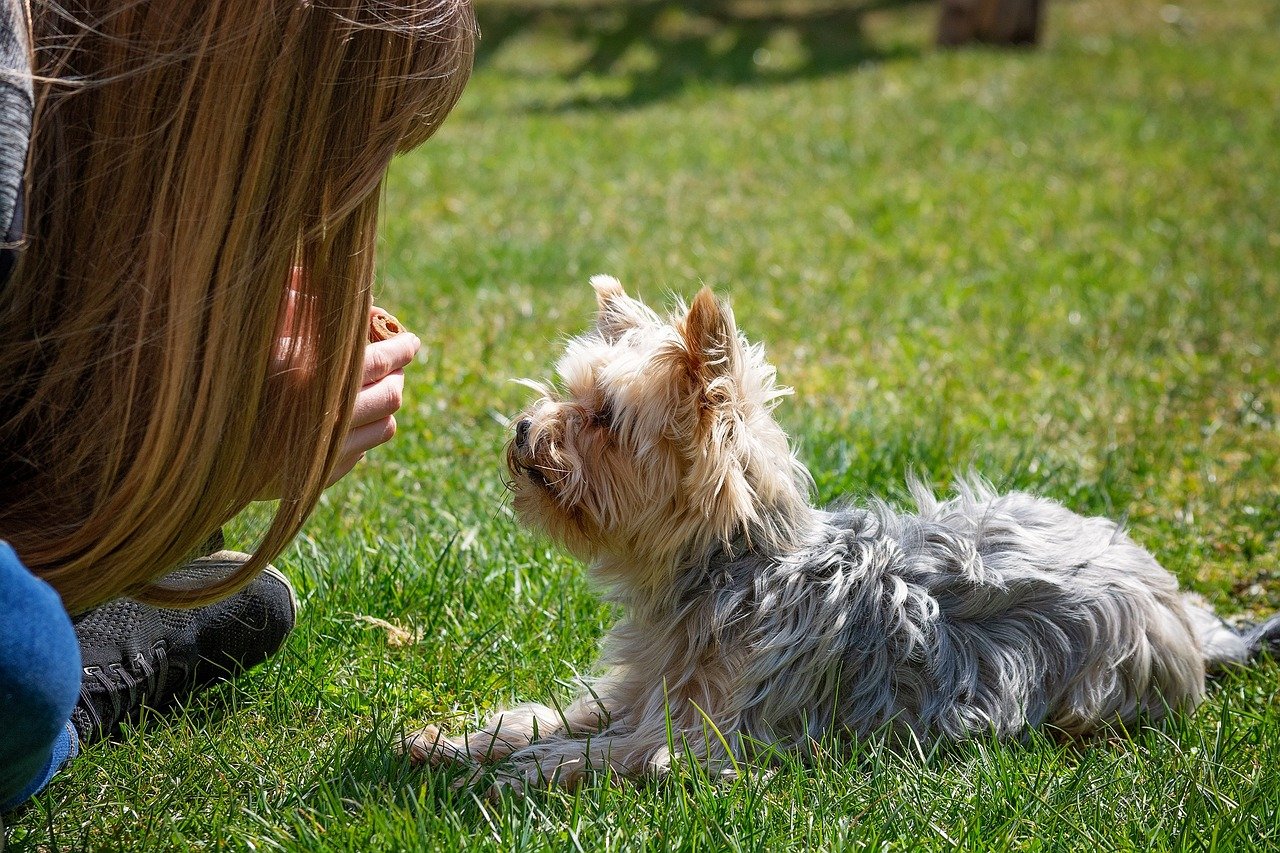
Desensitization and counterconditioning are powerful tools in managing thunderstorm phobia. Desensitization involves gradually exposing your dog to the sounds of a thunderstorm in a controlled environment. You can use recordings of thunder played at a low volume, gradually increasing the sound as your dog becomes more comfortable.
Counterconditioning pairs the sound of thunder with something positive, like treats or playtime. This helps change your dog’s emotional response from fear to anticipation of something enjoyable. It’s like retraining your dog’s brain to associate the storm with happy experiences. Patience is key, as this process takes time and consistency, but the results can be incredibly rewarding.
Using Calming Products
In recent years, a variety of calming products have emerged to help dogs with anxiety. Thunder shirts, for example, provide gentle pressure to your dog’s body, similar to swaddling a baby. This pressure can have a calming effect and reduce anxiety during storms. Additionally, pheromone diffusers release calming scents that can help soothe your dog’s nerves.
Natural supplements and calming treats are also available, containing ingredients like chamomile and valerian root. These can help take the edge off your dog’s anxiety without causing drowsiness. Always consult with your veterinarian before introducing new products to ensure they are safe and appropriate for your pet.
The Power of Routine

Dogs thrive on routine, and establishing a consistent daily schedule can help reduce anxiety. During stormy seasons, try to maintain regular feeding, walking, and playtime schedules. A predictable routine provides a sense of stability and security for your dog, which can be especially comforting during unpredictable weather.
Incorporating calming activities into your routine, such as gentle massage or quiet playtime, can further help ease your dog’s nerves. Remember, your demeanor during a storm plays a significant role too. Staying calm and composed can reassure your dog that there is nothing to fear.
Professional Help and Training
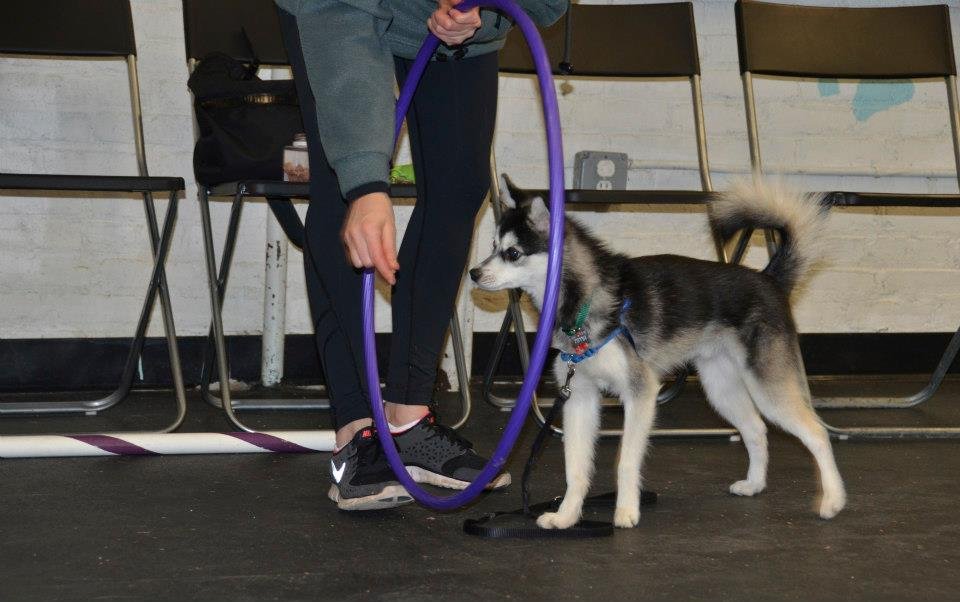
If your dog’s thunderstorm phobia is severe, seeking professional help may be necessary. Certified dog trainers and behaviorists can work with you to develop a tailored plan for managing your dog’s anxiety. They can provide valuable insights and techniques that you might not have considered.
In some cases, your veterinarian may recommend medication to help manage your dog’s anxiety. This is usually considered when other methods have not been successful. It’s important to approach this option with care, as medication should be used in conjunction with behavioral techniques for the best results.
The Role of Exercise and Mental Stimulation

Physical exercise and mental stimulation are essential components of a balanced lifestyle for your dog. Regular exercise helps reduce overall anxiety levels and can be a great outlet for nervous energy. A tired dog is often a calmer dog, so make sure your pet gets plenty of playtime and walks.
Mental stimulation, such as puzzle toys and training exercises, can also help distract your dog from the storm. Engaging their mind can divert their focus from the noise outside, making the storm less intimidating. Consider introducing new challenges and games to keep your dog mentally occupied during stormy weather.
Building Trust and Bonding
Finally, building a strong bond of trust with your dog is crucial in managing thunderstorm phobia. Your dog looks to you for comfort and reassurance, so being present and supportive during storms can make a significant difference. Spend quality time with your pet, offering gentle affection and encouragement.
Creating positive associations with stormy weather through bonding activities can help reduce your dog’s anxiety. Whether it’s cuddling on the couch or playing a quiet game, your presence can be the calming force your dog needs. Remember, your love and understanding are powerful tools in helping your furry friend overcome their fears.
In conclusion, managing thunderstorm phobia in dogs is a journey that requires patience, empathy, and a willingness to explore different strategies. By understanding your dog’s fears and taking proactive steps, you can help them feel safe and secure during even the stormiest nights. As a pet owner, your compassion and dedication can transform your dog’s experience from one of fear to one of comfort and calm. What steps will you take to ensure your furry friend feels safe during the next storm?


