
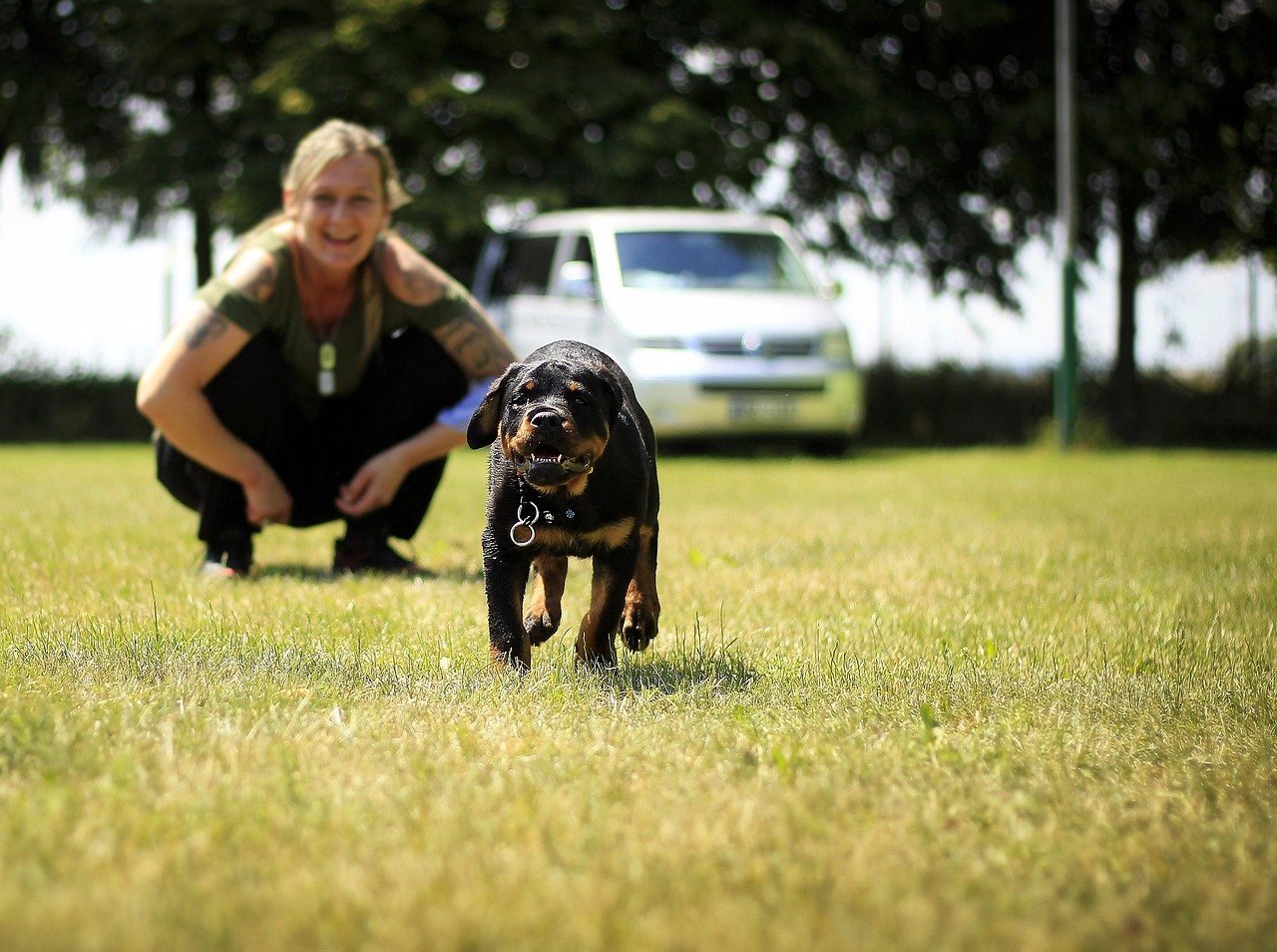
Rottweilers are strong, energetic dogs that need regular exercise to stay healthy and happy—but too much can be just as harmful as too little. Striking the right balance is key to keeping your Rottie fit without putting stress on their joints or muscles. Whether it’s a brisk walk, a game of fetch, or some mental stimulation, there are plenty of ways to meet their needs safely. In this guide, we’ll break down how to create an exercise routine that suits your Rottweiler’s age, size, and energy level. With the right approach, your pup will stay active, healthy, and totally content!
Understanding the Rottweiler’s Unique Energy
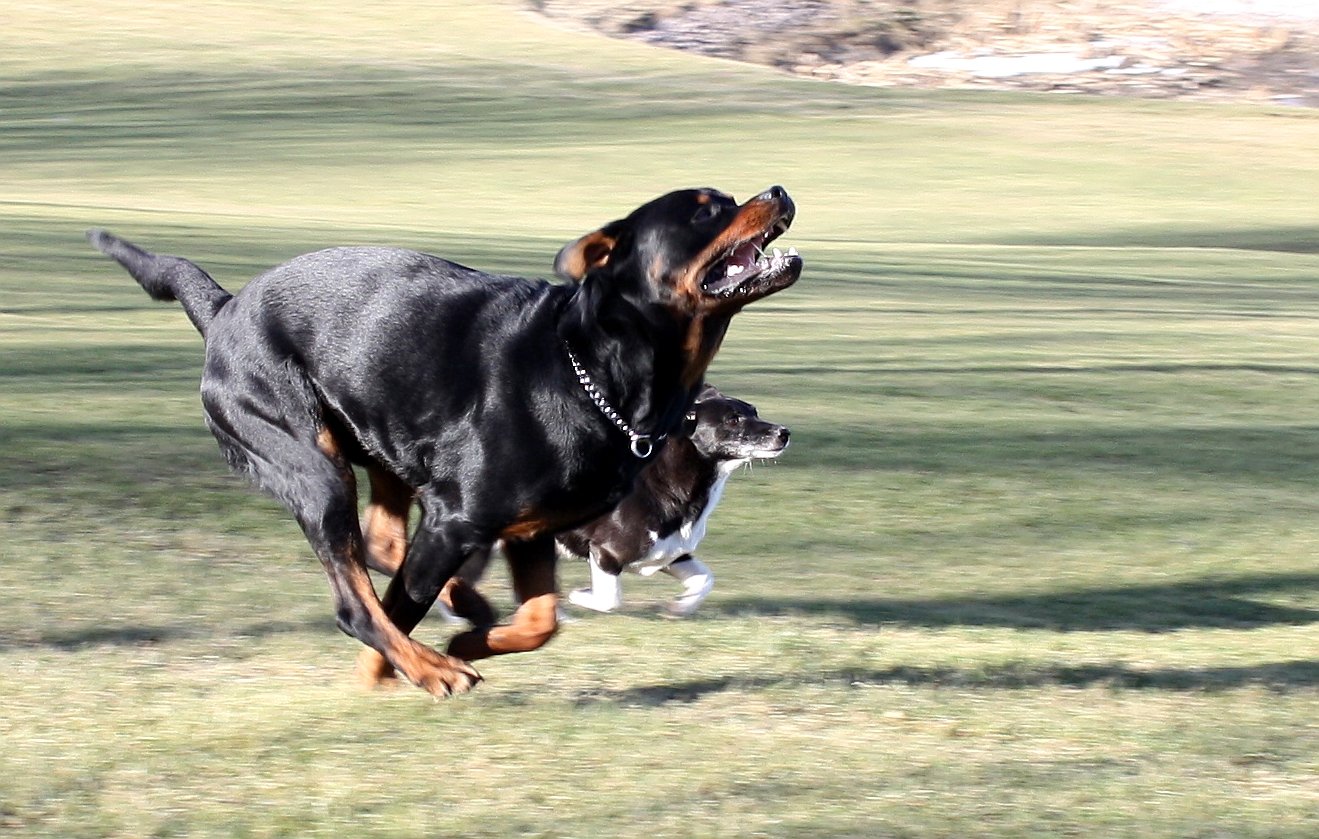
Rottweilers are known for their strength and stamina, but they’re not just exercise machines. Their energy levels are unique, blending bursts of playfulness with periods of calm. While they can be surprisingly chill at home, once outside, their athleticism shines. Many people are shocked to discover that Rottweilers aren’t as hyperactive as some breeds, but they still crave regular outlets for their energy. This mix means you need to provide both mental and physical challenges, while also realizing that these dogs appreciate downtime. Knowing your Rottweiler’s typical behavior helps you tailor an exercise plan that respects their natural rhythms. Always remember: every Rottie is different, so learn to read your own dog’s cues.
The Danger of Over-Exercising
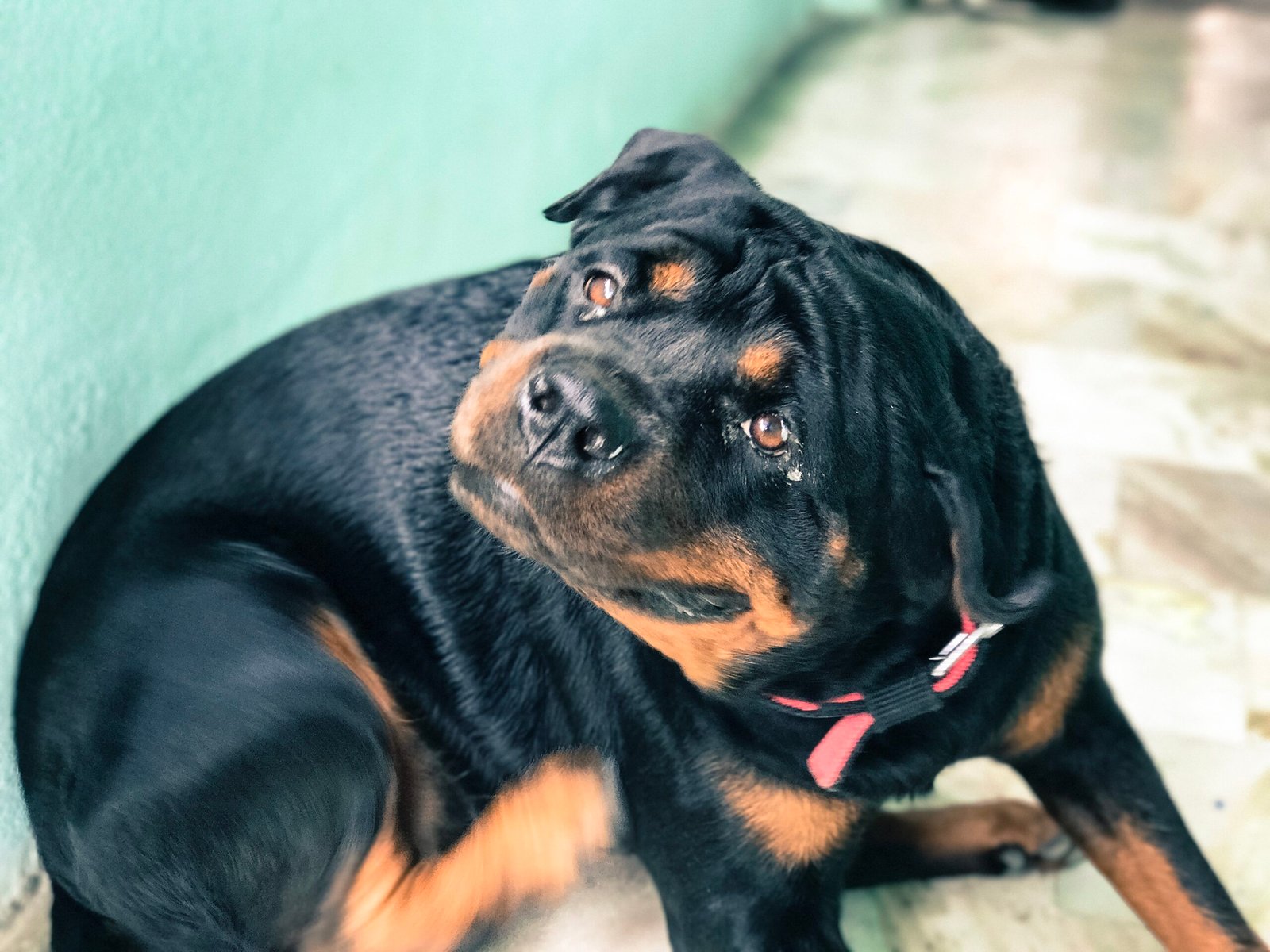
It’s easy to believe that more exercise is always better, especially for a big, muscular breed. But with Rottweilers, overdoing it can have serious consequences. Puppies, in particular, are at risk of damaging their developing joints if pushed too hard. Even adult Rottweilers can suffer from muscle strains, overheating, or exhaustion if not given enough rest. Signs of over-exercising include excessive panting, limping, reluctance to move, or an unusual amount of fatigue afterward. It’s heartbreaking to see a dog in pain, especially when all you wanted was to make them happy. Always watch for subtle changes and be ready to cut back when needed.
Age Matters: Puppies vs. Adults vs. Seniors
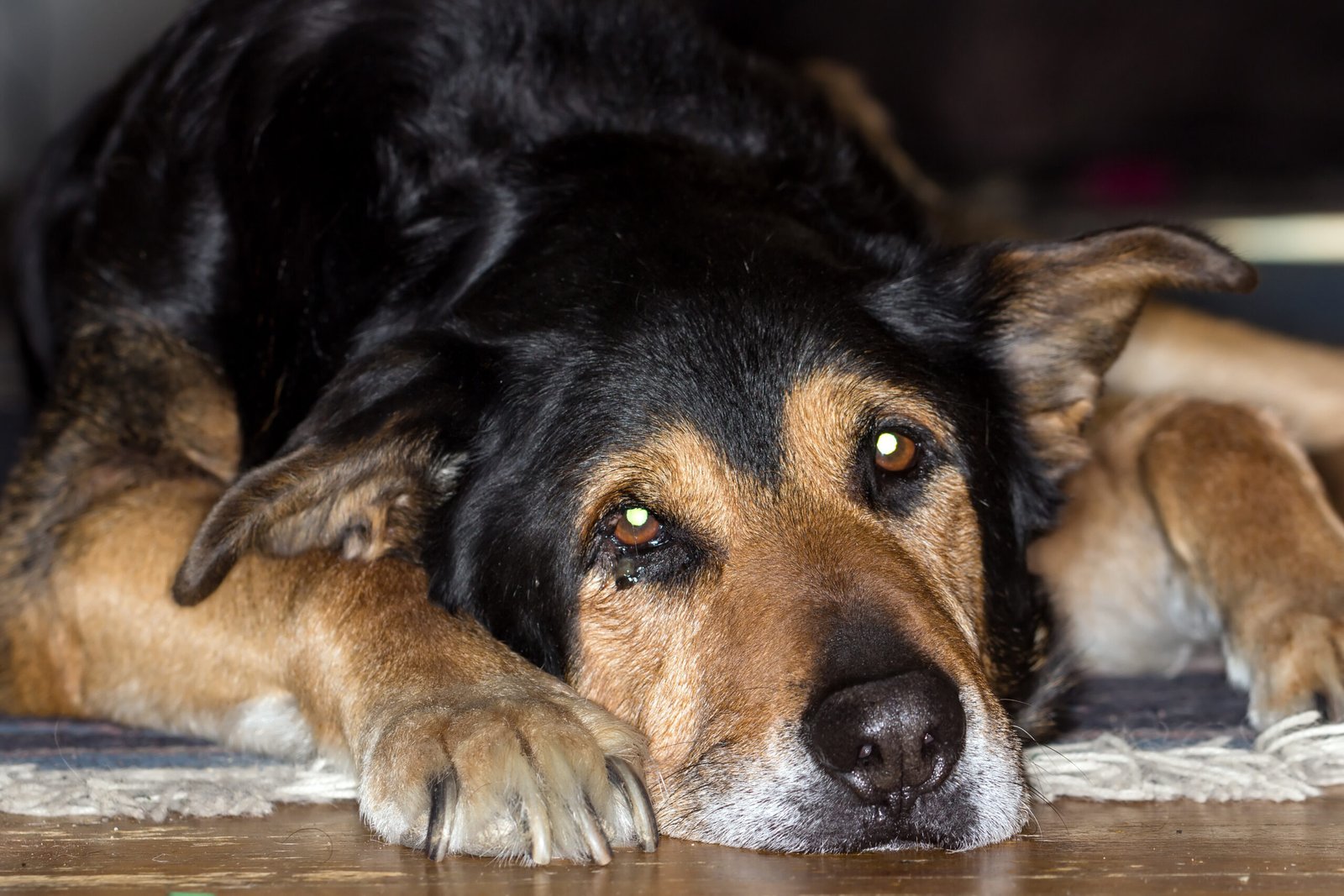
The exercise needs of a Rottweiler change dramatically as they grow. Puppies need short, gentle play sessions rather than long walks or runs. Their bones and joints are still developing, making them vulnerable to injury. Adult Rottweilers can handle more vigorous activity, such as brisk walks, jogging, or structured play. However, even adults need a balance, with time for rest and recovery. Senior Rottweilers, meanwhile, may prefer slower strolls and shorter playtimes to avoid stressing aging joints. Always tailor your exercise routine to your dog’s life stage, and don’t be afraid to adjust as they age or if health issues arise. Think of it as tuning an instrument—sometimes a gentle touch is best.
Recognizing Signs of a Satisfied Rottweiler
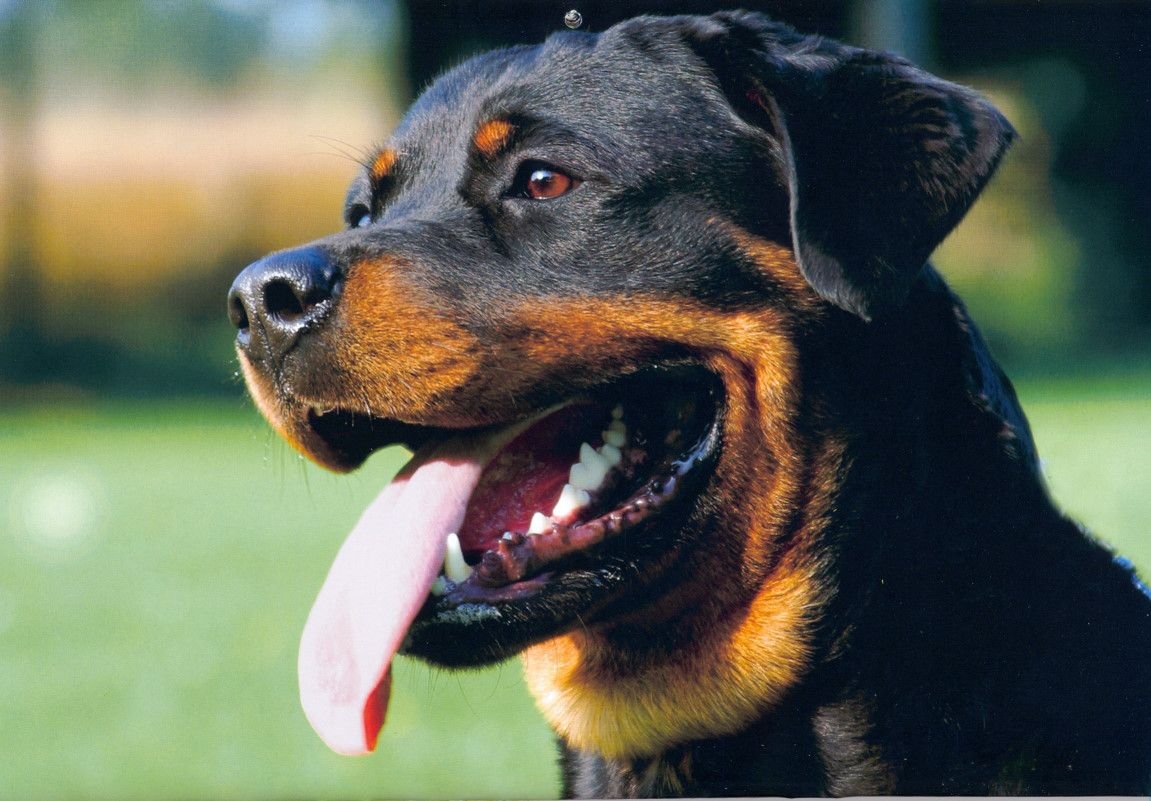
How do you know if you’ve hit the sweet spot with your Rottweiler’s exercise? A well-exercised Rottweiler is relaxed, content, and less likely to engage in destructive behaviors. After a good session, they may lie down quietly, chew on a toy, or nap peacefully. You won’t see frantic barking, chewing, or digging—signals that they need more stimulation. At the same time, a dog that’s too tired may seem uninterested in food or play, or might limp or seem stiff. Pay attention to your Rottie’s mood and body language after exercise. Their satisfaction is the best indicator that you’re getting it right.
Mixing Physical and Mental Exercise
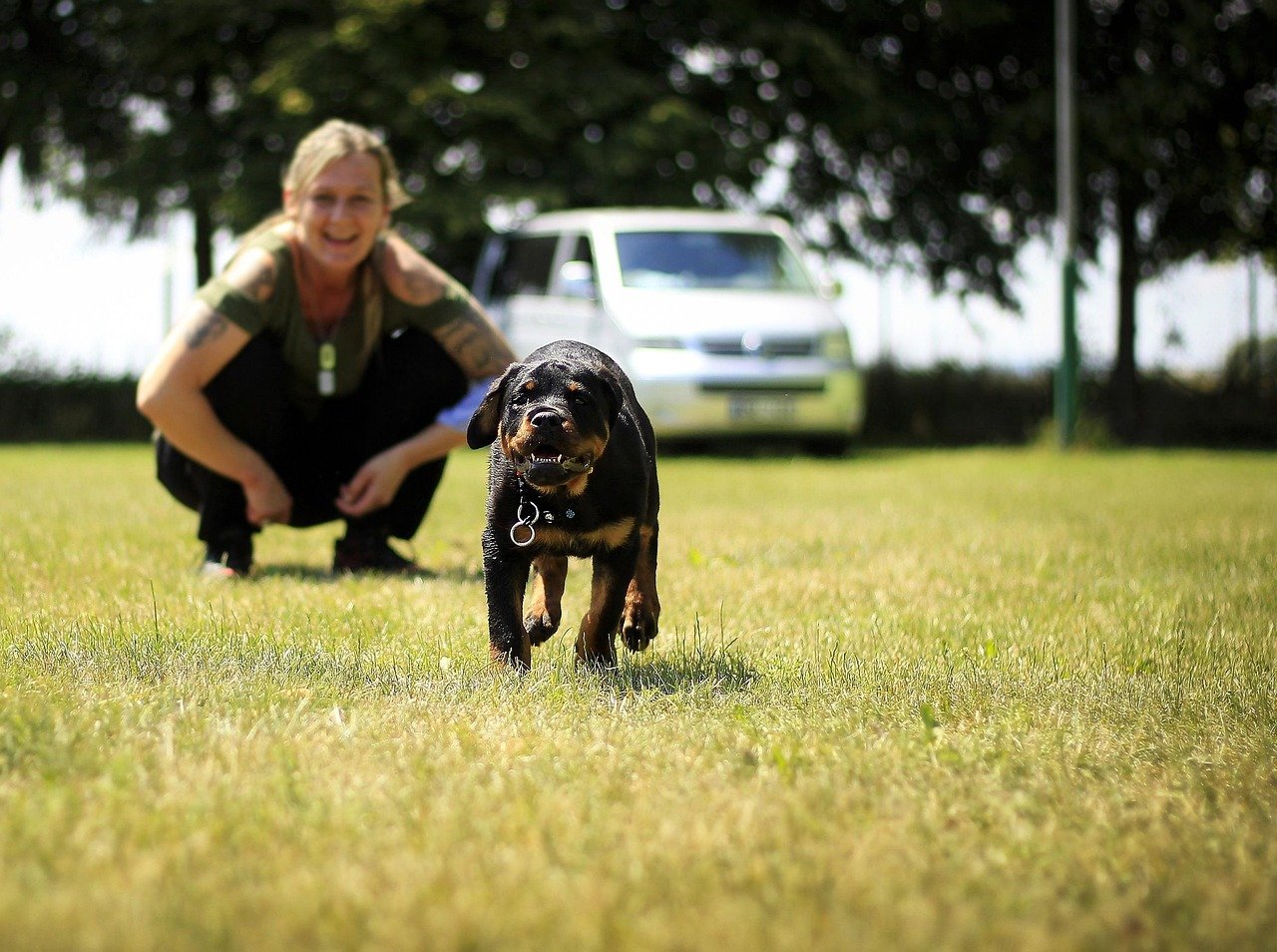
Rottweilers are thinkers as well as movers. Physical exercise keeps their bodies fit, but mental stimulation is just as crucial. Puzzle toys, obedience training, and scent games can all tire out your Rottie’s mind, giving them a sense of purpose and calm. Try hiding treats around the house or teaching them new tricks—these activities can be just as exhausting as a run in the park. Mixing brain games with physical play keeps your dog from getting bored and reduces the risk of overdoing it physically. Think of it like cross-training for athletes: variety keeps things interesting and balanced.
Outdoor Adventures: Safe and Fun Ideas
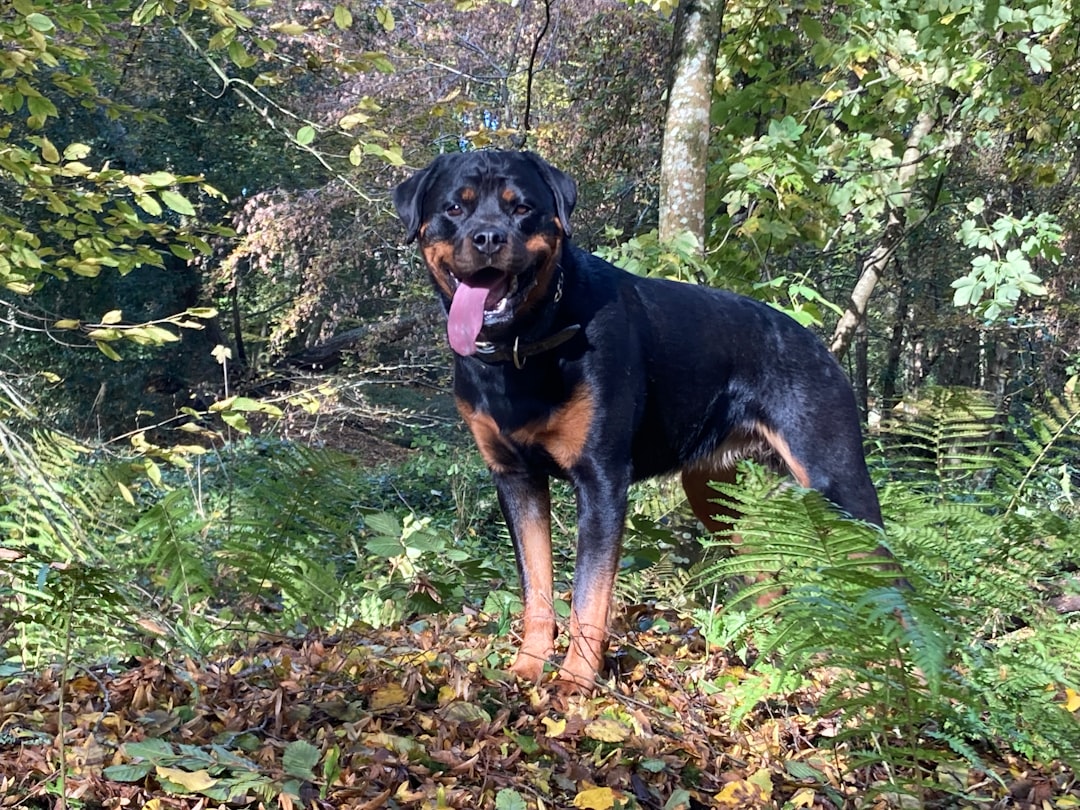
Outdoor time is a Rottweiler’s delight, but safety comes first. Walks on leash, hikes on dog-friendly trails, and play sessions in secure yards all offer wonderful opportunities for exercise. Swimming can be a low-impact favorite for some Rotties, especially in warmer months. Always watch for signs of fatigue or overheating, especially in hot weather. Remember, your Rottweiler might not know when to stop, so it’s up to you to set boundaries. Rotate activities and locations to keep things exciting and engaging for both you and your dog.
Structured Play: The Power of Games
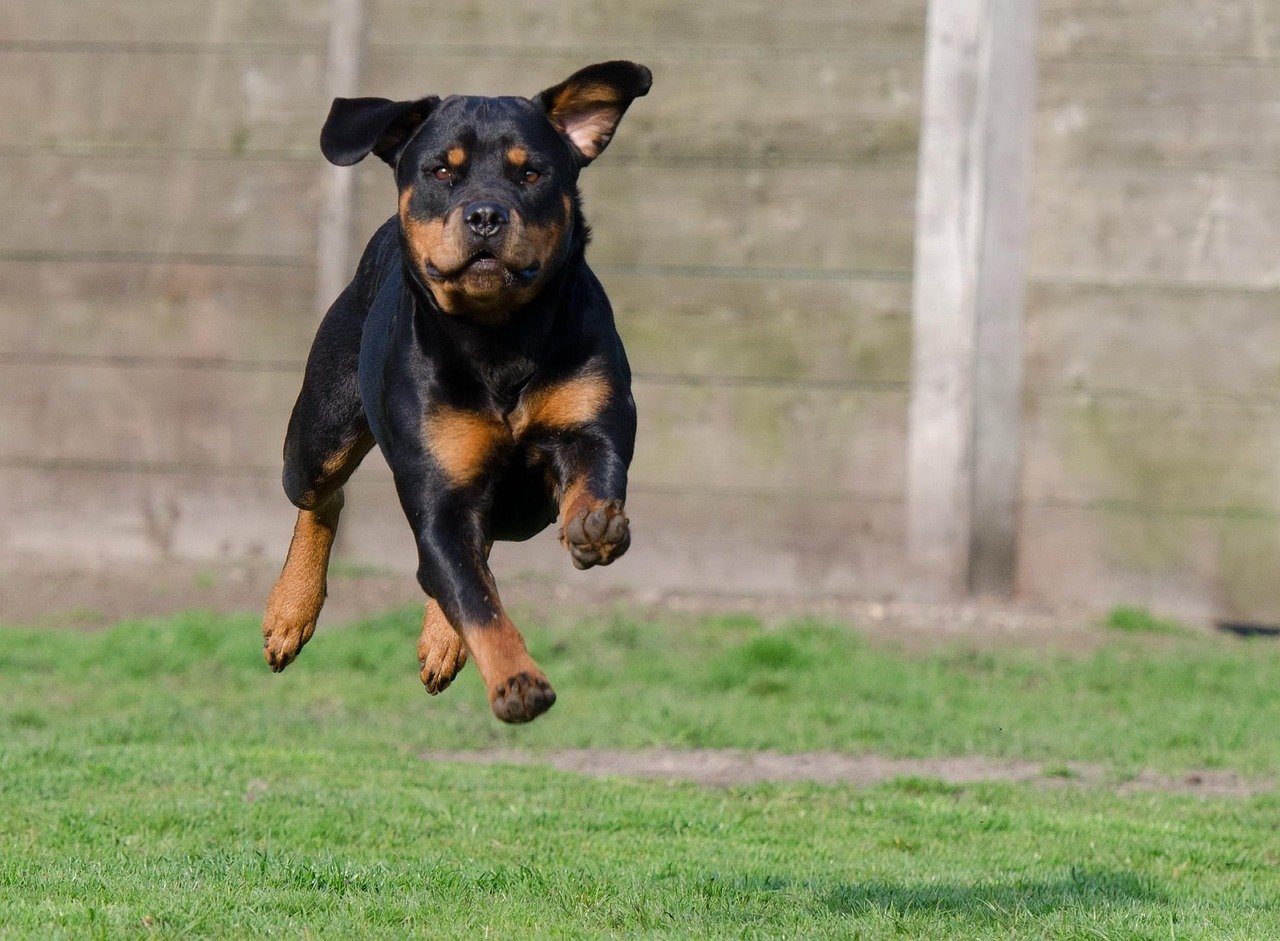
Playing structured games like fetch, tug-of-war, or hide-and-seek can give your Rottweiler the exercise they crave without the risk of overdoing it. Games are not just about burning energy—they’re also about strengthening your bond and teaching impulse control. Keep sessions short and sweet, with plenty of breaks for water and rest. If your Rottie starts to lose interest or looks tired, that’s your cue to wind down. Remember, it’s better to leave them wanting more than to push them past their limits.
Rest and Recovery: The Unsung Heroes
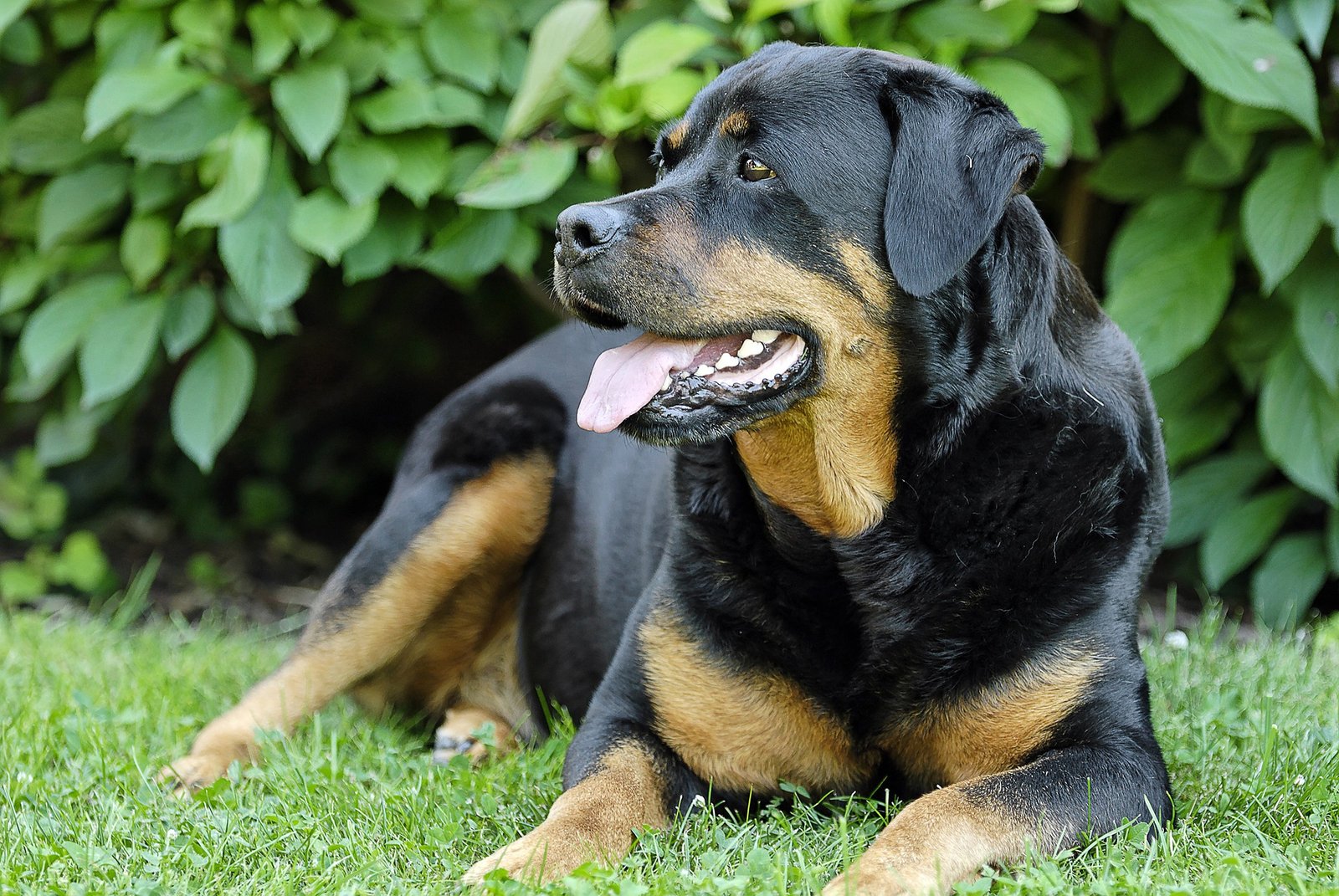
Rest is just as important as activity for a healthy Rottweiler. Muscles need time to repair, especially after vigorous exercise. Make sure your dog has a comfortable place to relax, with soft bedding and a quiet atmosphere. Don’t be surprised if they nap deeply after a good walk or play session—this is a sign that their body is recovering. It’s tempting to fill every moment with activity, but allowing for downtime helps prevent injuries and ensures your dog stays eager for the next adventure.
Weather Warnings: Adapting to the Seasons
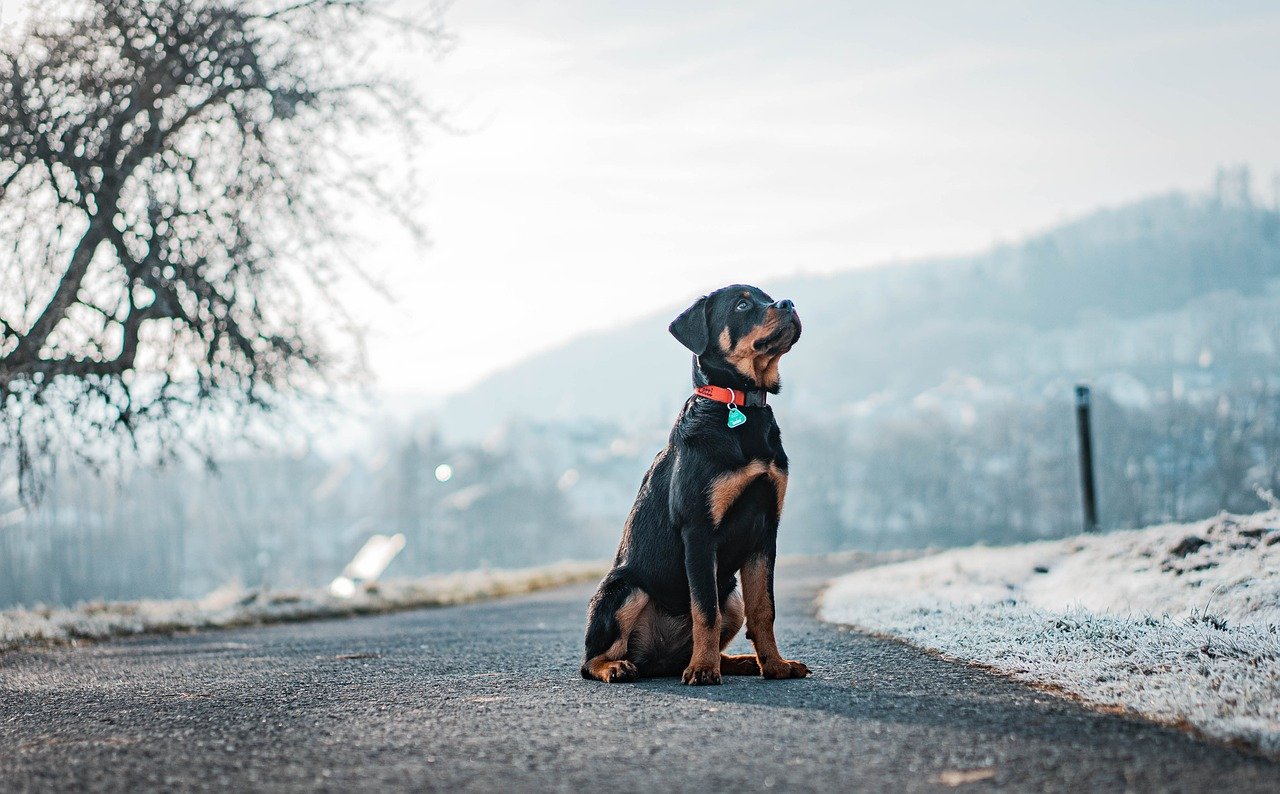
Rottweilers can be sensitive to extreme weather, so it’s important to adjust your exercise routine accordingly. In the summer, aim for early morning or late evening walks to avoid the heat, and always bring water. In winter, watch for icy sidewalks that can cause slips or sore paws. Some Rotties enjoy playing in the snow, but always monitor for signs of being too cold. If the weather is severe, indoor games and training sessions can keep your dog engaged without putting them at risk. Adapting to the seasons shows your Rottweiler that you care about their comfort and safety.
Building a Routine That Works for Both of You
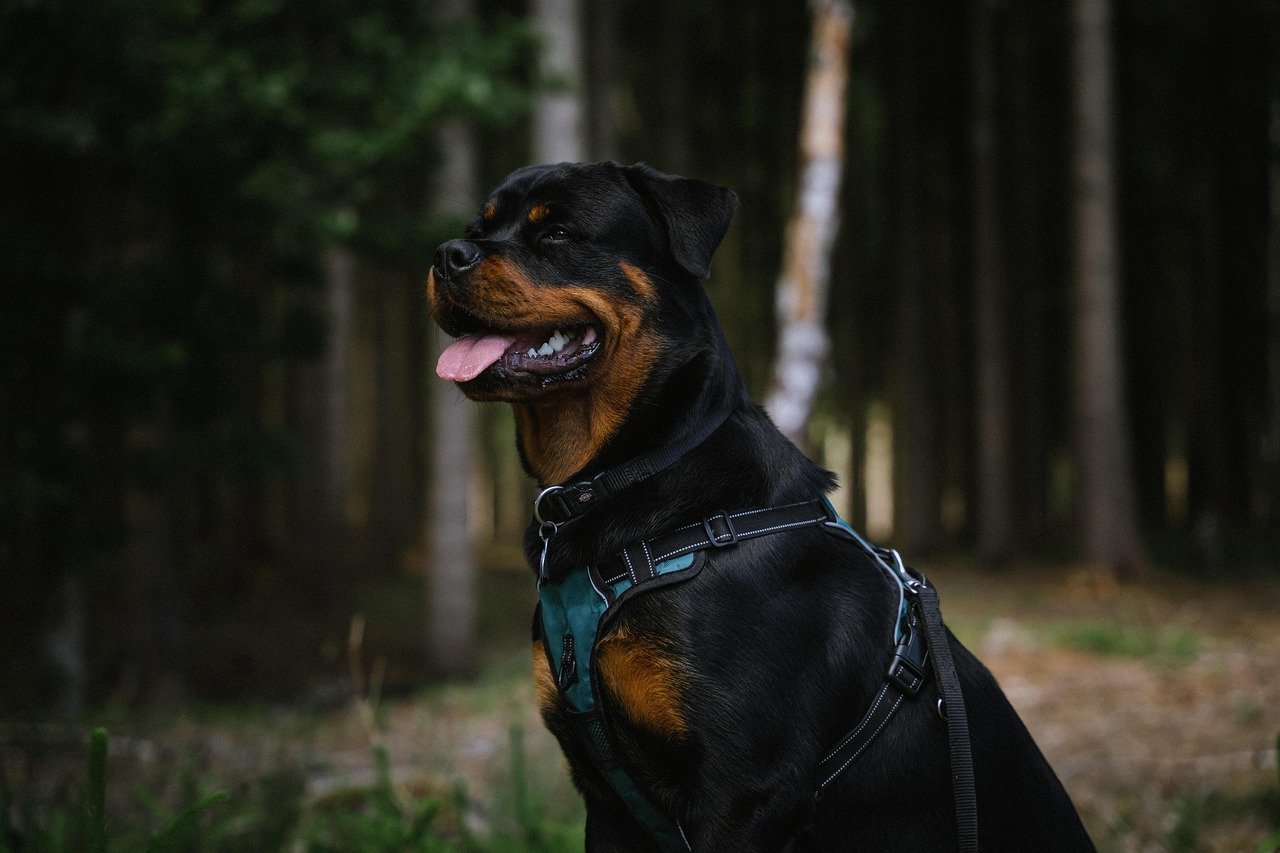
Consistency is key when it comes to exercise, but your routine should fit both your lifestyle and your Rottweiler’s needs. Try to schedule daily walks or play sessions at times when your dog is most energetic. Involve the whole family if possible—kids and adults alike can take turns leading games or walks. If your schedule is unpredictable, focus on quality over quantity, making each session count. By building exercise into your daily life, you’ll create a rhythm that keeps your Rottweiler healthy and happy, without ever feeling overwhelmed or guilty.
Meeting your Rottweiler’s exercise needs doesn’t have to be a challenge—it’s all about finding the right rhythm. With a mix of physical activity and mental engagement, you can keep your pup happy without overdoing it. Pay attention to their energy levels and don’t forget that rest is just as important as play. A balanced routine means a healthier, more relaxed Rottie—and a happier you, too!


