Have you ever watched a family walk their dog in perfect harmony and thought, “How did they find such a perfect match?” It’s not magic—choosing the right dog breed for your family is an exciting journey that can shape your household’s happiness for years. But with hundreds of breeds out there, the process can feel overwhelming, even intimidating. The stakes are high: the right dog brings joy, connection, and laughter, but the wrong fit can lead to stress and heartbreak. Let’s unravel the secrets to finding a four-legged companion who feels like they were always meant to be part of your family.
Understanding Your Family’s Lifestyle

Before you fall in love with a dog’s adorable face, take a step back and honestly assess your family’s daily routine. Are you the adventurous, on-the-go type who loves hiking and weekends outdoors? Or does your family prefer cozy evenings and quiet mornings? The energy levels and needs of different breeds can vary wildly. If your household is bustling with activity, a high-energy breed like a Labrador Retriever might thrive. But if your home is more of a peaceful sanctuary, a gentle Cavalier King Charles Spaniel may be a better fit. Think about work schedules, after-school activities, and how much time you can truly devote to a new furry friend. Matching a dog’s needs to your lifestyle is the first—and possibly most important—step.
Considering the Ages of Family Members
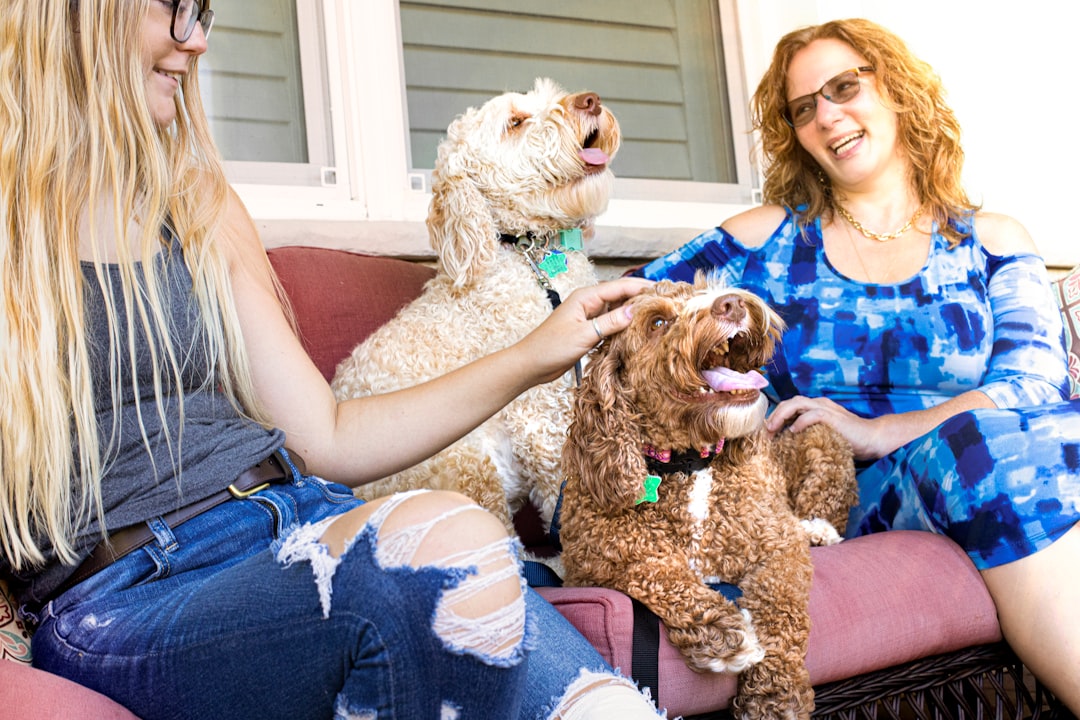
The age range in your family plays a huge role in breed selection. Young children often adore playful, robust breeds that can match their energy, like Beagles or Boxers. But tiny toy breeds or delicate dogs might not be the best choice if you have toddlers who are still learning gentle play. On the flip side, older adults or families with teenagers might appreciate the calm loyalty of a Basset Hound or the intelligence of a Standard Poodle. It’s a bit like picking the right teammate—everyone needs to be comfortable, safe, and able to interact positively. Always consider who will have the most contact with the dog and what their abilities are.
Factoring in Allergies and Shedding

Nothing is more heartbreaking than falling for a dog, only to discover that allergies turn your dream into a sneezing, itchy-eyed nightmare. If anyone in your household has sensitivities, look into hypoallergenic breeds like the Poodle, Schnauzer, or Portuguese Water Dog. These breeds typically shed less and produce fewer allergens. But remember, no dog is completely hypoallergenic. It’s all about reducing the risk. Regular grooming and cleaning can also make a big difference. Don’t forget to think about how much shedding you’re willing to handle—even families without allergies might not want to constantly vacuum up fur tumbleweeds.
Assessing Space and Living Arrangements

Your living situation can make or break your dog-owning experience. Apartment dwellers might struggle with giant breeds that need lots of room to roam, like Great Danes or Saint Bernards. Smaller breeds—think French Bulldog or Corgi—are often better suited to compact spaces. If you have a backyard, active dogs like Border Collies or Australian Shepherds will appreciate the space to run and play. But it’s not just about size—some large breeds are content with a couch and a cuddle, while some small breeds have endless energy. Take a look at your home’s layout, yard size, and nearby parks before making a decision.
Evaluating Activity Levels and Exercise Needs

Some dogs are natural athletes, needing hours of exercise to stay happy and healthy. Others are couch potatoes, content with a leisurely stroll around the block. If your family loves running, hiking, or playing fetch, breeds like the Golden Retriever or Vizsla may be a match made in heaven. But if your idea of fun is a movie marathon, a Bulldog or Shih Tzu might suit you better. Underestimating a dog’s exercise needs can lead to boredom and behavior problems. Honestly assess how much time and energy your family can dedicate to daily walks, playtime, and training.
Thinking About Grooming and Maintenance

Every breed comes with its own grooming demands—some are surprisingly high-maintenance. Poodles and Shih Tzus require frequent trips to the groomer, while breeds like the Dalmatian or Beagle are much lower fuss. If your family is always on the go, you might not have the time (or patience) for daily brushing and detangling. On the other hand, some people find grooming sessions a wonderful way to bond with their dog. Think about how much time, effort, and even money you’re willing to invest in keeping your dog looking and feeling their best.
Prioritizing Temperament and Personality

Temperament is the invisible thread that can either weave your family closer together or pull it apart. Some breeds are famously friendly and sociable, like the Labrador Retriever or Golden Retriever. Others are more reserved, protective, or independent—think Chow Chows or Akitas. Families with young children often want a patient, tolerant dog, while teens or adults may appreciate a breed with a strong personality or quirky sense of humor. Don’t underestimate the power of temperament. Dogs are individuals, but breed tendencies can give you a helpful starting point.
Accounting for Training and Intelligence

Some dogs are eager to please and pick up commands like sponges, while others are stubborn or independent thinkers. If you’re new to dog ownership, a breed known for trainability—like the Border Collie, Poodle, or Papillon—will make life easier. But sometimes, those clever breeds need more mental stimulation and can get bored easily. If your family enjoys teaching tricks or wants a dog that can participate in agility or obedience, intelligence matters. But be honest: will you have the time to keep a smart dog engaged, or would a more laid-back companion suit you better?
Budgeting for Your New Family Member

It’s easy to fall for a cute puppy, but every breed comes with its own set of costs. Large breeds eat more, require bigger beds, and often have higher vet bills. Some breeds are prone to genetic health issues, which can mean costly treatments down the road. Grooming, training, food, toys, pet insurance—it all adds up. Sit down as a family and talk honestly about what you can afford, not just now, but for the dog’s entire life. A little financial planning now can save a lot of heartache later.
Exploring Rescue, Adoption, and Breeder Options

Once you’ve narrowed down your ideal breed, it’s time to decide where to find your new best friend. Shelters and rescue groups are full of wonderful dogs waiting for a second chance. Many have mixed breeds that might surprise you with their perfect blend of characteristics. If your heart is set on a specific breed, reputable breeders can be a good option—just do your homework to avoid puppy mills. Some families even choose to foster before adopting, to make sure the fit is right. There’s no single “right” way to find your dog; what matters most is that you’re making a thoughtful, informed choice for your family and your future furry companion.