

The moment your dog begins to slow down, struggle with simple tasks, or lose interest in life’s simple pleasures, you might start wondering if the inevitable goodbye is approaching. I understand that just reading these words might make your heart skip a beat. The bond we share with our dogs runs deeper than words can express, and contemplating their final journey feels overwhelming.
Yet there’s something beautiful about being prepared for this sacred transition. When we approach our dog’s final chapter with intention and love, we can transform what might seem like an ending into a peaceful celebration of their remarkable life. Though no preparation can fully ease the heartache, taking thoughtful steps can help both you and your beloved companion find peace during this profound passage.
Recognizing When the Time Approaches

Honestly, this is probably the hardest part of the entire journey. Your dog won’t come to you with words to explain their suffering, so you become their voice in making this decision.
Quality of life assessments have become invaluable tools for pet owners facing this crossroads. Dr. Villalobos’ quality-of-life scale looks at seven different categories and scores each parameter from 1 to 10, with 10 being the best. A score above 5 in each category, or an overall score greater than 35, suggests that the dog’s quality of life is acceptable.
Understanding Quality of Life Indicators
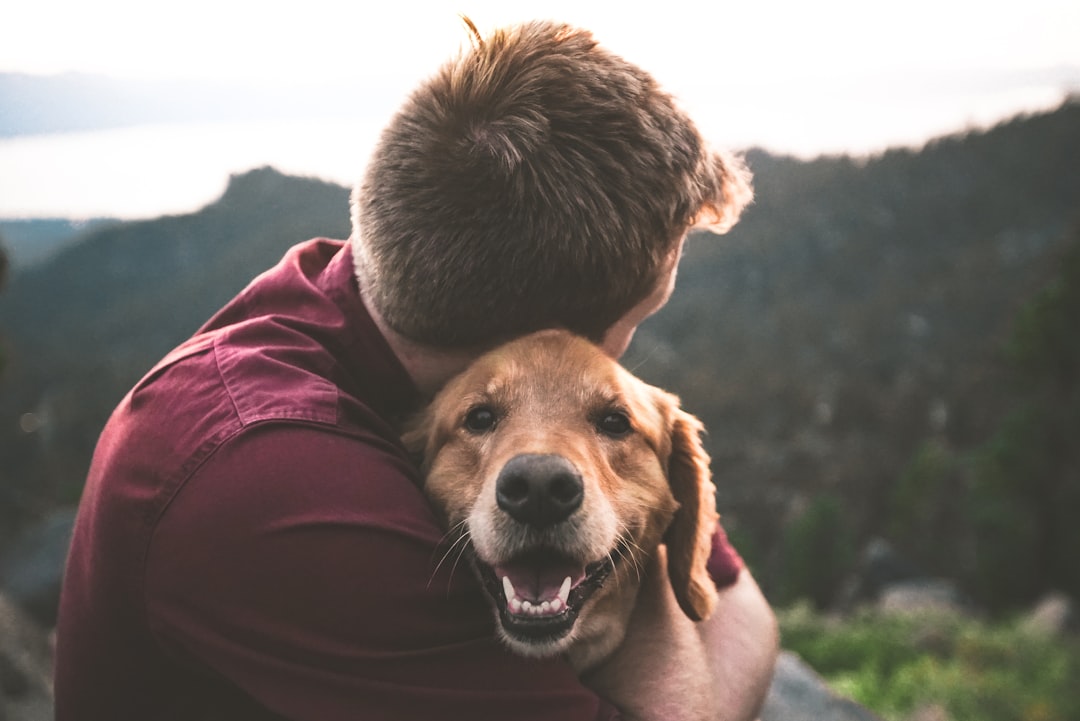
Adequate pain control, including the ability to breathe properly, is an absolute necessity. Most pet owners do not know that being able to breathe is ranked as an important pain management strategy.
The seven key areas to evaluate include pain management, appetite, hydration, hygiene, happiness, mobility, and whether your dog has more good days than bad. Happiness is a key quality of life indicator, and perhaps the easiest assessment for pet owners. Pets who are engaged and interested in their surroundings are more likely to enjoy a good quality of life.
Making the Decision Together as a Family
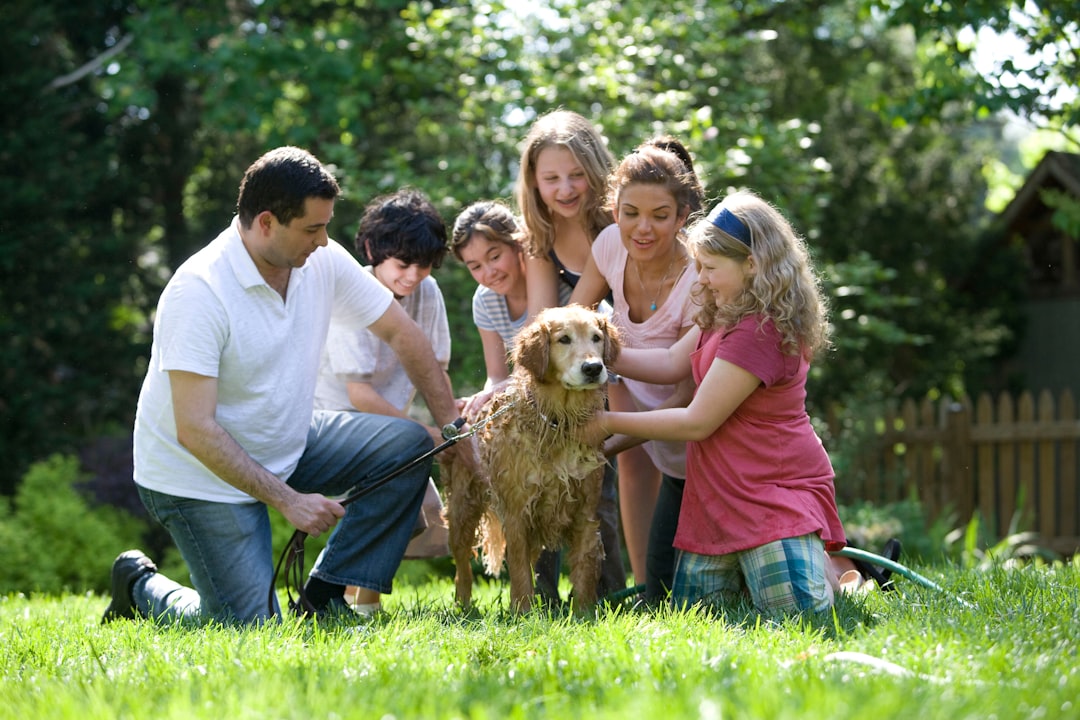
The ultimate decision has to be based around not just the pet, but also the family. This isn’t a choice you should make in isolation, especially when children are involved.
Allow your child to be part of the conversation, appropriate to their age and development, surrounding their pet’s illness, treatment, and quality of life. Allow your child to be a part of the decision-making conversation for euthanasia. Though difficult conversations rarely feel comfortable, including family members helps everyone process what’s happening rather than feeling blindsided by sudden loss.
Preparing Children for Goodbye

The language you use matters. As adults, we tend to prefer softer language to describe illness and death. With children, however, it is best to avoid euphemisms such as “put to sleep” or “passing” as these can be confusing and misleading. Be direct and clear and use the terms “death” and “died”.
Children need time to say goodbye in their own way. This child took the information and began preparations all on her own. She put together a “Goodbye Bag” for her sweet dog to take with her on the journey across the rainbow bridge. So much thought and love went into this grief process! Let them express their feelings through drawing, writing letters, or creating special memories.
Choosing Between Home and Clinic

We see that in people, too, as some people make it very clear that they don’t want to die in a nursing home or hospital. They want to actually go home and be in their familiar surroundings. And that’s just something that we in veterinary medicine have to provide to people, and we do. There are definitely options for people to do in-home euthanasia.
Your dog’s comfort should guide this decision. Some dogs feel safer in familiar surroundings, while others don’t mind the clinical setting if they trust their veterinarian. Consider your dog’s temperament, your family’s needs, and what environment would feel most peaceful for everyone involved.
Planning the Final Day

In most cases, though, it is best not to wait until the last minute to schedule an appointment. This may result in putting your pet through unnecessary discomfort, and you having to scramble in a crisis to try to find help.
Think about what would make this day special rather than just sad. Maybe it’s a favorite meal, a gentle walk in their favorite spot, or simply lying together in the sunshine. Many times, we have heard our clients comment – “better to choose euthanasia one day too early, rather than one moment too late.”
Understanding the Euthanasia Process
Once everyone is ready, I will give your dog a sedative shot, (usually under the skin or into the muscle of one of the rear legs) to help your pet relax and prevent any unnecessary stress, pain, or struggling during the final injection. Once your pet is ready and you have said your final good-byes, I will inject an overdose of a very powerful anesthetic (a euthanasia solution).
Your pet will remain unconscious during this injection and will not feel any pain or discomfort whatsoever. Over the next few minutes, your pet will simply stop breathing quietly and peacefully. Knowing what to expect can help you stay calm and present for your dog during their transition.
Creating Lasting Memories

The weeks leading up to your dog’s farewell offer precious opportunities to create meaningful memories. Consider having professional photos taken, making paw print impressions, or recording videos of your dog’s favorite activities.
Some families create memory boxes filled with their dog’s favorite toys, collar, and other cherished items. Others plant memorial gardens or commission custom artwork. These tangible reminders become sources of comfort in the grief that follows, helping you celebrate the joy your dog brought rather than focusing solely on the loss.
Conclusion
Preparing for your dog’s journey across the Rainbow Bridge isn’t about rushing toward goodbye. It’s about honoring the incredible bond you’ve shared while ensuring their final chapter reflects the love and dignity they deserve. Though your heart may feel heavy with the weight of this decision, remember that choosing a peaceful death for a suffering companion represents the deepest form of love.
As veterinarians, we want people to recognize that euthanizing a pet is often one of the hardest decisions you’ll have to make in your life but, in the case of extreme pain oh the part of your pet, also one of the bravest. Trust your instincts, lean on your support system, and know that giving your dog a gentle goodbye is the final gift of your beautiful friendship.
What memories will you create with your beloved companion in the time you have left together?


