

You’ve done the hard work. You’ve treated your dog for fleas and ticks, washed the bedding, vacuumed every corner, and maybe even shed a few tears over the stress of it all. Your pup is finally scratching less, sleeping better, and looking more like themselves again.
Here’s the thing, though. Treating the problem is only half the battle. The real challenge? Making sure those tiny vampires don’t stage a comeback. I know it feels overwhelming, especially when you’re already exhausted from dealing with the initial infestation. Think of prevention as building a fortress around your dog, one layer at a time. Let’s walk through this together.
Understanding Why Fleas and Ticks Keep Coming Back
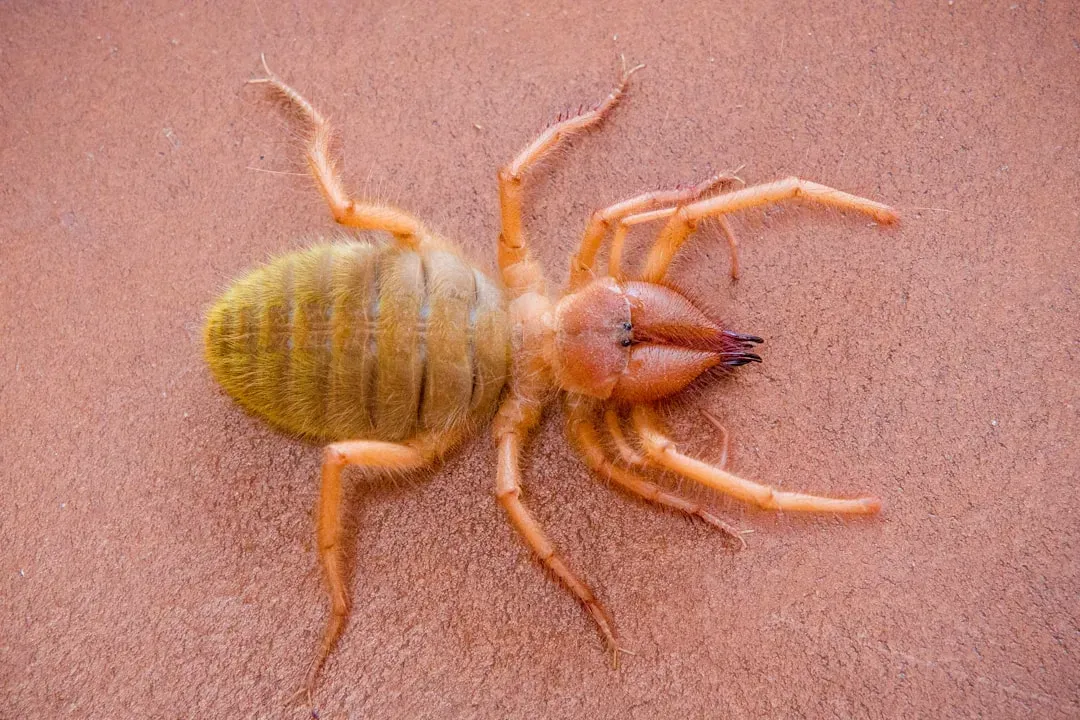
Let’s be real, fleas and ticks are survival experts. They didn’t make it this far by being easy to eliminate. Most fleas have four life stages: egg, larva, pupa (in a cocoon), and adult, and the lifecycle can be very quick or last many months to years depending on environmental conditions.
In homes, flea eggs live for two to three days before hatching, but here’s where it gets tricky. Flea pupae can enter a dormant state which can last for several months or even up to a year, just waiting for the perfect moment to emerge. That means even after you’ve treated your dog, hundreds of developing fleas could be hiding in your carpet, waiting for their debut. It’s like they’re playing the long game, and honestly, they’re pretty good at it.
Ticks are equally persistent. Dogs get ticks after being exposed to an area where ticks live, such as in tall grass or wooded areas, where ticks wait to attach to an animal. They’re patient hunters, and your yard might be hosting more of them than you realize.
Creating a Year Round Prevention Schedule

Year-round prevention is the best practice, and while it may depend on where you live, ticks can be active at 40 degrees Fahrenheit, which is not unusual for many U.S. locations during winter months. I can’t stress this enough: fleas and ticks don’t take vacations just because it’s cold outside.
Year-round prevention is also important because fleas can thrive indoors, where they remain protected from the cold outdoor temperatures. Your cozy heated home is basically a five-star resort for fleas. Choose a prevention method that works for your lifestyle, whether it’s monthly chewables, topical treatments, or collars.
Talk to your vet about what makes sense for your dog’s age, weight, and health status. Flea and tick products are formulated for certain ages, weights, and health conditions, with some not appropriate for dogs under 8 weeks old, weighing under 4 pounds, or with a neurological disorder. Consistency is everything here. Mark it on your calendar, set phone reminders, do whatever it takes to stay on schedule.
Treating Your Home Environment Thoroughly

Your dog isn’t the only thing that needs treatment. Your home is likely harboring flea eggs, larvae, and pupae in carpets, furniture, and bedding. Fleas lay eggs in pet bedding, carpets, furniture, and cracks in flooring, and flea eggs, larvae, and pupae can live in carpets for several weeks to months.
Vacuum everything, and I mean everything. Focus on areas where your dog spends the most time. Vacuum regularly in crevices and baseboards to interrupt the flea life cycle and remove hidden pests. After vacuuming, immediately seal and dispose of the vacuum bag outside to prevent any survivors from escaping back into your home.
Treating your home is important to prevent reinfestation, and using flea sprays for carpets and furniture can help eliminate fleas from your living space. Wash all pet bedding, blankets, and any fabric your dog touches in hot water. The heat kills eggs and larvae that washing alone might miss. Don’t forget to check under furniture and in closets where your dog might wander.
Managing Your Outdoor Spaces
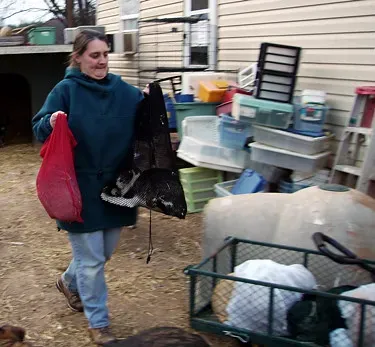
Your yard could be a breeding ground for ticks and fleas without you even knowing it. The Centers for Disease Control and Prevention suggests removing leaf litter, tall grasses, and brush from your yard. Those piles of leaves you’ve been meaning to rake? They’re basically flea and tick hotels.
Overgrown bushes and patches of tall grass can be tick hot spots, so help remove the threat by mowing, weeding or trimming, and use an outdoor tick spray throughout your yard to remove ticks and reduce the number that could end up on your pet. Keep your grass short, but not too short. There’s a balance, honestly. You want to discourage fleas and ticks without eliminating the ants and spiders that naturally prey on them.
Create barriers between wooded areas and where your dog plays. Wood chips or gravel can create a hot, dry zone that ticks hate crossing. It’s like installing a moat around your castle, except instead of water, it’s just really inhospitable terrain for parasites.
Checking Your Dog Daily

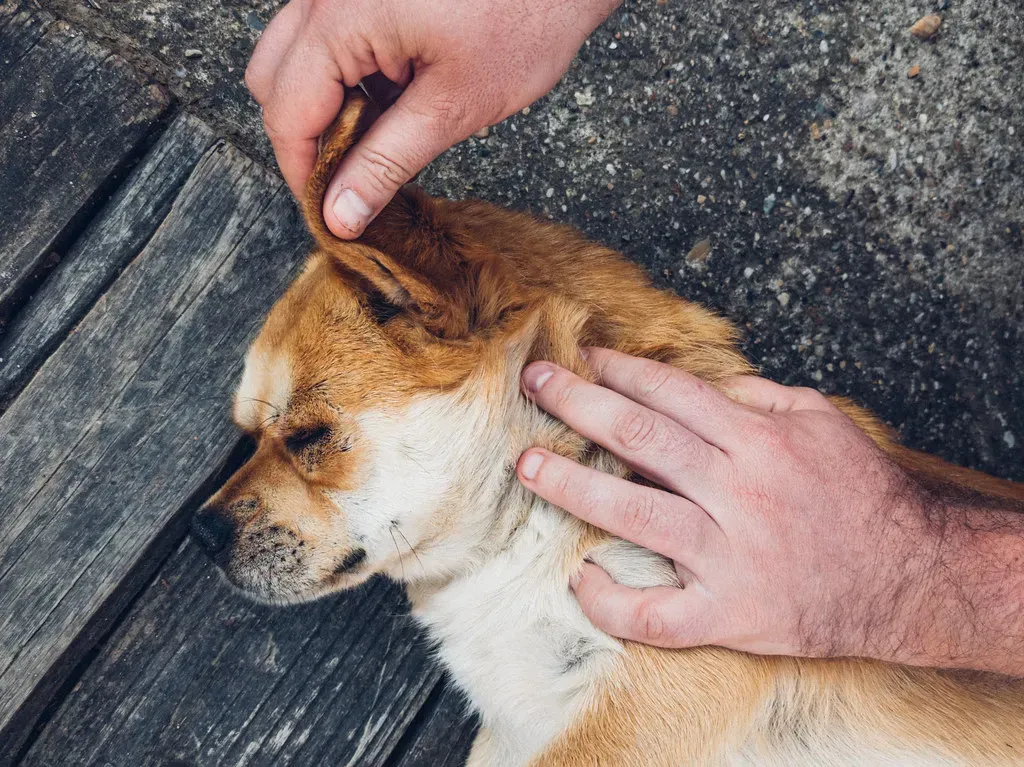
Daily checks to find and remove ticks that are crawling on or biting your pets helps to keep them healthy and may prevent crawling ticks from getting onto and biting a person. Make this part of your daily routine, like brushing your teeth. After walks, especially in grassy or wooded areas, give your dog a thorough once-over.
On dogs, look especially on the feet (and between toes), under the legs, on lips, around eyes and ears (and inside ears), near the anus, and under the tail, and be sure to look under your dog’s collar too. Run your hands over their entire body, feeling for any unusual bumps. Ticks are sneaky and love warm, hidden spots.
The sooner you find and remove a tick, the better. A tick must be attached at least one to two days before the bacteria causing Lyme disease can spread to a dog. Quick removal can literally prevent disease transmission. Keep a tick removal tool handy and learn the proper technique. Your vet can show you how if you’re unsure.
Choosing the Right Preventive Products
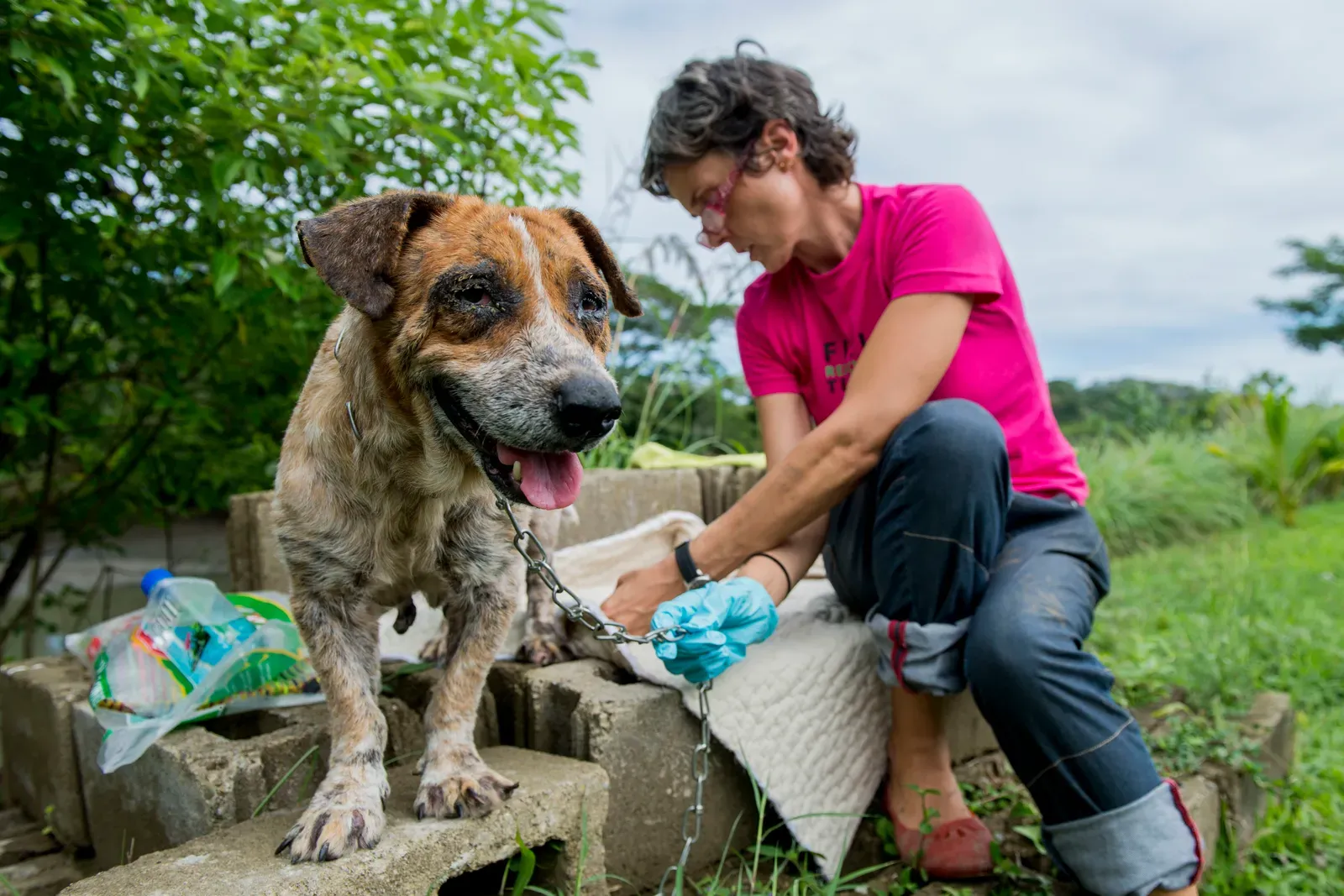
Not all flea and tick products are created equal. Products that quickly kill fleas and ticks, or prevent ticks from attaching, are preferable, and ultimately, the best product is one that is safe and effective, and can be given to your dog easily and regularly. Some products repel parasites before they even attach, while others kill them after attachment.
The FDA has approved Bravecto Quantum, the first-ever flea and tick preventative that can protect dogs for up to 12 months with a single injection. This represents a significant advancement in convenience, though it’s not right for every dog. Monthly chewables and topical treatments remain popular and effective choices.
Oral preventatives have a relatively fast tick kill time, which is important to note because of the diseases that can be spread if a tick remains attached and alive too long. Work with your vet to find what fits your dog’s lifestyle, your budget, and your ability to consistently administer treatment. The best prevention is the one you’ll actually use every single time.
Conclusion
Preventing fleas and ticks from returning after treatment requires vigilance, consistency, and a multi-pronged approach. It’s not just about treating your dog, it’s about creating an environment where these parasites can’t thrive. Treat your home thoroughly, maintain your yard, check your dog daily, and stick to a year-round prevention schedule. It might feel like a lot at first, but once you build these habits into your routine, they become second nature.
Your dog depends on you to keep them safe and comfortable. Every tick check, every vacuuming session, every monthly dose of preventive medication is an act of love. Have you established your prevention routine yet? What works best for your furry friend?


