

You walk through the front door after a long day, and the first thing you see is your favorite pair of shoes completely unrecognizable. Or maybe it’s the couch cushions. Or the baseboards. Or somehow, mysteriously, all three at once. Your heart sinks, your jaw tightens, and every calm, rational thought you ever had about being a loving dog parent evaporates in about three seconds flat.
Sound familiar? If you’re nodding your head right now, you are not alone. Destructive dog behavior is one of the most emotionally taxing challenges a pet owner can face, and how you respond in those heated moments matters more than you might realize. The good news is, there’s a way through this, and it starts with understanding what’s really going on before you even think about reacting. Let’s dive in.
Your Dog Isn’t Being Spiteful – Here’s What’s Actually Happening

Let’s be real – the first instinct when you see a destroyed room is to assume your dog knew exactly what they were doing and did it anyway, just to mess with you. Honestly, I get it. But here’s the thing: that’s not how the canine brain works. Dogs do not participate in destructive activities out of spite or revenge. Dogs often behave destructively to relieve anxiety or as an outlet for excess energy. Think of it like this: when a person is stressed, they might go for a run or chew on their fingernails. Your dog chews the sofa.
Dogs are normally destructive for one or more of five reasons, none of which involve spite, malice, or “getting even.” A stressed human may pace the floor, go jogging, chew her fingernails, or tap a pencil on the table. Chewing, digging, and other destructive behaviors are stress relievers for dogs. Once you truly internalize this, something shifts in how you respond. You stop taking it personally. You start asking better questions. That mental shift is genuinely the first and most powerful step toward staying calm.
Since property and items can get destroyed for different reasons, we need to gather more information to determine if it may be play behavior, curiosity and natural seeking behavior, predatory behavior, escape-motivated, or anxiety-related. To find the reason for the destruction, we need to know what is getting chewed up or scratched. This often gives insight to the underlying motivation or reason. So the next time you feel your blood pressure rising, pause. Breathe. Ask “why” before asking “how do I stop this.”
Decode the Behavior Cues Before You React

Reading your dog’s behavior like a detective rather than a frustrated owner is a game changer. Dogs who chew to relieve the stress of separation anxiety usually only chew when left alone or chew most intensely when left alone. They also display other signs of separation anxiety, such as whining, barking, pacing, restlessness, urination and defecation. So if the destruction only happens when you’re gone, that’s a huge clue. It’s not rebellion. It’s closer to a panic attack.
Noise phobias and general anxiety can also trigger destructive behavior. Noise aversion in pets is more common than many owners realize, and chewing can spike during thunderstorms, fireworks, or neighborhood construction. Meanwhile, if you have a puppy, keep in mind that during teething, when your puppy is losing their puppy teeth and their adult teeth are growing in, chewing helps soothe the pain and sore gums. Providing special teething chews can go a long way in helping them feel better. Puppies start teething usually between 12 to 16 weeks of age, and it lasts until 6 to 7 months old. That is a very long window of intense chewing need, and simply knowing this timeline can save you a mountain of frustration.
Watch for patterns. When is the destruction happening? Is your puppy grabbing something and chewing on it when you’re not paying attention, and by the time you look up, the item is destroyed? Does your dog scratch and bite at the door frames only when you’re leaving your home? Or do they dig and chew in the couch cushions or your flower bed whether you’re home or not? These details are not small. They are the map that leads you to the real solution.
Why Staying Calm Is the Most Effective Strategy You Have

Here is something that might surprise you. Your emotional reaction to your dog’s destruction can actually make things worse. Much worse. Excessive punishment or punishment after the fact for any misbehavior can cause dogs to have anxiety around their caretaker. Anticipation of the caretaker’s return or arrival increases the dog’s anxiety level, and they might engage in destructive behavior to relieve the anxiety. So ironically, if you come home furious and scold your dog, you may be setting the stage for even more destruction the next time you leave.
Punishment is rarely effective in resolving destructive behavior problems and can even make them worse. Never discipline your dog after-the-fact. If you discover an item your dog has chewed even just a few minutes later, it is too late to administer a correction. Your dog doesn’t understand that “I chewed those shoes an hour ago and that’s why I’m being scolded now.” The “guilty look” you see? That’s not guilt. The “guilty” look people refer to is what we call an appeasement gesture. This is a behavior meant to convey that the dog is not a threat to avoid injury.
So what does staying calm look like in practice? Calmly ask your dog to Drop It or do a trade for the item. Staying calm and positive while you do this helps prevent your dog from playing “keep away” or starting to resource guard. Even one deep breath before you react can be the difference between a training moment and a setback. That breath? It’s not just for you. It’s for your dog too.
Practical Prevention Tips That Actually Work
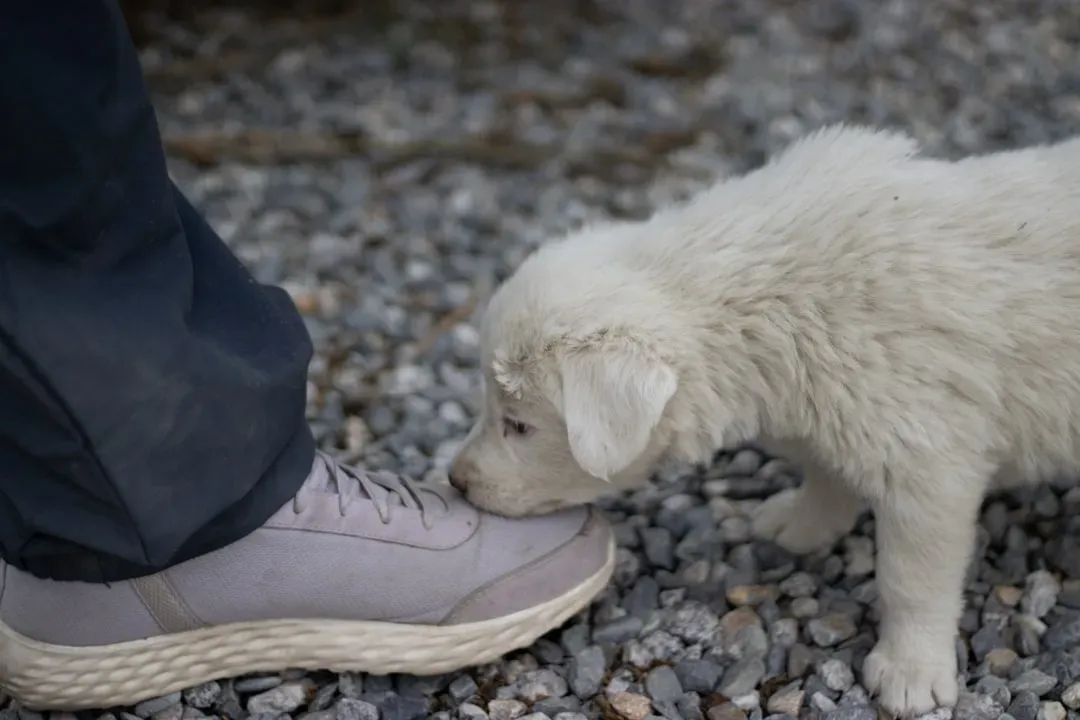
Prevention is the unsung hero of calm dog parenting. The number one thing you can do to stop your dog’s destructive chewing is to remove the temptation. This is especially important for puppies who are learning what they should and should not put their mouths on. Don’t give your puppy the chance to chew on items you don’t want them to chew on. Think of it like childproofing a house. You don’t leave a toddler unsupervised near a glass table, so don’t leave your dog alone near your expensive leather boots.
Keep clothing, shoes, books, trash, eyeglasses, cell phones, and remote controls out of your dog’s reach. Don’t confuse your dog by offering him shoes and socks as toys and then expect them to distinguish between his shoes and yours. Your dog’s toys should be obviously different from household goods. This is such an important and often overlooked point. Giving your pup an old sneaker to chew on, then getting upset when they destroy a new one, is simply not fair to them.
Dogs thrive on routine. Establish a consistent schedule for feeding, exercise, and playtime. This will help reduce anxiety and provide structure, which can prevent destructive chewing. Offer a variety of durable, dog-safe chew toys. Rotate them regularly to keep your dog’s interest. For teething puppies, frozen KONGs or wet washcloths can provide soothing relief. Small, cheap adjustments like these can shift the entire dynamic of your home.
When to Seek Help and What Long-Term Calm Really Looks Like
There comes a point where love and patience alone aren’t enough, and recognizing that is a sign of a great dog owner, not a failed one. Any dog that’s chewing things up should be evaluated by a veterinarian to rule out underlying medical reasons such as dental problems, pain, metabolic, gastrointestinal, or skin conditions, or even pica. This is especially important if a dog has a sudden change in behavior. Sometimes what looks like a behavioral issue is actually a health problem in disguise.
There is an intangible cost: the emotional one. Having a destructive dog can cause serious tension and strife in the human-dog bond, and studies have shown that it can be a significant contributing factor for dogs to be relinquished to shelters. Meaning that destructive behavior can be a matter of life and death for the dog itself. This is exactly why finding help early matters so much. The stakes, honestly, couldn’t be higher.
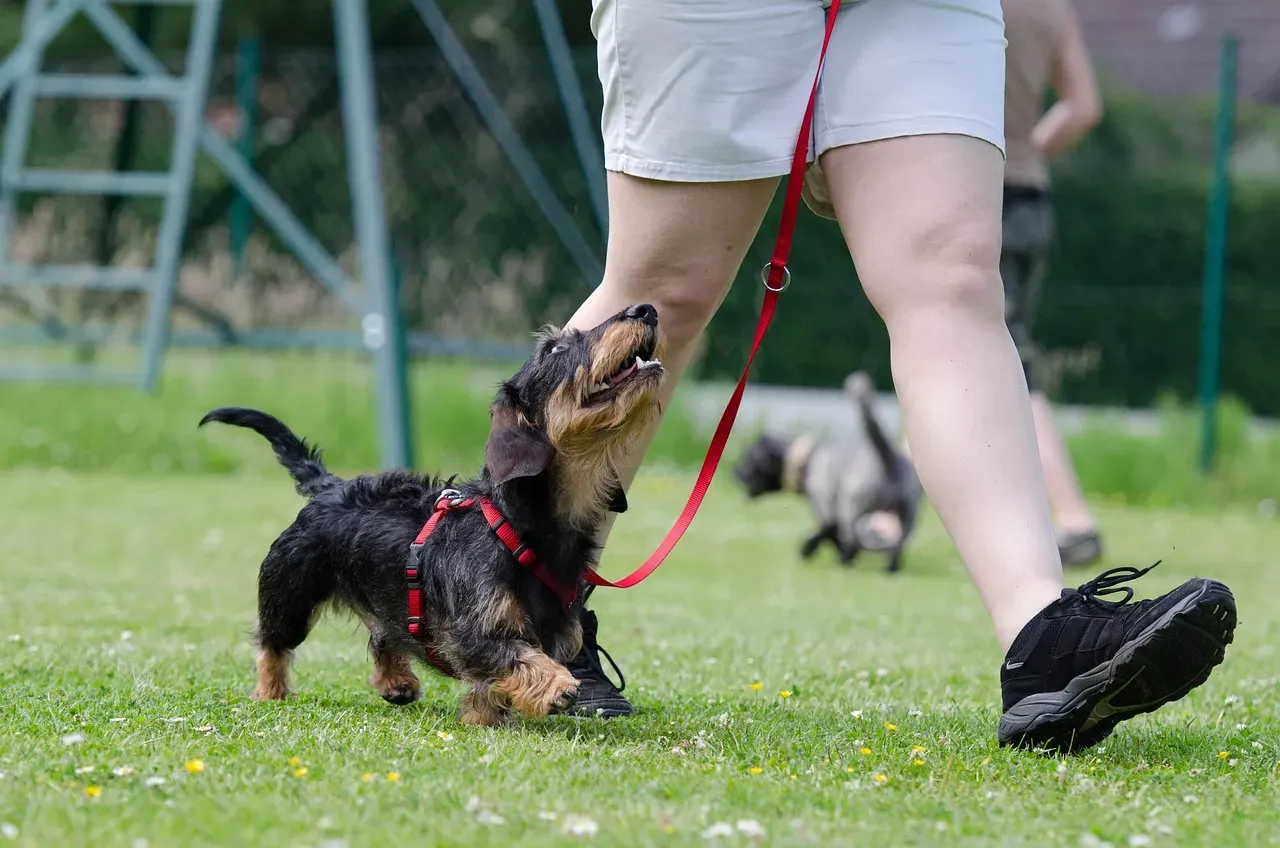
A positive-reinforcement trainer can make a plan to teach your dog alternative behaviors and reward your dog for calm behavior. If destructive behaviors persist despite your efforts, it may be time to consult a certified behavior consultant or veterinarian. Chronic chewing or digging can sometimes signal underlying anxiety or health issues that need to be addressed. Reaching out for professional help is not giving up. It is one of the most loving things you can do for your dog and for yourself.
Conclusion: Calm Is a Skill You Can Both Learn

Here is the truth that nobody tells you when you bring a dog home: staying calm when your dog is being destructive is genuinely hard. It doesn’t come naturally, especially when it’s your favorite thing that just got destroyed. Remaining calm is not about being a pushover or pretending nothing happened. It’s about choosing the response that actually works, for both of you.
With understanding, patience, and consistent training, you can guide your dog toward more appropriate outlets for their energy and instincts. Your dog is not a problem to be fixed. They are a living being with unmet needs, and the moment you start seeing them that way, everything changes. The destroyed shoes stop being a betrayal and start being a message. A destructive dog is not a hopeless case. It’s a dog expressing an underlying issue.
So the next time chaos greets you at the door, take that breath. Look at your dog, not with fury, but with curiosity. What are they trying to tell you? The answer to that question will take you further than any punishment ever could. What would you do differently knowing all of this? Drop your thoughts in the comments below, we’d love to hear your story.


