We all think we know when our dogs are happy. The wagging tail, the goofy grin, the excited bounce when we grab the leash. Those are the obvious tells, right? Sure, they’re part of the picture, but honestly, canine contentment runs so much deeper than that.
A happy dog is not only more pleasant to be around but also tends to be healthier and more active, with emotional well-being playing a crucial role in overall health. Here’s the thing though: some of the most telling signs of a truly thriving dog are subtle, easy to overlook, or downright unexpected. These quiet markers speak volumes about your dog’s emotional state and quality of life. So let’s dive in and explore the secret language of canine happiness you might be missing.
That Belly Up Sleep Position Isn’t Just Adorable

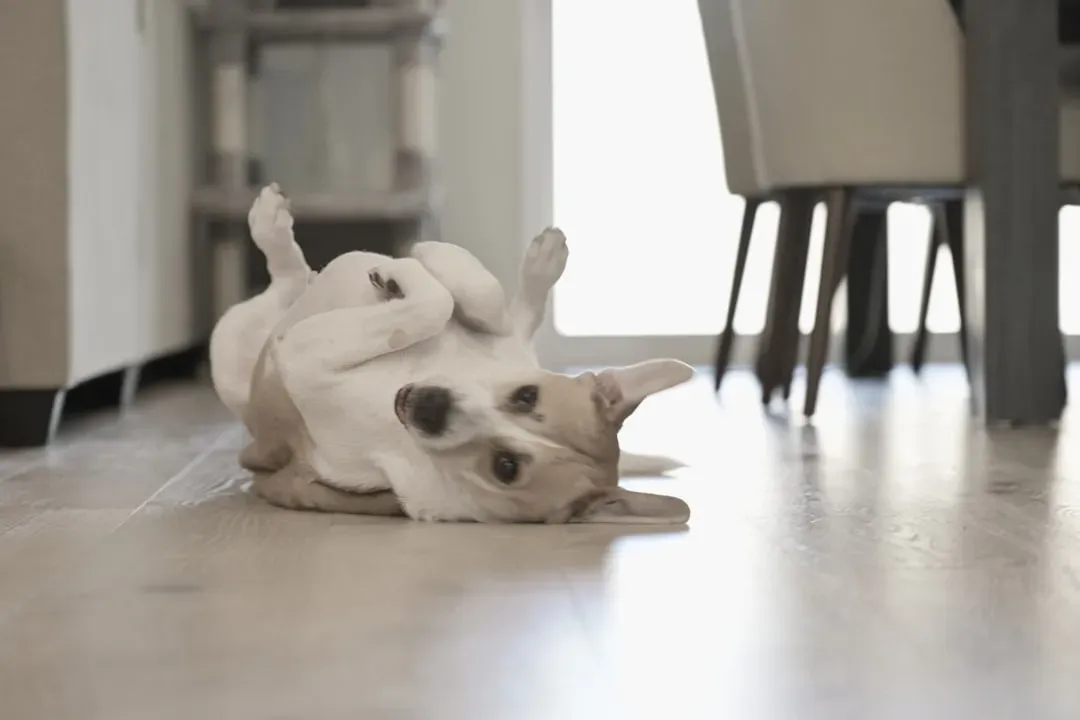
You walk into the living room and there’s your dog, sprawled on their back with all four paws in the air, looking utterly ridiculous. That’s not just a funny sleeping position. Dogs who snooze on their back with all four paws in the air or sprawled out like a starfish feel very comfortable and safe in their environment, with their belly left exposed indicating they trust you completely.
Think about it from your dog’s perspective. The belly is vulnerable, full of vital organs with no protective ribcage.
When your dog sleeps like this, they’re telling you something profound: they feel so secure in your home that they can let their guard down entirely. Dogs who feel safe and content usually have regular, restful sleep, and may nap with their bodies relaxed, stretched out, or curled in a comfortable position. It’s a trust fall that happens every single day, and it’s one of the most beautiful silent compliments your dog can give you.
The Soft Eye Contact That Melts Your Heart

There’s eye contact, and then there’s that special kind of gaze. You know the one. Happy dogs have that unmistakable sparkle in their eyes, almost like they’re smiling at you without using their mouth. This isn’t the hard stare of a stressed or aggressive dog. This is soft, warm, and honestly, it feels like pure love radiating from those puppy eyes.
Studies have even found that, when petted, dogs’ levels of oxytocin (the “feel-good hormone”) rise, just like humans’ levels rise when petting their pup. That mutual gaze creates a bonding loop between you and your dog.
When your dog looks at you with relaxed eyes and a gentle expression, they’re not just seeing you. They’re connecting with you on an emotional level. Soft, relaxed ears and eyes indicate happiness in the moment. Let’s be real, those moments of quiet connection often mean more than the exuberant greetings, as lovely as those are too.
They Actually Seek Out Your Company Without Needing Anything
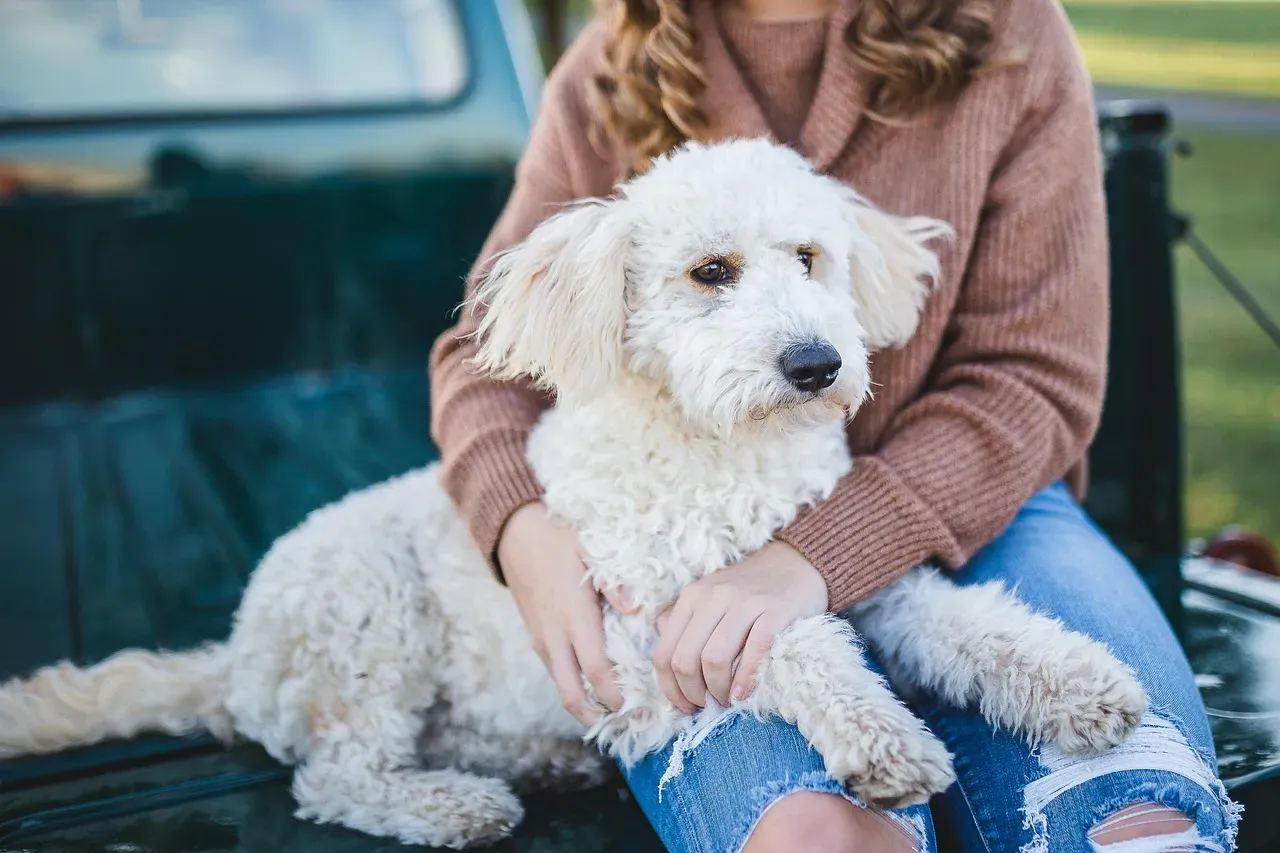
Pay attention to this one because it’s huge. Dogs who seek affection and enjoy being around their human family are generally happy, and they might nuzzle, cuddle, or follow you around, showing their desire for connection and comfort. I’m not talking about the dog who follows you because they want dinner or a walk. I’m talking about the dog who just wants to be near you, no agenda attached.
A happy dog tends to seek out physical affection, nudging for petting or curling up close, and some dogs may gently paw at you or rest their head on your lap, which shows that they feel secure and trust you.
Maybe they settle at your feet while you work. Maybe they relocate from their comfy bed just to lie on the hard floor beside you. This is a dog who finds comfort and joy simply in your presence. It’s one of the clearest signs that your dog isn’t just living with you but is genuinely thriving in the life you’ve built together.
The Healthy Appetite That Never Seems to Fade
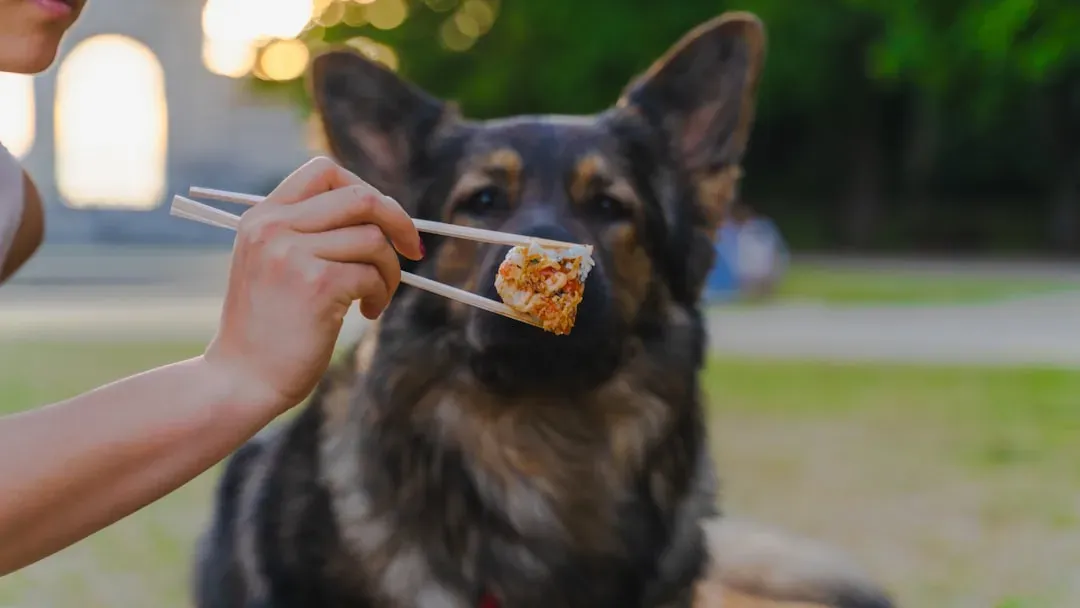
A happy dog is usually a hungry dog or at least one who gets excited about mealtime, and if your pup greets their food bowl with enthusiasm and can’t wait for you to hand over that treat, it’s a good sign they’re feeling content and healthy. This might not seem unexpected at first glance. After all, most dogs love food, right?
However, appetite is actually a sensitive barometer of emotional wellbeing. Healthy sleep patterns and appetite reflect a dog’s happiness, and a well-rested dog who eats regularly is likely feeling good physically and emotionally.
A dog dealing with chronic stress or unhappiness often shows changes in eating habits, either losing interest in food or stress-eating irregularly. When your dog consistently shows enthusiasm at mealtimes and maintains a steady appetite, it’s a sign their world feels stable and secure. A sudden lack of interest in food could indicate something’s wrong, so keep an eye on their eating habits. Food is life, and a thriving dog embraces it with gusto.
That Wiggly, Loose Body Language Says Everything
Watch your dog move through the world. Happy dogs have a loose, soft posture without any signs of tension or stiffness, and this body language will usually be paired with a relaxed facial expression, including a slightly opened mouth, and their ears in a natural position. There’s a fluidity to their movement, a wiggliness that’s hard to miss once you know what you’re looking for.
Happy dogs typically display relaxed, tension-free body language, with their neck and muscles soft, their posture loose, and they appear calm and at ease. This is the dog whose whole body wags when you come home, not just their tail.
Stressed or anxious dogs, by contrast, hold tension in their bodies. Their movements are stiffer, more controlled, sometimes almost mechanical. A playful dog’s body movement will be loose and wiggly, with lots of movement and brief pauses during play. A thriving dog moves like they own the place in the best possible way, with confidence and comfort radiating from every step.
They Engage in Spontaneous Playfulness Even When Alone
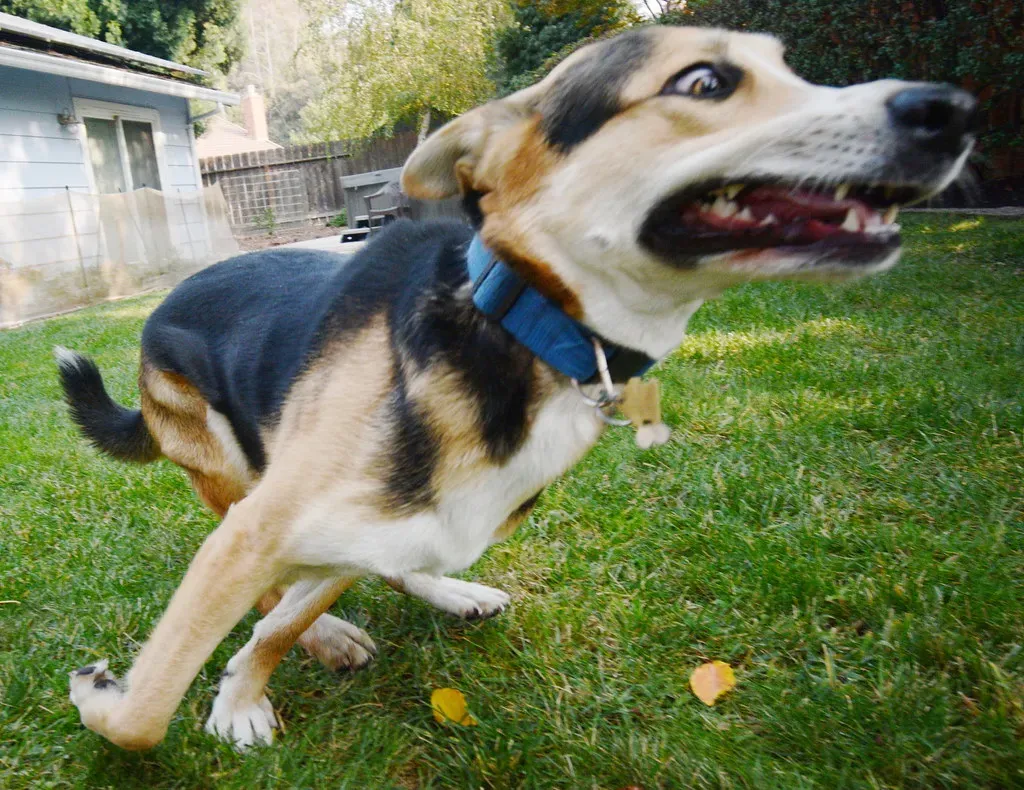
This one catches people off guard. Happy dogs are typically eager to engage in playful activities, showing it through various playful behaviours, and if your dog does a play bow by lowering its front legs and raising its hindquarters or brings you a favourite toy, it’s an invitation for some fun. Have you ever caught your dog having a solo play session? Maybe they’re tossing a toy around by themselves or doing spontaneous zoomies across the yard for absolutely no reason.
Happy dogs actively interact with toys, and when dogs feel happy and emotionally secure, they will regularly display these playful behaviors.
Thriving dogs don’t just play when prompted. They initiate play on their own terms because they have the emotional energy and security to do so. Happy dogs display engaged and playful behavior, often showing enthusiasm during play or walks, showcasing their natural curiosity and eagerness, and a willingness to engage in activities suggests a satisfied and stimulated mind. It’s a powerful sign that your dog’s mental and emotional needs are being met. They’re not just getting by, they’re genuinely enjoying life, even when you’re not directly involved. If you walk in on your dog mid-zoomie or catch them play-bowing to their reflection, take it as the compliment it is.
Conclusion
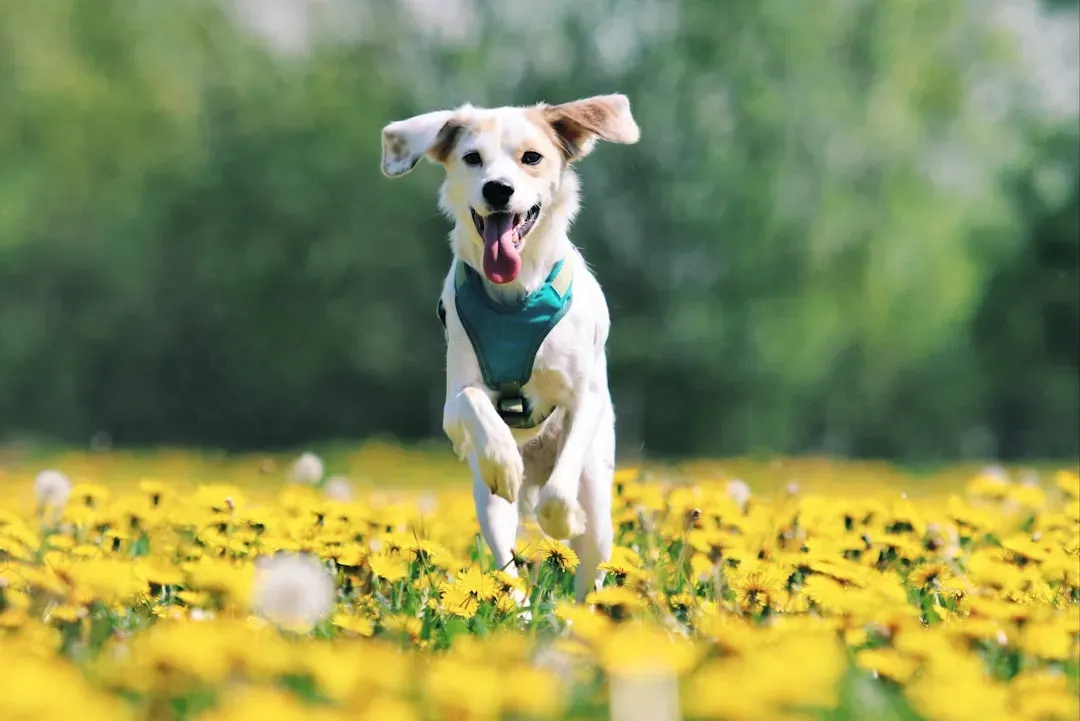
True happiness in dogs goes far beyond the surface level excitement we often associate with canine joy. Understanding your dog’s happiness can greatly enhance their quality of life, as dogs communicate their feelings through their behavior, and recognizing the signs of contentment allows you to respond appropriately to their needs. These unexpected signs, the vulnerable sleep positions, the soft gazes, the spontaneous play, paint a picture of a dog who feels safe, loved, and genuinely content with their life.
The beautiful thing about recognizing these signs is that it deepens the bond between you and your dog. Your dog is talking to you all the time, and if you learn what your dog is saying, you will develop a deeper bond of trust and respect. When you understand what true thriving looks like, you can do more of what works and create an even richer life for your companion.
What do you think? Have you noticed these subtle happiness signals in your own dog? Take a moment today to really observe them. You might be surprised by just how much they’re telling you.